General Cat Care 2026
Have you recently added a feline buddy to your family? Congratulations! We know you’ll be excited to have your new cat in your home. If you are contemplating adopting a cat, please visit your local shelter. We encourage you to browse our catalog of adoptable cats in your area, or use our shelter finder to start your search.
Read on for helpful tips for new cat parents, and for those looking to brush up on their pet care skills.
feeding
We recommend purchasing high-quality, brand-name kitty or cat food. Your vet will be able to assess your new cat or kitten and determine the best diet. Factors such as age, activity levels and health make a difference in what and how much a cat should eat.
Cats require taurine, an essential amino acid, for heart and eye health. The food you select should be balanced for the life stage of your cat or kitten. Properly balanced foods will contain taurine.
You will need to provide fresh, clean water at all times, and wash and refill your cat’s water balls daily.
Treats should be no more than 5-10% of the diet.
Many people feed baby food to a cat or kitten who is refusing food or not feeling well Please read labels cautiously: If the baby food contains onion or garlic powder, your pet could be poisoned.
Take your pet to your veterinarian if signs of anorexia, diarrhea, vomiting or lethargy continue for more than two days.
Please visit our People Foods to Avoid Feeding Your Pets page for a list of off-limits items, as well as our Cat Nutrition Tips page for further information.
General Cat Care
Grooming
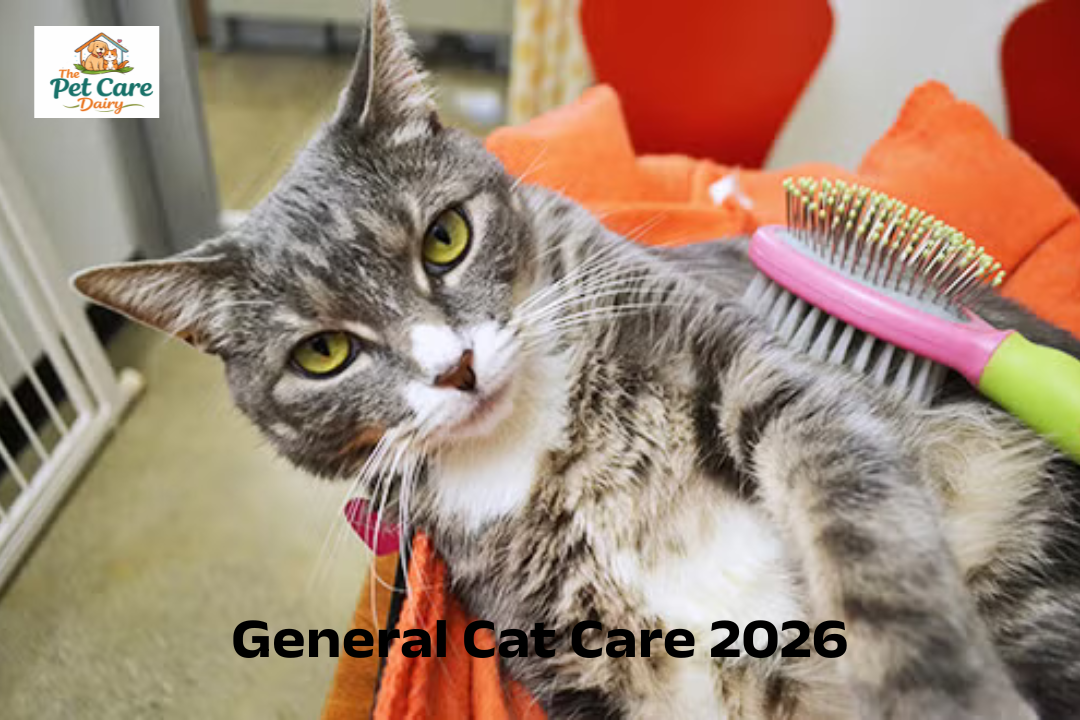
Most cats stay relatively clean and seldom need a bath, but you should brush or comb your cat regularly. Frequent brushing helps keep your cat’s coat clean, reduces the amount of shedding and cuts down on the occurrence of hairballs. Please visit our Cat Grooming Tips page for more information.
Handling
To pick up your cat, place one hand behind the front legs and another beneath the hindquarters. Lift gently. Never pick up a cat by the scruff of the neck or by its front legs.
Housing
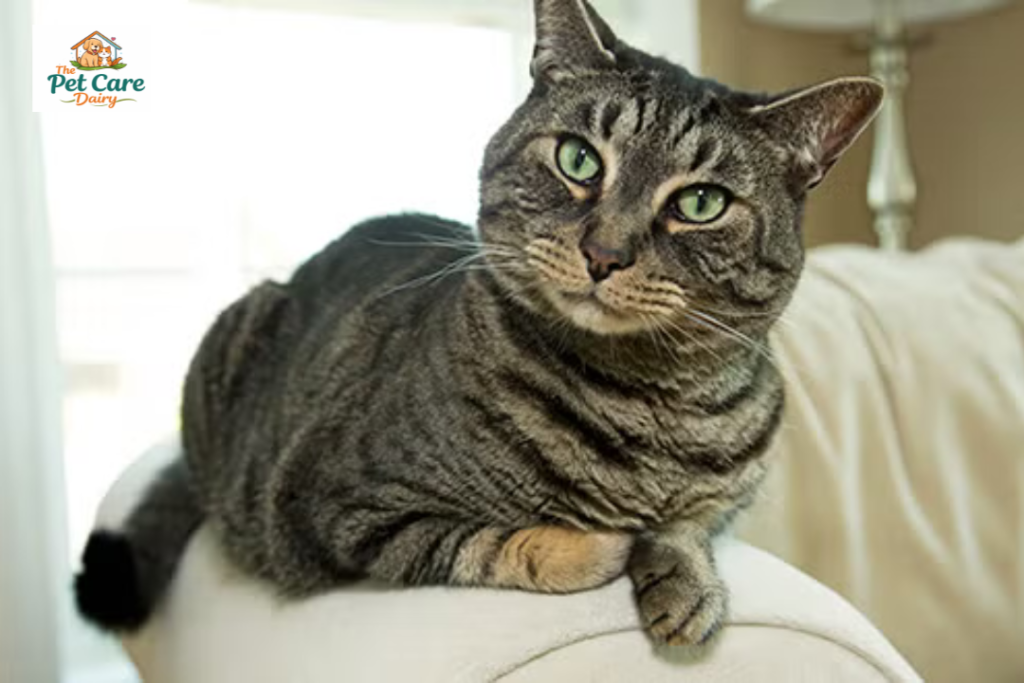
Your pet should have its own clean, dry place in your home to sleep and rest. Line your cat’s bed with a soft, warm blanket or towel. Be sure to wash the bedding frequently. Please keep your cat indoors. Outdoor cats do not live as long as indoor cats. Outdoor cats are at risk of trauma from cars, or from battles with other cats, raccoons and free-roaming dogs. Coyotes are known to eat cats. Outdoor cats are more likely to become infested with fleas or ticks, as well as contract contagious diseases.
Identification
If permitted outdoors, your cat must wear a safety collar and an ID tag. A safety collar with an elastic panel will allow your cat to break free if the collar gets caught on something. And for both indoor and outdoor cats, an ID tag or an implanted microchip can help ensure that your cat is returned if he or she becomes missing.
Litter Box
All indoor cats require a litter box, which should be placed in a quiet, accessible location. In a multi-level home, one box per floor is recommended. Avoid moving the box unless absolutely necessary, but if you must do so, move the box just a couple inches per day. Keep in mind that cats will not use a messy, smelly litter box, so scoop solid wastes out of the box at least once a day. Dump everything, wash with a mild detergent and refill at least once a week; you can do this less frequently if using clumping litter. Don’t use ammonia, deodorants or fragrances, especially lemon, when cleaning the litter box. If your cat will not use a litter box, please consult with your veterinarian. Sometimes refusal to use a litter box is based on a medical condition that required treatment. Please visit our Litter Box Issues page for more information.
scratching
Cats need to scratch! When a cat scratches, the old outer nail sheath is pulled off and the sharp, smooth claws underlying are exposed. Cutting your cat’s nails every two to three weeks will keep them relatively blunt and less likely to harm the arms of both humans and furniture. Providing your cat with a sturdy scratching post, at least three feet high. The post should also be stable enough that it will not wobble during use, and should be covered with rough material such as sisal, burlap or tree bark. Many cats also like scratching pads.
health
Your cat should see the veterinarian at least once a year for an examination and yearly shots, and immediately if she is sick or injured.
Medicines and Poisons
Never give your cat medication that has not been prescribed by a veterinarian. If you suspect that your animal has ingested a toxic substance, call your veterinarian or the ASPCA Animal Poison Control Center for 24-hour animal poison information at (888) 426-4435.
Spaying and Neutering
Female cats should be spayed and male cats neurated by five months of age. Please visit our Spay/Neuter Your Pet page to learn more.
Vaccinations
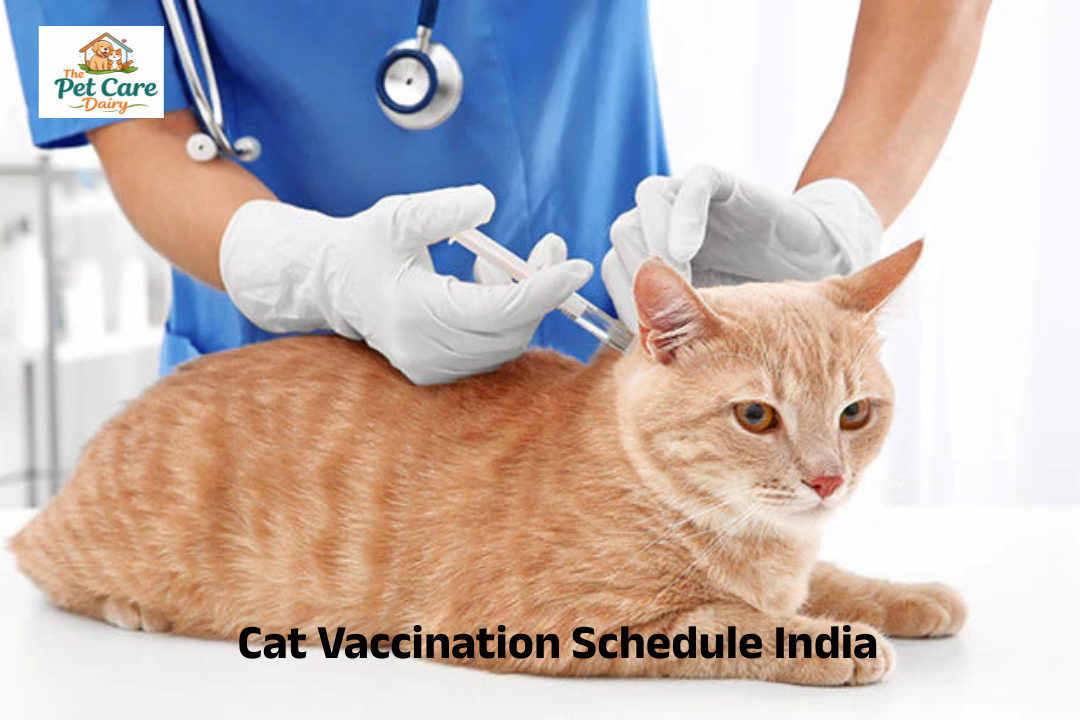
Your vet will make recommendations based on your cat’s age and health. Please visit our Pet Vaccines page to learn more.
Cat Supply Checklist
Premium-brand cat food
food dishes
water bowl
interactive toys
brush
Comb
Safety cat collar with ID tag
Scratching post or scratching pad
Litter box and litter
cat carrier
Cat bed or box with warm blanket or towel
Safe, and comfortable lifestyle for your cat through proper nutrition, hygiene, and emotional care. Feeding your cat a balanced, high-quality diet suitable for its age and needs is essential for maintaining good health. Clean drinking water should always be available. Regular grooming, including brushing the fur and maintaining a clean litter box, helps keep your cat sanitary and stress-free. Regular veterinary checkups and vaccinations are important to prevent diseases and monitor overall health. Cats also need mental stimulation and playtime with toys to remain active and avoid boredom. Creating a quiet, secure environment and giving your cat attention and affection helps build a strong bond. By following these modern care practices, you can ensure your cat remains healthy, happy, and comfortable into 2026 and beyond.
Cat Care
Cats have earned a special place in millions of homes around the world due to their affectionate nature, intelligence, and independent personalities. In 2026, cat care continues to evolve as pet owners gain access to better nutrition, advanced veterinarian services, and a deeper understanding of feline behavior and wellness. While cats are often seen as low-maintenance pets, they still require consistent care, attention, and a supportive environment to thrive. Understanding the fundamentals of cat care can help ensure your feline companion enjoys a long, healthy, and satisfying life.
One of the most important aspects of cat care is providing a balanced and nutritious diet. Cats are obligate carnivores, meaning they require animal-based proteins to meet their nutritional needs. High-quality cat food rich in protein, essential fatty acids, vitamins, and minerals supports healthy growth, strong muscles, and proper organ function. The nutritional requirements of kittens, adult cats, and senior cats differ significantly, making it important to choose food that matches your cat’s life stage. Fresh drinking water should always be available, as proper hydration plays a vital role in preventing urinary tract issues and supporting overall health.
Regular veterinary care remains a cornerstone of responsible cat ownership in 2026.
Routine wellness examinations allow veterinarians to monitor a cat’s health, administer vaccinations, and identify potential health concerns before they become serious. Preventive healthcare measures such as parasite control, dental checkups, and diagnostic screenings can help detect common feminine conditions including kidney disease, diabetes, obesity, and thyroid disorders. Early detection often leads to more effective treatment and better long-term outcomes for cats of all ages.
Maintaining a healthy weight is another essential part of cat care. Obesity has become one of the most common health challenges among domestic cats, especially those living indoors. Excess weight can contribute to serious health problems such as diabetes, arthritis, heart disease, and decreased mobility. Providing portion-controlled meals, encouraging daily physical activity, and avoiding excessive treats can help maintain an ideal body condition. Interactive toys, climbing structures, and scheduled play sessions are great ways to keep cats active and engaged.
Mental stimulation is equally important for a cat’s well-being. Although cats are known for their independence, they require environmental enrichment to remain mentally healthy. Boredom can lead to stress, anxiety, and undesirable behaviors such as excessive scratching or overeating. Puzzle feeders, interactive toys, scratching posts, window perches, and climbing trees help satisfy a cat’s natural instincts to hunt, explore, and observe their environments. Creating a stimulating environment encourages physical activity and supports emotional wellness.
Grooming plays an important role in maintaining a cat’s hygiene and overall health. While cats spend a significant amount of time grooming themselves, regular brushing can help remove loose hair, reduce shedding, and prevent painful mats, especially in long-haired rocks. Grooming sessions also provide an opportunity to check for skin problems, parasites, or unusual lumps. Nail trimming, ear cleaning, and dental care should be incorporated into a regular health routine to help prevent common sanitation-related issues.
Providing a safe and comfortable living environment is essential for every cat. Indoor cats generally live longer and face fewer risks than outdoor cats, but they still need opportunities to express natural behaviors. Safe spaces for resting, climbing, scratching, and hiding contribute to a cat’s feeling of security and comfort. Dangerous household items such as toxic plants, chemicals, medications, and small objects should always be kept out of reach. Ensuring a safe and enriching environment helps reduce stress and promotes healthy behaviour.
Understanding feline behavior is another important aspect of modern cat care. Cats communicate via body language, vocalizations, and daily habits. Paying attention to changes in appetite, litter box utilization, activity levels, and social interactions can provide valuable clues about a cat’s health and emotional state. Recognizing signs of stress or illness early allows owners to seek veterinary guidance before problems worsen. Building trust through patience, gentle handling, and positive interactions helps strengthen the bond between cats and their owners.
Technology is also playing a increasing role in cat care in 2026. Smart feeders, automatic litter boxes, GPS trackers, and health-monitoring devices are helping owners manage their pets’ daily routines more effectively. These innovations provide valuable information regarding feeding habits, activity levels, and health patterns, allowing for more proactive care. While technology should never replace direct intelligence
For more such pet care information, connect with us today: Pet Care