Himalayan Cat Care Guide and Personality Traits
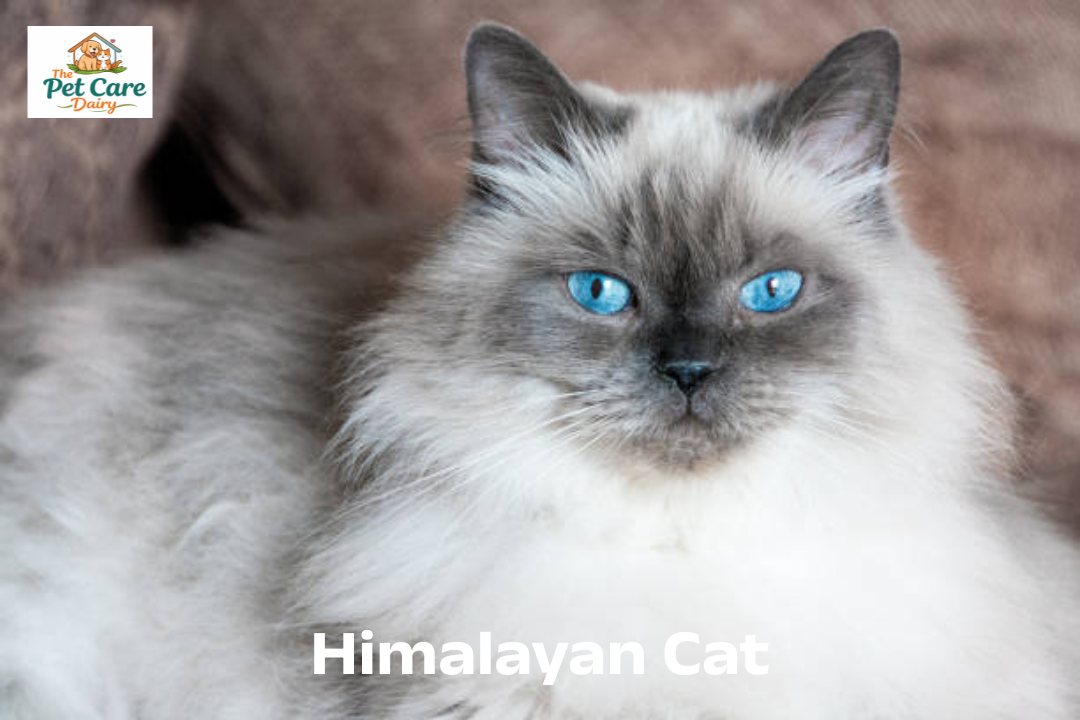
Himalayan cats need daily grooming for their beautiful coats. This shows the special dedication needed to keep these loving cats happy and healthy. The Himalayan is considered a distinct breed by many cat organizations, and is known for its high maintenance grooming requirements due to its luxurious coat. If you love their stunning look and gentle nature, our detailed guide can help. It covers everything about their care and personality.
Himalayan cats are known for their pretty blue eyes and soft fur, with the Himalayan’s coat being a defining characteristic. They weigh 7 to 12 pounds and can live up to 15 years. They love affection and are quite playful, showcasing their delightful Himalayan cat personality. Grooming them daily isn’t just a chore. It’s a great way to bond with your cat.
Knowing what Himalayan cats need, from grooming to health checks, is key to their wellness. They have been around for less than 100 years. The Himalayan is a comparatively new breed, developed by crossing Persian and Siamese cats, and has quickly become one of the most popular breeds among cat lovers. Yet, they’re already a favorite breed due to their lovely looks and friendly attitude.
Key Takeaways
Himalayan cats are high maintenance and require daily brushing to prevent matted and maintain a healthy coat.
Weighing between 7 to 12 pounds, these cats typically live up to 15 years.
They are highly affectionate, friendly with children, and moderately playful.
Health concerns include polycystic kidney disease(PKD) and respiratory issues.
The typical cost for a Himalayan cat ranges from a couple of hundred dollars to $2,500 depending on quality and lineage.
Routine veterinary check-ups are essential for early detection of health conditions like HCM and PKD.
Overview of the Himalayan Cat Breed
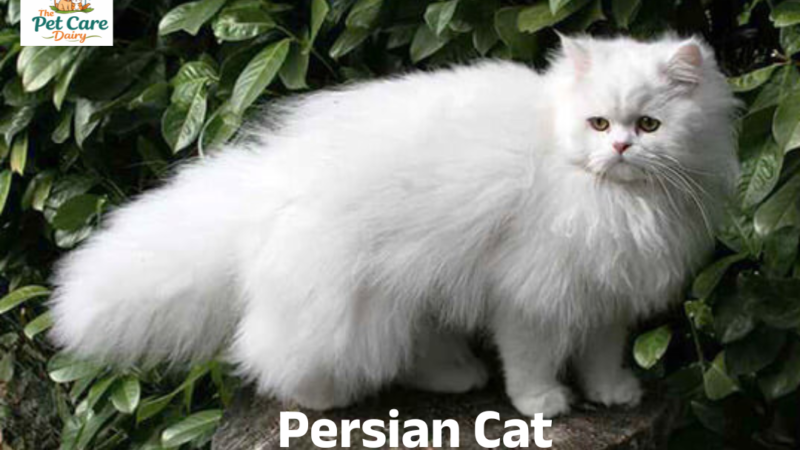
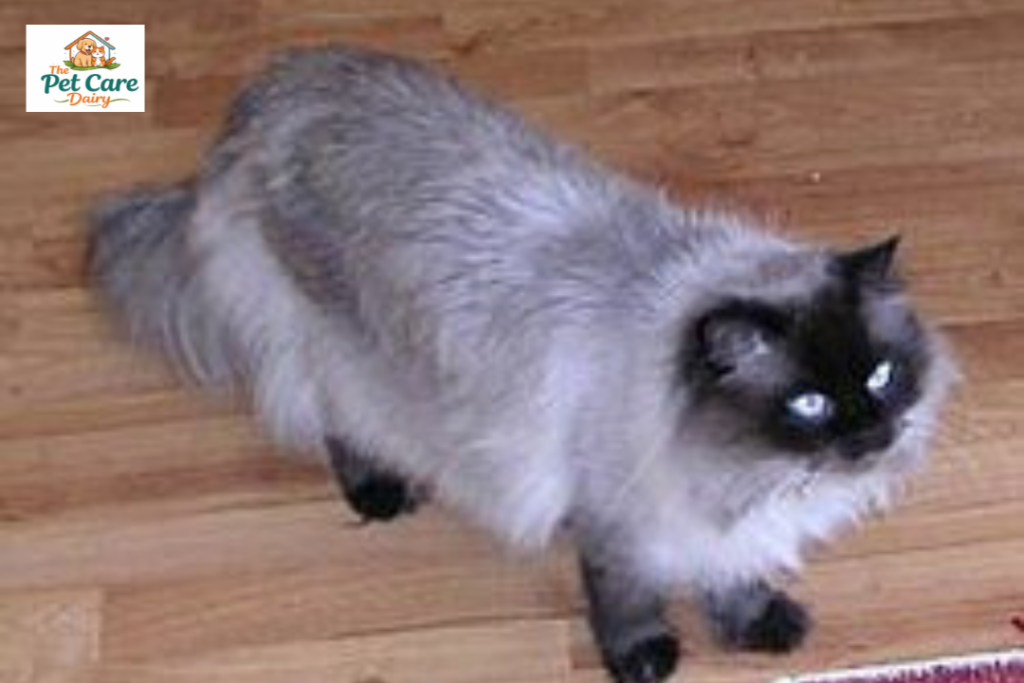
The Himalayan cat breed is known for its beautiful look, showing characteristics from Persian and Siamese cats. These cats are loved for being calm and friendly. They have unique pointed coloring on their ears, face, tail, and paws, a traits inherited from Siamese cats, while their physical features and luxurious coat are heavily influenced by Persian cats. Some cat associations recognize the Himalayan as a separate breed, while others classify it as a colorpoint Persian, highlighting ongoing debate over its status. The role of cat associations is important in breed recognition and classification, as organizations may recognize Himalayans either as a distinct breed or as a variety of Persian cats. They have unique color points and bright blue eyes.
History and Origin of the Himalayan Cat
Breeding of the Himalayan cat started around 1950. The breed was developed as a new breed through a breeding program led by breeders such as Virginia Cobb and Clyde Keeler, who pioneered the cross between Persian and Siamese cats to produce the characteristic colorpoint and long hair characteristics. British breeders played a key role in the 1950s by further developing the breed, leading to the creation of the colorpoint longhaired. By 1955, this breed got recognized as the Longhaired Colourpoint by the GCCF. In 1957, the CFA (Cat Fanciers Association) also gave it recognition. The American Cat Fanciers Association recognizes the Himalayan as a distinct breed, while the International Cat Association (TICA) officially recognizes the Himalayan as part of their Persian group, highlighting the breed’s global recognition and classification history. The breed’s history shows a mix of careful breeding and science.
Physical Characteristics of Himalayan Cats
Himalayan are medium to large with a compact body. They are wide at the shoulders and back, with a thick neck and a sturdy build. They have long, thick coats in colors like chocolate and lilac, but not mink or sepia; the coat is a long coat with silky hair, and some Himalayans exhibit tortoiseshell patterns in their color points. These cats are also known for their flat faces, big round eyes, and small, round tipped ears. Their facial structure, including their flat face, is inherited from the Persian breed and contribute to their unique appearance. These traits make them very cute but can cause health issues.
Common Health Concerns
The Himalayan breed often faces health problems. Their face shape can cause respiratory issues and eye problems. Himalayan cats are at a higher risk for certain genetic conditions, such as progressive retinal atrophic, due to their unique facial structure. A study shown Himalayans can have hip dysplasia, with 4 out of 16 having this issue. Asthma is also more common in these cats, making regular vet visits important. Despite health issues, Himalayans are known to be people-friendly, smart, and in tune with their humans, says Tica.
To keep a Himalayan cat healthy, knowing about their grooming and care is key. This guide covered everything you need to know. Did you know that their name comes from the majestic Indian Himalayas? Being conscious of their needs helps them stay healthy and happy. Routine blood work during vet visits is recommended to monitor for inherited health issues and catch potential problems early.
Knowing these breed-specific traits is important for anyone thinking about getting a Himalayan. Discover more about this breed’s history and how to care for these beautiful cats. Visit this link to learn more.
Grooming Your Himalayan Cat
Grooming your Himalayan cat is key for their beautiful coat and health. We will look at brushing techniques for long fur, cat bathing tips, and how to take care of their nails. This helps your cat stay in top shape.

Brushing Techniques for Long Fur
Himalayan cats require daily grooming to avoid knots and matting. Brushing every day removes old and loose fur. Daily brushing is essential for managing loose hair and maintaining the Himalayan’s high maintenance coat, as their long, dense fur requires consistent care. This keeps their coat clean and avoids skin problems. The Andis Standard Firm Slicker Brush is great because it can diminish shedding by up to 90%.
Use a fine-toothed comb and a de-shedding tool works best. Brushing spreads their skin’s natural oils, making their fur healthy. It also cuts down on tangling. Grooming tools made for cats make this simpler and better for your pet.
Nail Care and Ear Cleaning
If your Himalayan is not very active, they might need their nails trimmed every few weeks. If they don’t use a scratching post much, trim their nails. Be careful to cut only the white part, not the pink area.
You might need to trim their nails to stop them from getting too long. You can either have a professional do it or try it yourself. The right tools can make this simpler. Always give your Himalayan a treat after grooming to make it a nice experience.
Clean around their eyes everyday to keep gunk from building up. Regular grooming keeps your Himalayan looking good and strengthens their bond. It turns grooming into a fun time for both of you.
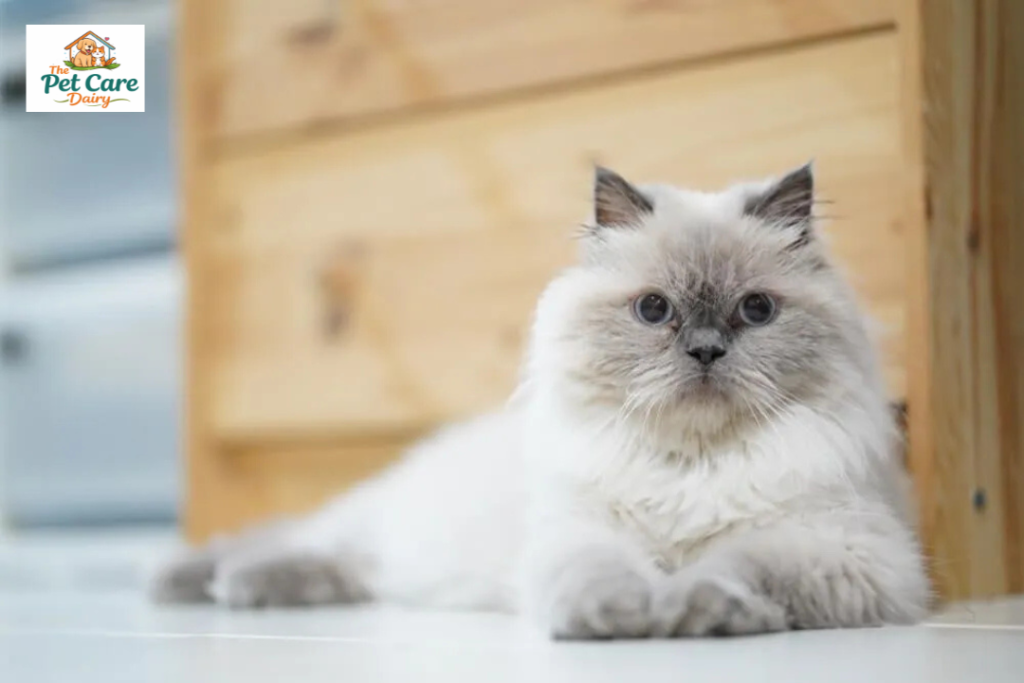
The Himalayan Cat, often called the “Himmie,” is one of the most beautiful and affectionate cat breeds in the world. Developed by crossing the Persian and Siamese breeds, the Himalayan combines the luxurious long coat of the Persian with the striking blue eyes and color-point labeling of the Siamese. These cats are known for their gentle disposition, calm nature, and strong attachment to their owners. In 2026, Himalayan cats remain a popular choice for families and cat lovers who want a relaxed, affectionate, and elegant companion.
Himalayan cats are indoor pets that thrive in a peaceful and comfortable environment. They enjoy spending time with their families and are often happiest when resting near their favorite humans. Unlike highly active breeds, Himalayans prefer a quiet lifestyle and are generally content with moderate play sessions followed by long naps. Their sweet and affectionate personality makes them excellent companions for families, seniors, and apartment residents.
One of the most important aspects of Himalayan cat care is grooming.
Their long, silky coat requires daily brushing to prevent tangles, mats, and excessive shedding. Without regular grooming, the fur can become knotted and uneasy. Daily brushing also helps reduce hairballs and keeps the coat looking clean and healthy. Many owners choose periodic professional grooming sessions to help maintain the coat, especially during seasonal shedding periods.
Eye care is another important consideration. Due to their flat facial structure, Himalayan cats frequently experience tear staining and eye discharge. Gently cleaning around the eyes each day with a soft, damp cloth can help prevent irritation and maintain hygiene. Owners should also monitor for excess tearing or signs of infection and seek veterinary advice if necessary.
Nutrition plays a key role in maintaining overall health and coat quality.
Himalayan cats benefit from a balanced diet rich in high-quality protein, healthy fat, vitamins, and minerals. Proper nutrition supports healthy skin, a glossy coat, strong muscles, and a healthy immune system. Fresh drinking water should always be available, and a combination of wet and dried food can help support hydration and dental health.
Because Himalayans are relatively calm and less active than some breeds, they can be prone to weight gain if overfed. Regular play sessions using toys, puzzle feeders, and interactive activities help maintaining a healthy weight while providing mental stimulation. Although they are not particularly vigorous, they still enjoy gentle play and companionship.
For more such pet care information, connect with us today: https://thepetcarediary.com