
The Ultimate Puppy Teething Survival Guide

Bringing home a furry addition to your family is an exciting time filled with learning and growth. Among the key phases of raising a puppy is teething, the period in a young dog’s development that marks the transition from baby to adult teeth.
During this time, you may notice your puppy displaying teething behaviors, such as excessive chewing and biting, or noticeable discomfort.
While this stage can be frustrating, understanding the teething process and knowing how to alleviate your puppy’s pain can make a world of difference.
In this guide, we’ll explore everything you need to know about puppy teething, from identifying the signs and offering the best solutions to knowing when veterinary intervention might be necessary.
By the end, you’ll have practical, vet-approved strategies to help your puppy navigate this milestone safely and comfortably.
Reviewed by multiple licensed veterinarians
Updated with the latest medical data
Compiled from veterinary researc
Understanding puppy teething
When do puppies start and stop teething?
Puppies begin teething at around 3 weeks of age, when their baby teeth emerge. By 6 to 8 weeks old, they should have a complete set of 28 baby teeth.
The real challenge begins around 12 to 16 weeks, when puppies begin losing their baby teeth to make way for their 42 adult teeth. This process is usually completed by 6 months of age. However, some puppies may experience delays or complications that require veterinary care.
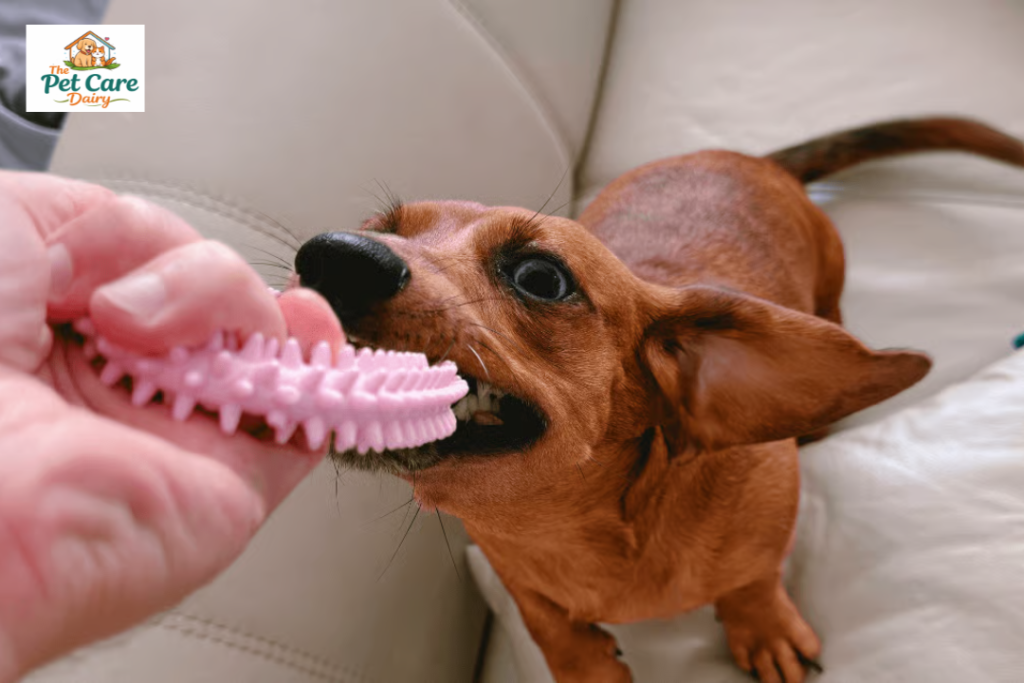
Signs your puppy is teething
Identifying the signs of teething can help you take proactive measures to manage your pup’s discomfort. Common indicators include:
Excess chewing on toys, furniture, shoes, and hands
Increased drooling
Swollen or red gums
Mild bleeding from the gums
whining or irritability
Decreased hunger due to gum sensitivity
Best puppy teething solutions
Chew toys for teething puppies
Providing suitable chew toys is one of the best ways to soothe a teething puppy. When evaluating chews, look for:
Rubber toys are durable and gentle on sore gums.
Frozen treats, such as refrigerated rubber toys or frozen carrots, can provide cooling relief.
Rope toys promote chewing while being soft enough for sensitive gums.
Safety considerations: Always choose non-toxic, vet-approved materials and avoid toys that can break into small, easy-to-swole pieces.
Home remedies for puppy teething pain
If you prefer a natural approach, trying these home remedies:
Frozen carrots are a nutritious and cooling treat.
Damp frozen washcloths are soft enough to chew while providing calming relief.
Ice cubes can help numb pain, but you should only offer them under supervision.
Training techniques to curb destructive chewing
Redirection of chewing behavior helps prevent damage to household items. Consider these techniques:
Use positive reinforcement: Praise and reward your pup when they chew on appropriate items.
Redirect their focus: When your puppy chews something they shouldn’t, swap it out with an acceptable chew toy.
Supervise playtime: Monitor playtime to ensure your puppy develops safe and productive chewing habits.
What to avoid when helping a teething puppy
Avoid these common mistakes while helping your puppy through teething:
Allowing access to harmful items: Keep electrical cords, poisonous plants, and small objects out of reach.
Scolding or punishing: Harsh punishments can frighten or confuse your puppy. Focus on redirection instead.
Giving hard bones: Puppies’ developing teeth are brittle, and hard bones can cause fractures.
The Ultimate Puppy Toothing Survival Guide helps pet owners manage one of the most challenging early stages of a puppy’s life with ease and patience. Teething usually starts around 3 to 4 months of age and continues until about 6–7 months, during which puppies experience discomfort as their baby teeth fall out and adult teeth grow in. This often leads to excessive chewing, biting, and irritability. To handle this phase effectively, it is important to provide safe and durable chew toys that help soothe sore gums and stop puppies from damaging furniture, shoes, or other household items. Chilled (not frozen) teething toys can offer extra relief and comfort.
Training plays a vital role during this period—gently redirect your puppy from biting hands or inappropriate objects toward approved toys, and reward good behavior with treats and praise. Consistency is key, as puppies learn habits rapidly at this stage. Avoid giving very hard items that could damage developing teeth. Keeping your pup mentally stimulated with playtime, short training sessions, and interactive toys helps reduce boredom and destructive chewing.
When to see a vet
Teething is a natural process that does not require interference in most cases. However, some circumstances may warrant professional attention. Consult a vet if you notice:
Retaining baby teeth that don’t fall out on schedule
Excessive bleeding from the gums
Extreme discomfort that impacts eating and drinking.
Swollen or infected gums
Professional solutions: Your veterinarian may recommend a dental check-up, safe pain relief options, or, in some cases, the extraction of stubborn baby teeth.
Setting your puppy up for success
Helping your puppy through the teething phase requires patience, consistency, and the right resources. Providing safe chew toys, using effective home remedies, and strengthening positive behaviors can help you make this developmental phase smoother for you and your furry friend.
Every puppy is different, so be attentive to their needs and adjust your approach as necessary. If you notice prolonged discomfort or unusual teething patterns, don’t hesitate to consult your veterinarian.
As a responsible pet owner, planning forward is just as important as addressing current challenges. Pet insurance can protect you against unexpected veterinary expenses and set up your puppy for a lifetime of health and happiness. Explore your options with Pawlicy Advisor today and give your puppy the best start possible.

The ultimate puppy teething survival guide focuses on proper care, patience, and safe solutions to manage your puppy’s discomfort during this natural stage. Teething usually begins around 3 to 4 months of age, when puppies begin chewing on everything to relieve gum pain. To handle this, it is important to provide safe and durable chew toys instead of allowing them to bite furniture, shoes, or hands. Always avoid giving hard or harmful objects that can harm their teeth. Keeping your puppy engaged with toys, training, and regular playtime helps reduce unwanted chewing behavior. You can also use refrigerated (not frozen) teething toys to soothe sore gums. Consistent training is essential—teach your puppy what is acceptable to chew and softly correct bad habits without harsh punishment. Additionally, ensure a balanced diet and regular veterinarian checkups to support healthy tooth development. With proper attention, love, and guidance, this teething stage can be managed smoothly, helping your puppy grow into a well-behaved and healthy dog.
Puppy toothing is a natural part of growing up, but it can be a challenging time for both puppies and their owners. Just like human babies, puppies go through a teething phase as their baby teeth fall out and adult teeth emerge. This process usually starts around 3 to 4 months of age and continues until the puppy is approximately 6 to 7 months old. During this period, puppies frequently experience discomfort, sore gums, increased chewing behavior, and occasional irritability. Understanding the teething process and knowing how to support your puppy can make this vital developmental stage much easier to manage.
The first signs of teething often include excessive chewing, drooling,
nibbling, and an increased desire to bite objects. Puppies use chewing as a way to alleviate pressure and discomfort in their gums. Unfortunately, this means furniture, shoes, clothing, electrical cords, and household items may suddenly become attractive chewing targets. Providing safe and suitable chew toys is one of the best ways to redirect this behavior and protect your belongings.
During the teething stage, puppies may also show mild changes in appetite because chewing hard food can feel uncomfortable. Some puppies prefer softened food or wet food for a brief period while their gums are sensitive. Small quantities of blood on chew toys are generally normal as baby teeth loosen and fall out. Owners may occasionally find tiny puppy teeth around the home, although many puppies simply swallow them without any issues.
Choosing the right teething toys can make a significant difference. Durable rubber chew toys, puppy-safe dental toys, and specifically designed teething products help soothe sore gums while encouraging healthy chewing habits. Some owners find that chilling a toy in the refrigerator provides additional relief. However, frozen items should be used cautiously and should not be hard enough to harm developing teeth.
Training is especially important during teething because puppies often explore the world with their mouths. Teaching bite inhibition helps puppies learn appropriate behaviors when interacting with people. If a puppy bites too hard during play, quietly stopping the interaction and redirecting attention to a toy helps reinforce good habits. Consistency and patience are essential because toothing puppies are learning how to control their bite strength.
Regular dental care should begin early in life.
Though adult teeth are still developing, introducing gentle tooth brushing and positive dental routines helps puppies become comfortable with oral care. Healthy teeth and gums support long-term dental health and can help prevent future problems.
Exercise and mental stimulation also play a major role in surviving the teething phase. Puppies with excess energy are often more likely to engage in harmful chewing. Daily walks, training sessions, puzzle toys, and interactive play help keep puppies mentally engaged and physical active. A tired puppy is generally less likely to chew inappropriate items out of boredom.
While teething is usually a normal process, owners should monitor for potential problems. Retaining baby teeth, severe pain, significant swelling, foul odors, or difficulty eating may indicate a dental issue requiring veterinary attention. Routine veterinary checkups help ensure that adult teeth are erupting properly and that oral health remains on track.
For more such pet care information, connect with us today: https://thepetcarediary.com