Persian Cat Care Guide: Nutrition, Grooming, and Daily Needs
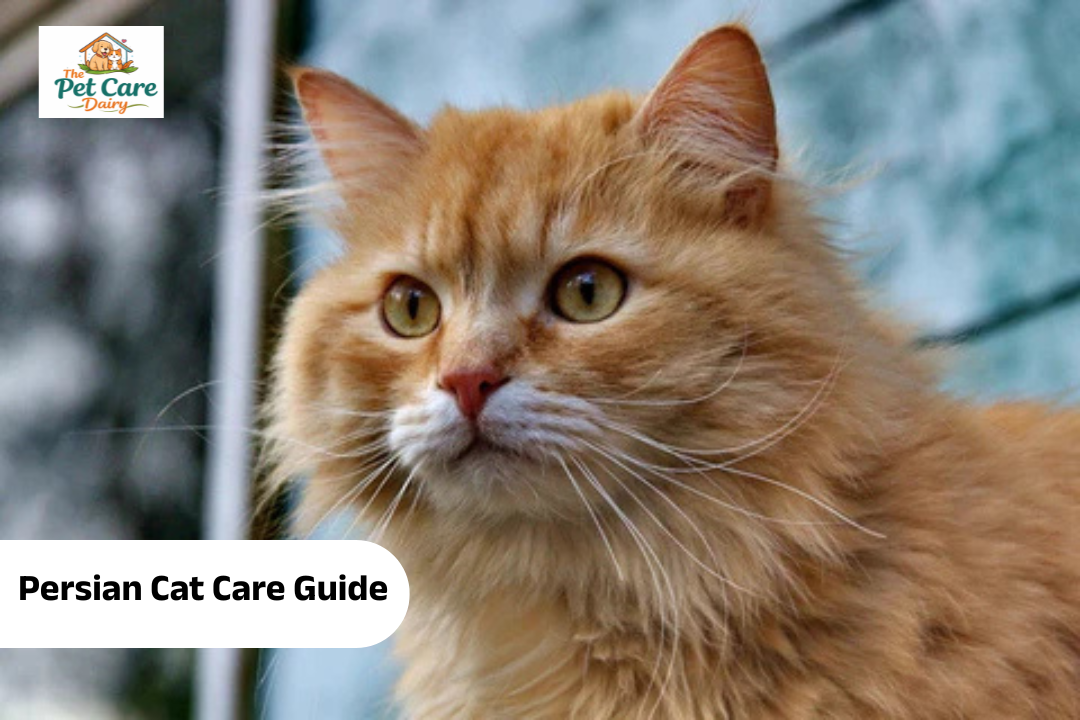
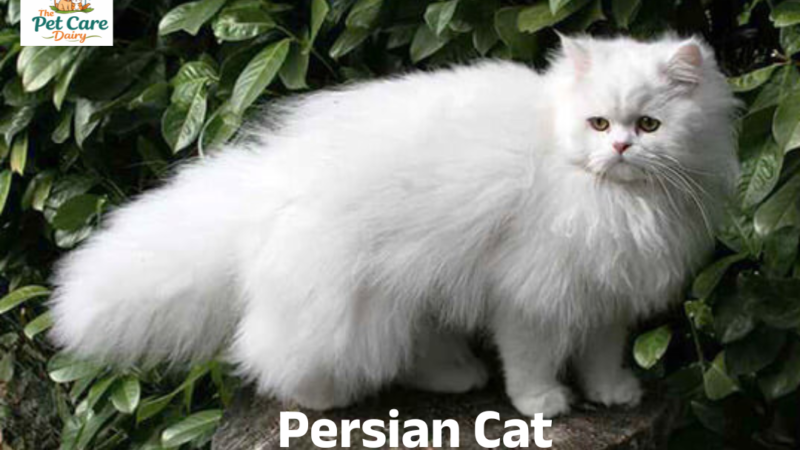
Walk into an Indian pet lover’s home, and chances are you’ll find a Persian cat lounging like royalty on the sofa. Their large round eyes, long fluffy coats, and calm nature make them one of the most popular breeds in India.
Why so popular here? Two reasons. First, their temperament fits well with urban lifestyles. They are quiet, affectionate, and not overly demanding, which suits apartment living. Second, NRIs and families often prefer them because they look “regal” and adapt well to indoor settings. In cities like Delhi, Mumbai, and Bangalore, Persian cats are often considered a status symbol too.
But owning one is not just about enjoying their beauty. These cats come with particular care needs. And if you’re in India, you must adapt their care routine to our weather, diet options, and housing styles.
Persian Cat Life Span and Age Stages
A healthy Persian cat can live 12–16 years. With proper care, some even reach 18. But the Indian climate—hot summers, high humidity, and poor ventilation in small apartments—can reduce that life span if not managed well.
Here’s a handy chart that many Indian pet parents find useful:
Cate Age -> Equivalent Human Age
1 -> 15
2 -> 24
5 -> 36
10 -> 56
15 -> 76
So if your Persian is 10 years old, consider them as a 56-year-old human. They’ll need a little more rest, softer food, and regular veterinary checkups.
Climate Note:
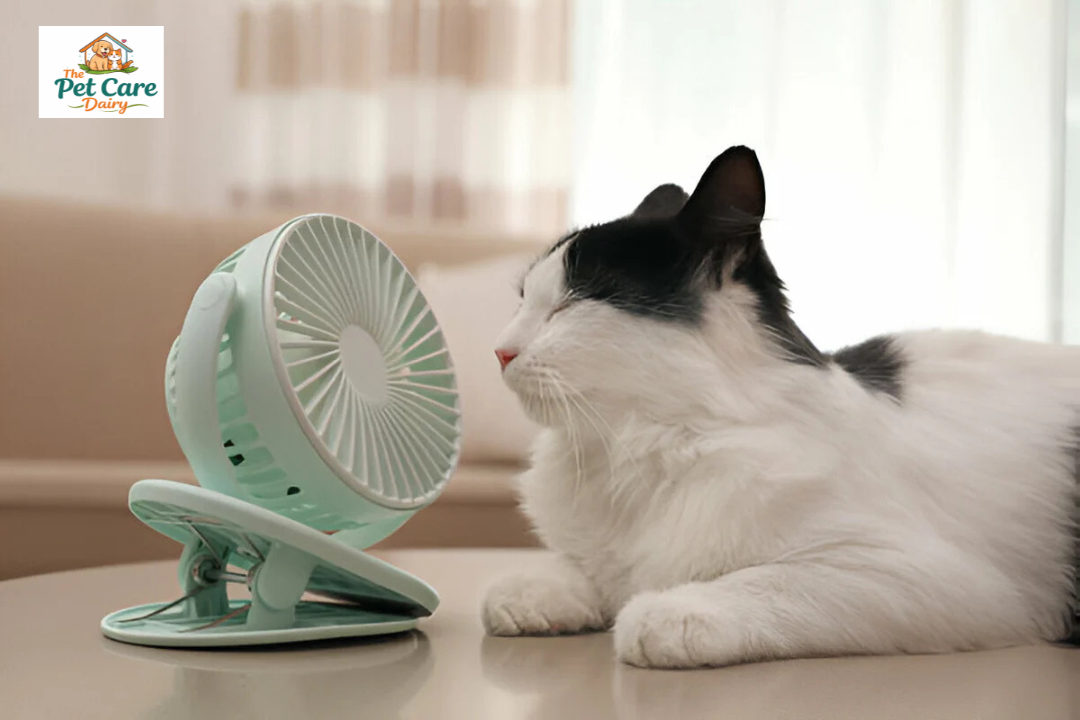
In India, keeping Persians in air-conditioned rooms during summer isn’t a luxury, it’s a necessity. Heat can stress their respiratory system and trigger infections.
Nutrition: What Should a Persian Cat Eat?
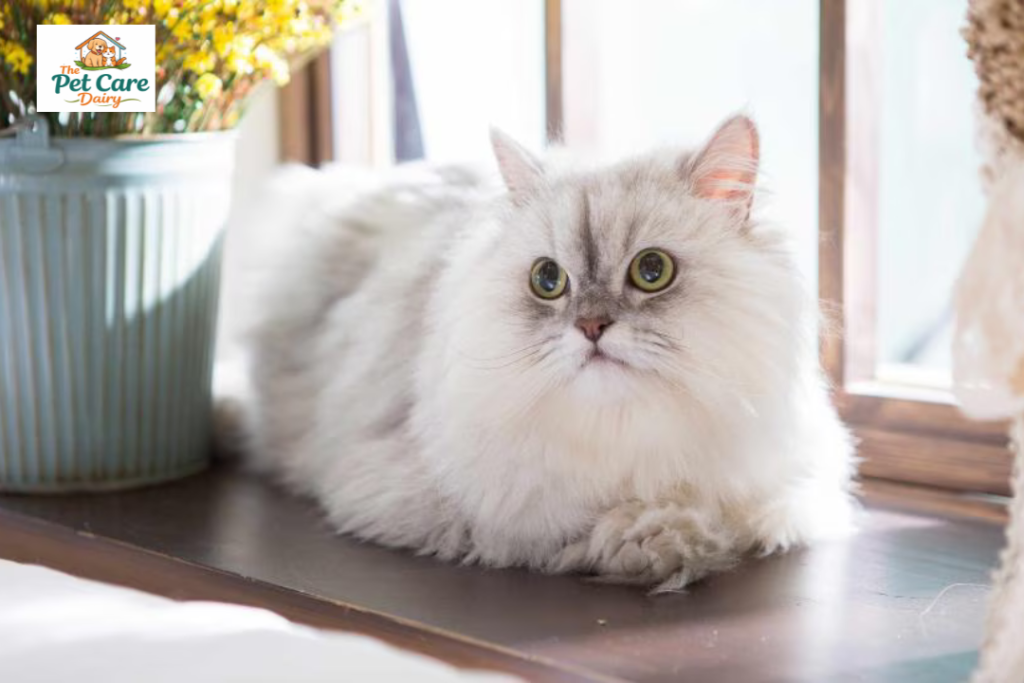
Feeding a Persian cat isn’t about filling a bowl with random kibble. Their flat faces make chewing harder, and their thick coats need a diet rich in protein and omega-3s.
Store-Bought Options
Two brands dominate in India:
Me-O Persian Kitten Food – Affordable, widely available in pet stores and online. Designed for Persian jaw structure.
Royal Canin Persian – Premium option, more expensive, but veterinarian-recommended for coat health and digestion.
Homemade Options
Many Indian pet owners also make homemade food. Good idea, but follow a few rules:
Do feed: Boiled chicken, rice in moderation, curd (for digestibility), egg whites.
Avoid: Onions, garlic, chocolate, bones, and excess milk (most cats are lactose intolerant).
A balanced plate might look like this: shredded boiled chicken, a tablespoon of plain rice, and a teaspoon of curd.
Tip: Rotate between packaged food and home-cooked meals. This keeps costs manageable while ensuring diversity.
Grooming Needs: Daily & Weekly Checklist
If you’ve always owned a Persian, you know their grooming is half the story. Miss a few days, and their coat turns into a mat that’s painful to peel off.
Here’s a daily vs weekly routine customized for Indian weather:
Daily: Brush coating for 10–15 minutes, wipe face (tear staining is common), change drinking water twice.
Weekly: Bathe with mild cat shampoo, trim nails, clean ears.
Seasonal Tip: During monsoons, dry their coat appropriately to prevent fungal infections. In summers, trim the fur slightly shorter for comfort.
Daily Routine & Exercise
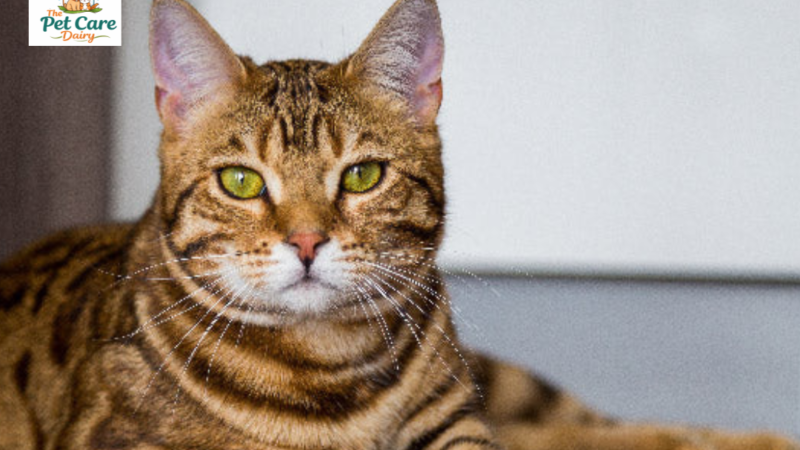
Persians are often called the “lazy cats” of the cat world. They are not climbers like Bengals or hunters like street cats. But that doesn’t mean they should lie around all day.
Here are some indoor play hacks that work well in Indian households:
Laser pointer games–Great for apartments with limited space.
Cat trees – Budget options are available online for under ₹3,000.
Homemade toys – Crumpled paper balls or cardboard boxes keep them entertained.
Ten minutes of playing twice a day is enough. The goal is to keep them active without putting stress on them.
Housing & Living Conditions
Most Persian dogs in India live indoors. That’s good because their long coats make them poor outside cats. But there are two housing types we must consider:
Apartments: Focus on ventilation. Keep fans or air-conditioning run in summer. Place litter boxes in low-traffic areas.
Villas/Independent Houses: Look out for open gardens. Persians are slow movers and cannot defend themselves well against street dogs or other cats.
Tip: If you live in a hot city like Chennai or Nagpur, invest in cooling mats or keep them in AC during peak evenings.
Health Concerns in Persian Cats
Persians are beautiful but susceptible to health issues. Awareness is your best defense.
Common Problems:
Breathing difficulties – Their flat faces cause shortness of breathing.
Polycystic Kidney Disease (PKD) – Genetic; ask breeders for health certificates.
Eye infections – Due to tear duct structure.
Fungal infections – Very common in humid Indian cities.
Regular vet visits are non-negotiable. Eleven every six months is a minimum. Vaccinations for rabies and feline panleukopenia are critical.
Persian Cat Care for NRIs
If you are an NRI leaving your Persian in India, you will face a unique challenge. Who cares for your cat while you’re abroad?
Many owners hire live-in care takers or request relatives to manage care. A few important steps:
Draft a caretaker agreement.
Add your cat’s details (diet, medical history, veterinarian contacts).
If the caretaker remains in a rented home, ensure police verification is done. Some Indian States require this.
This ensures your Persian gets consistent care and prevents disputes later.
Conclusion
Persians are not for everyone. They need time, patience, and money. If you’re looking for a low-maintenance cat, this isn’t it. But if you want a peaceful companion who brings elegance to your home, a Persian is perfect.
Before purchasing, visit shelters. Adoption is kinder and often healthier. And always, always consult a veterinarian before changing diet or routine.
Persian cats require a high-quality, balanced diet rich in protein, along with fresh water to support their general well-being and coat health. Due to their thick and luxurious fur, daily grooming is essential to prevent tangles, matted, and hairballs—regular brushing helps keep their coat smooth and clean. Special attention should also be given to their eyes, as Persian cats are susceptible to tear staining, so gentle daily cleaning is recommended.
Persian cats prefer a calm and comfortable indoor environment, as they are less active compared to other breeds.
The Persian cat is one of the most elegant and beloved cat breeds in the world. Known for its luxurious long coat, round face, large expressive eyes, and cool personality, the Persian has been a favorite among cat lovers for generations. In 2026, Persian cats continue to be popular due to their affectionate nature, gentle temperament, and suitability for indoor living. However, their beautiful appearance comes with unique care requirements that every owner should understand. Appropriate grooming, nutrition, healthcare, and environmental management are essential to keeping a Persian cat healthy and comfortable throughout its life.
One of the most distinctive features of a Persian cat is its long, thick coat.
While lovely, this coat requires regular maintenance to prevent tangles, mats, and skin problems. Daily brushing is highly recommended to remove loose fur and keep the coat smooth and healthy. Neglecting grooming can lead to painful matting that may require professional interference. Many Persian cat owners also schedule regular professional grooming sessions to help maintain coat quality and minimize shedding.
Nutrition plays a vital role in maintaining a Persian cat’s overall health. A high-quality diet rich in animal protein, healthy fat, vitamins, and minerals helps support skin health, coat condition, muscle development, and immune function. Because Persians are generally less active than some other breeds, portion control is important to prevent weight gain. Fresh drinking water should always be available, and many owners combine wet and dry food to support hydration and general wellness.
Persian cats are known for their calm and relaxed personalities. They enjoy peaceful environments and frequently prefer lounging comfortably near their owners rather than engaging in highly energetic activities. Although they are not as active as breeds like Bengals or Siamese cats, Persians still benefit from daily play sessions and mental stimulation. Interactive toys, puzzle feeders, and gentle play help keep them physically and mentally healthy while avoiding boredom.
Eye care is particularly important for Persian cats.
Due to their flat facial structure, many Persians experience excessive tearing, which can cause tear spots and irritation around the eyes. Daily cleaning with a soft, damp cloth can help keep the eye area clean and comfortable. Regular monitoring also helps detect possible infections or other eye-related issues early.
Dental health should not be overlooked. Persian cats can be prone to dental problems if oral hygiene is neglected. Regular tooth brushing, dental treats, and professional veterinary dental cleanings can help prevent plaque buildup, gum disease, and tooth loss. Maintaining good dental health contributes significantly to overall well-being and quality of life.
Regular veterinary care is essential for Persian cats. Annual wellness exams, vaccinations, parasite prevention, and health screenings help identify medical concerns before they become serious. Persian cats may be prone to certain hereditary conditions, including polycystic kidney disease (PKD), breathing difficulties related to their facial structure, and eye disorders. Responsible preventive healthcare and routine veterinary monitoring are key to managing these risks.
For more such pet care information, connect with us today: https://thepetcarediary.com