Luna Cat Care Guide in 2026
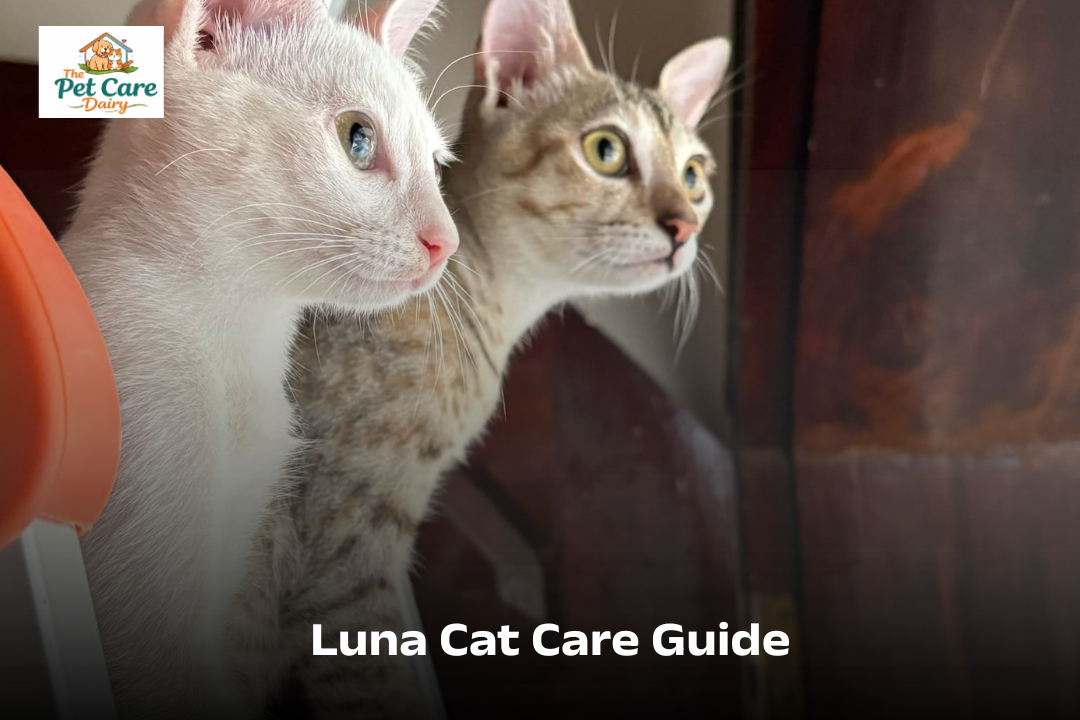
“Luna” is one of the most popular cat names worldwide, often chosen for gentle, beautiful, and mysterious cats. Whether your Luna is a playful kitten or a quiet adult cat, proper care is essential to ensure she lives a long, healthy, and happy life. Cat care is not only about feeding—it includes nutrition, grooming, emotional well-being, health monitoring, and creating a safe environment.
Creating a Safe & Comfortable Environment
Luna needs a secure indoor environment where she feels safe and relaxed. Cats are territorial creatures, and having their own space is important. Provide a soft bed, scratching posts, climbing areas, and hiding spots. Window perches are ideal because many cats love observing the outdoors. If Luna is a kitten, make sure your home is kitten-proofed—remove toxic plants, small objects, loose wires, and anything she could chew or swallow.
Nutrition & Feeding
A balanced diet is the basis of Luna’s health. Cats are compulsory carnivores, meaning they require animal-based protein. Choose high-quality cat food where real meat is the first ingredient. Wet food helps maintain hydration, especially because many cats do not drink enough water naturally. Most adult cats do well with two measured foods per day. Avoid free-feeding large bowls of food all day, as it may cause obesity. Always provide fresh, clean water.
For kits, feed smaller portions more frequently—usually three to four meals daily. Senior cats may require special diets for renal or joint support. Consult your veterinary surgeon for personalized nutritional advice.
Grooming & Hygiene
Even short-haired cats named Luna require regular grooming. Weekly brushing removes loose hair, reduces shedding, and prevents hairballs. Long-haired Lunas need blow drying several times a week to prevent matting. Trim nails every 2–3 weeks and clean ears gently if needed. Dental care is extremely important— brushing teeth or using vet-approved dental treatments helps prevent gum disease.
Health & Veterinary Care
Regular vet visits are essential. Vaccinations, parasite prevention, and annual health checkups help detect issues early. Watch for signs such as loss of appetite, sudden weight changes, excessive grooming, hiding behavior, or litter box problems. These may indicate underlying health concerns. Spaying or neutralizing is recommended unless breeding is planned.
Mental & Emotional Well-Being
Cats need mental stimulation to stay happy. Interactive toys, puzzle feeders, laser play, and everyday bonding time keep Luna active and engaged. Spend at least 20–30 minutes daily playing with her. Cats form strong bonds with their owners, and emotional bond is just as important as physical care. Sudden changes in routine can stress cats, so maintaining consistency.
Special Care for Sensitive Cats
Many cats named Luna are calm and loving but can also be sensitive. Provide a quiet space during loud events such as fireworks or gatherings. Respect your personal space and never force interaction.
Understanding Luna’s Behavior
Cats communicate differently than dogs. While dogs may wag their tails when happy, Luna may express contentment through slow blinking, gentle purring, gentle head-butts, or relaxed body posture. Quick, flicking tail movements usually signal irritation. Learning Luna’s individual language builds confidence and strengthens your bond. Never punish or shout — cats respond best to calm, consistent guidance.
Luna is also probable to have territorial instincts. She could rub her cheeks against furniture, doors, or her legs to mark her scent and claim her space. Respect her choice of favorite spots, but gently redirect unwanted behavior (like scratching furniture) to acceptable outlets like scratching posts or boards.
Advanced Mental Enrichment
Mental stimulation is as vital as physical activity. Boredom can lead to behavioral problems such as excessive grooming, food begging, or nighttime restlessness.
Here are ways to enrich his day:
- Puzzle Feeders: Slow down your eating and challenge your brain.
- Hide-and-Seek Treat Games: Place treats around the house so you have to “hunt” them.
- Cat TV / Window Views: A secure perch near a window provides hours of entertainment.
- Clicker & Trick Training: Yes — cats can learn tricks!
- Rotate Toys Weekly: Keeps old toys new and exciting.
Cats retain play interest longer when games mimic hunting behavior — short bursts of fast action followed by a treat reward.
Daily Routine and Sleep Needs
Cats are crepuscular — most active at dawn and dusk. Luna may have energy peaks early morning and afternoon, so schedule play sessions accordingly. Adult cats sleep 12–16 hours a day; kittens and older people even more. Respect her naps and avoid waking her abruptly.
Establishing a routine (feeding, playtime, grooming) gives Luna a sense of safety and reduces anxiety.
Recognizing Subtle Health Signals
Luna can’t speak, but her body reveals a lot:
- Appetite Changes: Sudden increase or decrease can signal issues.
- Litter Box Habits: Straining, frequent small quantities, or avoidance may indicate urinary issues.
- Coat Condition: Dull, greasy, or patchy fur may suggest skin or internal problems.
- Eye&Nose Discharge: Clear is normal; colored discharge could be infection.
- Drooling or Bad Breath: Not normal—dental check needed.
A sudden change in behavior is often the first sign of distress or illness.
Seasonal & Environmental Care
Summer:
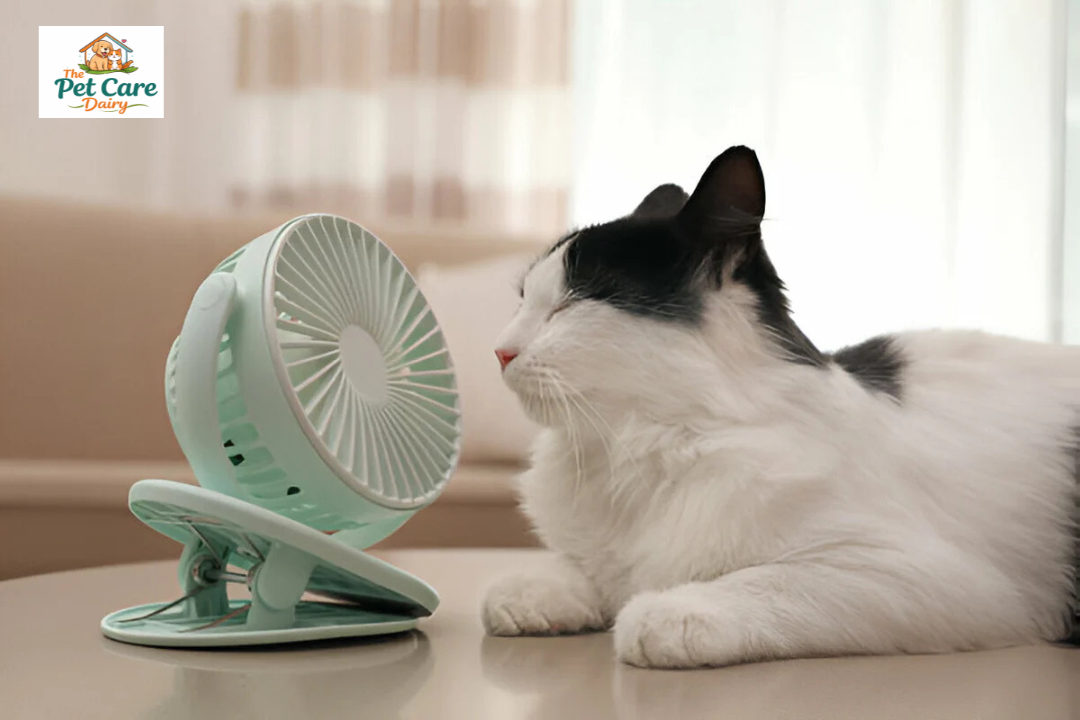
Keep Luna cool; warm tiles, shady spots, and constant fresh water. Never leave her in parked cars.
Winter:
Hairless breeds or short-haired Moon may need sweaters on cold days.
Monsoon/High Humidity:
Dry her fur quickly after getting moist to prevent fungal infections.
Indoor air fresheners, sprays, and some essential oils can be poisonous to cats — avoid these around Luna.
Socialization & Multiple-Pet Households
If Luna shares her home with another cat or dog, slow intros matter:
- Separate spaces initially
- Scent swapping (exchanging bedding before first meeting)
•Controlled short interactions - Treats/Positive reinforcement during introductions
This decreases stress and helps them form positive memories.
The Luna Cat Care Guide focuses on providing loving, balanced, and consistent care for your cat, whether “Luna” is a kitten or an adult companion. Proper nutrition is essential—feed high-quality cat food suited to age and activity level, and always provide fresh, clean water. Maintaining cleanliness is equally important, including regular litter box cleaning, occasional grooming or brushing, and keeping the living environment neat and safe.
Daily playtime and mental stimulation help keep Luna active, happy, and stress-free, using toys, scratching positions, and interactive games. Regular veterinary checkups, vaccinations, and parasite control ensure long-term health and prevent common ailments. Cats also need a calm and comfortable space to rest, so providing a cozy bed or quiet corner is beneficial. Most importantly, giving your cat attention, affection, and a steady routine helps build a strong emotional bond. With proper care, patience, and love, Luna can live a healthy, joyful, and fulfilling life as a loved member of your family.
Luna is one of the most popular names for cats around the world, often associated with beauty, curiosity, intelligence, and a gentle personality. Whether your Luna is a playful kitten, an energetic adult, or a elegant senior cat, providing the right care is essential for her overall health and happiness. In 2026, cat care has become more advanced than ever, with a strong focus on preventive healthcare, personalized nutrition, mental enrichment, and modern pet technology. Understanding these facets of care can help ensure that Luna enjoys a long, healthy, and fulfilling life as a beloved member of your family.
Nutrition is the foundation of Luna’s well-being. Cats are obligate carnivores, which means they require animal-based proteins to thrive. A high-quality diet rich in protein, healthy fats, vitamins, and minerals supports muscle development, immune function, healthy skin, and a glossy coat. In 2026, many pet owners are choosing premium cat foods tailored to their cat’s age, activity level, and specific health needs. Kittens require nutrient-dense formulas to support growth, while adult cats need balanced nourishment for maintenance and energy. Senior cats often benefit from specialized diets that support joint health, kidney function, and healthy aging.
Hydration is equally important for feline health.
Cats inherently tend to drink less water than many other animals, which can increase the risk of urinary tract and kidney issues. Providing fresh, clean water every day is essential. Many cat owners now use pet water fountains, which promote drinking by keeping water moving and fresh. Combination wet food with dry food can also help increase moisture intake and support overall hydration.
Routine veterinary care plays a major role in keeping Luna healthy. Annual wellness examinations, vaccinations, dental checkups, parasite prevention, and health screenings help identify potential problems before they become serious. Conditions such as obesity, kidney disease, diabetes, thyroid disorders, and dental disease are common amongst cats and can often be managed more successfully when detected early. Preventive care remains one of the most effective methods to improve a cat’s quality of life and longevity.
Mental stimulation is a crucial part of modern feline care. Cats are naturally curious and intelligent creatures that need opportunities to explore, hunt, and play. Interactive toys, puzzle feeders, scratching posts, climbing trees, and window perches provide valuable richness while satisfying natural instincts. Daily play sessions not only keep Luna physically active but also strengthen the bond between pet and owner. A mentally stimulated cat is generally happy, more confident, and less likely to develop behavioral problems.
For more such pet care information, connect with us today: https://thepetcarediary.com