Pet Health Guide 2026: Essential Care for a Happy and Healthy Companion
Pet health is one of the most important responsibilities of any pet owner. Whether you have a dog, cat, or small animal, maintaining proper health care ensures a longer, happy, and more active life for your companion. In 2026, pet health is no longer confined to treating illness—it focuses heavily on preventive care, balanced nutrition, mental wellness, and regular monitoring.
The foundation of good pet health begins with proper nutrition.
Pets require species- appropriate diets rich in high-quality proteins, essential vitamins, healthy fats, and controlled carbohydrates. Dogs and cats have different dietary needs, so feeding the right formula based on age, size, and activity level is vital. Overfeeding or poor-quality food can lead to obesity, diabetes, joint issues, and heart problems. Fresh water should always be available, as hydration supports kidney function and overall vitality.
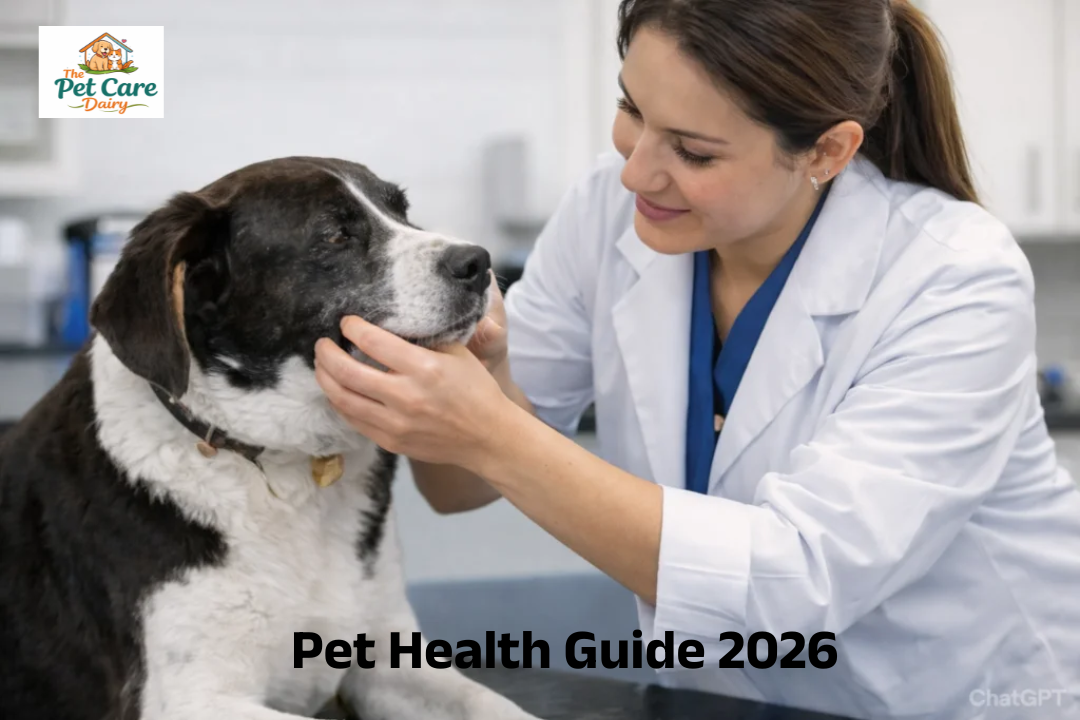
Preventive veterinary care plays a central role in modern pet health management. Annual checkups help detect early symptoms of disease before symptoms become serious. Vaccination protect pets from life-threatening infections, while parasite prevention (fleas, ticks, and worms) reduces health risks. For senior pets, biennial checkups and blood tests are often recommended to monitor organ function and detect age-related conditions early.

Dental health is another critical but often overlooked aspect of pet care. Poor oral hygiene can lead to gum disease, infection, and even organ damage if bacteria enter the bloodstream. Regular teeth brushing, dental chews, and professional cleanings help maintain strong teeth and fresh breath. Dental care significantly enhances the overall quality of life.
Exercise and physical activity are essential for maintaining healthy body weight and avoiding behavioral problems. Dogs require daily walks and playtime, while cats benefit from interactive toys and climbing structures. Regular movement improves cardiovascular health, strengthen muscles, and reduces stress.
Mental health has become a major focus in 2026.
Pets can experience anxiety, boredom, and depression if not appropriately stimulated. Environmental enrichment, structured routines, and social interaction keep pets emotionally balanced. For dogs, obedience training and outdoor exploring provide mental stimulation. For cats, vertical spaces, scratching posts, and puzzle feeders promote natural behaviors.
Monitoring your pet at home is equally important. Changes in hunger, energy levels, grooming habits, or litter box behavior may indicate underlying health issues. Early recognition of symptoms such as vomiting, diarrhea, limping, excessive scratching, or abnormal weight changes should prompt veterinary consultation.
Spaying and neutering also contribute to long-term health benefits. These procedures reduce the risk of certain cancers and help manage behavior concerns. Additionally, pet insurance has become increasing popular, helping owners manage unexpected medical expenses and access advanced treatments.
In modern pet care, technology plays a supportive role. Smart collars and health-tracking devices help monitor activity levels, sleep patterns, and calorie burning. Tele-veterinary consultations provide quickly access to professional advice, especially for minor concerns.
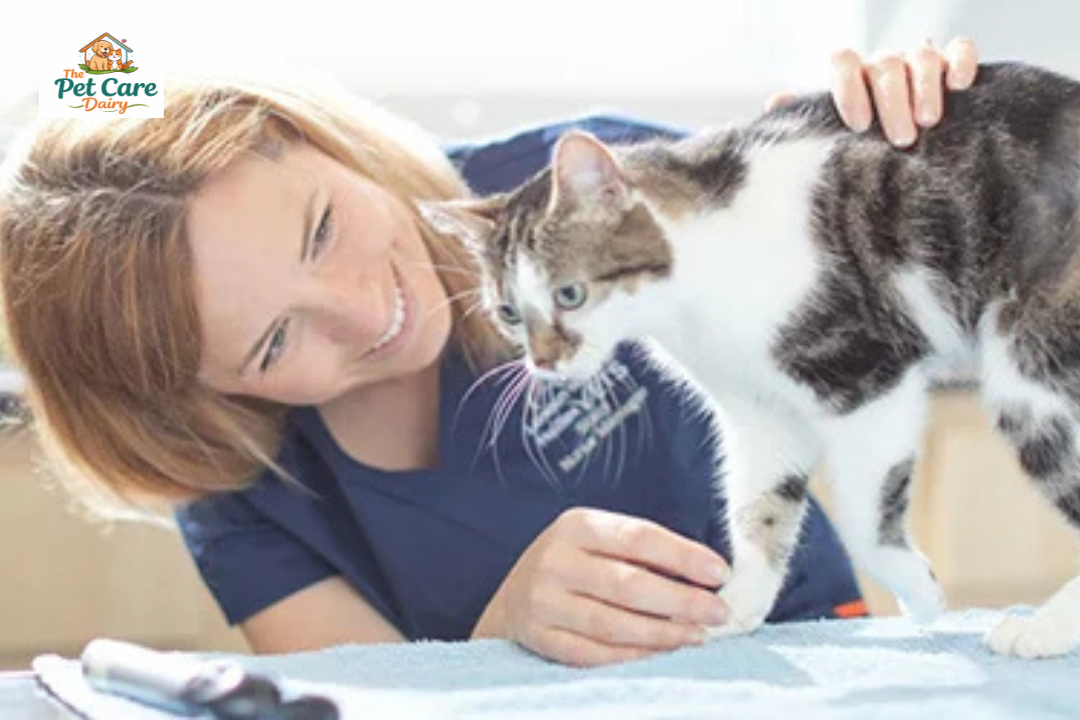
Grooming supports both hygiene and health. Regular brushing prevents matting and skin issues, while nail trimming avoids discomfort and joint strain. Cleaning ears and eyes reduces infection risk. Grooming sessions also provide an opportunity to check for lumps, skin irregularities, or parasites.
Ultimately, pet health is about creating a balanced lifestyle that includes nourishment, preventive care, exercise, mental stimulation, and love. A healthy pet is energetic, alert, affectionate, and maintains a stable weight with a glossy coat and bright eyes.
Advanced Preventive Pet Health Care in 2026
In 2026, preventive care has become the backbone of responsible pet ownership. Rather than waiting for visible symptoms, pet parents are focusing on early detection and proactive management. Regular wellness screenings now include blood tests, urine analysis, weight monitoring, and organ function assessment. Early identification of conditions such as kidney disease, diabetes, arthritis, and thyroid imbalance significantly increases treatment success rates. Preventive care reduces long-term medical expenses and ensures pets live longer, healthier lives.
Veterinarians also emphasize parasite prevention as a year-round necessity. Fleas, ticks, heartworms, and intestinal worms can cause severe health complications if left untreated. Monthly preventive medications and regular fecal tests help protect pets from hidden infections that may not show immediate symptoms.
Nutrition as Medicine
Modern veterinary science increasingly recognizes nutrition as a form of preventive medicine. Specialized diets now support specific health needs such as joint care, digestive health, urine balance, skin conditions, and weight management. Functional ingredients like omega-3 fatty acids, probiotics, glucosamine, taurine, and antioxidants are added to improve immunity and reduce swelling.
Portion control is critical. Obesity remains one of the most common avoidable health issues in pets. Excess weight puts pressure on joints, increases heart strain, and increases the risk of diabetes. Measuring food accurately and adjusting calorie intake based upon activity level can prevent many chronic diseases.
Mental Health & Emotional Stability
Pet health is not only physical—it includes emotional well-being. Pets can suffer from anxiety, depression, and behavior stress. Sudden changes in environment, lack of stimulation, or loneliness can negatively influence overall health. Dogs may develop destructive chewing or excessive barking, while cats may over-groom or hide.
Daily enrichment activities are essential. For dogs, interactive training sessions, outdoor walks, and socializing provide mental engagement. For cats, climbing structures, scratching positions, and puzzle toys stimulate natural instincts. A mentally healthy pet is calmer, more confident, and less prone to illness.
Exercise & Mobility Care
Regular exercise keeps muscles strong and joints flexible. Dogs require structured walks or playtime depending on breed and energy level. Active breeds may need up to two hours of daily activity, while lesser breeds require moderate exercise.
Cats benefit from short, energetic play sessions that imitate hunting behavior. Laser toys, feather wands, and treat puzzles keep them active indoors. Senior pets may need gentle exercise coupled with joint-support supplements to maintain mobility and prevent stiffness.
Importance of Dental & Oral Hygiene
Dental disease is one of the most overlooked aspects of pet health. Bacteria buildup can lead to gum infections, tooth loss, and even heart or kidney complications. Brushing teeth several times per week, offering dental chews, and scheduling professional cleanings when recommended can prevent severe complications.
Bad breath, drooling, and difficulty eating are warning signs that require veterinarian attention.
Senior Pet Health Care
As pets age, their needs change significantly. Senior pets (usually 7+ years) require more frequent health assessments. Blood work becomes necessary to monitor organ function. Cognitive decline, arthritis, and vision changes are common in older pets.
Providing orthopedic bedding, easier access to litter boxes or outdoor areas, and softer food choices can improve comfort. Early management of age-related conditions helps maintain quality of life.

Technology & Modern Pet Monitoring
Technology is playing a growing role in pet health. Smart collars now track activity levels, sleep patterns, and even heart rate. Mobile apps allow pet owners to schedule vaccinations, track feeding regimens, and consult veterinarians virtually.
Tele-veterinary services have expanded, allowing quickly consultations for minor health concerns. While not a replacement for physical examinations, remote consultations improve access to professional guidance.
In 2026, pet health is about much more than treating illnesses when they occur. Modern pet care focuses on prevention, wellness, nutrition, mental stimulation, and creating a healthy lifestyle that allows pets to flourish throughout every stage of life. Whether you share your home with a dog, cat, or another beloved companion, understanding the foundations of pet health can significantly improve their quality of life and help them live longer, happier lives. As veterinarian medicine and pet wellness continue to advance, pet parents have more opportunities than ever to support their animals’ physical, mental, and emotional well-being.
Proper nutrition remains the cornerstone of good health.
Every pet requires a balanced diet that provides essential proteins, healthy fats, vitamins, minerals, and nutrients suitable for their age, breed, size, and activity level. High-quality nutrition supports healthy growth, strong muscles, a healthy immune system, and optimized energy levels. In 2026, many pet owners are choosing personalized nutrition plans tailored to their pet’s specific needs, helping to prevent obesity, digestive issues, and other common health concerns. Fresh drinking water should always be available, as proper hydration plays a vital role in supporting digestion, circulation, kidney function, and overall wellness.
Preventive veterinary care is one of the most effective ways to protect a pet’s long-term health. Routine wellness exams, vaccinations, dental checkups, parasite prevention, and health screenings allow veterinarians to identify potential issues before they become serious. Early detection can significantly improve treatment outcomes and decrease the risk of chronic diseases. Regular veterinary visits also provide an opportunity to discuss nutrition, behavior, exercise, and any changes in your pet’s condition.
Physical activity is essential for maintaining a healthy body and mind. Dogs benefit from daily walks, playtime, training sessions, and outdoor adventures, while cats enjoy climbing, exploring, pursuing toys, and engaging in hunting-style games. Regular exercise helps maintain a healthy weight, supports cardiovascular health, strengthens muscles and joints, and reduces stress. Pets that remain physically active are often healthy, happier, and less likely to develop behavioral problems.
Mental stimulation is becoming an increasingly important part of pet healthcare. Animals need opportunities to learn, explore, and engage their natural instincts. Interactive toys, puzzle feeders, scent games, training exercises, and environmental richness help prevent boredom while supporting cognitive health. Mental wellness is closely connected to physical health, and providing enriching experiences can improve overall quality of life.
Maintaining a healthy weight is another critical aspect of pet care. Obesity is one of the most common health issues affecting pets worldwide and can contribute to diabetes, arthritis, heart disease, and diminished mobility. Monitoring portion sizes, choosing appropriate diets, and encouraging regular exercise can help pets maintain an ideal body condition throughout their lives.
For more such pet care information, connect with us today: https://thepetcarediary.com