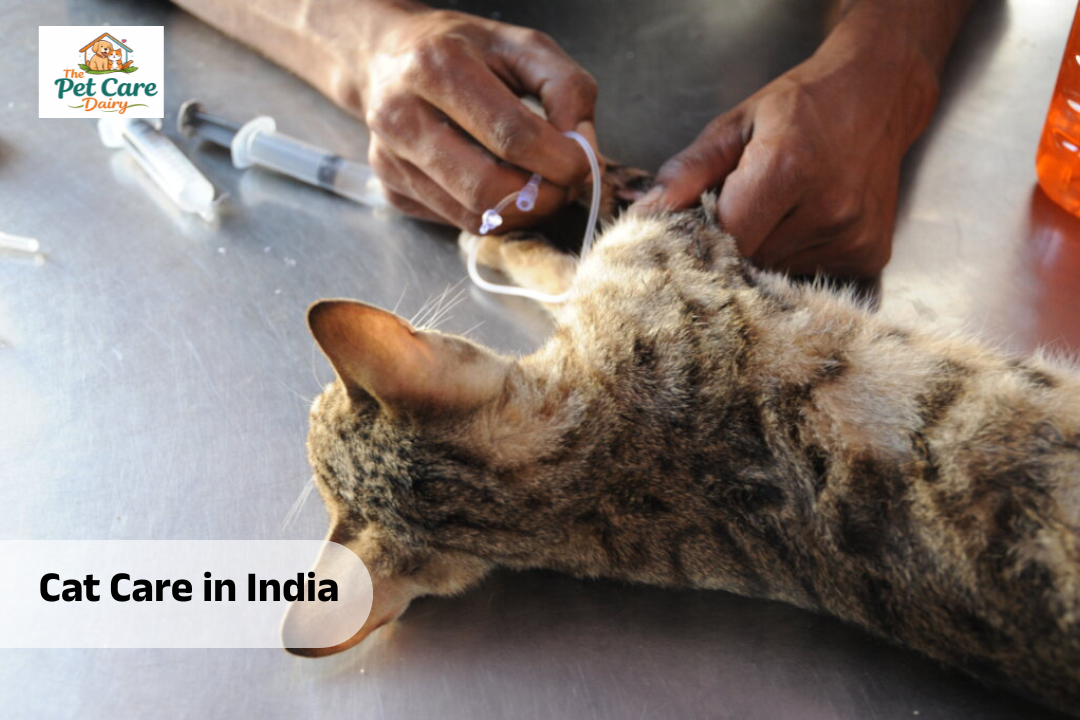
Cat care in India requires special attention to diet, health, climate-specific needs, and regular monitoring to ensure your feminine companion lives a long and comfortable life. Cats have become increasingly popular in Indian households in recent years, with many urban pet parents treating them as family members and investing time and resources into their well being. According to recent reports, pet ownership in India has grown significantly, partly due to changing family structures and lifestyle patterns in cities — with cats frequently filling emotional roles once held by children or other family members.
Nutrition and Diet
One of the most important facets of cat care in India is feeding your pet a balanced and species-appropriate diet. Cats are obligate carnivores, meaning they need high-quality proteins derived from meat, fish, or poultry to thrive. Choose premium cat food that meets essential nutrient requirements, including proteins, healthy fats, vitamins, minerals, and fiber to support digestion and general health.
Many Indian cat owners mix commercial wet and dry food with occasional homemade meals like boiled chicken or fish, ensuring balance and diversity. Home-cooked food with added supplements can also be nourishing if done carefully, especially for growth and energy. Just avoid foods that are toxic to cats, such as chocolate, onions, garlic, and milk, as many cats are lactose-intolerant.
Climate-Aware Care
India’s varied climate—from scorching summers to humid monsoons—influences cat care practices. During hot months, keep your cat indoors with good ventilation and cool resting spots to prevent heat stress. You can provide cooling mats or moist towels for relief from high temperatures.
The monsoon season also presents challenges, as humidity and wet conditions increase the risk of skin infections, tick and flea invasions, and respiratory issues. Keep your cat dry after outdoor exposure, and regularly groom and check paws to prevent infections.
Regular Health & Vet Care
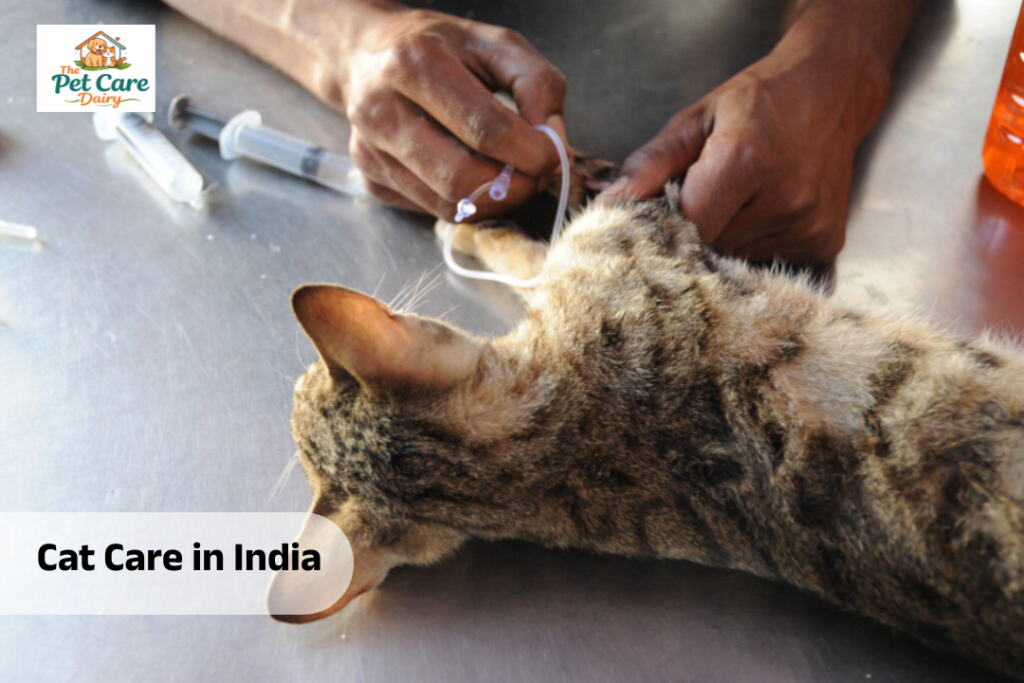
Regular veterinary checkups are essential in India just as anywhere else. Annual checkups can help identify health issues early, including dental disease, kidney problems, and infections. Vaccinations, deworming, and parasite control should follow your vet’s recommendations. Many clinics throughout major Indian cities offer specialized care for cats, including disease screening and grooming services.
Cats may be prone to certain severe health issues, such as Feline Infectious Peritonitis (FIP) — a condition some Indian pet parents now seek expert treatment and guidance for. Having access to vetted treatments and veterinarians who understand advanced feline conditions is important for early diagnosis and care.
Grooming and Hygiene
Even though cats naturally grooming themselves, regular hands-on grooming helps maintain a healthy coat and reduce hairballs, especially during heavy shedding seasons. Regular brushing helps remove loose fur, prevent tangles, and allow you to spot skin issues early.
Bathing cats is seldom needed, as excessive baths can strip natural oils and cause skin dryness — only bathe when necessary, using cat-specific shampoos. Keeping the litter box clean is also vital in India’s hot and humid climate. Scoop the box daily and change litter often to prevent odors and health issues.
Behaviour, Safety & Mental Well-Being
Cats often enjoy exploring, but in India, letting cats wander outdoors carries significant risks due to heavy traffic and roaming animals like street dogs. Indoors or supervised outdoor time is generally safer and reduces chances of accidents or attacks. Pets permitted outside unsupervised face risks that can affect health and safety.
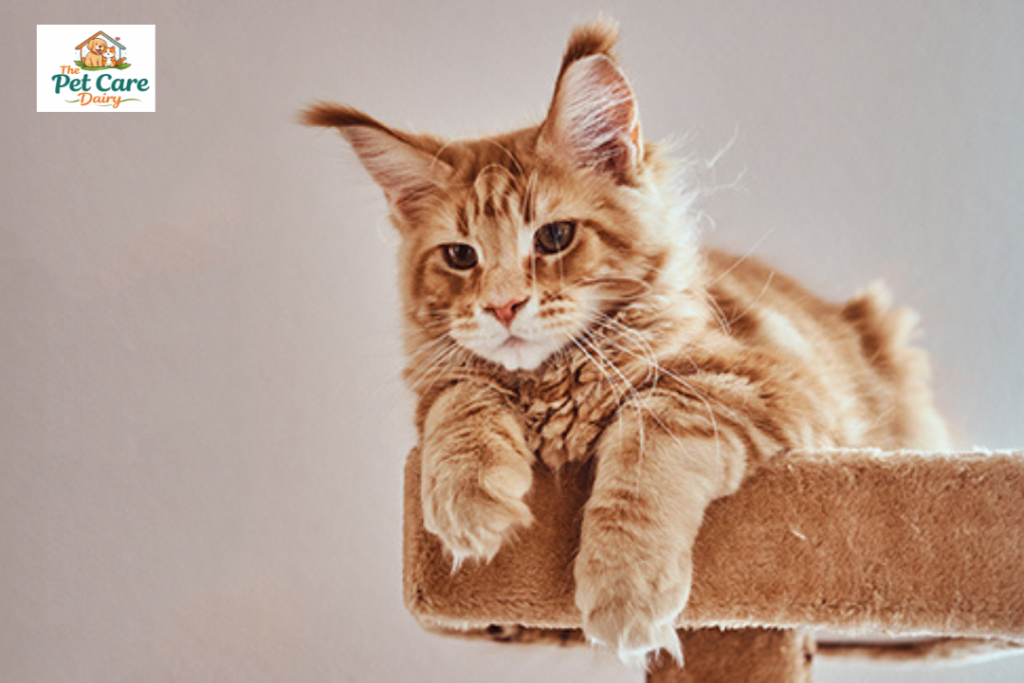
Providing enrichment — such as scratching posts, window perches, and interactive toys — helps keep your cat mentally stimulated, preventing boredom and unwanted behaviors. Daily play sessions also strengthen the bond between you and your cat.
Whiskers are sensory organs that help cats navigate space; they should never be cut, as it can cause stress and disorientation.
Kitten and Senior Cat Care
Kittens have unique needs that include higher protein, frequent feeding, socialisation, and early vaccinations. A good kitten care routine includes nutrition tailored for growth, early behavior training, and close health monitoring as they mature.
Senior cats require gentle care and may benefit from diets designed for aging pets, joint support, and more frequent veterinarian checkups to monitor changes in organ function or activity levels.
Feeding Practices in Indian Homes
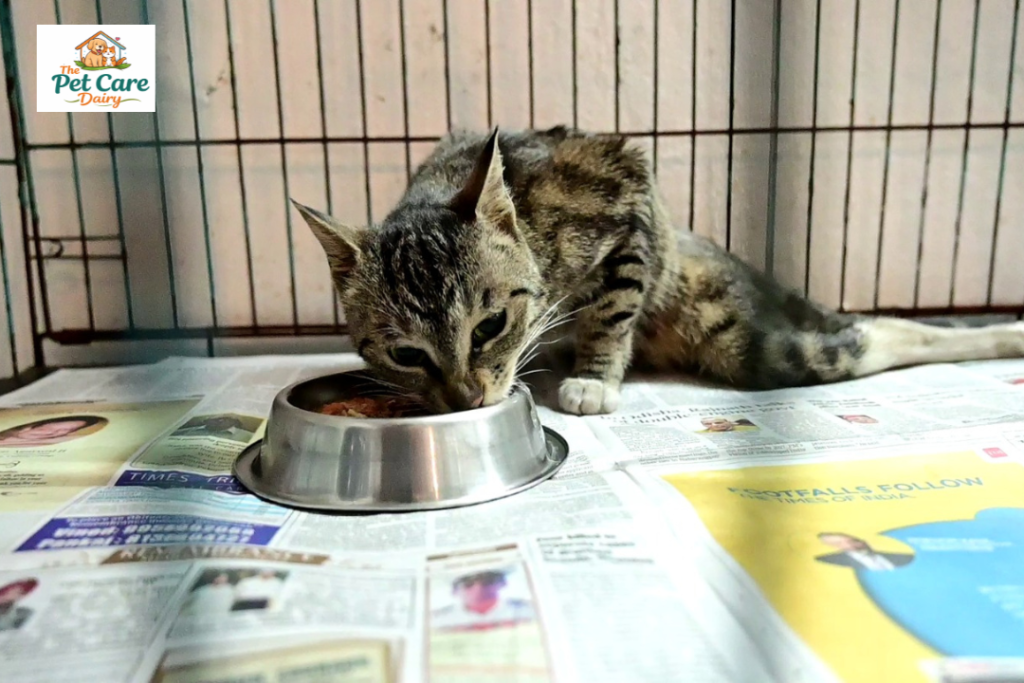
Nutrition is a cornerstone of cat care. Indian cat owners frequently feed a mix of commercial cat food and home-cooked items. Whereas high-quality cat food (both dry and wet) should form the main part of the diet, home food like boiled chicken, egg, fish (boneless), and cooked rice can be given occasionally. Avoid feeding spicy, oily, or heavily seasoned food, as many Indian spices can upset a cat’s sensitive stomach. Raw onion, garlic, chocolate, grapes, and caffeinated drinks are poisonous to cats and must never be given.
Proper portioning prevents obesity, which is increasingly common in indoor cats. Feed adult cats twice a day and kittens three to four times, based on veterinarian recommendations. Always ensure clean, fresh water is available at all times — water helps prevent urinary problems and kidney issues, which are common in cats if ignored.
Shelter & Indoor Environment
In cities across India, many cats live indoors due to security and traffic concerns. An ideal indoor environment includes:
A clean litter box placed in a quiet area
Comfy bedding away from direct heat or cold
Safe hiding spots and vertical perches
Scratch posts to protect furniture
Cats love observing from high places, so providing shelves, cat trees, or window perches keeps them engaged mentally. For families with limited space, even compact climbing shelves or wall-mounted perches can make a big difference.
Final Thoughts
Cat care in India is about holistic responsibility: nutrition, sanitation, veterinary care, mental stimulation, and emotional bonding. Whether your cat is indoor, outdoor, or a friendly neighborhood stray, understanding their unique needs and Indian environmental challenges ensures they lead healthy, cheerful lives.
A well-cared-for cat is playful, alert, affectionate, and content — the result of good care, attention, and love.
For more such pet care information, connect with us today: https://thepetcarediary.com