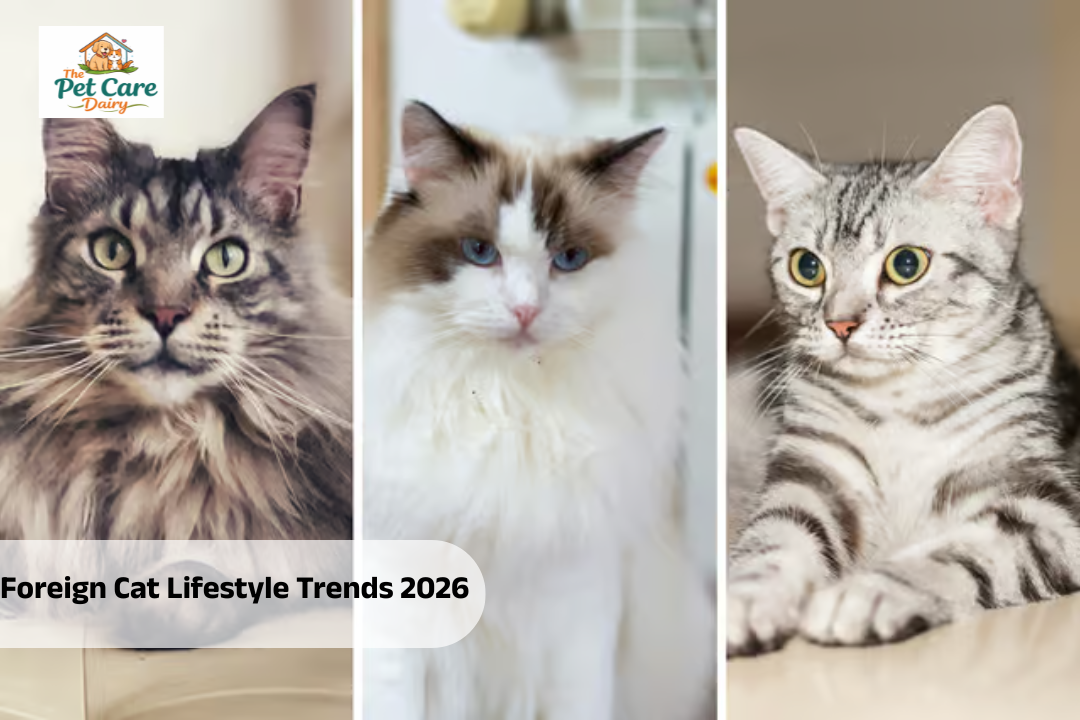
In 2026, the lifestyle of household cats around the world has evolved far beyond basic care. In many foreign countries, cats are treated not just as pets but as full family members with personalized routines, modern living spaces, and wellness-focused care. From the United States to Japan and across Europe, cat lifestyle trends now emphasize comfort, enrichment, health monitoring, and emotional well-being. The modern exotic cat lifestyle blends technology, design, nutrition, and psychology to create a balanced and fulfilling life for feline companions.
One of the most visible changes in foreign cat lifestyles is the rise of indoor enrichment living. In countries like the United States, Canada, and Germany, indoor cats are provided with vertical climbing shelves, multi-tier cat trees, interactive tunnels, and window perches. Instead of allowing cats to roaming freely outside, which can be risky, pet parents create stimulating indoor environments that mimic natural hunting and climbing behaviors. This approach reduces accidents and protects wildlife while keeping cats mentally active and physically fit.
In Japan, minimalistic homes have inspired compact yet highly functional cat furniture.
Wall-mounted climbing systems and aesthetic cat shelves mix with modern interior design. Cats are encouraged to explore vertically, which supports their natural instinct to observe from higher places. This integration of pet space into human living areas reflects how closely cats are incorporated into everyday life.
Another growing foreign trend is structured daily routines. In many Western families, cats follow a consistent schedule that includes feeding times, play sessions, grooming routines, and rest periods. Behavioral experts emphasize that routine reduces stress and anxiety in cats. Regular interactive play sessions using wand toys or laser pointers simulate hunting, helping prevent obesity and boredom-related behaviors such as scratching furniture or excess meowing.
Nutrition also plays a major role in foreign cat lifestyles. Pet parents in nations like the U.K., Australia, and the U.S. are increasingly choosing higher-protein, species-appropriate diets. Wet food is frequently prioritized to support hydration and urinary health. Some owners even subscribe to fresh meal delivery services designed specifically for cats. Personalized eating plans based on age, weight, and health conditions are becoming standard practice.
Technology has also become deeply integrated into foreign cat living. Automated litter boxes, smart feeders, pet cameras, and health-tracking collars are now common in modern homes. These devices help monitor activity levels, eating patterns, and even sleep cycles. Remote tracking gives pet parents peace of mind, especially in urban areas where people may spend long hours away from home.
Mental wellness is another important focus. Scandinavian and European countries highlight the significance of emotional enrichment. Puzzle feeders, scent games, catnip toys, and quiet resting areas are recommended to prevent stress. Some cat owners even use calming diffusers or play soft music designed specifically for pets. The aim is to create a peaceful, low-stress environment that supports long-term health.
Social media has also influenced foreign cat lifestyles. In countries like South Korea and the United States, cats are often part of online communities, culture influencers, and even pet cafés. Cat cafés in Japan and Korea have made feline companionship accessible to people living in smaller apartments. This has also raised awareness about responsible adoption and humane treatment.
Sustainability is another rising trend in 2026. Many foreign pet brands now produce eco-friendly cat litter, biodegradable toys, and biodegradable packaging. Environmentally aware cat owners are choosing products that align with sustainable living values.
Overall, the exotic cat lifestyle in 2026 reflects a shift toward integrated living, advanced care, emotional understanding, and environmental responsibility. Cats are no longer passive household pets—they are active, emotionally supported members of the family. By adopting some of these global lifestyle practices, cat owners everywhere can enhance their feline companion’s quality of life and building stronger bonds based on care, comfort, and respect.
The Rise of Luxury & Premium Cat Living
In 2026, foreign cat lifestyles are increasingly influenced by the luxury pet movement. In countries like the United States, France, and the United Arab Emirates, premium cat products are no longer considered extraordinary—they are becoming mainstream. Designer cat beds, orthopedic mattresses, temperature-controlled sleeping pods, and handcrafted scratching posts are common in high-end homes. Luxury cat furniture is designed to match modern interiors, ensuring that pet accessories blending seamlessly with human décor. This trend shows how deeply cats are integrated into lifestyle aesthetics instead of being treated as separate household elements.
Luxury grooming services are also gaining popularity internationally. Professional grooming salons offer spa-style treatments including coat conditioning, nail care, cleanliness trims, and even aromatherapy sessions (using pet-safe products). These services focus not only on appearance but also on skin health and stress reduction.
Urban Apartment Cat Living
With urbanization increasing worldwide, many foreign cat owners live in apartments. As a consequence, small-space cat living has become a major design focus. In cities like New York, London, Tokyo, and Seoul, cat parents maximize vertical space with wall-mounted platforms and multi-tier climbing systems. Compact litter box cabinets, concealed feeding stations, and foldable travel carriers are designed specifically for apartment life.
Urban cat lifestyles also include supervised outdoor experiences such as harness training and enclosed balconies (“catios”). These allow cats to experience fresh air securely without exposure to traffic or predators. Many Western veterinarians now recommend controlled outdoor enrichment rather than free roaming.
Emotional Bond & Humanization Trend
Foreign cat lifestyle trends strongly reflect the “pet humanization” movement. Cats are increasingly celebrated as emotional companions, therapy animals, and even workplace mascots in some nations. Offices in the U.S. and parts of Europe are adopting pet-friendly policies, recognizing the stress-reducing benefits of animals.
Owners are also spending more time understanding feminine body language and emotional signals. Behavioral consultants in Canada and Germany teach cat parents how to explain tail position, ear movement, and vocal patterns. This deeper understanding strengthens communication and reduces behavioral misunderstandings.
Personalized Health & Wellness Plans
Another expanding trend in 2026 is customized wellness planning. Foreign pet owners now create long-term health strategies for their cats, including scheduled bloodwork, dental cleanings, weight tracking, and mobility assessments. In many developed countries, pet insurance enrollment has grown significantly, making advanced treatments more accessible.
Wearable pet trackers are also being used to monitor daily movement and calorie burning. These insights help prevent obesity, which remains one of the most common feline health concerns worldwide.
Eco-Conscious Cat Parenting
Environmental responsibility has become an essential part of foreign cat lifestyles. Biodegradable litter made from corn, wood, or paper is replacing traditional clay-based litter in many countries. Sustainable toy brands use recycled fabrics and organic catnip. Packaging reduction and carbon-neutral shipping are influencing buying decisions among modern pet parents.
This eco-friendly mentality reflects a broader cultural shift toward responsible living—where caring for pets also means caring for the planet.
Future of Cat Lifestyle Beyond 2026
Experts predict that the future of overseas cat lifestyle will include even more integration of artificial intelligence, personalized nutrition algorithms, and interactive smart homes designed specifically with pets in mind. Homes may feature automatic climbing walls, voice-controlled feeders, and AI-based health alerts.
As technology progresses, the relationship between cats and their human companions will likely become even more connected, data-informed, and emotionally supportive.
For more such pet care information, connect with us today: https://thepetcarediary.com