A dog can be a wonderful addition to any home, but whether you’re an experienced pet parent or a first-time adopter, it’s important to keep your canine companions’ health and happiness a top priority. Below are some useful tips for all dog parents.
feeding
Puppies eight to 12 weeks old need four meals a day.
Feed puppies three to six months old three meals a day.
Feed puppies two meals a day from six months to one year.
When your dog reaches his first birthday, one meal a day is usually sufficient.
For some dogs, including larger canines or those inclined to bloat, it’s better to feed two smaller meals.
Premium-quality dried food provides a well-balanced diet for adult dogs and may be mixed with water, broth or canned food. Your dog may enjoy cottage cheese, boiled egg or fruits and vegetables, but these additions should not total more than ten percent of his daily food intake.
Puppies should be fed a high-quality, brand-name puppy food (large breed puppy foods for large rocks). Please limit “people food,” though, because it can result in vitamin and mineral imbalances, bone and teeth problems and may cause very picky eating habits and obesity. Clean, fresh water should be available at all times, and be sure to wash food and water dishes frequently.
exercise
Dogs need exercise to burn calories, stimulate their minds, and stay healthy. Individual exercise needs vary depending on breed or breed mix, sex, age and level of health. Exercise also tends to help dogs avoid boredom, which can lead to destructive behaviors. Supervised fun and games will satisfy many of your pet’s instinctual urges to dig, herd, chew, retrieve and pursue.
Grooming
Help keep your dog clean and reduce shedding with frequent brushing. Check for fleas and ticks daily during warm climate. Most dogs don’t need to be bathed more than a few times a year. Before bathing, comb or cut out all mats from the coat. Carefully rinse all soap out of the coat, or the dirt will stick to soap residual. please visit our dog grooming tips page for more
Handling
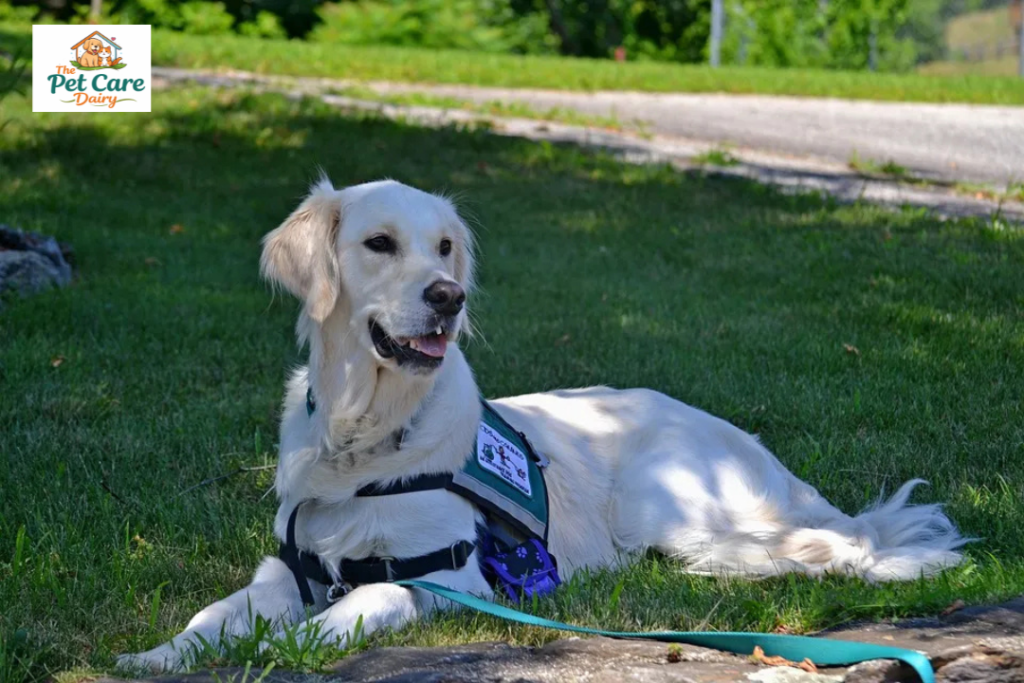
To carry a puppy or small dog, place one hand beneath the dog’s chest, with either your forearm or other hand supporting the hind legs and rump. Never attempted to lift or grab your puppy or small dog by the forelegs, tail or back of the neck. If you do have to lift a large dog, lift from the beneath, supporting his chest with one arm and his rear end with the other.
Housing
Your pet needs a warm, quiet place to rest, away from all drafts and off the floor. A training crate or dog bed is ideal, with a clean blanket or cushion placed inside. Wash the dog’s bedding often. If your dog will be spending a lot of time outdoors, be sure she has access to shade and plenty of cool water in hot climate, and a warm, dry, covered shelter when it’s cold.
Licensing and Identification
Follow your community’s licensing rules. Be sure to attach the license to your dog‘s collar. This, along with an ID tag and implanted microchip or tattoo, can help secure your dog’s return should she become missing.
Fleas and Ticks
Daily inspections of your dog for fleas and ticks during the warm seasons is important. Use a flea comb to find and remove fleas. There are many new methods of flea and tick control. Talk to your veterinarian about these and other options. Visit our Fleas and Ticks page for more information.
Medicines and Poisons
Never give your dog medication that has not been prescribed by a veterinarian. If you suspect that your animal has ingested a toxic substance, call your veterinarian or the ASPCA Animal Poison Control Center for 24-hour animal poison information at (888) 426- 4435.
Spaying and Neutering
Female dogs should be spayed and male dogs fused by six months of age. Please visit our Spay/Neuter Your Pet page to learn more.
Vaccinations
Your dog may benefit from receiving a number of immunizations. Please visit our Pet Vaccines page to learn more.
Dog Supply Checklist
Premium-quality dog food and treats
Food dish
water bowl
Toys, toys and more toys, including safe chew toys
Brushes & combs for grooming
Collar with license and ID tag
Leash
Carrier (for smaller dogs)
training crate
Dog Bed or Box with Warm Blanket or Towel
dog toothbrush
The Scoop on Poop
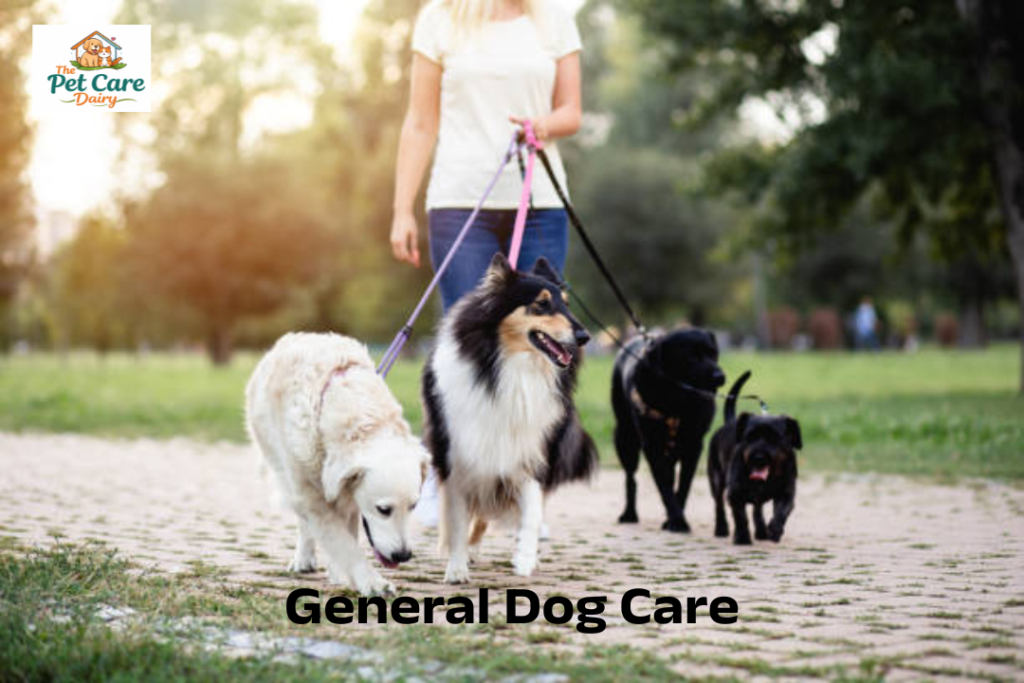
Keep your dog on a leash when you are outdoors, unless you are in a secured, fenced-in area. If your dog defecates on a neighbour’s lawn, the sidewalk or any other public place, please clean it up.
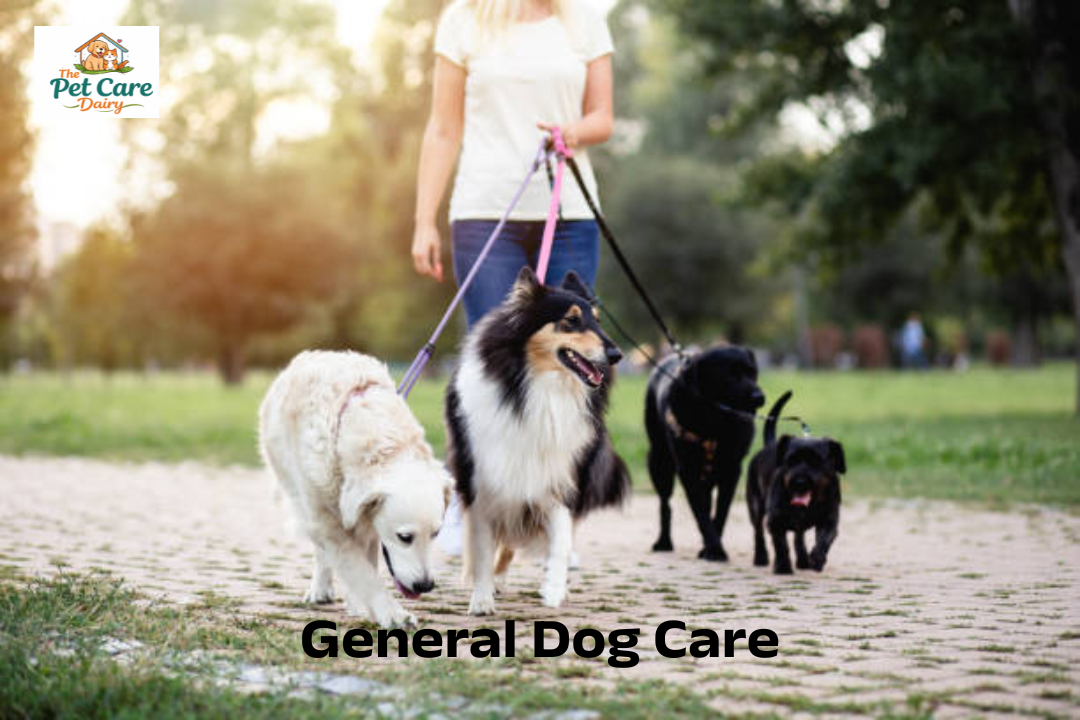
General Dog Care is the process of maintaining the balance of a dog’s physical, mental and emotional health.
Proper daily care is very important for the dog to remain healthy and happy. Balanced diet, cleanliness, regular exercise and adequate attention are the main parts of general dog care. The breed, age and temperament of every dog is different, so its needs may also be different. Providing proper food increases the dog’s energy, bone strength and immune power. Human foods, especially salty, spicy, or sweet foods, can be harmful to a dog, so It is necessary to avoid.
Clean water should always be available in general dog care. Lack of water causes dehydration, fatigue and digestive problems. By doing regular grooming, skin diseases, hair fall problems and parasites can be avoided. This includes bathing, brushing, clipping nails and cleaning ears. These days, chemical-free grooming products are considered safer.
Exercise is a very important part of general dog care. Daily walks, runs and games keep the dog’s weight under control and his mind active. Due to lack of exercise, the dog may show laziness, irritability or aggressive behavior. At the same time, basic training and socialization is also necessary, so that the dog behaves well with people and other animals.
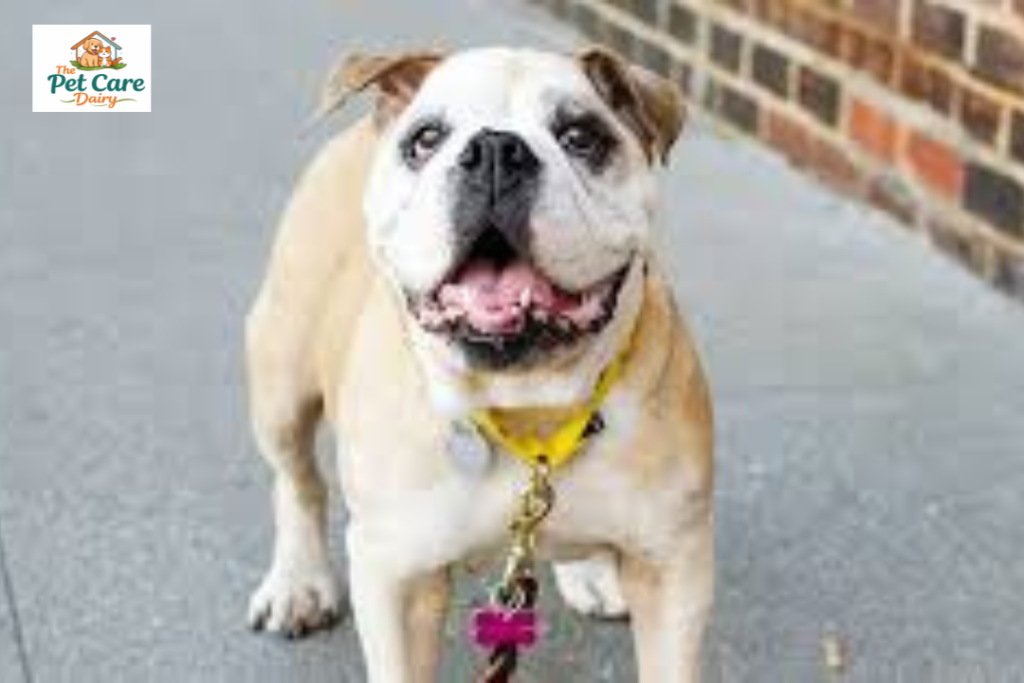
Regular veterinary check-ups and timely vaccination are essential for general dog care. Vaccination prevents serious diseases like rabies and infections. If not protected against ticks, fleas and worms, the dog’s health can deteriorate, so give regular medications. Is necessary.
Love and emotional connection are most important in General Dog Care. The dog feels safe and happy after spending time with the owner. Constantly being tied up or ignored can cause stress and fear in the dog. With proper care and love, a dog can live a long, healthy and happy life.
For more such pet care information, connect with us today: https://thepetcaredairy.com