Zazie Todd with an adapted extract from her new book, Purr: The Science of Making Your Cat Happy.
How Cats Learn
As a society, we don’t think too often about training cats, and actually many people probably think of them as untrainable. But this is far from the truth. Cats learned all the time from their interactions with us whether we’d like them or not. For example, they learn that when they come to sit on our lap we’ll pet them, and depending on whether or not they like that, they will come to our lap more or less frequently. They learn that the shake of the treat package means we’ll give them a treat. And they learn very quickly that the cat carrier means an unpleasant trip to the vet.
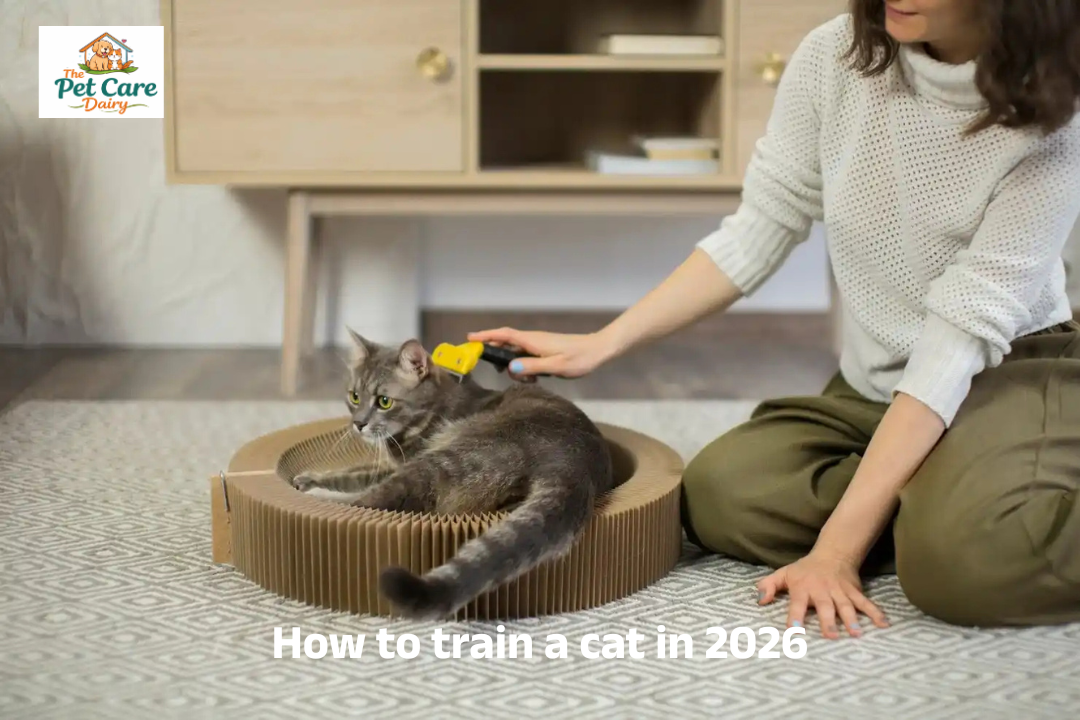
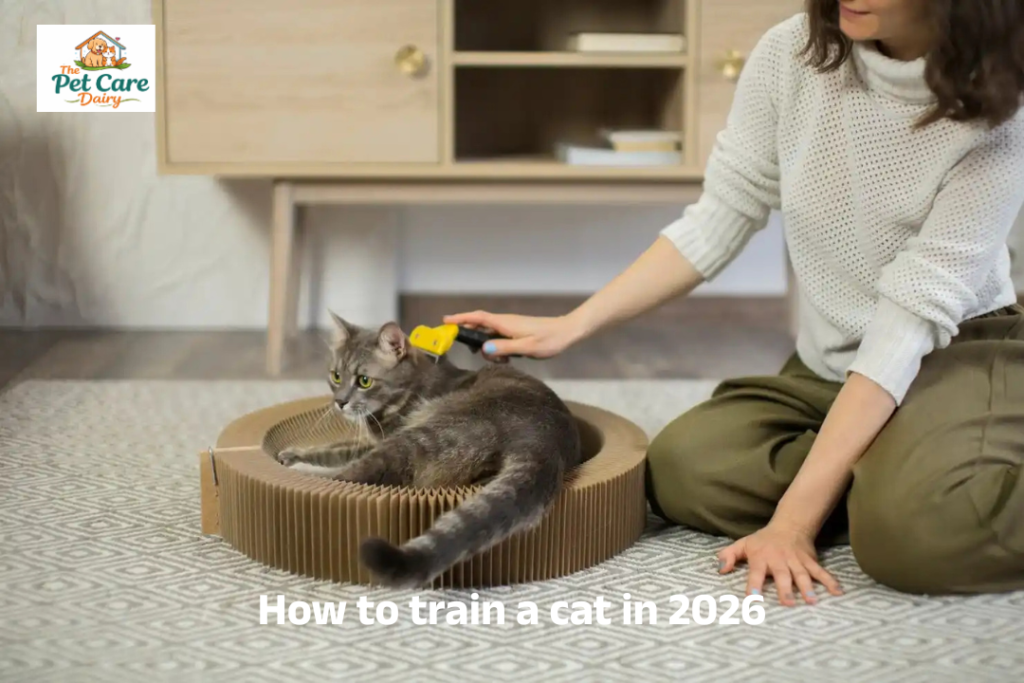
Although teaching tricks can be fun and a nice bonding exercise for you and your cat, the most important thing is to train some key life skills, such as how to go in the carrier, how to be examined at the vet, how to be brushed and have their teeth cleaned, and to eat when called. Dr. Sarah Ellis, co-author of The Trainable Cat and head of cat advocacy at International Cat Care, told me that when training cats we are “teaching the cat the key skills that they need to live in society with us. And without those skills they often struggle. They’re skills that are completely within the reach of a cat, you know. We’re not asking for things that actually destroy the essence of what a cat is.”
To train a cat, you need to have something your cat likes. Although it would be nice if a cat would do something just to be told “Good cat!” it doesn’t work that way (it doesn’t really work that way for dogs, either, who are much more used to being trained). Some cats who like being brushed will work for that – Harley is just such a cat who will come running as soon as I say “Brush!” – but for most cats, food makes the best reward. “There isn’t that need to please,” says Dr. Ellis, “so we have to think about what really is rewarding for a cat, because it’s certainly not our social attention for most cats. And when we first start training a cat that’s not been trained previously, the most rewarding thing generally for cats is food.”
Of course, being overweight is an issue for many cats (see chapter 10), so it’s important to only use small rewards and to take account of the calories from training when feeding your cat. Types of food to use as rewards include little bits of prickly pear or prawn, pieces of cat treats, or little bits of wet cat treats (available in tubes). Regarding the size of treats, Dr. Ellis has this advice: “Many people think about the size of the food reward that they give, and it is so often too big. Because we sort of think in dog terms or even in human terms, and even the size that commercial cat treats come in are far too big to be a single training treat. So I very often recommend that if you are using commercial cat treats, use the freeze-dried ones or the semi-moist ones, because you can pull them into much, much smaller parts. If we’re thinking about a prawn, not a king prawn, just an average normal prawn, I would break that maybe into four or five parts at least.”
Many cats are not used to taking treats from your hand and, like Melina, may try to bite or accidentally bite.
To save your fingers, you may prefer to put the treat on a spoon or a little wooden stick (like a lollipop stick) or to offer wet treats from a plate or a tube. It’s best to work in short stages, so the cat doesn’t get bored or tired, and keep the level easy enough that they don’t get frustrated. Especially in the beginning, this often means working in slower increases than you expect, and for short periods of time like five minutes. Your cat may also want a break between each trial; If they spend it purring and rubbing their heads on you or the surroundings, that’s a nice sign that they’re happy. If they choose to walk off, that is of course their choice. Try again again, and consider trying a better treat.
Cats learn in various ways, but the main ways that we use in training are types of associative learning: learning by consequence and learning by association with events.
Associative Learning
Operant conditioning means learning by consequence when the cat is either reinforced or punished for the behavior they just gave. Reinforcement makes the behavior continue or increase in frequency, and punishment makes the behavior reduce in frequency. And there are two types of each, depending on whether the consequence was something included (positive) or removed (negative).
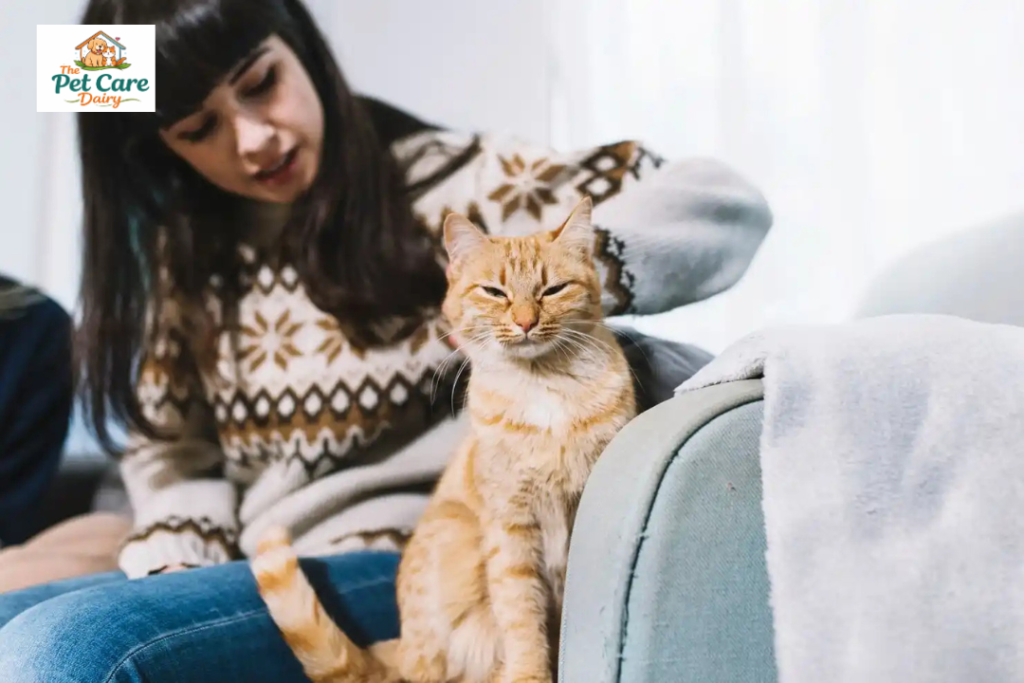
Positive reinforcement is the most popular and involves giving the cat a nice reward for a behavior so that they are more likely to do it again. Food makes a great reward for training dogs. Negative reinforcement means that something unpleasant is removed when the cat does the behavior and therefore the behavior increases. This approach is not recommended in animal training because of risks to the animal’s welfare. Fortunately it is rarely used with cats; however, you may have seen or heard about it in dog training. One example is when somebody pushes the dog’s bottom down and releases it when they are in a sit position in order to teach them to sit. The unpleasant sensation of the bottom being pushed stops when the dog does the desired behavior, making the dog do the behavior more often. But, for dogs and cats, positive reinforcement works very well to achieve the desired behavior, so there is no need to use a negative reinforcement approach.
Negative punishment means that something the cat likes is withheld in order to decrease the frequency of a behavior. Perhaps you are petting the cat and the cat bites you out of excitement, so you stop petting them until they stop biting to decrease the biting behavior. But notice I said out of excitement (i.e., they want more), because it’s also possible (even likely) that the cat is biting because they don’t want to be petted anymore. In this case they are applying positive punishment to you: something unpleasant has been added (a bite) to decrease a behavior the cat does not like (petting goes on for too long). One example of using positive punishment with cats is when someone sprays the cat with a water bottle to stop them from leaving on the kitchen counter. This is not a good idea. A better approach might be to provide a nice high-up space, such as a cat tree near the counter, reinforce the cat with treats for using that space instead, and stop leaving food or toys on the counter that will encourage the cat to eat and get them. For example, if you leave some fish on the counter and let the cat eat it, they’ve just been very handsomely reinforced to continue jumping on the counter.
For more such pet care information, connect with us today: https://thepetcarediary.com