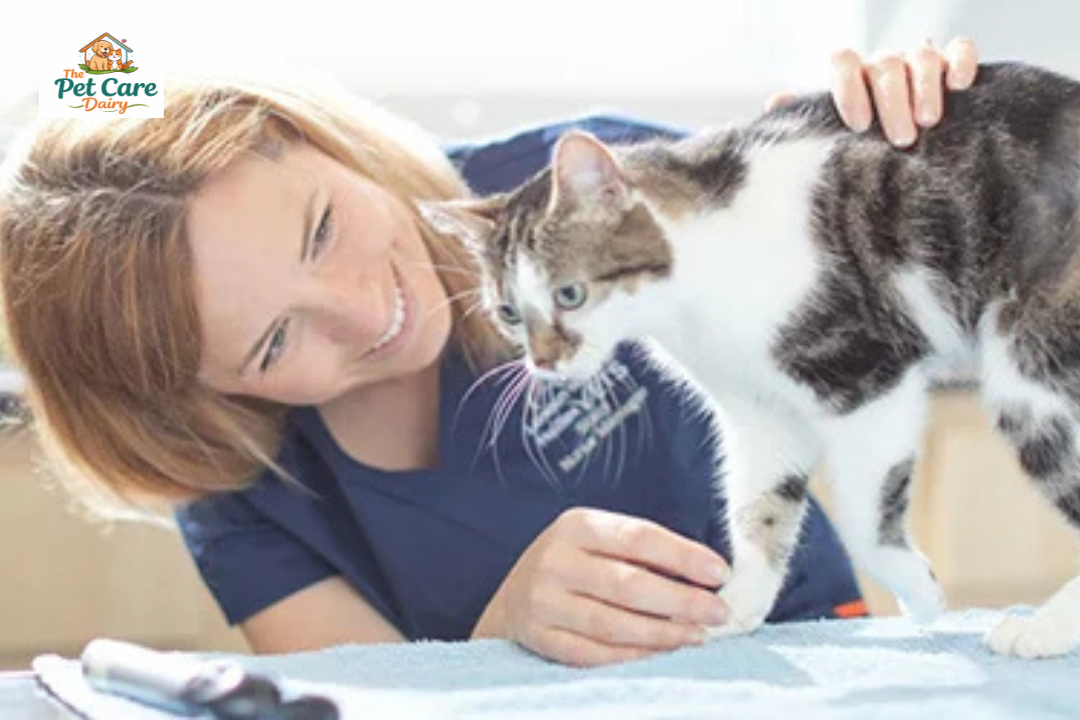
As cat ownership rises around the world, veterinarians and pet experts in different countries are shaping how we care for feline health in 2026. While basic needs like nutrition and vaccinations are universal, many foreign cat health practices emphasize preventative care, early detection of ailments, and a deeper understanding of feline behavior that helps cats thrive both physically and mentally. In regions like North America and Europe, holistic approaches to cat wellness have gained popularity. These methods combine conventional veterinary care with supplemental lifestyle changes—such as joint support through enriched diets and stress reduction through environmental enrichment—to improve overall feline quality of life.
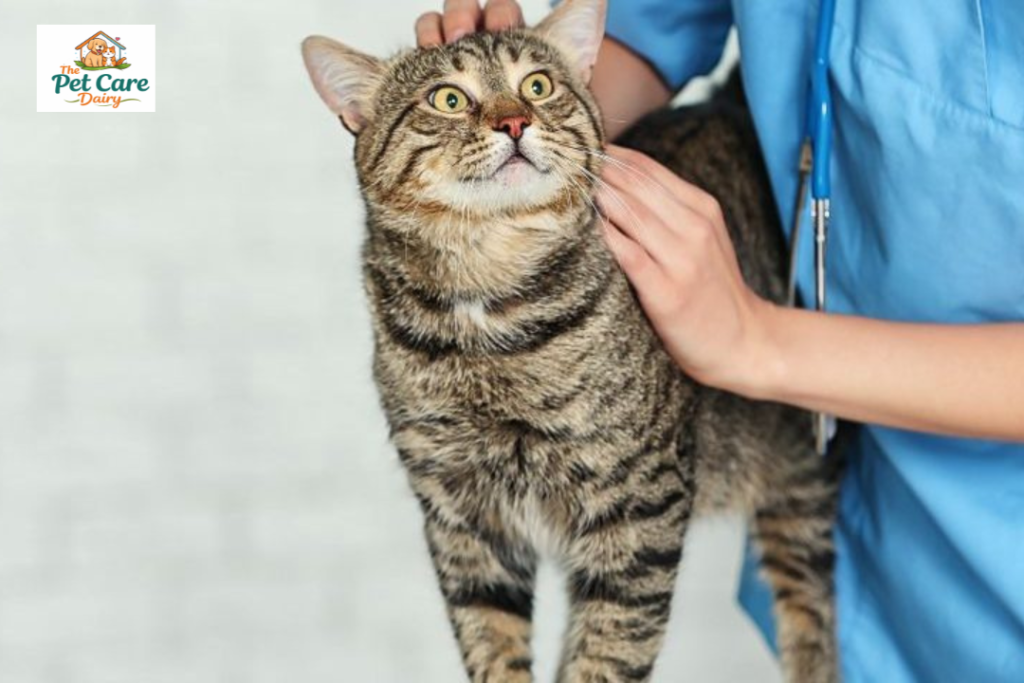
One key trend in global cathealth is the emphasis on preventive checkups. In countries such as the United States and Canada, veterinarians recommend twice-yearly wellness examinations for indoor cats and more frequent visits for seniors. These checkups include blood panels, dental assessment, and screening for early signs of diseases like kidney issues, hyperthyroidism, or diabetes, which are common in older cats. Early detection allows for timely intervention and more effective treatment, ultimately leading to longer, healthier lives for feline companions.
Across Europe, pet health specialists also emphasize the importance of mental well-being as part of physical health. Cats are naturally territorial and vulnerable to changes in their environment. Stress can trigger a range of health problems, including urinary issues and grooming disorders. European trainers and vets frequently prescribe environmental enrichment—such as vertical climbing spaces, interactive toys, and quiet resting areas—to keep cats both stimulated and balanced. They view health as a combination of body and mind, promoting routines that reduce anxiety and foster self-confidence.
In Australia, another foreign approach gaining recognition emphasizes the role of hydration and urinary health. Because many domestic cats drink less water than they need, veterinarians encourage watery diets—especially high-quality wet foods—to prevent urinary tract infections and kidney stress. Programs in veterinary clinics often include education sessions on proper hydration and how to recognize the early signs of urinary problems, such as frequent litter box visits or crying while urinating.
Asian countries like Japan and South Korea also contribute to modern cat health trends,
particularly in the area of aging care. With rising life expectancy in cats, veterinarians focus on managing mobility issues and age-related discomfort. Techniques such as physical therapy, hydrotherapy (water-based exercise), and customized supplements help support joint health and improve overall activity levels in senior cats. These practices, once popular only in elite clinics, are now becoming more accessible thanks to increasing pet health awareness globally.
Another major trend in overseas cat health care is the adoption of advanced diagnostic technologies. In many developed countries, pet clinics are using digital imaging, ultrasound, and specialized blood testing to diagnose conditions sooner and more accurately than ever before. Some veterinary hospitals even offer genetic testing to identify breed-specific health risks. This information can guide tailored care plans—such as dietary adjustments or targeted therapies—before problems become severe.
International experts also highlight the importance of proper dental care for cats, something that is frequently overlooked by pet parents. Tooth disease is one of the most common chronic issues in cats as they age. In countries like the UK and Germany, routine dental cleanings and daily dental hygiene practices such as tooth brushing or dental treatments are part of standard health regimens. Keeping a cat’s mouth healthy helps prevent pain, infection, and even complications that affect organs like the heart and kidneys.
Nutrition remains a cornerstone of feline health across all continents. Veterinarians stress feeding species-appropriate diets that prioritize high-quality animal proteins, controlled carbohydrates, and appropriate fat levels. In 2026, many foreign veterinarians recommend customized feeding plans based on the cat’s age, lifestyle, and medical needs. For example, weight management formulas are used for indoor and less active cats, while high-protein diets support energetic or working cats.
Meanwhile, nations in Scandinavia and the Netherlands are exploring sustainable pet health practices. Eco-friendly and ethically sourced diets, biodegradable litter alternatives, and low-impact grooming products are part of a larger movement toward responsible pet ownership that benefits both feline health and the planet.
Finally, global pet health care has become more connected through technology.
Pet parents around the world access telemedicine consultations, wearable health monitors, and apps that track nourishment, activity, and symptoms. This has improved communication between owners and veterinarians, resulting in more timely care and better health outcomes for cats wherever.
In summary, foreign cat health practices in 2026 prioritize preventative care, mental health, hydration, advanced diagnostics, and nutrition tailored to each cat’s unique needs. By incorporating these global insights into everyday pet care, cat owners can help their feline companions live healthier, happier, and longer lives.
Global Focus on Cat Wellness in 2026
As pets become more integrated into family life around the world, cat health care is no longer reactive — it’s preventive and proactive. In many Western countries, wellness plans now resemble human health care schedules: routine blood work, comprehensive annual examinations, and behavior assessments are part of regular checkups. Veterinary clinics in Canada, the U.S., and parts of Europe have begun offering “complete health packages” that include dental care, parasite prevention, nutritional consultations, and even behavioral profiling. These packages not only help in early disease detection but also empower owners to understand their cat’s unique health needs over time.
Another remarkable approach seen in international pet care communities is the increasing emphasis on hydration monitoring. Cats naturally drink less water than they need, and dehydration can quietly contribute to kidney and urinary problems — among the most common health issues in felines. Vets in Australia and Europe now advise pet parents to combine wet food diets, water fountains, and hydration supplements to encourage regular drinking. Some clinics have even started hydration incentive programs, where owners get guidance on signs to watch out for and tools to make water more appealing to cats.

Mental Health and Emotional Well-Being
Cat health is also being defined through emotional wellness, especially in urban environments where apartment living and restricted outdoor access can lead to stress, boredom, or anxiety. Japan and Scandinavian countries are leading the way in research surrounding environmental enrichment. Techniques include vertical spaces like cat shelves, tunnels, and interactive toys that stimulate a cat’s natural instincts. Outdoor-safe enclosures (known as “catios”) have grown in popularity globally, offering fresh air and safe stimulation without the risks of free roaming.
Internationally, there’s a growing understanding that stress can weaken the immune system—just like in humans. This means veterinarians are now integrating environmental assessments into health assessments. Clinics ask about daily play routines, access to windows or perches, and even household noise levels to better assess stress factors and recommend accordingly.
Cutting-Edge Diagnostics in Cat Health
Advancements in diagnostic technology have revolutionized feline medicine. Many leading clinics around the world now use digital imaging (X-rays and ultrasound), advanced blood panels, and hormone testing to discover issues before they become severe. For example, early detection of thyroid and kidney problems—two common conditions in aging cats—can drastically improve treatment outcomes and quality of life.
In some countries like Germany and the U.K., veterinarians are even using genetic screening to identify susceptibility to certain diseases. This allows for truly personalized health care. A cat genetically prone to dental issues, for example, might begin dental evaluations and professional cleaning at a younger age, preventing long-term problems. Those with susceptibility to joint or immune issues may receive tailored diets or supplements to strengthen those systems early.
Dental Health: A Growing Global Priority
Dental care is one of the most neglected areas of cat health worldwide, yet international veterinarians agree it should be a priority. In many clinics across North America and Europe, dental assessment is now standard practice during annual checkups. Dental disease in cats doesn’t just cause mouth pain—it can contribute to systemic infections that affect the heart, liver, and kidneys.
Professional cleanings, regular brushing at home, and dental diets designed to reduce plaque build-up are now common recommended. Educating owners about the link between oral health and overall wellness has become a major focus of global veterinary communities.
For more such pet care information, connect with us today: https://thepetcarediary.com