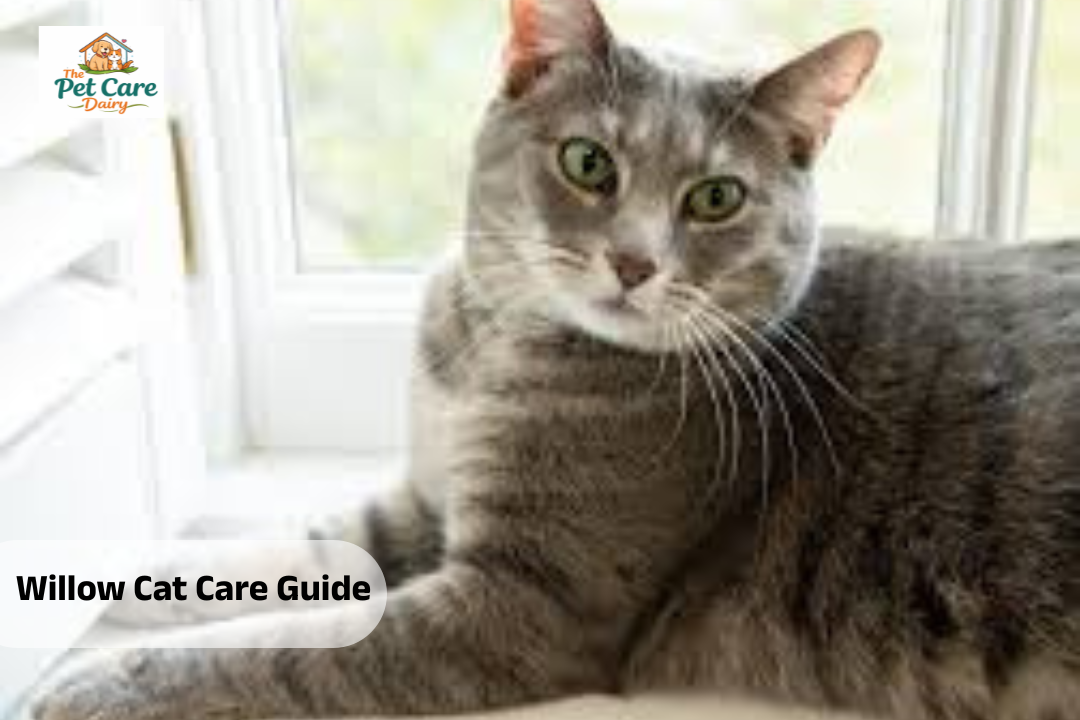
If your cat’s name is Willow–or you are planning to name your feline friend Willow–proper care is essential to ensure she lives a happy, healthy, and balanced life. The name “Willow” often suits gentle, elegant, and calm cats, but regardless of personality, every cat requires structured care that includes nutrition, grooming, health monitoring, mental stimulation, and emotional bonding.
First and foremost, nutrition plays a critical role in Willow’s overall well-being. Cats are obligatory carnivores, meaning they require high-quality animal protein as the primary ingredient in their diet. Choose premium cat food with real meat listed first and avoid unnecessary fillers. Wet food is highly recommended because it supports hydration and urine health, which are especially important for domestic indoor cats. Feeding should be divided into two balanced meals per day for adult cats, whereas kittens may require three to four smaller meals.
Hydration is equally important. Many cats naturally drink less water, so providing a fresh water bowl daily or using a pet water fountain can encourage Willow to stay appropriately hydrated. Adequate hydration helps prevent kidney and urinary tract issues, which are common in cats as they age.
Grooming is another key part of Willow cat care.
Even short-haired cats benefit from brushing once or twice a week to remove loose fur and minimize hairballs. Long-haired cats require more frequent grooming to prevent matting. Regular nail clipping every 3–4 weeks, ear checks, and dental care should also be included in her routine. Dental health is often ignored, but brushing your cat’s teeth or offering dental treats can prevent gum disease and long-term health complications.
Mental stimulation is crucial, especially if Willow is an indoor cat. Cats need enrichment to prevent boring and destructive behaviors. Provide scratching posts, climbing trees, interactive toys, and daily play sessions using wand toys to imitate hunting instincts. Structured play not only maintains physical fitness but also strengthens your bonds.

Health monitoring should never be overlooked. Schedule annual veterinary checkups for vaccinations, parasite prevention, and overall wellness assessments. Senior cats (7+ years) may require more frequently visits, including blood tests to detect early signs of kidney disease, diabetes, or thyroid problems. Observing changes in hunger, litter box habits, or energy levels can help detect potential health issues early.
Creating a calm and safe environment is essential for Willow’s emotional health. Cats flourish in predictable routines. Feed, play, and rest times should stay consistent. Provide quiet resting spots away from loud noises or heavy foot traffic. If introducing new pets or changes in the home, do so slowly to reduce stress.
Finally, emotional bonding is one of the most important aspects of cat care. Spend quality time with Willow through careful petting, brushing, and interactive play. Cats may seem independent, but they form strong attachments to their owners and benefit greatly from attention and attachment.
Understanding Willow’s Personality & Behavior
Cats named Willow are often described as calm, elegant, and observant, but every cat has a unique personality. Some Willows may be playful and energetic, while others may prefer quiet companionship. Understanding her body language is important for proper care. A relaxed tail, slow blinking, and soft purring indicate comfort and confidence. However, flattened ears, excess hiding, or sudden aggression may signal stress or discomfort. Observing these signs helps you respond appropriately and maintain her emotional well-being.
Cats flourish in environments where they feel safe and respected. Avoid forced interaction if Willow prefers her space. Instead, let her approach you naturally. This builds trust and strengths your bond over time.
Feeding Routine & Portion Control
Maintaining a consistent feeding schedule is necessary. Adult cats like Willow should typically eat twice daily—morning and evening. Portion sizes should be based upon her weight, activity level, and age. Overfeeding can lead to obesity, which increases the risk of diabetes and joint issues. If Willow is less active or strictly outdoors, consider a weight-control formula.
Treats should not exceed 10% of her daily calorie intake. Healthy treat choices include small pieces of cooked chicken or commercial low-calorie treats. Always assure fresh water is available at all times.
Creating the Perfect Home Environment
Willow needs a secure and enriched living space. Provide vertical climbing opportunities such as cat trees or shelves because cats feel secure when they can observe from high places. A cozy bed placed in a quiet area allows her to rest peacefully. Scratching posts are essential to maintain claw health and prevent furniture damage.
If Willow is an indoor cat, enrichment is vital. Rotate toys weekly to keep her interested. Puzzle feeders and treat-dispensing toys can stimulate her hunting instincts and prevent boring.
Hygiene & Litter Box Care
Litter box cleanliness plays a major role in Willow’s comfort. Scoop waste daily and fully change litter at least once a week. The general rule is one litter box per cat plus one additional. Place litter boxes in quiet, low-traffic areas.
If Willow abruptly avoids the litter box, this could indicate stress or a medical issue such as urinary infection. Immediate veterinary consultation is recommended if changes occur.
Preventive Health & Vaccination
Preventive healthcare ensures Willow stays healthy long-term. Annual vaccinations protect against common feminine diseases. Parasite prevention–including flea, tick, and deworming treatments–should be done as recommended by your veterinarian.
Spaying (if not already done) helps prevent certain cancers and behavioral issues. Regular health checks also allow early detection of problems like dental disease or kidney issues.
Mental & Emotional Wellness
Cats can experience anxiety due to environmental changes such as moving houses, loud noises, or new pets. Maintaining consistent routines helps reduce stress. Relaxing diffusers and soft background music may help sensitive cats.
Interactive play sessions of 10–15 minutes daily improve both physical and mental health. Engaging in regular bonding activities keeps Willow emotionally safe and reduces behavioral problems.
Grooming Based on Coat Type
If Willow has long fur, daily brushing stops tangles and hairballs. For short-haired cats, brushing twice a week is usually adequate. Hairball prevention treats or fiber-rich diets can also help reduce hairball formation.
Bathing is rarely necessary unless she gets into something dirty. Cats groom themselves naturally, but occasional gentle cleaning with a moist cloth is acceptable.
Strengthening Your Bond with Willow
Spending quality time with Willow deepens trust and companionship. Gentle petting, speaking softly, and respecting her boundaries build emotional safety. Many cats enjoy regular cuddle times in the evening when they feel most relaxed.
Understanding her preferences—whether she likes lap time or independent exploration—helps create a harmonic relationship.
Final Extended Thoughts
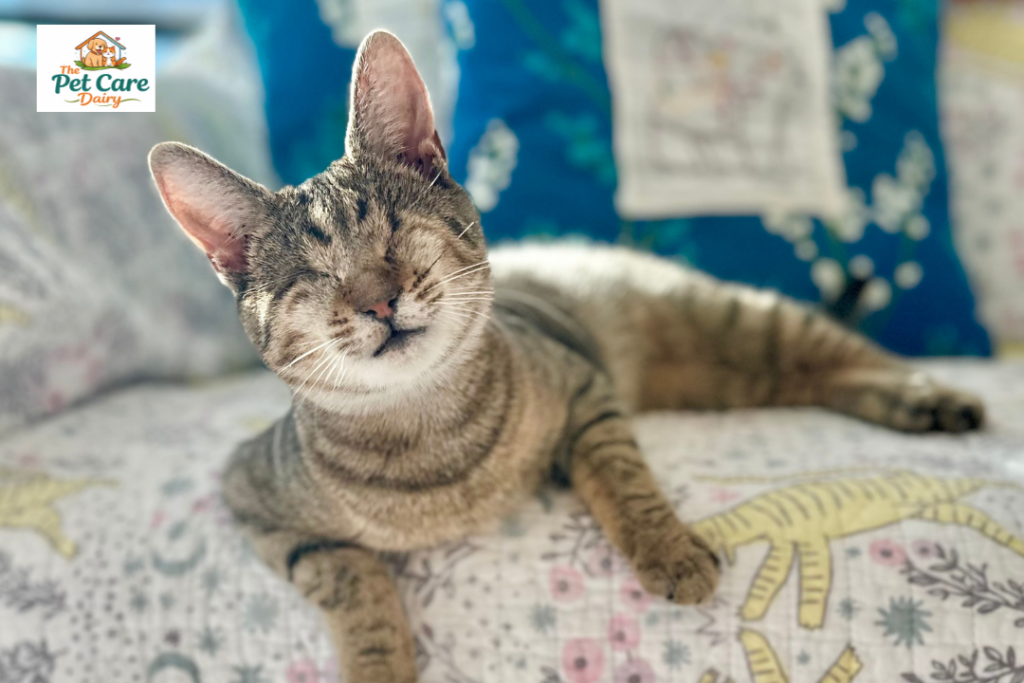
Willow cat care is not just about feeding and grooming—it’s about creating a balanced lifestyle that supports her physical, emotional, and mental health. By maintaining proper nourishment, a clean environment, consistent veterinary care, and daily interaction, Willow can live a long and happy life.
A well-cared-for cat is confident, affectionate, and healthy. With patience, routine, and love, Willow will thrive as a loved member of your family.
For more such pet care information, connect with us today: https://thepetcarediary.com