
A survey of 2,000 pet owners by natural pet food specialists Bella+Duke has revealed a heavy problem: 48% of British dogs are overweight, and 6% are obese. Perhaps most concerning is that a third (33%) of owners admit they have no idea what their dog’s healthy weight should even be.
To help pets spring back into shape, Bella + Duke’s in-house veterinary adviser, Carolanne Cicero, has shared
10 essential tips for supporting pet health this spring.
- Watch the waistline – Obesity is a major health threat that strains joints and leads to chronic issues like diabetes. Know how much your pet should weigh and discuss this with your vet if you are not sure. Get hands-on with your health checks: you should be able to feel your pet’s ribs without pressing hard and see a visible waistline. If they are looking a little round, 2026 is the year to adjust their activity levels and look at a feeding plan that prioritiesises lean protein over starchy fillers.
- Turn playtime into brain training – A healthy pet needs a workout for their brain as well as their legs. Mental stimulation is vital to prevent boredom and destructive behaviors…Try using puzzle feeders, hiding toys around the house for them to “hunt,” or teaching them a new trick. Keeping their brain engaged can help reduce anxiety and is especially important for keeping senior pets sharp.
- Keep those pearly whites sparkling – Dental disease is incredibly common, but it is preventable. While brushing daily with pet-safe toothbrush is the gold standard, you can also support oral hygiene through natural chewing. Gnawing on appropriate items, like raw meaty bones, provides a “hassle factor” that naturally helps clean teeth and gums while providing excellent mental richness. Choosing the right diet will also help with this, avoiding foods that have excess carbohydrates and opting for nutrient-dense, protein-rich meals.
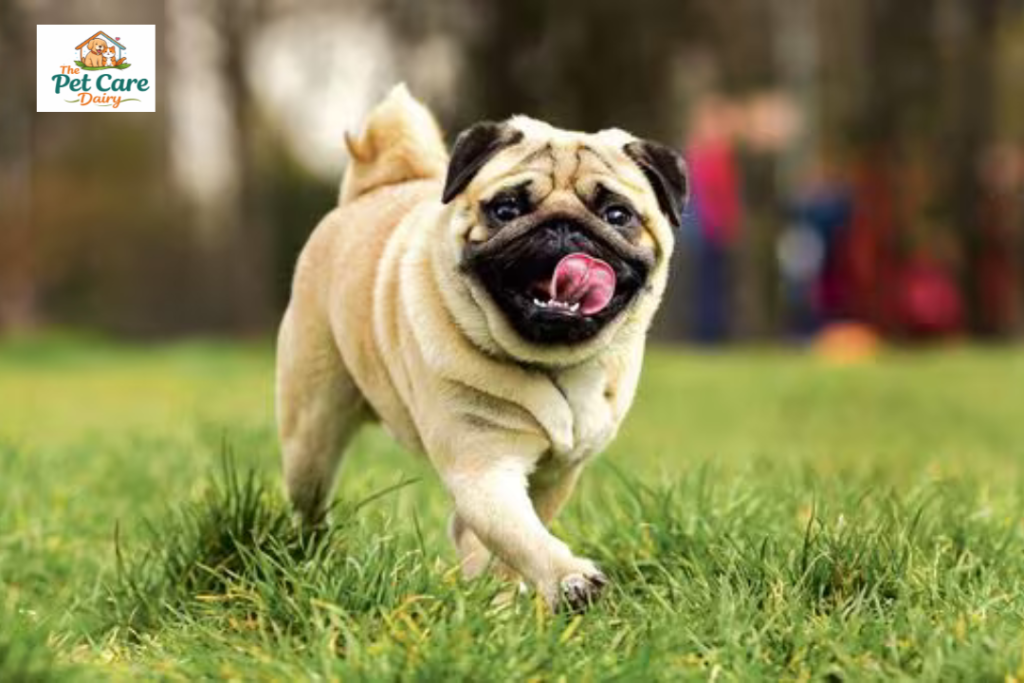
- Tailor their fitness routine – Exercise isn’t one-size-fits-all. In 2026, focus on activities that fit your pet’s specific age, breed, and size. Whereas dogs might need daily walks or fetch sessions to maintain muscle and joint health, cats can thrive with climbing posts and interactive laser games.
- Stay secure with a microchip check – Ensuring your pet can always find their way home is a top priority. Microchigging is a legal requirement for dogs (from 8 weeks) and cats (from 20 weeks) in the UK, but a chip is only useful if the data is correct! Make it a New Year’s resolution to check your contact details are up to date on the database, so you can be reunited quickly if they ever go on an unexpected solo adventure
- Pamper with purpose – Grooming is about more than just looking good; it’s a health check in disguise. Regular brushing removes dead hair and keeps the coat comfortable, but it also gives you a opportunity to check for new lumps, bumps, or skin irritations. Plus, trimming nails prevents painful overgrowth that can actually affect how your pet walks.
- Book that “MOT” – Don’t wait for your pet to feel under the weather to see the vet. Proactive, preventive care is the trend for 2026. Annual check-ups help catch potential issues early, which often leads to simpler treatment and better outcomes.
- Don’t let parasites gatecrash – Fleas, ticks, and worms are uninvited guests that can cause health issues for both pets and their human families. Parasite risks vary based on your pet’s lifestyle, so look out for any signs or symptoms and treat as necessary.
- Support your “golden oldies” – As pets age, their needs change. Older companions may need adjustments to their home environment, like softer bedding or easier access to favorite spots, besides joint support. Keeping them moving with gentle, low-impact exercise and scheduling more frequent health checks can help them maintain their vitality and age gracelessly. Providing a diet that supports joint health and includes the right balance of omega‑3s for cognitive function helps them stay healthy as they grow older.
- Socialize and bond – Lastly, remember that emotional well-being is huge. Well-socialized pets are generally more confident and adaptable. Whether it’s meeting other dogs in the park or just spending quality time cuddling on the couch, love and attention strengthen your bond and reduce stress for both of you.
Pet health in 2026 has become more advanced and comprehensive than ever before.
As pets are increasing considered family members, pet parents are investing more time, money, and attention into maintaining their animals’ overall health and well-being. Modern pet care now focuses on preventative medicine, balanced nutrition, mental wellness, and the use of technology to monitor pets’ daily activities and health conditions. This shift towards proactive care helps detect health issues sooner and improves the quality of life for pets.

One of the most important trends in pet health in 2026 is preventive healthcare. Veterinarians encourage regular checkups, vaccinations, parasite control, and regular health screenings to detect diseases before they become serious. Many pet owners now schedule yearly or biannual veterinary visits for their pets, especially for senior animals that may be more prone to health problems such as arthritis, kidney disease, diabetes, or heart conditions. Early diagnosis allows veterinarians to start treatments sooner, increasing the chances of successful recovery and long-term health.
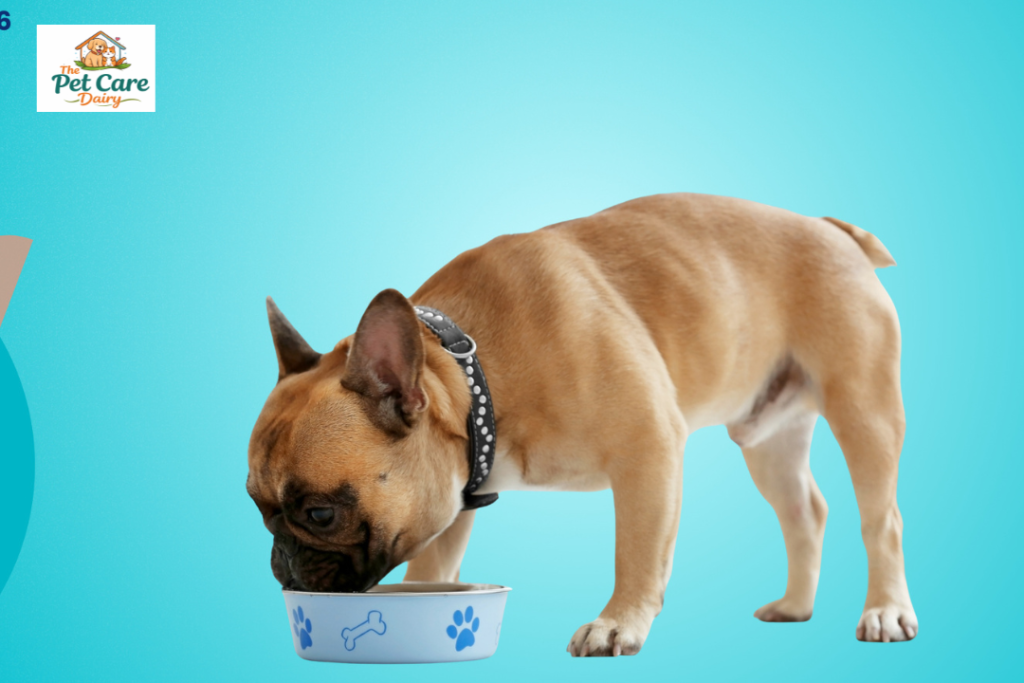
Another major development is the growing awareness of nutrition as a key factor in pet health. Pet owners are paying closer attention to the ingredients and nutritious value of pet food. High-quality protein, healthy fats, vitamins, and essential minerals are essential for maintaining strong muscles, healthy skin, and a shiny coat. In 2026, many pet food brands offer specialized diets tailored for different life stages, such as puppies, kittens, adults pets, and senior animals. Some diets also target specific health conditions like digestive problems, joint health, or weight management.
Technology is also playing a significant role in modern pet health care.
Smart collars, GPS trackers, and health-monitoring devices help pet owners track their pets’ activity levels, sleep patterns, and even heart rate. These tools allow owners and veterinarians to identify changes in behavior or health more quickly. Tele-veterinary services are becoming increasingly common, allowing pet parents to consult veterinarians online for minor health concerns, which saves time and improves accessibility to professional advice.
Mental health and emotional well-being have also become key parts of pet health in 2026. Just like humans, pets can experience stress, anxiety, and boring. Lack of mental stimulation can lead to behavioral problems such as destructive chewing, excessive barking, or aggression. To address this, pet experts recommended daily play sessions, training exercises, puzzle toys, and social interaction to keep pets mentally engaged and emotionally balanced.
For more such pet care information, connect with us today: https://thepetcarediary.com