Pet Lifestyle Trends 2026: How Modern Pet Products Are Designed to Live With Us
Pet care is expanding beyond wellness.
Pet lifestyle trends in 2026 reflect a shift toward modern pet accessories, elevated homeware, and design-led products that integrate seamless into everyday life. From dog walking gear to feeding accessories, pet parents are choosing pieces that align with how they live and style their homes.
The same care and intent shaping how we feed, support, and look after our pets is now shaping how they live with us – at home, on walks, and in everyday life.
In 2026, pet lifestyle is becoming calmer, more considered, and more integrated into how we already live. Here are the shifts shaping modern pet living.
Cloud Dancer Sets the Tone
Pantone’s Color of the Year for 2026, Cloud Dancer, marks a cultural shift towards calm, softness, and clarity.
That influence is showing up in pet accessories too – with collars, leads, beds, and bowls moving into soft off-whites, warm neutrals, and muted pallets that feel like a blank canvas rather than a statement.
Pet products are increasingly chosen the same way interiors and clothes are: for how they make a space feel.

Hands-Free Walking Becomes the Default
Dog walking gear is no longer just functional – it’s wearable.
Crossbow and adjustable leads are becoming everyday essentials, designed to move with you and sit comfortably as part of what you’re already wearing. Practical, yes – but also effortless and considered.
Walking accessories are now designed with both ends of the lead in mind.
Home-Worthy Bowls and Feeding Accessories
Eating accessories are no longer tucked away between meals.
Ceramic bowls, sculptural forms, and cool finishes are designed to live out in the home – sitting comfortably in kitchens and living spaces rather than being hidden away.
Mealtimes have become part of the home aesthetics.
Pets That Fit Your Aesthetic
Pet accessories are increasingly selected to align with an owner’s personal style.
Matching leads and collars, co-ordinated colourways, and thoughtfully designed sets make it easier for pets to feel visually part of everyday life – rather than a separate category altogether.
Pet style is becoming an extension of how we already dress and design our houses.
Natural Materials, Elevated
Material selection is becoming a key quality signal.
Wool, organic cotton, leather, and other natural fabrics are taking priority – valued for their texture, durability, and tactility. These materials feel warmer, more thoughtful, and designed to age well over time.
The focus is shifting toward pieces that feel good to live with, not just good to purchase.(
A Wider Expression of Care
These lifestyle shifts aren’t about trends for their own sake.
They reflect a wider mindset change – where pet care is integrated into how we live, design our spaces, and move through everyday life.
That’s the lens we curate through at Reva: calm, considered pieces chosen with intent, and always with the best for your pets in mind.
One of the biggest lifestyle trends in 2026 is the increasing focus on pet health and wellness. Pet owners are investing more in preventive care, supplements, and personalized diets designed to improve longevity and quality of life. From fresh food meal plans to probiotics and joint supplements, nourishment is becoming a central part of pet lifestyle planning. In fact, a large share of global pet spending now goes toward health and wellness products aimed at helping pets live longer and healthy lives.
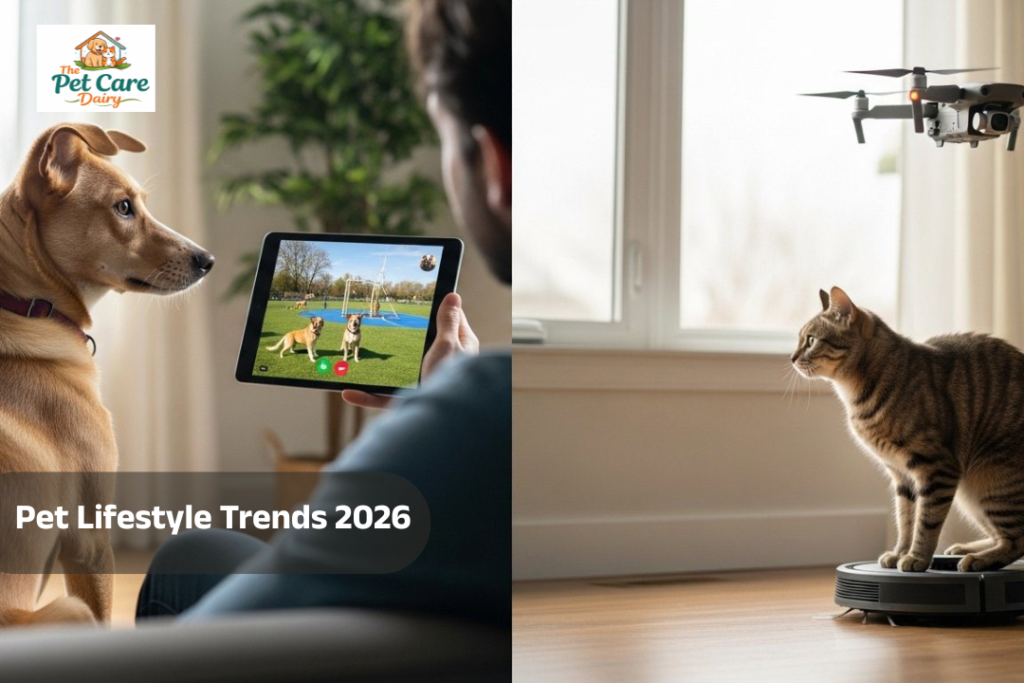
Technology is also reshaping the way pets live. Smart collars, automated feeders, GPS trackers, and health-tracking wearables are becoming common in modern homes. These devices allow owners to track their pet’s activity, eating habits, and even sleep patterns. The market for pet technology is growing rapidly as more households adopt connected devices that improve safety and health tracking.
Another significant trend is the rise of mental enrichment and emotional care for pets. Experts now recognized that pets require mental stimulation just like humans. As a result, enrichment toys, puzzle feeders, scent games, and interactive play tools are becoming popular. These products help reduce boredom and prevent harmful behavior by engaging a pet’s natural instincts.
Sustainability is also influencing pet lifestyles. Many pet owners are choosing eco-friendly products such as biodegradable waste bags, natural grooming products, and durable packaging. Brands are answering by creating environmentally responsible products that align with the values of modern consumers.
Luxury and premium products are another growing trend. Designer pet furniture, orthopedic bedding, spa grooming services, and customized accessories are becoming common among pet owners who want to provide the best possible living environment for their animals. The global market for pet accessories continues to growth as more people invest in products that improve their pets’ comfort and lifestyle. The influence of younger generations, especially Gen Z pet parents, is also shaping pet lifestyle trends. These owners tend to prioritize moral sourcing, sustainability, digital technology, and personalized experiences for their pets. They are also more likely to share their pets’ lives on social media, turning pets into influencers and online celebrities.

Final Thoughts
Pet lifestyle trends in 2026 show a clear shift towards health, technology, sustainability, and emotional connection. Pets are living more enriched and comfortable lives as owners invest in better nourishment, smart technology, and premium care products. As the bond between humans and pets continues to grow strong, the future of pet care will focus even more on personalized experiences and innovative solutions that improve the quality of life for both pets and their families.
How Modern Pet Products Are Design to Live With Us reflect a major shift where pets are no longer treated as just animals but as integral members of the family, influencing how products are designed and used in everyday life. One of the biggest trends is “pet humanization,” where owners invest more in premium, comfortable, and stylish products that blend seamlessly with home interiors—such as designer pet beds, cat sofas, and aesthetic furniture that matches modern decor.
Another key trend is the rise of smart pet technology, including GPS trackers, health-tracking collars, and automated feeders that allow owners to track activity, health, and behavior in real time. These innovations are designed to fit into hectic lifestyles, giving convenience and peace of mind while ensuring pets receive proper care even when owners are away.
Convenience-driven products are also becoming popular, such as self-cleaning litter boxes and automated grooming tools, reducing daily effort for pet owners. At the same time, there is a strong demand for wellness-focused products, including high-quality nutrition, supplements, and preventative healthcare solutions, as pet owners increasingly prioritize long-term health and longevity.
The relationship between people and their pets has changed dramatically over the last decade, and in 2026, pets are more integrated into everyday life than ever before. No longer viewed merely as animals living in the home, pets are increasingly considered family members whose comfort, health, and happiness influence purchasing decisions, home design, technology adoption, and lifestyle choices. As a consequence, modern pet products are being designed not just for pets, but for the shared living spaces where humans and animals coexist. This shift is transforming the pet industry and creating a new generation of products that blend functionality, style, technology, and wellness into daily life.
One of the biggest trends shaping pet lifestyles in 2026
is the rise of pet-friendly home design. Modern pet owners want products that supplement their interior décor while meeting their pet’s needs. Traditional pet beds, feeding stations, and scratching posts are being replaced by stylish furniture-inspired designs that blend seamlessly into living rooms, bedrooms, and workplaces. Manufacturers are focusing on aesthetics as much as functionality, creating products that enhance both the pet’s experience and the home’s appearance.
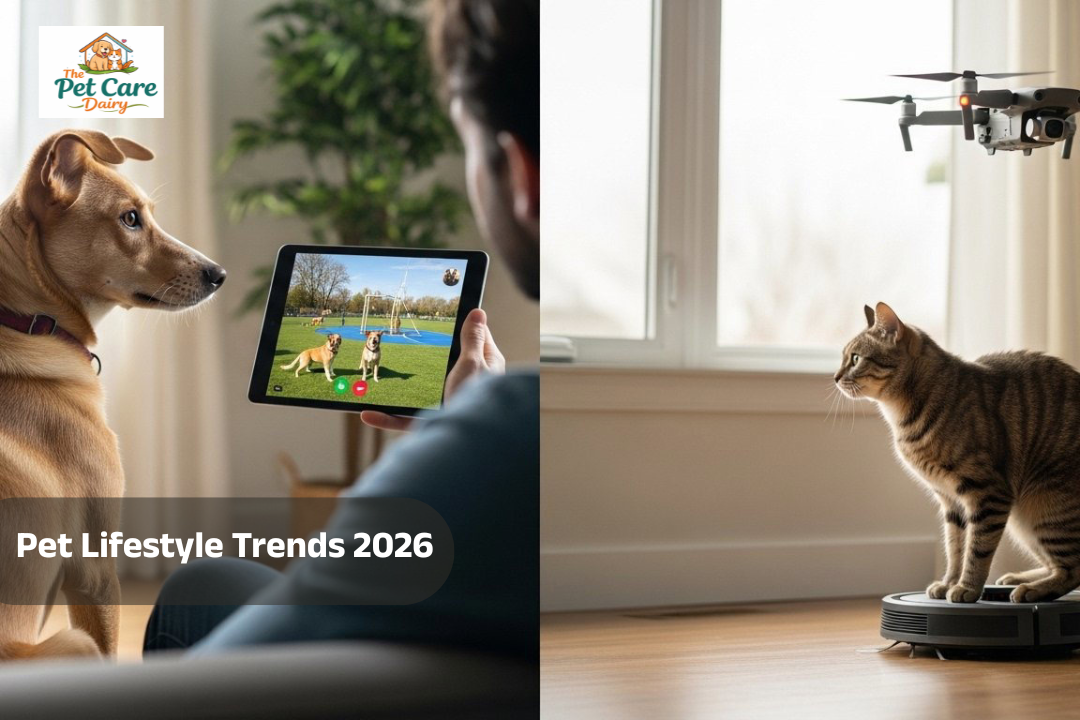
Smart technology has also become a major part of modern pet living. Automated feeders, GPS trackers, smart collars, pet cameras, health-monitoring wearables, and AI-driven devices allow owners to stay connected with their pets throughout the day. These innovations help monitor activity levels, eating habits, sleeping patterns, and even health indicators. For busy pet parents, technology provides peace of mind while making pet care more convenient and personalized than ever before.
Health and wellness continue to drive product development. Pet owners are increasingly seeking products that support physical and mental well-being. Orthopedic beds, ergonomic feeding systems, soothing products, enrichment toys, puzzle feeders, and fitness-focused accessories are becoming household essentials. Many modern pet products are designed to reduce stress, promote exercise, improve mobility, and support healthy aging. This reflects a increasing understanding that pet wellness extends beyond medical care and includes comfort, enrichment, and emotional health.
Sustainability is another powerful trend influencing product design in 2026.
Environmentally aware consumers are looking for eco-friendly pet products made from recycled materials, sustainable fabrics, biodegradable components, and responsibly sourced ingredients. From eco-friendly toys and compostable waste bags to sustainable pet furniture and packaging, brands are responding to demand for products that support both pet welfare and environmental accountability.
The rise of remote and hybrid work has also impacted pet lifestyles. As more people spend time working from home, products are being developed to help pets conveniently share living and working spaces. Modern pet furniture, interactive toys, quiet resting areas, and workplace-friendly pet accessories allow owners to remain productive while ensuring their pets remain comfortable and engaged throughout the day. Many homes are now intentionally designed with pet-friendly features that accommodate both human and animal needs.
Personalization has become a defining characteristic of modern pet products. Owners increasingly expect customized nutritional plans, personalized accessories, breed-specific products, and tailored wellness solutions. Advances in technology and data-driven pet care permit manufacturers to develop products that meet the unique needs of individual pets based on age, size, activity level, and health conditions. This personalized approach helps improve quality of life while strengthening the bond between pets and their owners.
For more such pet care information, connect with us today: https://thepetcarediary.com