How to Take Care of Your Persian Cat in India?
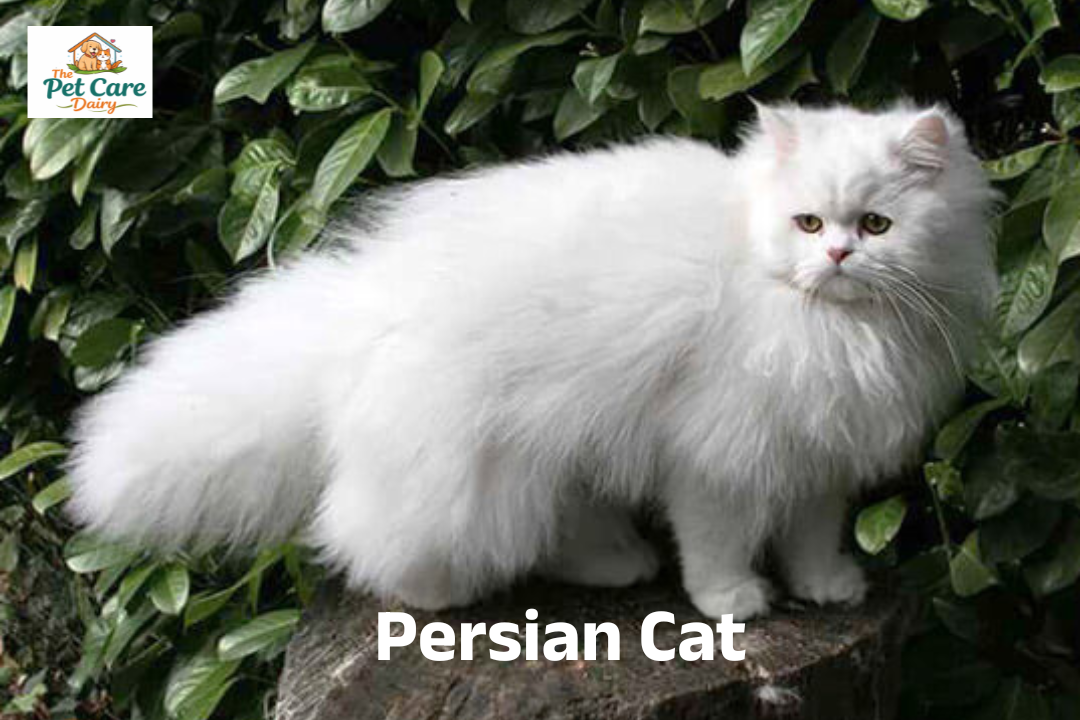
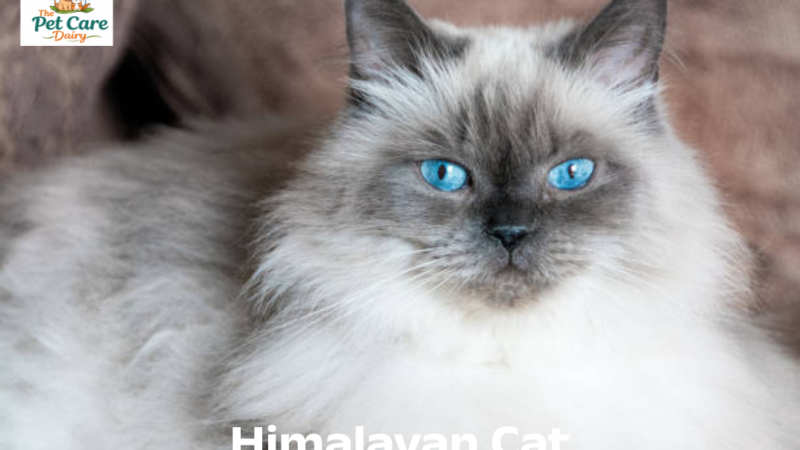
Persian Cats are probably the most popular breed of cats across India and the rest of the world. They have won millions of hearts with their smooched faces, large eyes and luscious fur. But, do you know how to properly take care of your Persian cat in India?
These extremely sweet, calm and friendly cats have become ever-present in the lives of cat lovers throughout the globe.
Persian cats require a little more veterinary care due to their unique facial features and fur coat quality. Regular veterinary visits and grooming sessions are necessary for the health and well-being of Persian cats in the Indian climate.
Many cat parents choose the Vetic Pet Clinic in Thane and other places near them for annual vaccinations and grooming of their Persian furbabies.
Why do you need to clean the face and fur of Persian cat in India regularly?
First, let us understand the distinguishing physical characteristics of the Persian Cat breed. Only then we will be able to gauge why your Persian kitty requires special care to live healthfully and happily.
Persian cats in India frequently face skin issues and breathing issues due to the high humidity, pollution and temperatures.
Persian cats are brachycephalic (flat-sided) with long flowing fur, which poses a double challenge – keeping their facial folds clean and their fur free from knots.
A flat face means multiple skin folds. Not cleaning the face of a Persian cat routinely will cause dirt to accumulate in the folds. Persian cats who do not undergo facial cleaning routinely can experience the following types of discomfort –
Infections of the skin folds on their face
Respiratory distress from blocked nostrils (too much dust/allergen)
Permanent tear spots
Not combing their fur daily can lead to multiple problems –
The knotting of the fur near the belly, armpit and neck regions
Too much knotting can lead to clots of fur that create a hard shell of fur around the body.
Excessive grooming that leads to hairball formation in cats
Skin infections arising from dust, dirt and microbe build-up in the matted fur
Opting for a regular grooming package can save a lot of money. Hear it from the thousands of pet parents who have chosen Vetic Pet Clinic for the grooming and post-grooming check-up of their Persian cats.
How to groom your Persian cat’s coat?
Introducing daily brushing and combing when they are still kittens. You can always follow up brushing with a Persian-friendly treatment.
Positive reinforcement and positive associations work wonderfully in training cats.
The first step is finding the correct comb that works on the thick Persian cat fur. A double-toothed steel comb works better than regular cat brushes.
In the case of Persian cats, you need to brush the top coat and the dense undercoat. You can also invest in a sturdy deShedding brush or a flickr-type brush. They can remove the excess free fur that forms the tangles.
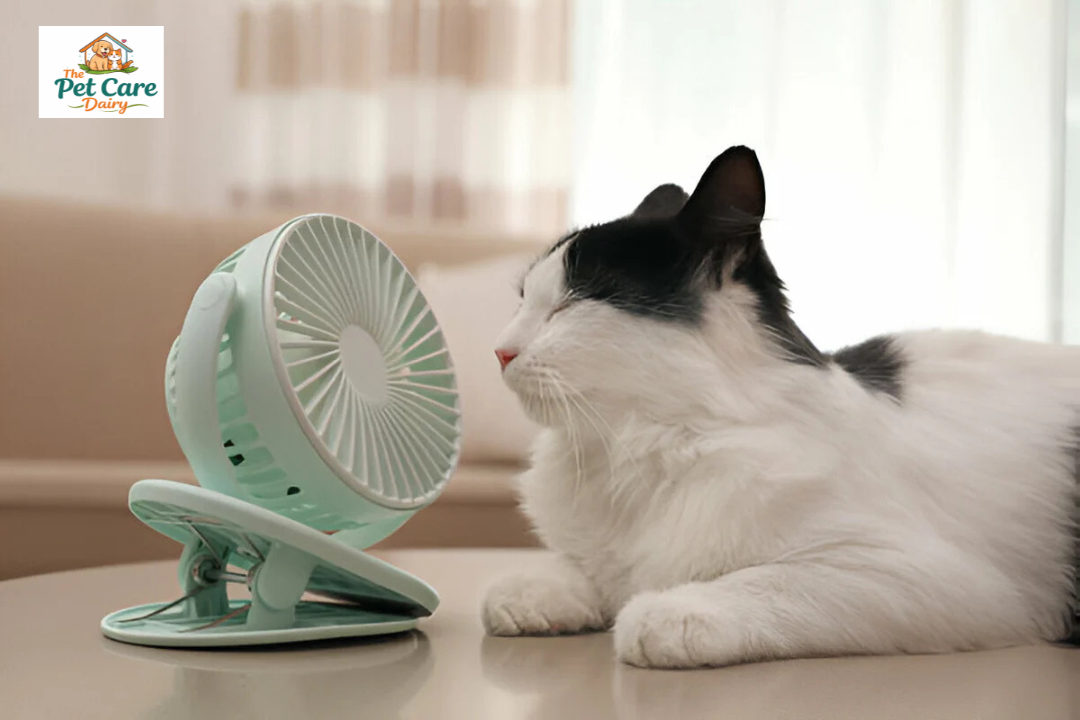
Taking care of a Persian Cat in India requires special attention to grooming, climate management, nutrition, and cleanliness due to its long coat and flat face. Persian cats are sensitive to heat, so it is important to keep them in a cool, well-ventilated indoor environment, especially during Indian summers — using fans or AC can help prevent overheating. Their thick fur needs daily brushing to avoid tangles, matted, and hairballs, while regular bathing (every 3–4 weeks) keeps their coat clean and healthy.
One of the most important aspects of Persian cat care is eye cleaning, as they are susceptible to tear staining due to their flat facial structure. Gently wiping their eyes daily with a soft cloth helps maintain hygiene. Feeding a high-quality, balanced diet rich in protein supports their coat health and overall well-being, and fresh water should always be accessible. Maintaining a clean litter box and a calm indoor environment is also essential, as Persian cats prefer quiet and comfortable environments.
The proper way to brush a Persian’s fur is by working with small areas. Part the fur, starting on the outer coat and then going to the undercoat. Always brush in the direction of the hair growth.
Use the slicker or deshedder to remove all excess fur as you move from the head to the tail.
Once done, you can go over your cat’s fur coat with a broad-toothed comb for a smooth finish.
With a Persian, brushing every day should be the norm. If you miss brushing multiple days in a row you should visit a professional grooming clinic that is acquainted with the grooming needs of Persian cats.
You can use a comfortably warm and wet cloth to clean your Persian’s nose every day. It will remove the excess dust and allergen build-up, which often causes Persians to sneeze frequently.
Wipe your cat’s nose at least once a day. And wipe it more often if it becomes blocked.
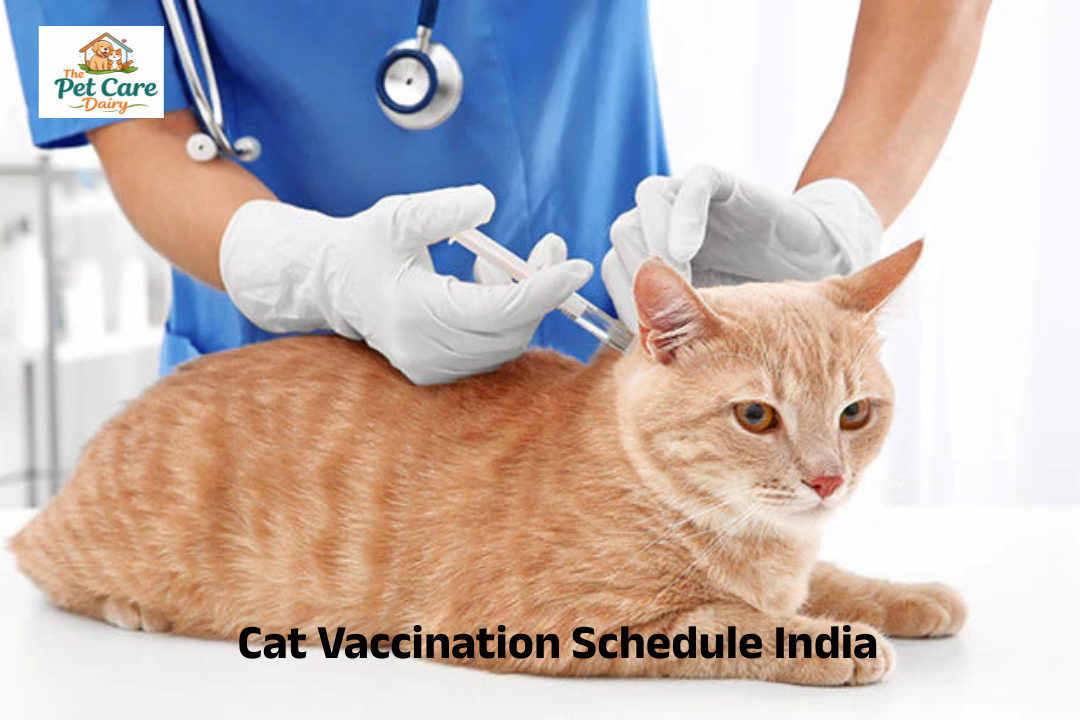
And ALWAYS keep your Persian protected from upper respiratory tract infections (URI) by vaccinating them on time.
Cleaning their nose and surrounding skin creases is not enough, you also need to clean their tear stains.
Since Persians have large (almost protruding) eyes, their eyes produce tears continuously. The tears keep running to keep their eyes moist and clean, but they overflow and create stains.
Tear stains will turn yellow or brown if you don’t clean their eyes regularly with a soft, damp cloth.
Not cleaning tear stains will also lead to skin infections, irritation and eye problems.
Even with routine cleaning, your Persian will need professional grooming and facial cleaning to prevent permanent staining under the eyes.
Why does your Persian Cat require regular health checkups?
Unfortunately, Persian cats are prone to some of the most complex health issues. Some of them are prone to chronic heart conditions such as Hypertrophic cardiomyopathy (HCM), while others develop polycystic kidney disease (PKD).
There is no way to tell which cat will develop any of these complicated health issues. There is no prevention of HCM or PKD. You can only opt for routine health checkups that can catch the disease(s) in its very early stages.
HCM is the most common heart disease diagnosed in dogs. As many as 1 in 7 cats are diagnosed with HCM each year.
Polycystic Kidney Disease (PKD) is an inherited disorder.
While you can’t prevent it, you can gain some idea of your cat’s kidney health by following up on the health of their mother, father and litter siblings. However, again, there is no medicine to prevent PKD. Only those that can treat it if diagnosed at a very early age and stage.
Persian cats are among the most beautiful and popular cat breeds in India, loved for their luxurious long coats, sweet personalities, and cool nature. However, their unique appearance and physical attributes mean they require more care than many other cat breeds. India’s hot climate, humidity, dust, and seasonal climate changes can present additional challenges for Persian cat owners. With proper grooming, nutrition, healthcare, and environmental management, Persian cats can live happy, healthy lives and often reach 12–17 years of age.
One of the most important aspects of Persian cat care is grooming. Their long, thick coat can easily become matted and matted if not brushed regularly. Daily brushing helps remove loose hair, stops knots, and reduces hairballs. During India’s summer months, grooming becomes even more important because heat and humidity can make the coat uneasy. Some owners choose professional grooming services to keep the coat manageable, especially during hot climate.
India’s climate requires special attention to temperature management.
Persian cats are more vulnerable to heat than many other breeds because of their dense coats and flat faces. During summer, they should be maintained in cool, well-ventilated rooms with access to fresh drinking water at all times. Air conditioning, fans, cooling mats, and shaded resting areas can help prevent overheating. Avoid exposing Persian cats to direct sunlight for extended periods, especially during the hottest parts of the day.
Nutrition plays a crucial role in maintaining coat quality and overall health. Persian cats benefit from high-quality cat food rich in protein, Omega fatty acids, vitamins, and minerals. A balanced diet supports healthy skin, reduces excessive shedding, and helps maintain a shiny coat. Fresh water should always be available, and wet food can help increase moisture, especially during warmer months.
Persian cats are known for their flat-faced (brachycephalic) structure, which can occasionally lead to tear staining and breathing difficulties. Owners should gently clean around the eyes daily using a soft, moist cloth to remove tear stains and prevent irritation. Regular monitoring of breathing and eye health is important, especially during hot and humid weather.
Maintaining a clean litter box is essential because Persian cats are generally very clean animals. The litter box should be cleaned daily and placed in a quiet, convenient location. Clean living spaces help reduce dust and allergens, which can irritate sensitive eyes and respiratory systems.
Regular veterinary care is vital for preventive health.
Persian cats should follow vaccination schedules, deworming programs, flea prevention treatments, and yearly health checkups. The breed may be susceptible to certain health conditions, including polycystic kidney disease (PKD), eye problems, dental issues, and respiratory concerns. Early diagnosis and regular healthcare significantly improve long-term well-being.
Exercise and mental stimulation are also important. Although Persian cats are comparatively calm and less active than some breeds, they still benefit from toys, scratching posts, climbing structures, and interactive play sessions. Gentle daily play helps maintain a healthy weight and provides mental enrichment.
For more such pet care information, connect with us today: https://thepetcarediary.com