Chihuahua puppies helth Care Tips Chihuahua-Loving Veterinarian
Chihuahua care has its own set of joys and challenges. Keeping these cute pint-sized pups healthy requires dedication and attention to some specific details. Integrative Veterinarian Dr. Julie Buzby recently welcomed a Chihuahua named Beanie to her heart and home. Based on that experience, and her newfound & unpredictable passion for Chihuahuas, she compiled these five Chihuahua care tips.
Looking for a small dog breed with a big personality? Chihuahuas are just that. Affectionally called “Chis” by their fans, Chihuahua dogs are loving with those they trust and tend to bond closely with their families. They are excellent companions and even better lap dogs.
Documents suggest that conquistadors in the 16th century found many small dogs in the Mexico state now known as Chihuahua. They become more well known as house pets around the early 20th century, and The American Kennel Club (AKC) officially recognized the Chihuahua dog breed in 1904.
These little dogs top out around 6 pounds and only stand about 5–8 inches tall. There are long-haired Chihuahuas and those with short coats, and they have two different skull shapes: “apple head” and “deer head.”
Caring for a Chihuahua
Chihuahuas make great family pets because they are faithful, loving, and always want to be by their human’s side. Their small size makes them easy to take with you on trips and errands, although they can be feisty and bark at other people and dogs.
Though small in physique, Chihuahuas are high-energy dogs and require lots of playtime and activity. Daily exercise with walks and indoor playtime helps maintain their physical and mental health. When they feel nervous, they will bark–and sometimes forget how truly tiny they are. It’s vital for Chihuahua parents to monitor their dog closely whenever they’re around other animals and unfamiliar people.
Chihuahuas are average shedders. While grooming specifics depend on whether you have a short-haired or long-haired Chihuahua, their coat care is comparatively low-maintenance. The biggest part of your care regimen will be their teeth, which need to be brushed daily to prevent dental disease.
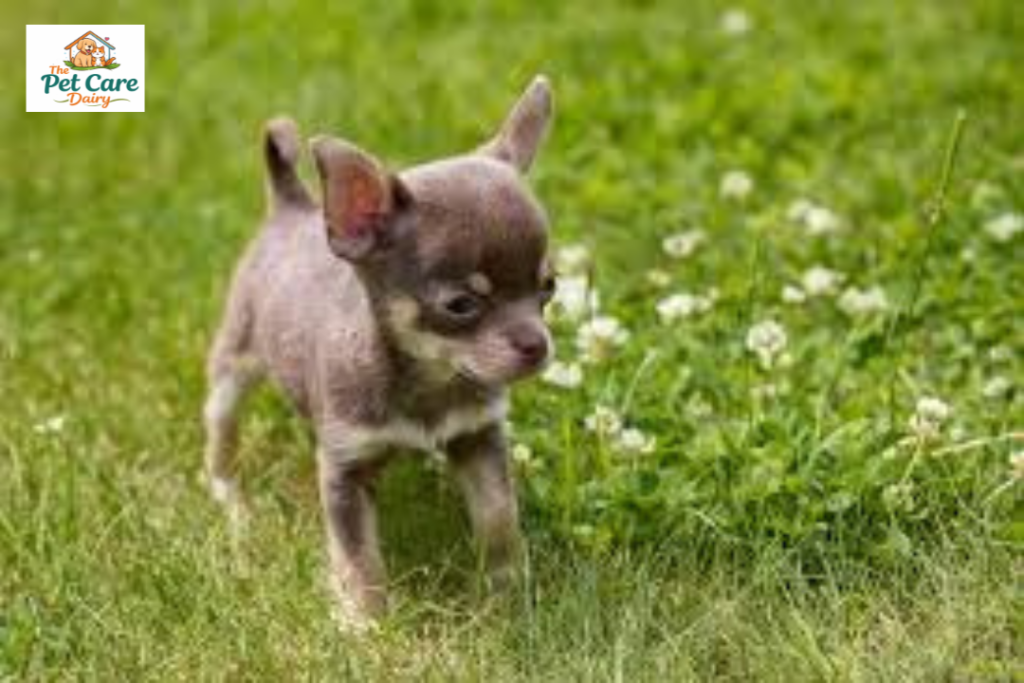
Chihuahua Health Issues
The average Chihuahua lifespan is 14–16 years; they’re actually one of the longest-lived dog breeds.
Along with their long lifespan, Chihuahuas are generally healthy. But, like all dogs, they are susceptible to certain medical conditions.
Obesity
Weight gain can sometimes be difficult to notice, especially in long-haired Chihuahuas. The gains are usually due to poor diet and lack of exercise. Obesity in dogs can lead to diabetes, joint issues, and heart and respiratory diseases.
Luxating Patellas
Patellar luxation is a condition where the kneecap slides out of its normal position, causing discomfort, limping, and arthritis if it becomes a chronic issue. These dogs will be seen occasionally skipping and holding up a back leg while walking.
Frequently, the patella returns back to the correct position on its own or with a gentle massage of the area. Surgery is recommended in severe cases.
An appropriate diet to avoid weight gain, regular exercise, joint supplements, and physical therapy can be helpful to prevent this condition from deteriorating.
Periodontal Disease
Periodontal disease, or dental disease, is commonly seen in Chihuahuas because it’s easy for teeth to overcrowd their tiny mouths. This overcrowded leads to tartar build-up and plaque development. On top of that, many Chihuahuas retain their baby teeth, crowdeding the mouth even further.
Regular teeth brushing, dental cleanings, and surgical removal of any lingering baby teeth will help keep your Chi’s mouth healthy.
Collapsing Trachea
Collapsed trachea is a condition where the main airway (the trachea) that allows air to enter and exit the lungs begins to collapse on itself. It is secondary to weakness in the cartilage that normally holds this tube open, and it is believed that genetics are the main cause.
Coughing (often described as “goose-honking”), wheezing, and respiratory discomfort are the main clinical signs. It is a chronic and progressive process, which means the signs will worsen with age. Mild cases often require no treatment, while moderate to severe cases require weight management, diminishing allergens in the environment, and cough suppressants. If all other remedies fail, surgery might be recommended.
To protect their trachea, pet parents should walk their Chihuahua on a harness rather than clipping a leash to their collar.

heart disease
Congestive heart failure is the leading cause of death in older Chihuahuas and most frequently related to chronic degenerative mitral valve disease. This specific condition weakens the valve on the left side of the heart, causing blood to leak backward. This ultimately leads to heart enlargement, increased stress on the heart, and congestive heart failure.
Chihuahuas are also prone to congenital heart issues such as patent ductus arteriosus (PDA), where a blood-carrying vessel doesn’t close after birth, leading to an overload of blood being carried to the lungs. Clinical signs of heart disease include
Frequently, your veterinarian will hear a heart murmur during an examination, which can be the first indicator of underlying heart disease. PDAs require surgery for appropriate therapy. Chronic depressive valve disease is, unfortunately, a progressive process that can require lifelong heart medications and frequent monitoring by a cardiologist.
Hydrocephalus
Hydrocephalus is a congenital abnormality where fluid accumulates within the brain. Clinical signs include seizures, confusion, bulging eyes, weakness, and ataxia (a “drunken” gait). Mild cases are often medically managed, while severe cases may require surgery.
Eye Problems
Part of the Chihuahua’s appeal is their extra-large, expressive eyes. But they can inherit a handful of eye conditions, including glaucoma, chronic dry eyes, and cataracts. Clinical signs of these conditions include
The Chihuahua is one of the smallest dog breeds in the world, known for its tiny size, big personality, and cute appearance. Originating from Mexico, this breed is named after the state of Chihuahua and has become a popular companions dog worldwide. Despite its small stature, the Chihuahua is confident, alert, and often surprisingly bold, sometimes behaving as if it is much larger than it actually is. It typically weighs between 1.5 to 3 kilograms and comes in both short-haired and long-haired varieties, with a wide range of coat colours.
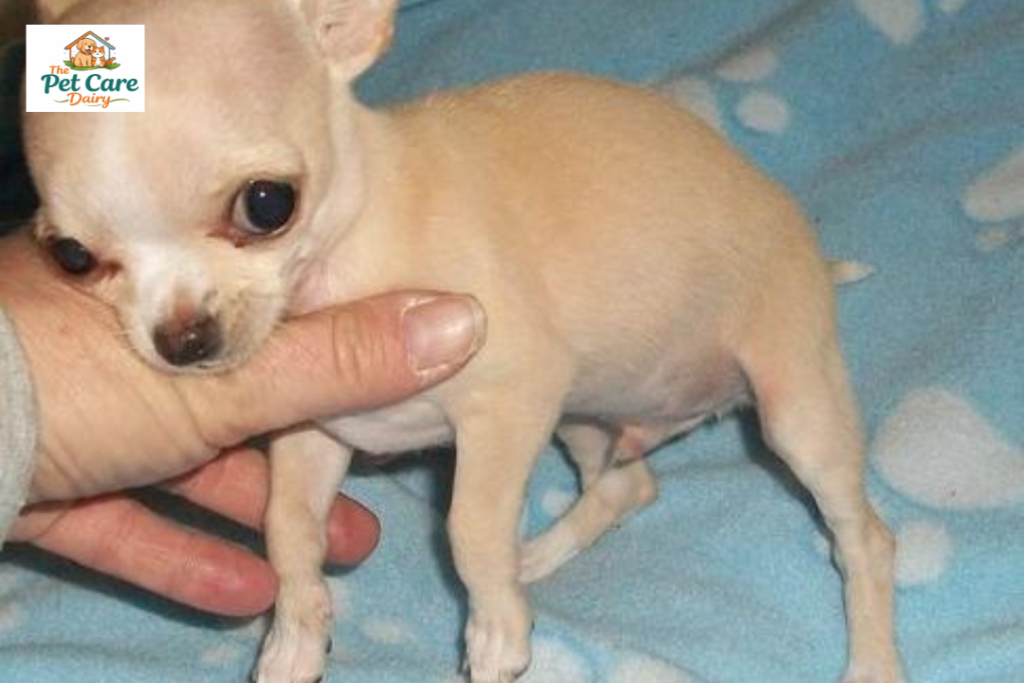
Chihuahuas are highly loyal and tend to form a strong bond with a particular owner, making them excellent lap dogs and companions. They are well-suited for apartment living due to their smaller size and low space requirements. However, they can be sensitive to cold weather and may need extra care, such as warm clothing, during winter. Proper training and socialization are important, as they can sometimes become excessively protective or aggressive towards strangers if not guided correctly. With the right care, attention, and attachment, a Chihuahua can be a loving, energetic, and devoted pet, bringing joy and companionship to any household.
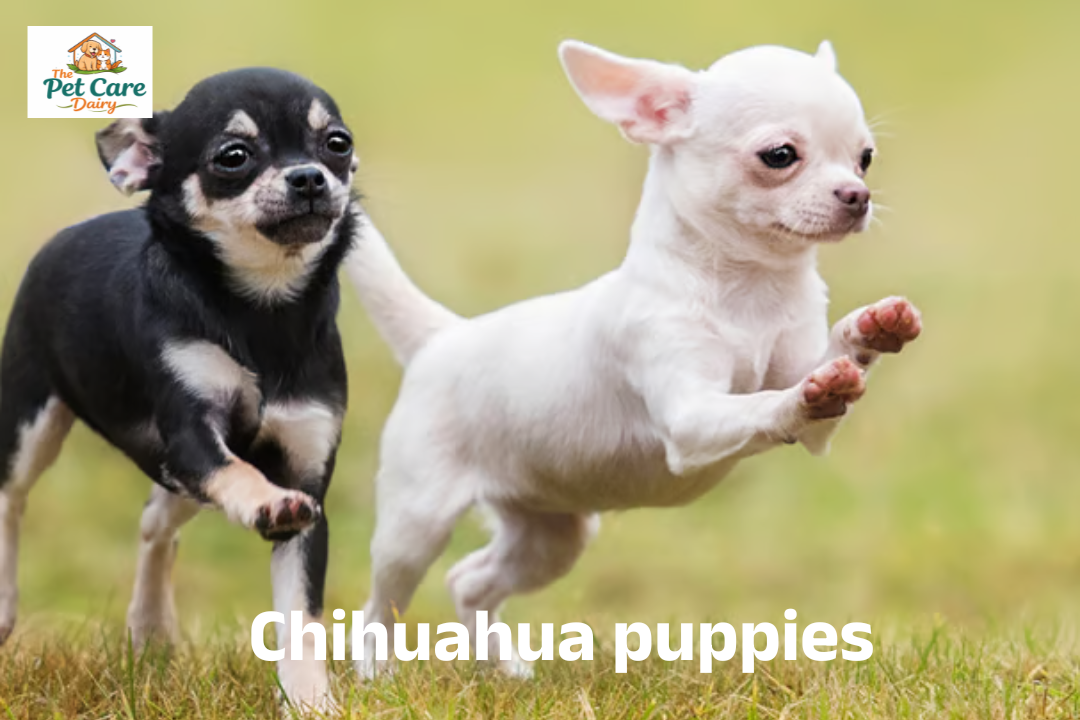
Chihuahuas may be the smallest dog breed in the world, but they have bigger personalities and unique healthcare needs. Growing a healthy Chihuahua puppy requires special attention to nutrition, warmth, socialization, dental care, and preventive healthcare. Because of their tiny size and delicate bodies, Chihuahua puppies can be more vulnerable to certain health issues than larger breeds. With proper care during the first year of life, these energetic little dogs can grow into healthy, confident companions that frequently live 14 to 18 years or longer.
One of the most important aspects of Chihuahua puppy care is maintaining proper nourishment. Due to their small size and fast metabolism, Chihuahua puppies need regular meals throughout the day to maintain steady blood sugar levels. Young puppies may be prone to hypoglycemia (low blood sugar), which can cause weakness, trembling, lethargy, or even seizure if left untreated. Feeding a high-quality puppy food designed for small breeds and following a consistent feeding schedule helps support healthy growth and energy levels.
Keeping Chihuahua puppies warm is another essential consideration.
Because they have very little body fat and a small body mass, they can become cold more easily than bigger dogs. Providing soft bedding, warm sleeping areas, and protection from cold weather helps keep them comfortable. During winter months or in air-conditioned environments, some Chihuahuas may benefit from wearing lightweight sweatshirts or jackets.
Socialization should begin early to help prevent fearfulness and anxiety later in life. Chihuahua puppies should be gently introduced to various people, sounds, environments, and experiences in a positive manner. Early socialization helps building confidence and encourages friendly behavior. Although Chihuahuas are naturally loyal and affectionate, they can become excessively protective or timid if not properly socialized during puppyhood.
Because of their tiny size, Chihuahua puppies require careful handling. Children should be taught how to hold and interact with them securely to prevent accidental injuries. Falls from furniture, beds, or steps can cause fractures or other injuries in young puppies. Supervising playtime and creating a safe environment helps reduce risks.
Dental care is especially important for Chihuahuas.
Small breeds are more likely to develop dental disease, plaque accumulation, and gum problems. Introducing tooth brushing at an early age helps establish good habits and supports lifetime oral health. Regular dental care can prevent pain, tooth loss, and infections that may affect overall health.
Routine veterinary care is critical during the first year. Puppies should follow a vaccination schedule, deworming schedule, and parasite prevention plan recommended by their veterinarian. Regular checkups help monitor growth, identify potential health issues, and ensure the puppy develops appropriately. Preventive healthcare is one of the best ways to support long-term wellness.
Exercise and mental stimulation are also important. Whereas Chihuahuas do not require intense physical activity, they enjoy short walks, interactive play sessions, and training exercises. Mental stimulation via puzzle toys and positive reinforcement training helps keep them engaged and prevents boredom-related behaviors.
For more such pet care information, connect with us today: https://thepetcarediary.com