The Complete Guide to Pet Training: Building Discipline, Trust, and Lifelong Bonds

Pet training is not about control—it’s about communication.
Whether you have a sporty puppy, a curious kitten, or an adopted adult pet,training forms the foundation of a healthy relationship. Studies show that pets who receive consistent training are up to 60% less likely to develop behavior problems such as aggression, anxiety, or destructive habits. Training builds structure, and animals inherently thrive in environments where expectations are clear.
The most important principle in pet training is continuity. Pets do not understand mixed signals. If jumping on the couch is permitted one day and punished the next, confusion replaces learning. Short, focused sessions — around 10 to 15 minutes — work best because animals, especially young ones, have limited attention spans. Positive reinforcement is scientifically proven to be the most effective method. Reward-based systems using treats, praise, or toys activate dopamine in a pet’s brain, strengthening their desire to repeat good behavior. Punishment-based training, on the other hand, can increase fear and damage confidence.
For dogs, basic obedience commands such as sit, stay, come, and leave it are necessary for safety. For example, a reliable recall command (“come”) can prevent dangerous situations like running into traffic. Early socialization between 8 and 16 weeks of age is critical, as this is when puppies are most responsive to new experiences. Controlled exposure to various sounds, environments, and people reduces fear-based reactions later in life.
Cat training, although often underestimated, is equally possible and beneficial. Cats respond well to clicker training and food motivation. Litter box training, scratching post redirection, and leash training can all be achieved successfully with patience. Kittens learn quickest during their first 3–4 months, making early habit-building extremely important.
Mental stimulation is another important component of training.
Pets who are mentally engaged are less likely to demonstrate destructive behavior. Puzzle toys, scent games, and structured play sessions provide cognitive enrichment. In fact, 30 minutes of mental exercise can exhaust a dog as much as a long physical walk. For high-energy rocks, combining obedience training with agility or task-based learning significantly improves behavior and reduces stress.
One often overlooked aspect of training is emotional awareness. Pets are extremely sensitive to tone and body language. Calm, confident instructions work far better than yelling. Building trust through eye contact, gentle touch, and predictable routines creates a secure environment where learning occurs naturally. Remember, training is not a one-time event; it is a lifelong process that evolves as your pet grows older.
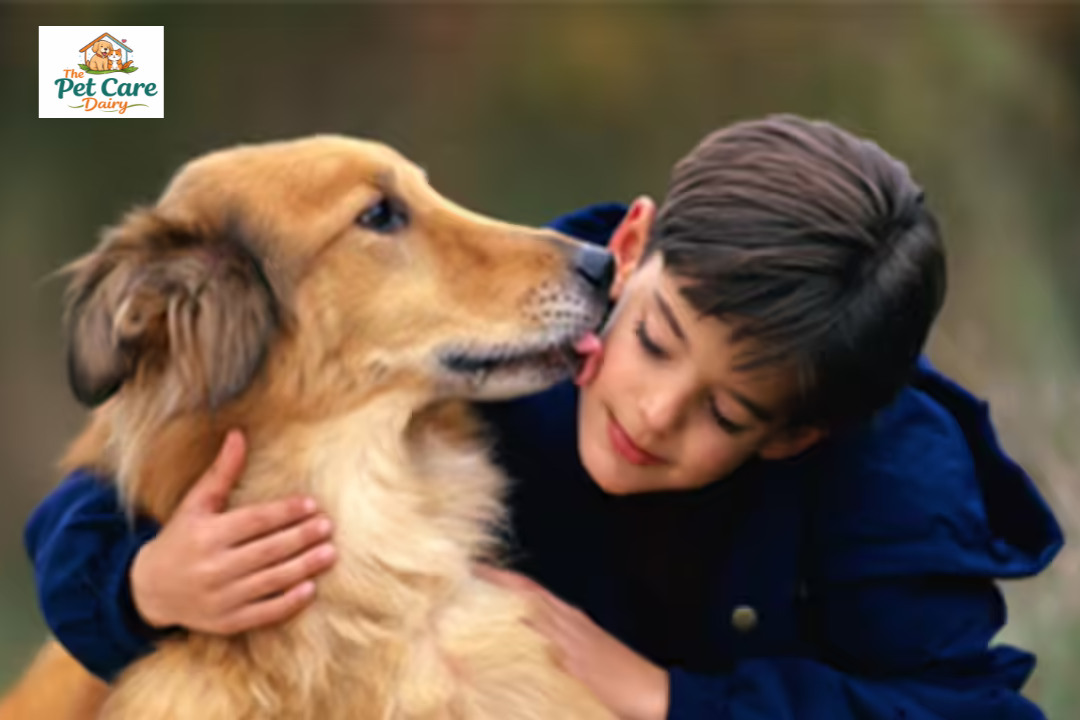
Ultimately, successful pet training is about partnership. It transforms chaos into collaboration and strengthens the human-animal bond in powerful ways. A well-trained pet is not just obedient — they are confident, relaxed, and deeply connected to their master. With patience, structure, and positive reinforcement, any pet can learn, grow, and flourish in a loving home.
One of the most powerful but underestimated parts of pettraining is timing. Animals learn through instant association. If a reward or correction comes even 5–10 seconds late, the connection weakens. For example, if your dog sits but you delay the treat while exploring your pocket, the dog may associate the reward with standing up instead. Precision matters. This is why tools like clicker training are effective — the clicking sound marks the exact moment the correct behavior happens, creating clear communication.

Another key factor is understanding breed tendencies and individual personality. A Border Collie has drastically different energy and mental stimulation needs compared to a Bulldog. Working breeds require structured tasks; Without them, they may invent their own “jobs,” such as excessive barking or chewing. Similarly, shy or rescue pets may need trust-building exercises before formal training begins. For adopted animals, decompression time — often 2–3 weeks — is vital before introducing strict routines.
Crate training, when done properly, is not confinement — it creates a safe den-like space. Dogs are naturally born animals, and a properly introduced crate reduces anxiety and helps with house training. Studies show that structured crate training can decrease separation anxiety behaviors by up to 50% when combined with gradual alone-time conditioning. The key is never use the crate as punishment; it must remain a positive, calm atmosphere.
Leash training is another essential skills that many owners rush.
Pulling on the leash is not stubbornness. it often results from excitement or lack of impulse control. Teaching “heel” or loose-leash walking improves not only behavior but also safety. Repetition in low-distraction environments first, then slowly increasing distractions, creates reliable results. This method, known as progressive desensitization, strengthens focus even in hectic public settings.
Consistency across family members is equally important. If one person permits jumping and another discourages it, training progress slows dramatically. Clear household rules create clarity for the pet. Even tone consistency matters — pets respond more strongly to calm authority than emotional responses.
As pets age, training should evolve. Senior pets may slow down physically but still benefit great from mental exercises. Cognitive richness can help delay cognitive decline, similar to how puzzles support brain health in humans. Teaching new, simple tricks even in later years keeps their brain active and strengthens the bond you share.
Perhaps the most important mindset shift is this: training is not about dominance; it’s about guidance. Modern behavioral science has moved away from obsolete dominance-based methods. Research consistently shows that positive reinforcement builds stronger trust and long-term behavioral sustainability. A pet who feels safe learns faster, responds better, and develops fewer stress-related behaviors.
Ultimately, pet training is an investment. The effort you put into structure, patience, and positive communications during the first year can shape the next 10–15 years of companionship. A trained pet is not just well-behaved — they are confident, safe, and emotionally balanced. And that balance is what turns a house with a pet into a peaceful, happy home.

A crucial but often overlooked layer of pet training is impulse control. Most “bad behavior” is not disobedience; it is unmanaged excitement. Teaching commands like “wait,” “stay,” and “leave it” strengthens the prefrontal decision-making part of a dog’s brain. For example, asking your dog to sit and wait before eating builds patience and self-regulation. Over time, these small structured moments create a calmer overall disposition. Research in canine behavior suggests that dogs trained with impulse-control exercises show lower stress reactions in stimulating environments.
Routine also plays a psychological role.
Animals feel safer when life is predictable. Feeding, walking, playtime, and sleep schedules that stay consistent reduce anxiety-related behaviors like whining or destructive chewing. A predictable environment lowers cortisol (the stress hormone), making learning faster and smoother. Structure creates security, and security builds confidence.
Body language awareness is another advanced training tool. Dogs and cats communicate continuously through posture, ear position, tail movement, and eye contact. A stiff body, tucked tail, or excessive lip-licking may indicate discomfort. Good training respects these signals rather than ignoring them. When pets feel heard, they become more cooperative. Training is a two-way conversation—not a lecture.
For multi-pet households, training becomes even more strategic. Pets observe and learn from each other via social learning. If one dog consistently receives rewards for calm behavior, another may begin copying that behavior. However, competition can also create tension. Individual training sessions combined with controlled group sessions produce better results than training all pets together from the beginning.
Technology is also reshaping modern pet training. GPS collars, automatic treat dispensers, and interactive training apps allow owners to reinforce behavior even when physically remote. While technology should never replace human interaction, it can support continuity — especially for busy households.
Another important area is training for real-world scenarios. Teaching pets to remain calm during grooming, vet visits, car rides, and loud noises (like fireworks or hurricanes) significantly improves their quality of life. Desensitization training—gradually exposing them to small, controlled versions of these triggers—builds resilience. For example, playing low-volume thunder sounds while offering treats can gradually reduce fear responses over time.
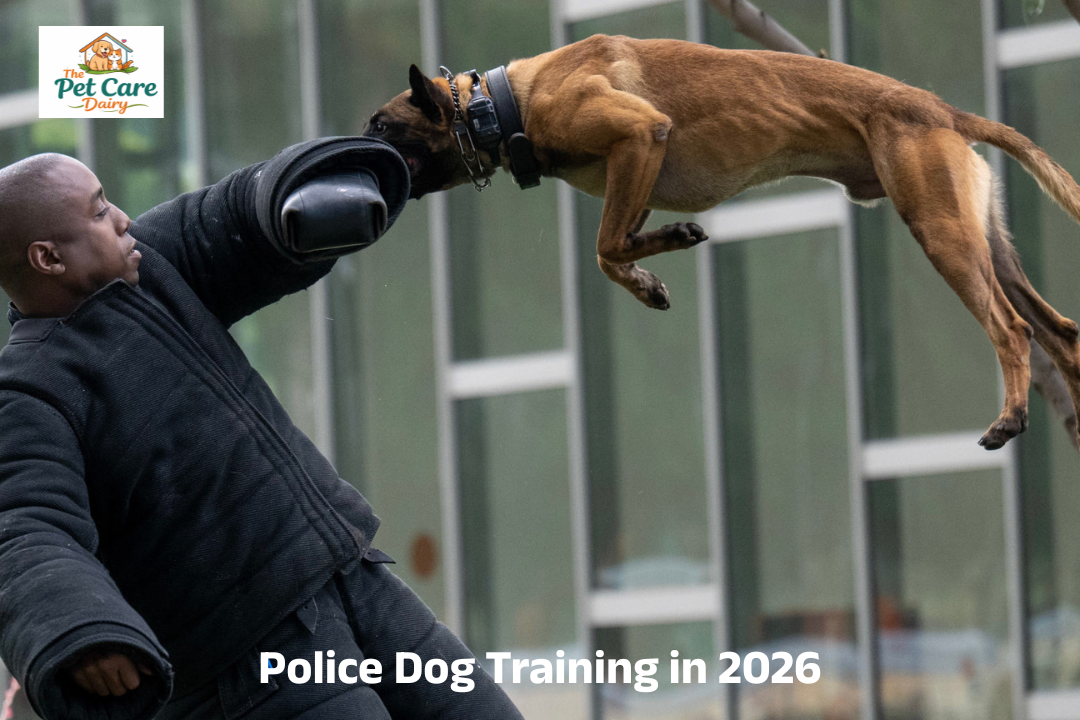
Pet training is one of the most important responsibilities of every pet owner. Whether you have a dog, cat, or another companion animal, proper training helps create a stronger bond, improves communications, and ensures a safer and more enjoyable relationship between pets and their families. In 2026, modern pet training focuses on positive reinforcement, consistency, patience, and understanding animal behavior rather than punishment-based methods. A well-trained pet is often happier, more confident, and better equipped to adapt to different circumstances and environments.
Training should begin as early as possible, especially during a pet’s formative months.
Young pets are naturally curious and eager to learn, making early training an excellent opportunity to establish good habits and prevent undesirable behaviors. However, older pets can also learn new skills successfully with the right approach and dedication. Age is not a barrier to learning, and consistent training can advantage pets throughout their lives.
One of the most effective training methods used today is positive reinforcement. This approach rewards desired behaviors with treats, praise, toys, or attachment, encouraging pets to repeat those actions in the future. Positive reinforcement helps build trust and strengthens the relationship between pets and owners. Unlike punishment-based techniques, reward-focused training creates a positive learning experience that reduces fear and anxiety while improving long-term outcomes.
Basic obedience training is often the foundation of good pet behavior. For dogs, essential commands such as “sit,” “stay,” “come,” “down,” and “leave it” can improve safety and make everyday interactions easier. Cats can also be trained to respond to certain teams, use scratching posts, and follow routines. Teaching these basic behaviors provides structure and helps pets understand expectations within the household.
Consistency is one of the most important factors in successful pet training. Pets learn best when rules, teams, and routines remain predictable. Using the same words, gestures, and rewards helps avoid confusion and reinforces learning. All family members should follow the same training methods to assure that pets receive clear and consistent messages about acceptable behavior.
Socialization is another critical component of pet training. Introducing pets to different people, animals, environments, sounds, and experiences helps them develop confidence and adoptability. Proper socialization reduces fear-based behaviors and makes pets more comfortable in unfamiliar situations. Early exposure to positive experiences can significantly improve behavior and decrease stress later in life.
For more such pet care information, connect with us today: https://thepetcarediary.com