Basic obedience training for your puppy
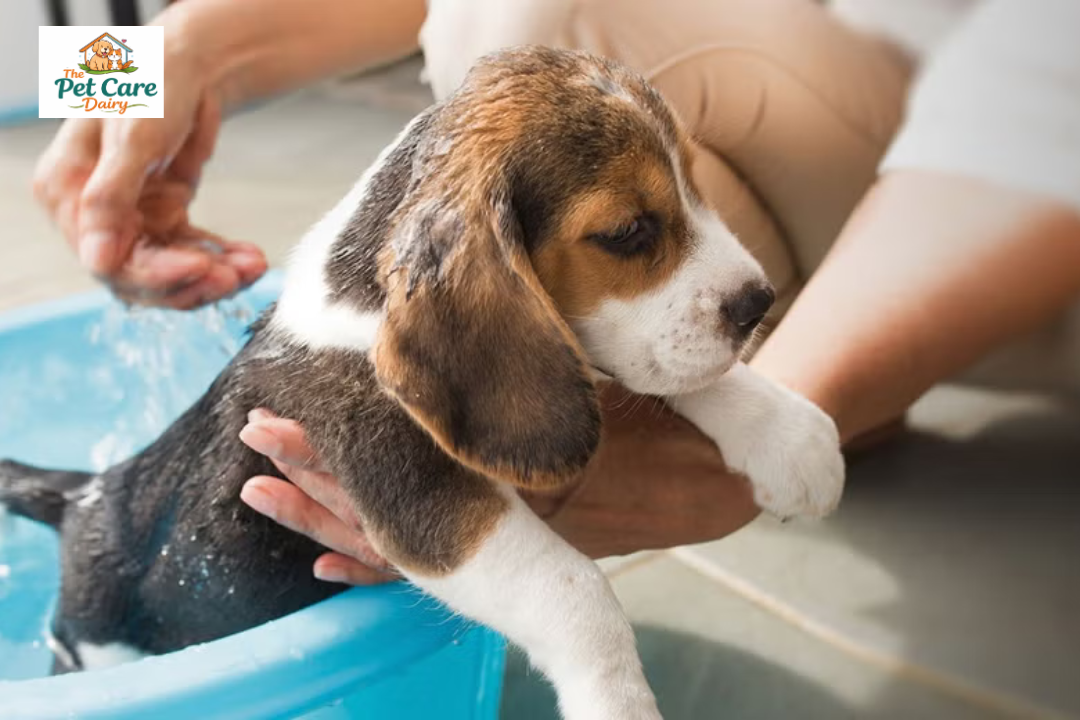
Puppies can begin learning basic obedience techniques at the age of just eight weeks old, basically as soon as you bring them home. It’s important that your puppy views any type of training you do as a positive experience that they look forward to every time.
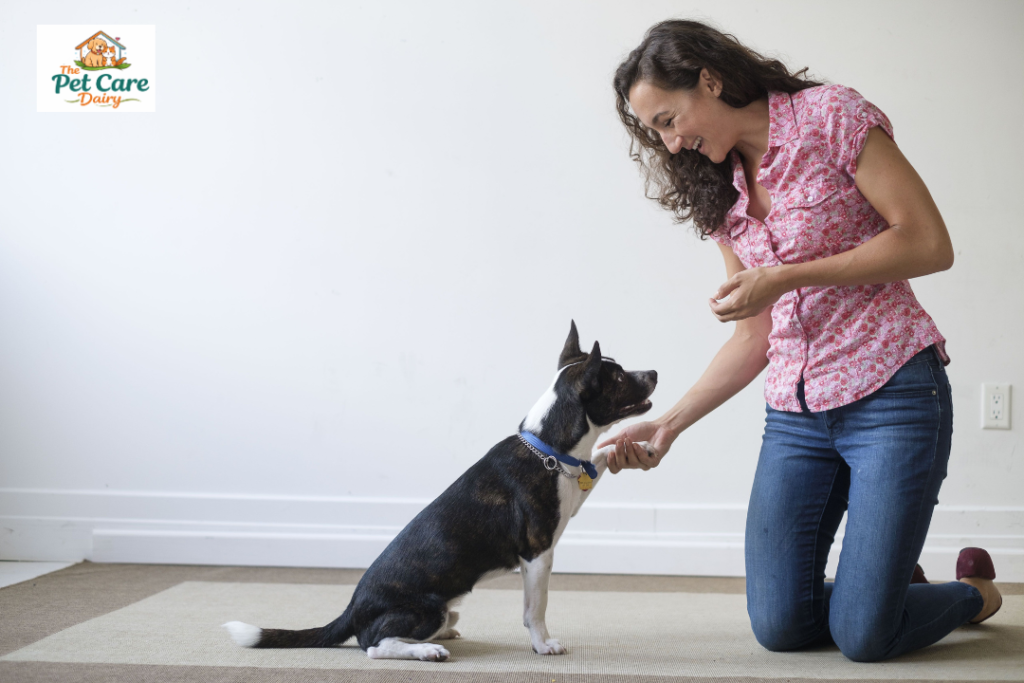
Positive reinforcement is the process of rewarding a puppy once they’ve performed a desired action with something their puppy values. For example, by offering them a toy or their favorite treat when they’ve successfully recognized what’s asked of them they will start to associate this behavior with a reward.
But other than teaching a puppy new abilities, why is obedience training important for your puppy to learn? We will explore this in more detail below.
In This Article
Why is Obedience Training Important?
Obedience Training Supplies Your Puppy Needs
Popular Training Methods
When Should I Start Training My Puppy
What Are The 7 Basic Puppy Commands
When You Should Take Your Puppy To Obedience Training Classes
Key Takeaways For Training A Puppy
WHY IS OBEDIENCE TRAINING IMPORTANT?
Obedience training is an essential part of any puppies‘ life. It provides both mental and physical stimulation which helps to keep your dog feeling happy and satisfied from a job well done. Not to mention will make both of your lives MUCH easier.
Reward-based training helps to improve and reinforce the relationship between both puppy and owner. The most attractive reason for training a puppy is because of the joy and ease it brings to a household. A well-trained puppy is much more enjoyable than a puppy that isn’t socialized or aware of inappropriate behavior. Teaching a puppy to listen to you and learn basic obedience skills allows you to introduce your puppy to more environments, travel more frequently and leave the house without having to worry about coming home to a destroyed living room.
Another desirable factor for training a puppy is an increased level of safety. Common behavioral skills that are vital for a puppy to learn early on include leash training, teaching a puppy to come when called and appropriate socialization skills that teach them how to interact with other people/dogs.
Once you have mastered these skills and start to introduce your puppy to new environments you will have a deeper understanding of them, how they act in certain situations and how to better support them in a given situation.
Obedience Training Supplies Your Puppy Needs
Before you get started on your puppy’s obedience training journey it’s important to be prepared. These five essential elements will help make your training sessions a much smoother experience, and a well-trained puppy in no time.
- Clicker
Clicker training is a positive reinforcement based method (open in new tab) that relies on marking desirable behavior using a ‘clicker’ and rewarding them afterwards. - Treats
Treats can be used as an easy Luring Method when teaching a puppy new behavior - Leash & Harness
Leash training is one of the most effective, and useful training techniques for puppies’ to learn and can be taught as soon as they’re brought home - Barriers
Puppy supplies like crates, pet doors and playpens help to create a more dog-friendly home that allows your puppy to roam freely in an area of your choice - Teething toys
Puppies love to bite, they will chew anything in reach. Having appropriate teething toys for your puppy will make all the difference when it comes to redirecting their chewing behavior.
Popular Puppy Training Methods
There are various methods for training your puppy with new skills, obedience and tricks – it can be difficult to know which one to go for.
Clicker Training
Clicker training is one of the simplest, most effective training methods for teaching a puppy. With clicker training, you simply click the clicker after your puppy successfully performs a given command or trick and reward them with positive reinforcement or treats. Eventually, your puppy will learn that the noise of the clicker is associated with rewards and following commands, which will help to reduce the risk of unwanted behavior later on.
Crate Training
Crate training is a helpful training method for puppies in various situations. A crate can be a safe haven for your puppy to withdraw to, a tool for teaching your puppy how to be house-trained, and a safe way to transport your puppy when you decide to hit the road.
Positive reinforcement
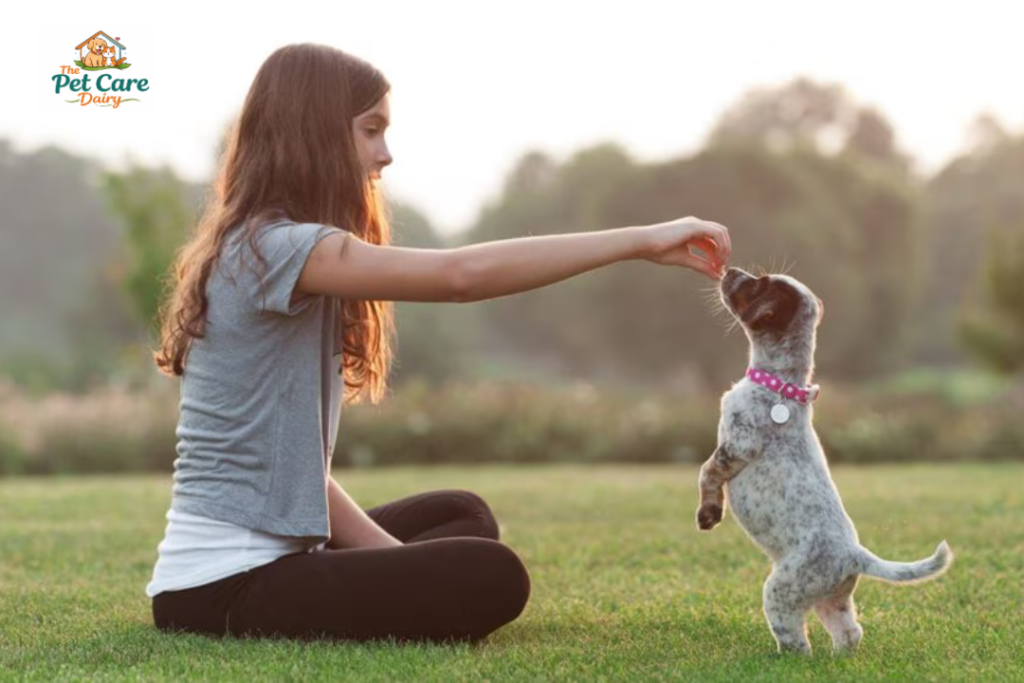
Positive reinforcement is the key to teaching a puppy desirable behaviors by introducing a positive stimulus after your puppy performs how you want them to. Using this behavior reinforces the behavior that you want to see more of and will increase the probability of your puppy behaving appropriately in the future.
There are many ways to encourage your puppy and show them that they are done the right thing. We’ve listed a few:
favorite toys
Treats
Positive tone of voice
Plenty of pats!
Strengthens The Bond Between You & Your Puppy
As you spend more time with your puppy creating new experiences and teaching them new tricks, the bond between the two of you will grow faster. Puppy’s (all dogs really) love to please their owners and will strive to do their best if it means getting a positive reaction in return – which is why it’s so important to encourage your puppy when they behave correctly and avoid reprimanding them when they make a mistake. This will only make them fear you and take longer to achieve your desired behavior.
Leads To A More Sociable Puppy
An inexperienced puppy can often feel overwhelmed when they are first introduced to new environments, new people and especially new dogs! If your puppy has not learned to control their excitement, or has been taught to understand how to socialize around other dogs it may lead to your puppy being afraid of other dogs in the future, or perhaps getting too close to an unfriendly dog. Teaching your puppy the correct way to behave will educate them to interact with people and other animals correctly in the future.
Bringing a new puppy into your home is an exciting and rewarding experience. However, the first few months of a pup’s life are also the most important for learning good behavior and building a strong bond with its owner. Basic obedience training helps puppies understand household rules, develop confidence, and become well-mannered companions. In 2026, modern puppy training focuses on positive reinforcement, consistency, patience, and understanding canine behaviour. By starting training early, pet owners can set their puppies up for a lifetime of success.
The foundation of puppy training begins with trust and communication.
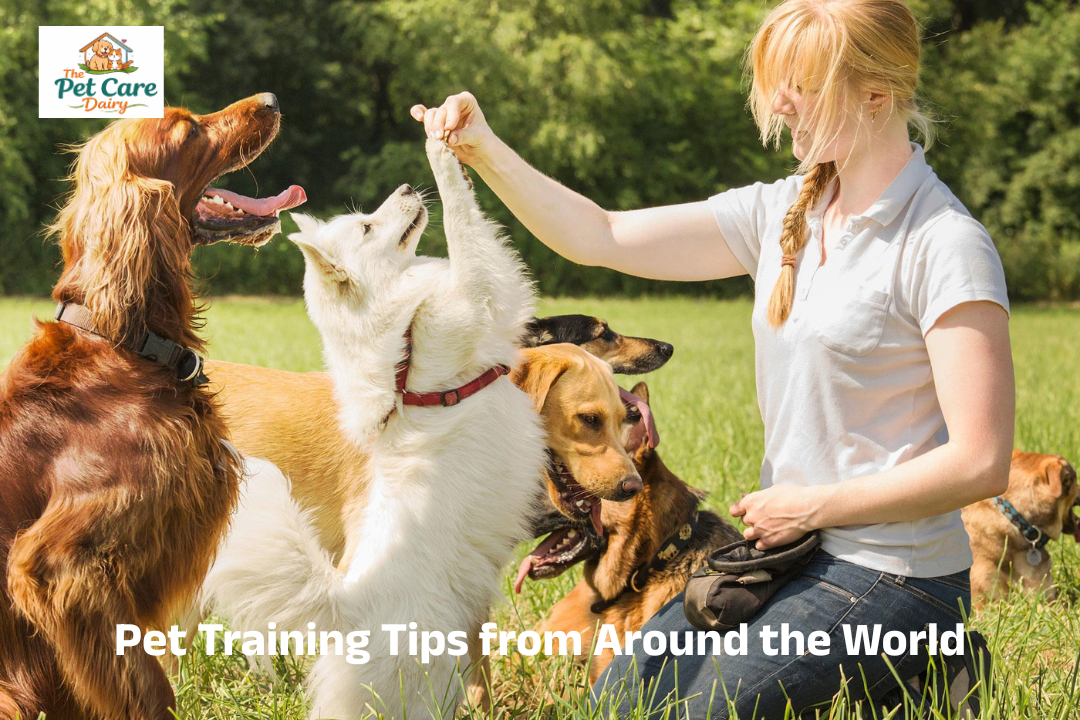
Puppies are naturally curious and anxious to learn, but they need guidance to understand what behaviors are expected. Positive reinforcement is considered the most effective training method because it rewards good behavior with treats, praise, toys, or affection. When puppies receive a reward immediate after performing the desired action, they are more likely to repeat that behavior in the future. This approach creates a positive learning environment and strengthens the relationship between puppy and owner.
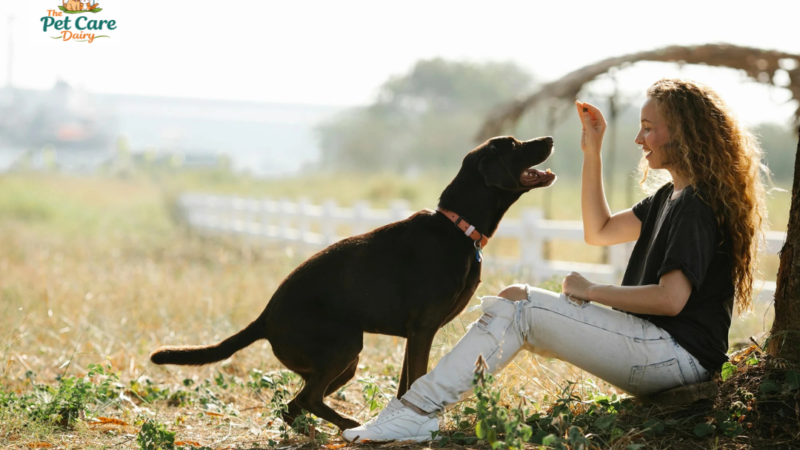
One of the first commands every puppy should learn is “sit.” This simple command teaches self-controlled and provides a foundation for more advanced training. To teach “sit,” hold a treat just above your puppy’s nose and slowly move it backward. As the puppy follows the treat with its eyes, it will naturally lower its hindquarters into a sitting position. As soon as the puppy sits, offering the treat and praise. Repeating this exercise consistently helps reinforce the behavior.
The “stay” command is another important skill that teaches patience and impulse control. Start by asking your puppy to sit, then hold your hand out and say “stay.” Take one step back and reward the puppy if it stays in place. Slowly increase the distance and duration as the puppy becomes more confident. This command can help keep your puppy safe in various situations and encourages calm behavior.
Teaching your puppy to come when called is one of the most valuable safety skills. Start in a quiet environment with minimum distractions. Call your puppy’s name followed by the command “come” in a cheerful tone. When your puppy approaches, rewarding it with praise and a treat. Constant practice helps create a reliable recall, which can be extremely important during outdoor activities and emergencies.
Leash training should begin early as well.
Many puppies naturally pull on the leash because they are excited to explore their surroundings. Teaching free-leash walking requires patience and consistency. Reward your puppy when it walks beside you without pulling and stop moving ahead whenever the leash becomes tight. Over time, your puppy will learn that calm walking leads to progress and rewards.
House training is often one of the biggest priorities for new puppy owners. Establishing a consistent schedule for feeding, toilet breaks, and sleep helps puppies learn where and when to eliminate. Taking your puppy outside frequently, especially after meals, naps, and play sessions, increases the odds of success. Rewarding your puppy immediately after it uses the appropriate bathroom area helps reinforce the behavior. Accidents are a normal part of the learning process and should be dealt with patience rather than punishment.
Socialization is a critical aspect of puppy development. Introducing puppies to different people, animals, sounds, environments, and experiences helps build confidence and reduces fear later in life. Positive exposure during the early months can prevent behavior problems and help puppies grow into friendly, well-adjusted adult dogs. Puppy socialization classes and controlled interactions are excellent ways to promote healthy development.
Mental stimulation is just as important as physical exercise. Puppies enjoy learning new things and benefit from interactive toys, puzzle feeders, scent games, and brief training sessions. Mental enrichment helps reduce boredom and destructive behavior while encouraging problem-solving skills. Combining obedience training with play makes learning more pleasant and effective.(Edited)Restore original
For more such pet care information, connect with us today: https://thepetcarediary.com