Want to adopt a new pet in 2026? Dog trainer shares 5 tips on how to help your older dog adjust to the newcomer
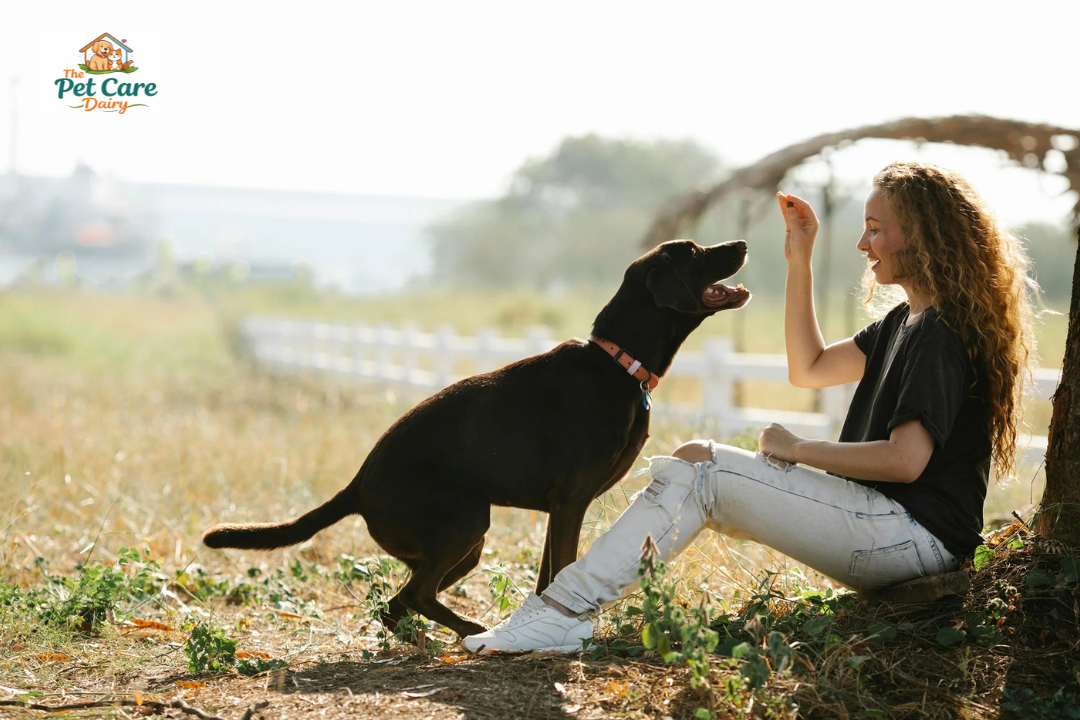
Know how you can reduce hostile situation between your old and new pets and help them bond peaceably.
Do you plan to add a new furry member to your family in the next year? Whether it is for your existing pet’s company or simply to make your house more lively, a new pet is always a fun experience. But at the same time, it can also require your older pet to adapt to the newcomer.
And it is not like a children’s movie, where pets and animals generally instantly click and get along. In fact, older pets may feel territorial, anxious, left out or worse, aggressive. But as a pet parent, you can make this transition much easier. With patience and some training techniques, you can make the older pet feel better about the newborn.
Dog trainer Adnaan Khan, founder and CEO of K9 School, a dog training academy, shared with HT Lifestyle that advice can help older dogs adjust and bond with a new pet. All forms of hostility or shyness can be managed with patience, structure and gradual introductions.
Reset territory and reinforce structure
The first issue that may arise is related to territory. The dog trainer revealed that the older dog may feel threatened and consider certain parts of the house, such as the bed, couch or favorite corners, as their personal domain. When a new pet joins, the older dog may perceive them as an intruder. What to do in that case? Adnaan recommended, “Set up clear resting spots, control access to some areas, and re-establish routines.” This way, the dog will feel stable and eventually learn to share the home.
Maintain balanced attention
The second issue, as the trainer correctly noted, is that the older dog may not like sharing your affection. They don’t need to have a problem with the new pet, but they may feel left out and neglected. This is natural, as they are accustomed to receiving a lot of love and attention, and now suddenly someone else is getting it too. This can lead to feelings of jealousy.
Here’s the fix Adnaan recommended: “Avoid exhibiting favoritism or spoiling the newcomer, and don’t push the older dog aside. Rather, keep routines predictable, involve both in everyday activities, and provide the older pet with steady attention.”
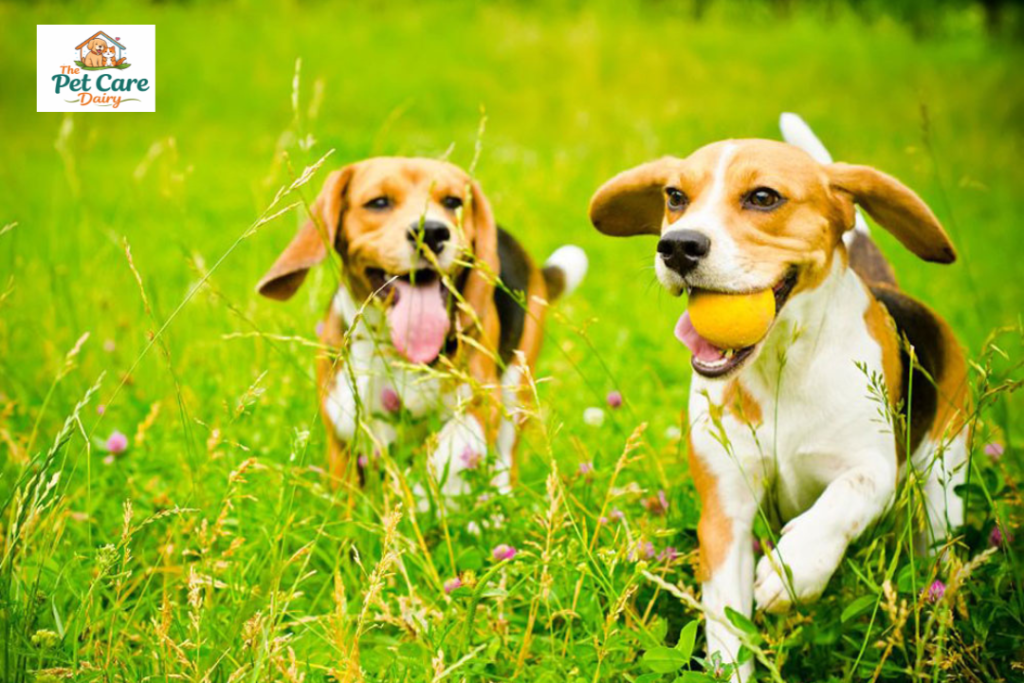
3. Practice gradual introductions
Don’t put the dogs together right away. “A slow introduction allows them to adjust at their own pace,” he said. Rushing the introduction may lead to territorial disputes, avoidance, or even aggression, which can damage the relationship before they have a chance to bond.
Here are the essential steps for the intro, as the trainer listed:
Start by allowing them to exchange scents through bedding or toys, then allow short visual contact from a distance.
As both dogs seem to be relaxed, you may allow brief, supervised meetings, followed by calm walks together.
Use crate training
Crates are helpful for structured intros. The trainer added, “Allow the new pet to rest quietly in the crate while your older dog watches from a comfortable distance.” This structured separation avoids negative encounters as a clear boundary is created.
Build bonds through shared experiences
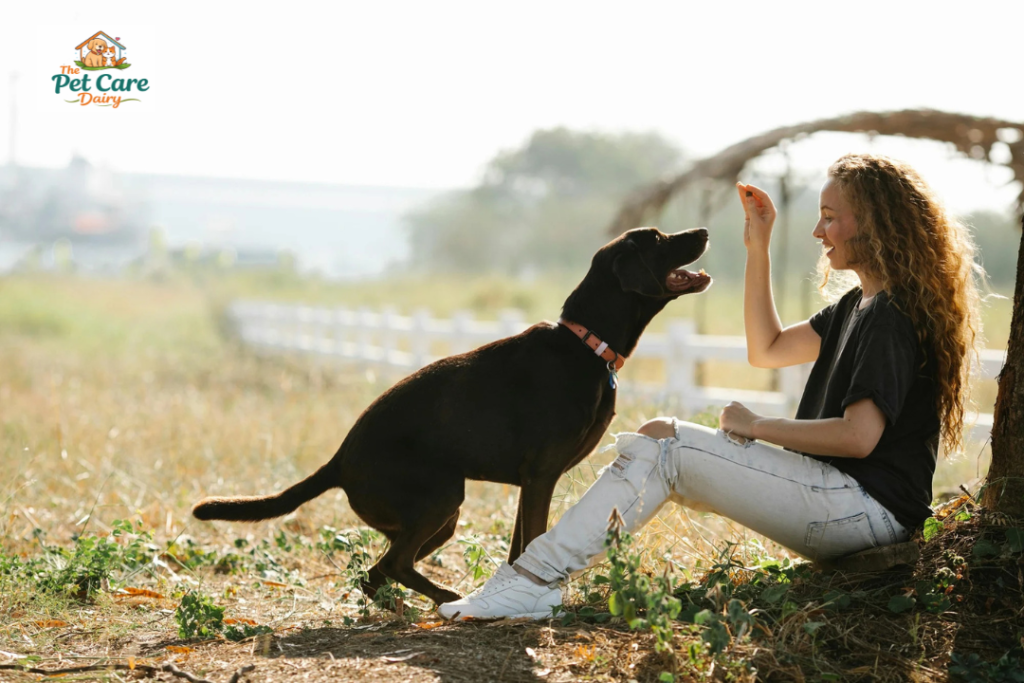
The first instinct is to place the dogs together and ask them to share food or toys, but this can create unnecessary competition. The trainer warned about this. Instead, go for gentle exercises such as walking together, practicing obedience, or doing puzzle games in separate spaces. These activities help them get familiar with each other, build trust, and be peaceful without conflict.
Note to readers: This article is for informational purposes only and not a replacement for professional medical advice. Always seek the advice of your doctor with any questions about a medical condition.
Adopting a new pet in 2026 is an exciting decision, but if you already have an older dog at home, the transition requires careful planning. Professional dog trainers stress that while dogs are social animals, they can also be territorial and sensitive to routine changes—especially senior dogs who are deeply attached to their environment. Bringing a new puppy or rescue pet into the household can create stress, jealousy, or behavioral shifts if not handled properly.
Experts say the key to success lies in gradual intros and maintaining emotional balance. Older dogs often view their homes as their secure territories. A sudden newcomer can feel like an invasion rather than a companion. To avoid stress, trainers recommend preparing your older dog even before the new pet arrives. Reinforcing basic obedience commands such as “sit,” “stay,” and “leave it” can make early interactions smoother and safer.
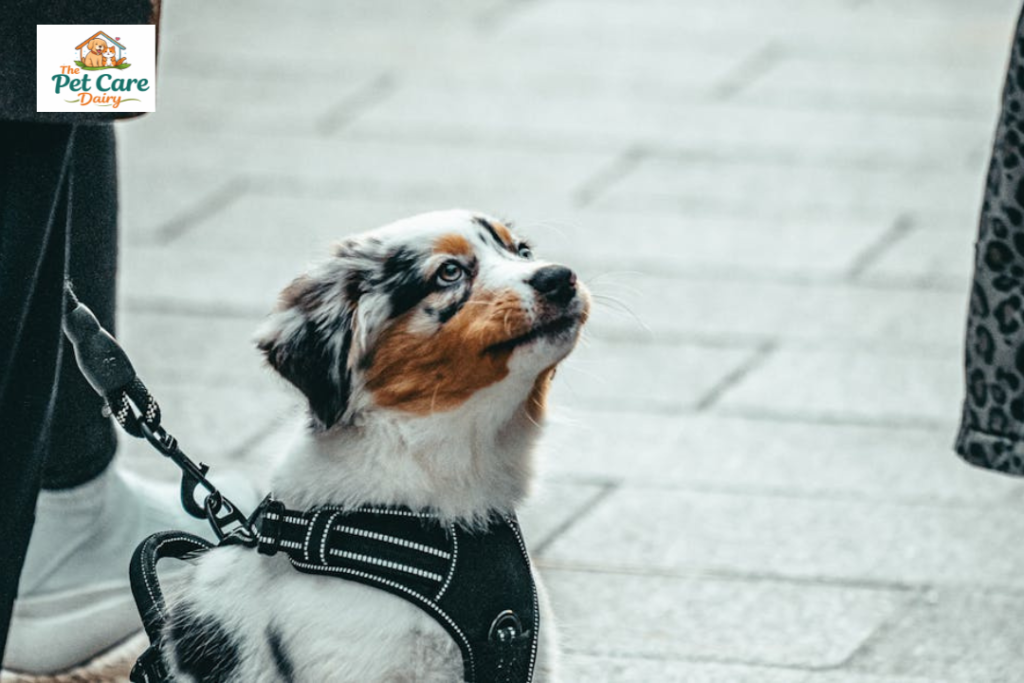
The first introduction is crucial. Trainers strongly recommend meeting in a neutral location—such as a park or open outdoor space—rather than inside the home. This prevents territorial behavior from activating defensiveness. Keep both pets on leashes and allow them to observe each other calmly. Body language matters: relaxed posture, loose tails, and soft eye contact are positive signals. Stiff bodies, growth, or intense staring indicate stress and should be handled with patience and distance.
Once inside the home, boundaries become essential.
Each dog should have their own sleeping area, food bowl, and safe space. Sharing resources too quickly can lead to competition. Feeding dogs separately in the early stages reduces the possibility of food aggression. Trainers also suggest giving your older dog priority attention at first. This reassures them that they are not being replaced. Keeping their normal walk schedule and routines helps preserve emotional stability.
Another important tip in 2026 is monitoring subtle behavioral changes. Older dogs may show stress by withdrawing, losing appetite, excessive licking, or sudden irritability. These signs should not be ignored. Positive reinforcement works best—reward calm interactions and avoid punishing growth, as growth is often a communication signal rather than aggression. Interrupt gently and redirect attention instead.
Exercise and mental stimulation can significantly ease the transition. Taking both dogs on parallel walks helps build shared experiences without direct conflict. Structured play sessions under supervision encourage bonding. However, trainers caution against forcing interaction. Just like humans, dogs need time to naturally build trust.
Technology also plays a growing role in pet introductions this year. Pet cameras allow owners to monitor interactions when they are not home, while intelligent treat dispensers can reinforce calm behavior remotely. Still, supervision remains critical during the early adjustment period.
Bringing a new pet into your home can be an exciting experience,
but it can also be a major adjustment for an older dog who is accustomed to being the center of attention. While some dogs welcome a new companion immediately, others may need time to adapt to the change. In 2026, professional dog trainers stress that successful introductions require patience, preparation, and an understanding of canine behavior. By taking the right steps before and after bringing home a new pet, owners can help create a positive relationship between their older dog and the newcomer while minimizing stress for everyone involved.
One of the most important things to remember is that your older dog may experience a range of feelings when a new pet arrives. Changes in routine, attention, territory, and household dynamics can occasionally lead to confusion or insecurity. Rather than expecting instant friendship, it is helpful to focus on gradual introductions and building positive experiences. A mindful approach allows both animals to feel safe and comfortable as they get to know each other.
- Introduce Them Slowly and in Neutral Territory
Professional trainers often recommend introducing pets in a neutral environment rather than inside the home. A quiet park, backyard, or open outdoor area can help minimize territorial behavior and allow both animals to meet without feeling threatened. Keep early interactions calm and controlled, using leashes when appropriate. Allow the animals to observe and sniff each other naturally without forcing contact. Short, positive introductions frequently lead to better long-term relationships than lengthy or overwhelming first meetings.
- Maintain Your Older Dog’s Routine
Dogs thrive on consistency, and sudden changes can increase stress levels. Continue following your older dog’s usual schedule for meals, walks, playtime, and rest whenever possible. Maintaining familiar routines helps provide stability and reassurance during the transition. Your older dog should understand that the arrival of a new pet does not means losing the structure and activities they have always enjoyed.
- Give Equal Attention and Avoid Jealousy
Many older dogs become anxious when they feel they are receiving less attention than before. Whereas the new pet will naturally require care and supervision, it is important to continue spending quality one-on-one time with your older dog. Regular walks, play sessions, training exercises, and affection help reinforce your bond and reduce feelings of jealousy. Trainers frequently emphasize rewarding calm and positive behavior whenever your older dog interacts appropriately with the newcomer.
- Create Separate Safe Spaces
Every pet needs a place where they can relax without interruption. Providing separate sleeping areas, feeding stations, toys, and quiet areas helps prevent competition and reduces stress. Older dogs especially appreciate having a comfortable retreat where they can rest peacefully. Giving each pet individual space allows them to adjust at their own pace while minimizing conflicts over resources.
- Use Positive Reinforcement Throughout the Process
Positive reinforcement remains one of the most effective tools for helping pets adapt to each other. Reward calm behavior, polite interactions, and relaxed body language with treats, praise, or favorite activities. Avoid punishment if stress arises, as this can increase anxiety and create negative associations. Instead, redirect attention, provide space when needed, and consistently reward the behaviors you want to encourage. Over time, both animals learn that good things happen when they are together.
For more such pet care information, connect with us today: https://thepetcarediary.com