Best Foods by Cat Life Stage

kittens
Kittens grow fast and need energy and nutrition to build immunity and muscles. Look for kitten-specific formulas. Many brands offer kitten formulas that are higher in calories and essential nutrients.
Adult Cats
Most adult cats flourish on balanced wet & dry combos. Combine them ensures hydration and helps with dental health.
Senior Cats
Older cats often need foods that support joint and digestive health—look for options with added glucosamine or easily digestible proteins.
Wet vs. dry food
A balanced mix of both can be ideal.
Wet Food: Provides additional moisture, which supports urinary health and hydration.
Dry Food: Provides convenience, dental benefits, and can help with calorie control.
Experts frequently recommend prioritizing wet food or pairing it with high-quality dry food to mimic natural feline diets.
Tips for feeding your cat
🕐 Feed Based on Age & Weight
Your cat’s size, activity level, and age affect how much and what type they should eat. Always follow label guidelines and consult your veterinarian for personalized advice.
Always Offer Fresh Water
Cats frequently drink less water than needed. Fresh water promotes urine health and prevents dehydration.
Transition Slowly
If changing foods mix new food with the old slowly over several days to avoid stomach upset.
Check Nutrition Labels
Look for named proteins (e.g., chicken, salmon) as the first ingredient, minimum fillers (like corn or wheat), and balanced fats and vitamins.
Choosing the best food for your cat depends heavily on their life stage. A kitten’s dietary needs are very different from those of an adult or senior cat. Feeding the right formula at the right age plays a vital role in growth, immunity, energy levels, and long-term health. In 2026, veterinary nutrition continues to emphasize life-stage-specific diets as one of the most important factors in feminine wellness.

Kitten Nutrition (0–12 Months)
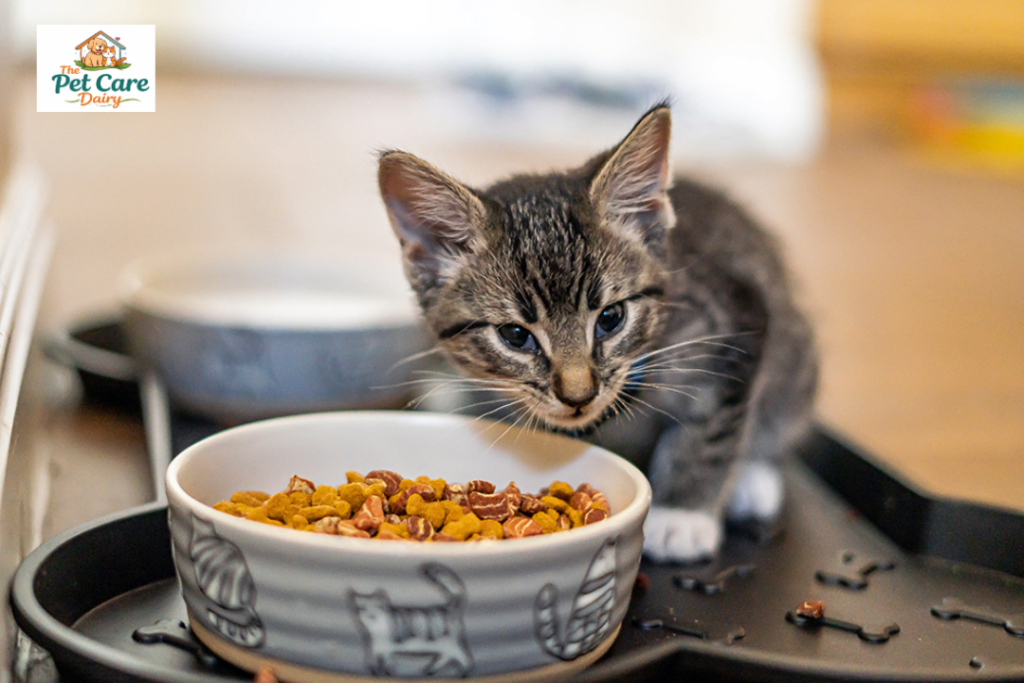
Kittens grow rapidly during their first year of life and require high-calorie, high-protein diets to support muscle development, bone development, and brain function. Kitten food should contain higher levels of protein, fat, DHA (for brain development), and essential vitamins and minerals like calcium and phosphate.
Wet food is frequently recommended for kittens because it helps with hydration and is easier to chew during early development. Feeding should be divided into 3–4 small meals per day since kittens have smaller stomachs but high energy needs. In 2026, many brands offer “growth formulas” specifically designed for large-breed kittens to prevent excessively rapid growth that could stress developing joints.
Appropriate kitten nutrition sets the foundation for a healthy adult cat.
Adult Cat Nutrition (1–7 Years)
Once a cat reaches adolescence, their nutritional needs stabilize. Adult cats require balanced protein, moderate fat, controlled calories, and adequate taurine for heart and eye health. Because many house cats are indoor and less active, portion control becomes extremely important to prevent obesity.
High-quality adult cat food should contain real meat as the first ingredient and minimum fillers. In 2026, many experts recommend combining wet and dry food to provide hydration while maintaining dental benefits. Adult cats typically do well with two meals per day, dependent on activity level.
If your cat is spayed or neutered, calorie management becomes even more important. Metabolism frequently slows after sterilization, increasing the risk of weight gain. Weight-control formulas can help maintain a healthy body condition.
Senior Cat Nutrition(7+ Years)
As cats age, their metabolism and organ function begin to change. Senior cats frequently require easily digestible proteins, joint-support nutrients like glucosamine, and lower-calorie diets to prevent weight gain. Some older cats may actually lose weight due to decreased hunger, so monitoring body condition regularly is essential.
Kidney health becomes a priority in senior years. Many veterinary diets are formulated with controlled phosphorus levels and adjusted protein quality to support aging kidneys. Increased moisture intake is also highly recommended, making wet food particularly beneficial for older cats.

Senior cats may also benefit from added omega-3 fatty acids for cognitive support and anti-inflammatory advantages. Feeding smaller, more frequent meals can help cats with dental issues or reduced appetite.
Special Life Situations
Some cats have unique dietary needs beyond standard life stages.
Pregnant or Nursing Cats: Require calorie-dense, kitten-formulated diets to support milk production and healthy litter growth.
Indoor Cats: Need lower-calorie formulas to prevent obesity.
Outdoors Cats: May require higher calorie intake due to increased activity.
Overweight Cats: Benefit from weight-management formulas high in protein and fiber but lower in fat.
Cats with Medical Conditions: Prescription diets may be necessary for urinary issues, diabetes, or digestive sensitivities.
In 2026, personalized feeding plans are becoming increasingly popular, where pet parents consult veterinarians to design customized dietary strategies based on genetics, health history, and lifestyle.
Transitioning Between Life Stages
Switching food between life stages should always be done gradually over 7–10 days. Mix small quantities of the new food with the old food, slowly increasing the new portion to prevent digestive upset. Sudden changes can cause vomiting or diarrhea.
Monitor your cat’s weight, coat condition, stool quality, and energy levels during transitions. Any sudden behavioral or hunger changes should be discussed with a veterinarian.
Final Thoughts on Life-Stage Feeding
Feeding your cat according to their life stage is one of the most effective methods to promote long-term health and prevent disease. From nutrient-rich kitten formulations to joint-support senior diets, each phase of life requires thoughtful nutritional adjustments.
The best cat food is not just about brand—it’s about choosing the right formula for your cat’s age, activity level, and overall health condition. With proper life-stage feeding, you are giving your feline companion the best chance at a longer, healthier, and happier life.
Kitten (0–12 Months)
Kittens need high-protein, high-energy food to support rapid growth and development. Their diet should include nutrients like DHA, taurine, vitamins, and fatty acids for brain, vision, and immune system development.
Feed: 3–4 small meals daily
Best: Kitty-specific dry + wet food
Adult Cat (1–7 Years)
Adult cats require a balanced diet with the right mixture of protein, fats, vitamins, and minerals to maintain energy and overall health.
Feed: 2 meals daily
Best: High quality adult cat food (mix of wet & dry)
Providing the right nutrition at every stage of a cat‘s life is one of the most important factors in maintaining long-term health and well-being. Cats have different nutritional needs as they grow from energetic kittens into active adults and eventually senior companions. Feeding a diet that matches a cat’s age, activity level, and health needs can support healthy growth, maintain ideal body weight, strengthen the immune system, and improve overall quality of life. Understanding which foods are best for each life stage helps cat owners make informed decisions and ensure their feline companions receive the nutrients they need to flourish.
Nutrition for Kittens (0–12 Months)
Kittens experience rapid growth and development during their first year of life, making proper nutrition especially important. During this stage, kitties require higher levels of protein, calories, healthy fats, vitamins, and minerals than adult cats. These nutrients support muscle development, bone growth, brain function, and immune system strength. High-quality kitten food formulated specifically for growing cats provides the balanced nutrition necessary for healthy growth.
Protein-rich foods are especially important because cats are obligate carnivores and rely heavily on animal-based proteins. Foods containing real chicken, turkey, salmon, or other quality protein sources help support healthy growth. Wet kitten food can also be beneficial because it provides extra hydration while being easy for young cats to eat. Compatible feeding schedules and portion control help establish healthy eating habits from an early age.
Nutrition for cat (1–7 Years)
Once cats reach adulthood, their nutritional needs shift from development to maintenance. Adult cats require balanced nutrition that supports energy levels, muscle maintenance, healthy digestion, and overall wellness. The best foods for adult cats contain high-quality animal protein, moderate fat levels, and essential nutrients such as taurine, Omega fatty acids, vitamins, and minerals.
Indoor cats frequently benefit from formulas designed to support weight management and reduce hairball formation, while highly active cats may require higher-calorie diets to meet their energy needs. Many veterinarians recommend combining wet and dry food to provide both hydration benefits and dental support. Maintaining proper portion sizes is essential during adolescence to prevent obesity, which is one of the most common health concerns among domestic cats.
Nutrition for Senior Cats (7+ Years)
As cats age, their bodies undergo changes that impact metabolism, mobility, and overall health. Senior cats often benefit from specialized diets formulated to support healthy aging. These foods typically contain easily digestible proteins, controlled calorie levels, joint-supported nutrients, and ingredients that promote kidney and heart health.
Older cats may experience decreased appetite, dental issues, or digestive sensitivities, making food texture and digestibility increasingly important. Wet food is often recommended for senior cats because it provides additional moisture and can be easier to chew. Antibiotics, omega-3 fatty acids, and age-specific nutrients may help support cognitive function, immune health, and mobility during the later stages of life.
Special Diet Considerations
Some cats require specialized nutrition regardless of age. Cats with medical conditions such as diabetes, kidney disease, food allergies, obesity, urinary tract issues, or dietary sensitivities may benefit from veterinary-recommended diets designed to address specific health concerns. These specialized formulas can play a significant role in disease management and improving overall quality of life.
Hydration is another critical factor throughout every life stage. Because many cats naturally drink less water than they need, including moisture-rich foods into their diet can help support urinary tract and kidney health. Fresh, clean drinking water should always be available, and many owners find that pet water sprinklers encourage increased water consumption.
Common Nutrients Every Cat Needs
Regardless of age, all cats require certain essential nutrients for optimal health. High-quality protein supports muscle maintenance and energy production, while taurine is crucial for heart health, vision, and reproductive function. Healthy fats provide energy and help maintain healthy skin and coat condition. Vitamins and minerals support immune function, bone health, and various metabolism processes. Selecting nutritionally complete and balanced cat food ensures that these essential needs are met consistently.
For more such pet care information, connect with us today: https://thepetcarediary.com