Jasper Cat Care Guide 2026
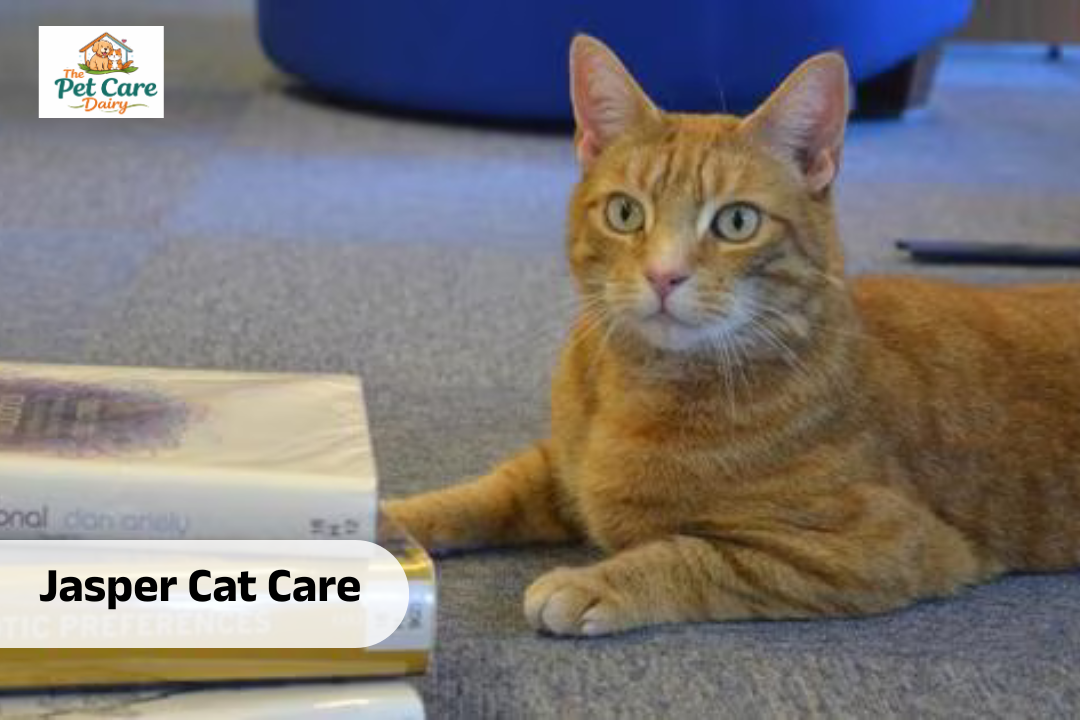
“Jasper” is a strong, charming, and stylish name frequently given to confident and playful cats. Whether Jasper is a mischievous kitten or a calm adult companion, proper care in 2026 goes beyond basic feeding. Modern cat care now focuses on balanced nutrition, mental richness, preventive healthcare, and emotional bonding to ensure a long and healthy life.
Creating a Modern Cat-Friendly House
In 2026, indoor enrichment is more important than ever. Jasper needs a secure, stimulating indoor space that supports his natural instincts to climb, scratch, hunt, and observe.
- Providing vertical spaces like cat trees and shelves
- Keep multiple scratching posts
- Offer quiet hiding spots for security
- Maintain a clean litter box (1 box per cat + 1 additional rule)
Cats feel safe when they have territory control and predictable routines.
2. Nutrition & Feeding in 2026
Modern feline nutrition emphasizes high-protein, species-appropriate diets. Jasper, like all cats, is an obligate carnivore.
✔ Choose food where real meat is the first ingredient
✔ Mix wet and dry food for hydration balance
✔ Provide fresh water daily(water fountains are trending in 2026)
✔ Avoid free-feeding large bowls all day
Adult cats typically do well with two measured meals daily. Portion control helps prevent obesity, which is one of the most common health issues in indoor cats.
3. Mental Stimulation & Enrichment
Cats named Jasper are frequently energetic and curious. Without proper stimulation, boring can lead to destructive behavior.
Daily enrichment ideas:
- Interactive feather wand play
- Puzzle feeders
- Treat-hunting games
- Rotating toys weekly
Window perch for bird watching
Short, high-energy play sessions that mimic hunting (chose → catch → reward) are ideal.
4. Grooming & Hygiene
Even the short-haired Jasper needs regular grooming.
- Weekly brushing (long-haired: 2–3 times weekly)
- Nail trimming every 2–3 weeks
- Ear cleaning if needed
- Dental care (brushing or dental treats)
Dental health is a major focus in 2026 cat care, as gum disease is common but unavoidable.
5. Preventive Health and Vet Care
Preventive care is the basis of a long life.
Blood tests for senior cats
Annual veterinary checkups
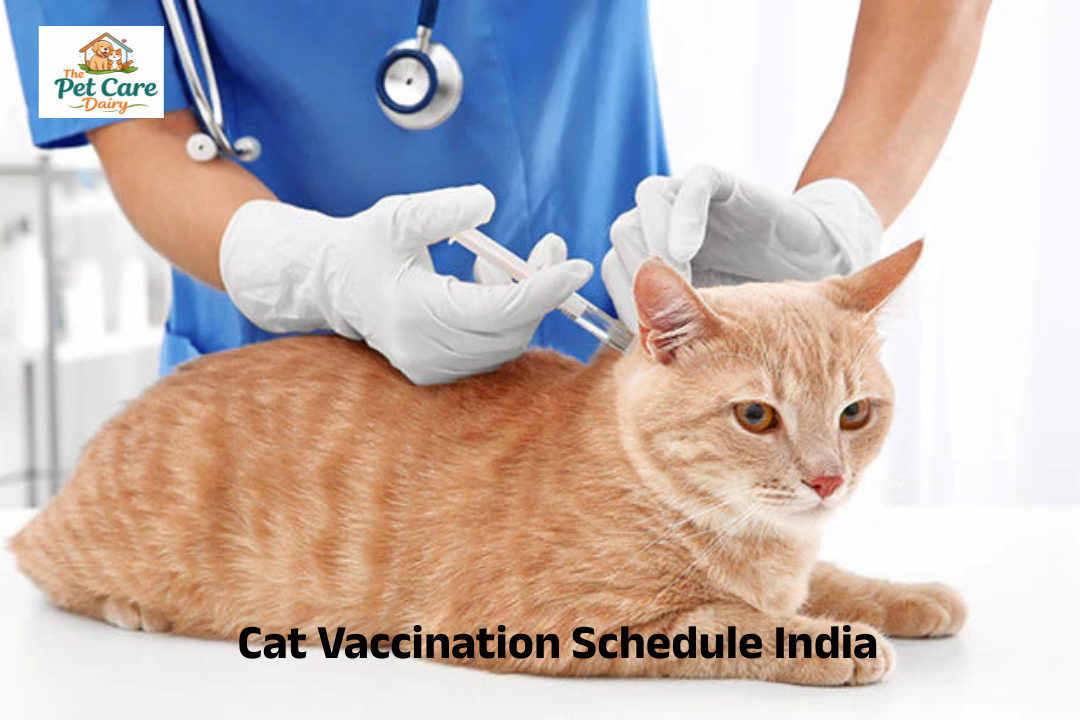
Vaccinations as recommended
Parasite prevention (fleas, ticks, worms)
Weight monitoring
Watch for subtle signs like appetite changes, hiding behavior, litter box issues, or unusual grooming—these may indicate health concerns.
6. Emotional Bonding & Stress Reduction
Cats flourish on routine and gentle interaction. Spend quality time daily with Jasper through:
- Calm petting sessions
- Soft verbal communication
Consistent feeding schedule
Positive reinforcement training.
Avoid shouting or punishment. Cats respond better to direction and reward-based guidance.
7. Safe Environment & Toxic Awareness
Keep Jasper safe by avoiding:
Toxic plants
Human foods like chocolate, onions, garlic
Small strings or rubber bands
Strong chemical cleaners
Cat-safe plants like catnip or wheatgrass can add richness safely.
Taking care of Jasper also means paying close attention to his daily rhythm and personality changes. Cats are creatures of habit, and even small disruptions in their routine can create stress. Try to feed Jasper at the same times every day and maintain consistent play sessions. A predictable schedule helps regulate his digestion, sleep cycle, and general mood. In 2026, many pet experts stress structured routines as one of the most effective ways to reduce anxiety-related behaviors in indoor cats. If Jasper suddenly becomes withdrawn, excessively clingy, or unusually vocal, it may signal emotional or environmental stress that needs gentle adjustment rather than punishment.
Technology is also playing a bigger role in modern cat care. Smart feeders, automatic litter boxes, and pet monitoring cameras allow owners to track Jasper’s eating habits, bath frequency, and activity levels. Sudden changes in litter box utilization or appetite can often be detected early with these tools, helping prevent serious health complications. However, technology should support care—not replace interaction. Direct bonding time, petting, and interactive play remain indispensable for emotional health.
As Jasper grows older, his needs will naturally change.
Senior cats may sleep more, move slower, or require softer bedding and joint-support nourishment. Providing easy access to litter boxes and avoiding high jumps can make aging more comfortable. Routine wellness screenings become increasingly important after the age of seven. Monitoring kidney function, dental health, and weight consistency ensures early detection of age-related conditions.
Ultimately, giving Jasper a happy life in 2026 means combining alert observation, modern preventive healthcare, mental enrichment, and emotional warmth. A cat who feels secure, stimulated, and loved will show it through relaxed body language, steady appetite, healthy grooming habits, and affectionate companionship. With thoughtful care, Jasper can enjoy many vibrant and healthy years as a loyal member of the family.
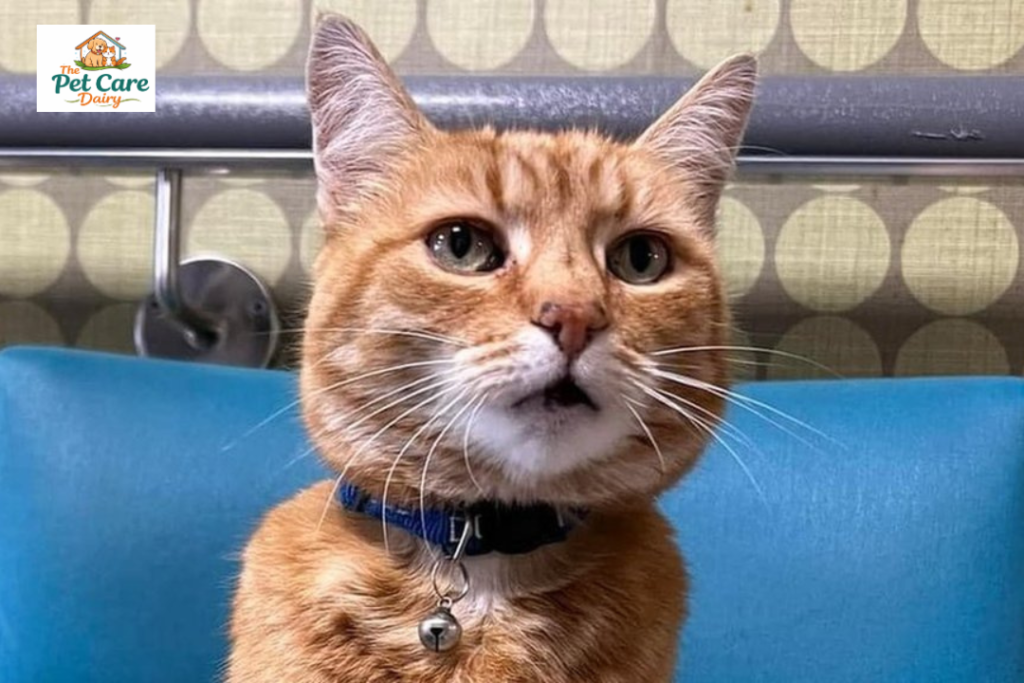
Another important aspect of caring for Jasper is understanding the significance of environmental cleanliness. Cats are naturally clean animals, and Jasper will feel stressed if his litter box, food bowls, or resting areas are not kept hygienic. Scoop the litter box daily and fully change the litter regularly to prevent odor buildup and bacterial growth. Wash food and water bowls every day to avoid contamination.
A clean environment not only protects Jasper from infections but also encourages proper litter habits and healthy eating behaviors. Hydration is another area that many owners overlook. Cats do not naturally drink large quantities of water, so ensuring proper hydration is essential. Adding wet food to Jasper’s diet or using a pet water fountain can encourage more frequently drinking. Proper hydration supports kidney health, urinary tract function, and overall vitality. In 2026, veterinarians increasingly highlight urinary health as a top priority for indoor cats, especially males. It is also useful to provide Jasper with opportunities for independent exploration.
Simple cardboard boxes, paper bags (without handles), and safe climbing areas stimulate curiosity and reduce boredom. Cats flourish when they can explore at their own pace. Giving Jasper options—such as different sleeping spots or play options—helps him feel in control of his environment, which reduces anxiety and increases confidence. Ultimately, emotional consistency plays a powerful role in Jasper’s long-term happiness. Speak gently, move quietly around him, and respect his boundaries. Avoid forcing affection when he is resting or grooming. Trust builds gradually but deeply in cats. When Jasper feels safe and respected, he will respond with loyalty, affection, and companionship that lasts for many years.
Jasper cats are admired for their beautiful appearance, playful personality, intelligence, and affectionate nature. Like all feline companions, Jasper cats require proper care, balanced nutrition, routine healthcare, and emotional support to live long and healthy lives. In 2026, modern cat care combines traditional pet parenting practices with advanced veterinary knowledge and smart pet technologies. Whether you have recently welcomed a Jasper cat into your home or have been caring for one for years, understanding their needs is essential for ensuring their general well-being and happiness.
A healthy lifestyle begins with proper nourishment.
Jasper cats thrive on high-quality diets rich in animal-based protein, healthy fats, vitamins, and essential minerals. Since cats are obligatory carnivores, protein should always be the primary component of their meals. Feeding a balanced diet supports muscle development, energy levels, immune function, and overall health. Kittens require nutrient-dense food to support growth, while adult and senior Jasper cats may benefit from age-specific formulations tailored to their changing nutritional needs. Fresh drinking water should always be available, and many owners find that pet water sprinklers encourage increased hydration.
Regular veterinary care is one of the most important aspects of maintaining your Jasper cat’s health. Annual wellness exams help identify potential health concerns before they become serious. Vaccines, parasite prevention, dental checkups, and routine health screenings are essential components of preventive care. Early detection of common feline conditions such as kidney disease, diabetes, obesity, and thyroid disorders can significantly improve treatment results and quality of life.
Exercise and mental stimulation play vital roles in keeping Jasper cats physically fit and emotionally satisfied. These cats are naturally curious and intelligent, making enrichment activities particularly important. Interactive toys, puzzle feeders, climbing trees, scratching posts, and regular play sessions help satisfy natural hunting instincts while avoiding boredom. Daily involvement strengthens the bond between cat and owner while promoting healthy physical activity.
Creating a safe indoor environment is highly recommended for Jasper cats. Indoor living helps protect them from traffic crashes, predators, infectious diseases, and other outdoor hazards. A well-designed indoor space should include comfortable relaxing areas, elevated perches, scratching surfaces, hiding spots, and opportunities for exploration. Providing a stimulating environment encourages natural feminine behaviors and supports emotional well-being.
Grooming is another important part of cat care.
Regular brushing helps eliminate loose fur, reduce shedding, and prevent hairballs. Grooming sessions also offer an opportunity to check for skin issues, parasites, lumps, or injuries that may require attention. Nail trimming, ear cleaning, and dental care should be incorporated into a regular health routine to maintain cleanliness and prevent common health problems.
In 2026, technology is becoming increasingly useful for cat owners. Smart feeders, automated litter boxes, GPS trackers, and health-monitoring devices can help streamline daily care and provide valuable insights into a cat’s habits and well-being. Monitoring changes in eating patterns, activity levels, and litter box behavior may help identify health concerns early and support proactive veterinary care.
For more such pet care information, connect with us today: https://thepetcarediary.com