
Global Dog Training Techniques: How Foreign Trainers Shape Modern Dog Behavior

Dog training has evolved rapidly around the world, and pet parents today have access to some of the most effective foreign training methods that go far beyond traditional commands like “sit” and “stay.” In countries such as the United States, Canada, the United Kingdom, Japan, and Australia, dog training is grounded in a deep understanding of animal behavior, psychology, and learning theory. These international approaches stress positive reinforcement, clear communication, and building trust between the dog and the owner. The idea is not to force obedience through fear or dominance, but to encourage learning through inspiration, rewards, and consistency. This philosophy has proven successful for dogs of all ages, from energetic puppies to senior companions, and is influencing training styles worldwide.
In the United States and Canada, modern trainers often use techniques based on applied behavior analysis. This method uses rewards (like treats, praise, or playtime) to increase desirable behaviors and ignores or redirects undesirable behaviors. Clicker training—a technique where a small, distinct sound marks a desired behavior—helps dogs quickly associate an action with a reward. Trainers in North America have adapted these methods to teach everyday life skills, such as free-leash walking, calm greetings, and impulse control. Many dog owners prefer this approach because it fosters confidence and minimizes stress, especially in rescue dogs or those with anxiety issues.
Across Europe, countries like Germany and the Netherlands are known for structured and disciplined dog training programs. These focus heavily on routine and consistency, creating training plans that integrate commands into everyday life rather than treating training as an isolated activity. European training philosophies encourage owners to use predictable, calm cues and routines so dogs understand expectations clearly. This approach works well in urban environments where dogs are exposed to many distractions. Trainers also stress early socialization — from puppy classes to interactions with diverse people and other animals — which helps prevent fear or aggression later in life.
In Australia, the training culture blends positive reinforcement with outdoor real-world exposure.
Trainers use parks, beaches, and open spaces to teach dogs to obey commands amid distractions. This prepares dogs for everyday life in active environments and reinforces focus and adaptability. Australian trainers also encourage structured play and mental stimulation as core elements of training, recognizing that physical exercise alone is not enough to curb undesirable behaviors like chewing or barking.
Japan offers unique insights into training that highlight coolness, respect, and harmony. Japanese dog training frequently focuses on gentle, intuitive communication. Rather than repetitive commands, dogs learn to read subtle cues in body language and tone. Calm leadership — not dominance — is stressed, creating partnerships where dogs feel secure rather than pressured. This method helps build mutual respect and deeper emotional bonds.
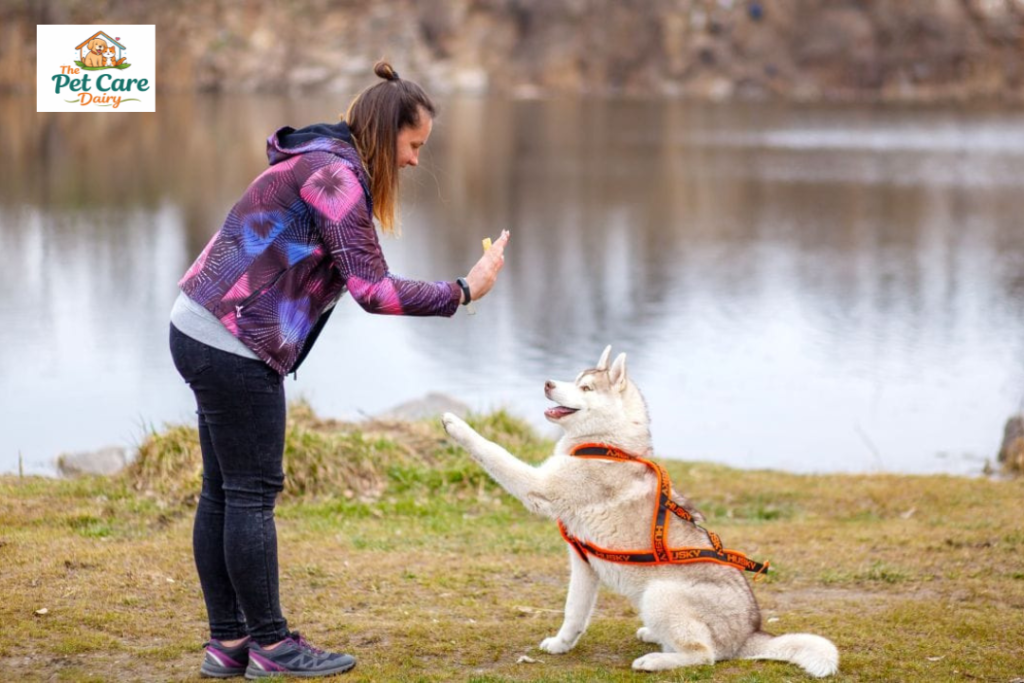
A growing global trend in 2026 is the widespread adoption of force-free training, where punishment is entirely avoided. Trainers from around the world now discourage choke chains, prong collars, and shock tools, acknowledging that they can cause fear, anxiety, and long-term behavioral issues. Instead, modern techniques use reward-based methods, shaping behavior through positive experiences. Trainers focus on strengthening calm behaviors, redirecting unwanted habits, and encouraging engagement through games and enrichment activities.
Technology has also played an important role in global dog training. Online courses, virtual consultations with professional trainers, and interactive apps allow dog parents to access expert guidance irrespective of location. Smart treat dispensers and training gadgets help reinforce good behaviors even when owners are not physically present. Wearable devices that track activity, rest patterns, and stress signals help trainers better understand a dog’s emotional state and tail training plans accordingly.
Social media has further fueled the spread of international dog training philosophies. Videos by professional trainers from different countries are shared globally, affecting how pet parents approach issues like separation anxiety, leash pulling, and house training. This global exchange of ideas is help dog owners adopt more compassionate and scientific training methods that focus on long-term well-being rather than quick fixes.
Ultimately, foreign dog training approaches share a common principle: dogs learn best when they feel safe, understood, and motivated. Integrating international techniques into daily routines can strengthen communication, reduce behavior issues, and enhance the bond between dogs and their families. Whether you’re teaching basic obedience, addressing specific challenges, or simply enhancing your dog’s quality of life, global best practices offer proven guidance for successful training in 2026 and beyond.
Positive Reinforcement: The Global Standard
One of the biggest shifts in dog training worldwide is the universal adoption of positive reinforcement as the most scientific and humane method. Training approaches from the United States, Europe, Japan, and Australia all now prioritize rewarding good behavior rather than punishing mistakes. This means giving a treat, praise, or playtime whenever a dog performs the desired action. According to foreign trainers, dogs learn faster and retain training better when they associate teams with positive outcomes. For example, instead of pulling or shouting when a dog fails to sit, trainers wait for the correct behavior and reward it — this not only teaches obedience but also builds a trusting relationship between the dog and owner.

Understanding Canine Psychology
Modern foreign training philosophies are based in canine psychology — understanding how dogs think, learn, and perceive the world. Many trainers from Europe and North America draw from research in animal behavior science to structure training sessions in ways that align with a dog’s natural instincts. Trainers focus on the timing of rewards, body language communication, and consistency in prompts. This helps dogs reduce confusion and promotes long-term learning. For example, providing immediate feedback — like a clicker sound immediately followed by a treat — helps dogs connect specific actions with consequences more effectively than delayed communication.
Addressing Behavior Beyond Obedience
Training abroad now goes beyond teaching basic commands. Foreign dog trainers increasingly focus on behavior modification — solving issues such as fear, anxiety, resource guarding, excessive barking, chewing, and socialization challenges. In Canada and the U.K., behavior consultants use desensitization and counter-conditioning techniques to help dogs conquer fears of noises, strangers, or other animals. These structured programs frequently involve gradual exposure and rewards for calm behavior, which helps dogs rewire negative associations into positive ones.
Training Within Everyday Life
Another hallmark of international training methods is integrating learning into everyday life, not just in isolated sessions. Trainers in Europe and Australia recommend short, frequent training moments woven into daily routines — such as practicing “wait” before meals, “sit” before going through doors, and calm greetings when guests arrive. This real-world training helps dogs understand that good behavior applies everywhere, not just during formal sessions.

Continuing Education and Professional Standards
In many foreign countries, professional dog trainers undergo certification and continuing education. Organizations in the United States, the U.K., and Australia offer certification programs where trainers study animal behavior, anatomy, learning theory, and ethical training practices. This professional development elevations the quality of training available to pet parents and ensures trainers keep up with the latest scientific research. Instead of one-size-fits-all advice, certified trainers tailor programs to individual dogs based on personality, age, and life experience.
Involving the Whole Family
Foreign dog training experts also stress the importance of involving the entire household in the training process. Consistency from all family members prevents confusion and ensures the dog receives the same cues and reactions from everyone. Trainers teach families how to use uniform commands and responses so dogs never get mixed signals — a practice that dramatically improves training results.
Specialized Training for Different Dog Breeds
International trainers also recognize that different breeds have distinct traits. Herding dogs like Border Collies may need more mental stimulation and agility exercises, while scent hounds may respond better to reward-based puzzles that engage their powerful nostrils. Foreign training programs often tailor exercises to breed characteristics rather than applying a universal approach. This breed-informed method leads to more effective training and an enriched dog life.
The Role of Technology and Online Training
Technology is another global influence in modern dog training. Virtual classes, video consultations with trainers, and online learning platforms have made expert training accessible to dog owners worldwide. Apps use visual demonstrations, tracking progress, and scheduling tools to help pet parents stay consistent. Smart devices like treat-dispensing cameras engage dogs even when owners are away, reinforcing training throughout the day.
Cultural Exchange and Training Innovation
Social media has created a massive platform for cultural exchange in pet training. Trainers from Japan share soothing and respectful techniques, European trainers showcase routine-based methods, and North American trainers highlight science-based reinforcement. This global sharing of ideas allows dog owners everywhere to adopt best practices from around the world, leading to well-rounded and adapted dogs.

Dog training has developed significantly over the past few decades, with modern trainers around the world focusing on science-based, humane, and effective techniques that strengthen the bond between dogs and their owners. In 2026, nations such as the United States, Canada, Germany, the United Kingdom, Australia, Japan, and Sweden are leading the way in positive and welfare-focused training methods. While cultures and lifestyles may differ, the goal remains the same everywhere: raising confident, well-behaved, and happy dogs through communication, trust, and consistency. Understanding global dog training techniques can help pet owners embrace proven strategies that support both learning and emotional well-being.
One of the most widely used training methods worldwide is positive reinforcement.
This technique rewards dogs for performing desired behaviors using treats, praise, toys, or attachment. Rather than focusing on punishment for mistakes, positive reinforcement encourages dogs to repeat behavior that result in positive outcomes. Trainers around the world consider this approach one of the most effective methods to teach obedience commands, improve behavior, and strengthen the relationship between dogs and their families. Scientific research continues to support positive reinforcement as a safe and reliable training method that builds confidence and reduces stress.
Clicker training has become particularly popular in North America and Europe. A clicker is a small device that produces a distinctive clicking sound when pressed. The sound marks the precise moment a dog performs the correct behavior, followed immediately by a reward. This clear communication helps dogs understand precisely which action earned the reward. Clicker training is commonly used for obedience training, trick training, agility sports, and even service dog programs due to its accuracy and efficacy.
For more such pet care information, connect with us today: https://thepetcarediary.com