Top 10 Dog Training Tips
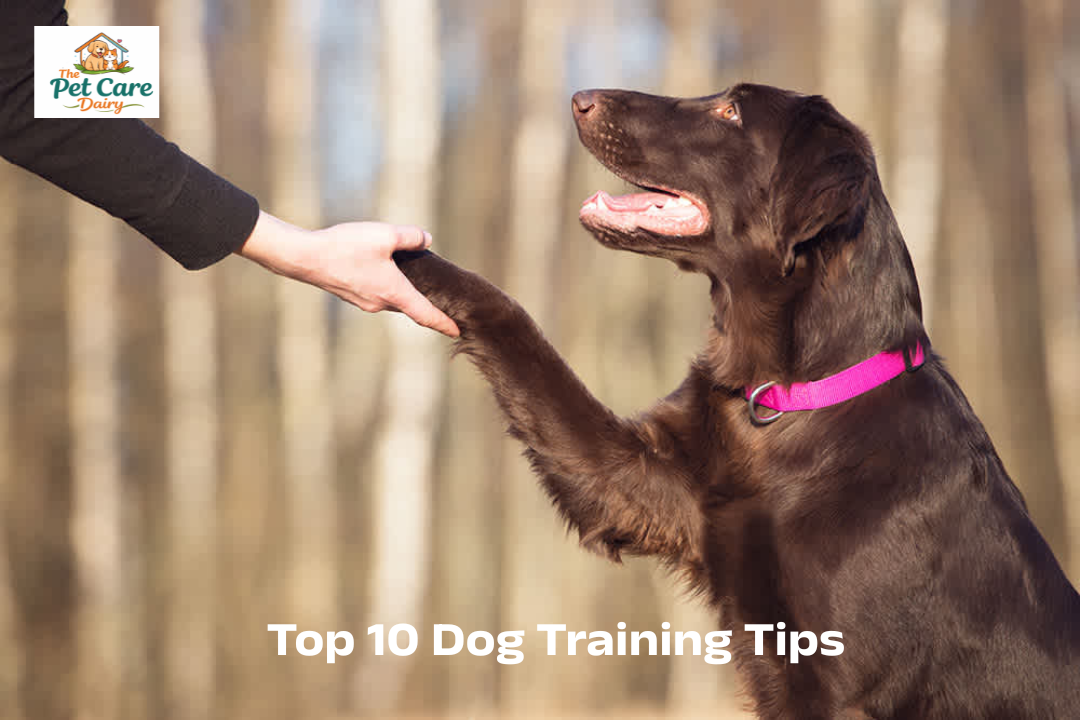
One of the most important and rewarding things you can do as a pet parent is to train your dog well, but it’s often difficult to know how to get started. Since January is national Train Your Dog Month, we thought we’d share some handy tips to help you and your pup get started.
Dogs, like most animals, primarily learn through associative learning (i.e. classical and operant conditioning), which can be a combination of observations, associations, and experiences over time (see more details below). This helps them to better predict the future and make respective decisions about upcoming events and appropriately adapt to changing circumstances and/or environments. Understanding how dogs learn is fundamental to perform effective dog training and ensure a harmonious co-habitation with dogs in a human-powered environment.
Every method used in training dogs must prioritize rewards and allow for the dog’s choice. When you offer your dog a reward that they genuinely enjoy – whether it is food, toys, affection, or verbal praise – upon displaying a desired behavior, it boosts the probability of them repeating that behavior more often.
Just like humans, dogs are opportunistic beings constantly striving for the best possible outcome. Therefore, the stronger the dog’s motivation to attain a specific reward, the simpler it becomes to instill desired behaviors and cultivate a positive learning environment. Hence, it is crucial to identify what your dog truly enjoys and determine their preferred rewards and preferences.
Use positive reinforcement techniques
Almost all veterinarians agree that positive reinforcement training is the most effective method of dog training. Positive reinforcement training essentially focuses on rewarding your pet for good behaviour, rather than punishing bad behaviour.
Whenever your dog exhibits good behavior and responds positively to your commands, reward them! By rewarding good behaviour, you’re reinforcing the association between good behavior and good things.
It’s also important to make sure you’re not unintentionally rewarding unwanted behavior. For example, if your dog barks at you to play or jumps up to say hello, do not acknowledge it or give in, as this just reinforces the bad behavior. Instead, wait until they’re calmer before giving them attention.
Find the right reward.
Some dogs are food-motivated, and will respond very excitedly to any sort of edible treat as a reward. Others are pickier: frequently, soft, chewy treats are preferred to hard, crunchy ones.
Some dogs, however, just aren’t that interested in food at all. If this is the case with your pup, try experimenting with other rewards, like a quick play session with a favorite toy, or even just plenty of attachment.
Consistency is key.
Being consistent in your training is incredibly important. This includes consistency in how you’re training your dog—for example, always using the same words, and even the same kind of intonation, when asking them to do something.
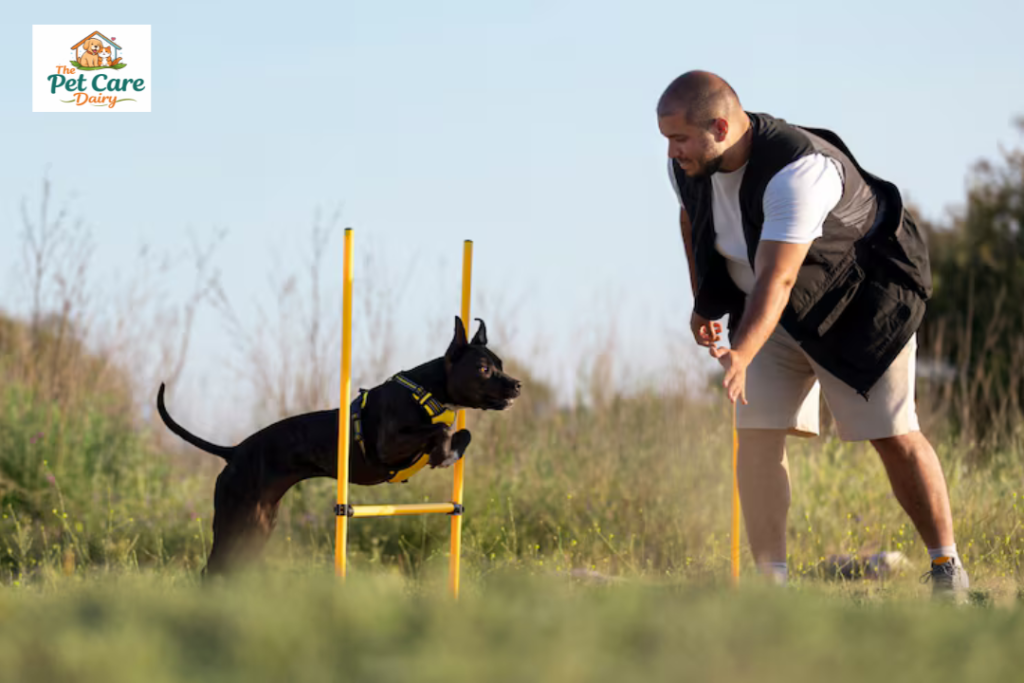
It is equally important for everyone in your household to be on the same page. Dogs need continuity to learn new habits, so if you never let the dog on the couch, but your partner does, your pup will just end up confused.
Train little and often.
Short training sessions repeated throughout the day are much more efficient than longer ones. The American Kennel Club recommends keeping sessions to five minutes maximum; any longer and your dog may become distracted or disappointed.
Dogs also often struggle to generalize commands to other places or situations (i.e., understanding that asking for a “sit” at home is the same thing as a “sit” on a busy street), so it’s useful to repeat your training sessions in multiple locations, with different people and with differing levels of distraction, so that your pup learns to respond correctly to the same command all the time.
Build up in stages
Starting small can be helpful, particularly when it comes to more complex behaviors like “stay,” or with behavior modification (when you’re trying to get rid of unwanted behavior).
Try breaking attitudes down into smaller parts. For example, in the beginning, if you’re training “come,” praise and reward your dog when they take even one step towards you. It’s much easier to add on steps and build up to the entire behavior once your pup starts to get the hang of it.
Make it fun.
Training should be fun, for both you and your dog! Always keep it positive, and try mixing things up to keep it interesting, such as including short play sessions into your training in between repetitions.
You could also consider training your dog to do tricks in addition to regular obedience training. As humans, we naturally respond more enthusiastically to seeing a dog rolling over than we will to a plain old sit—our dogs pick up on that excitement and end up loving to perform tricks for us!
Praise the small things.
Remember to always praise your dog for any improvement, no matter how tiny. It’s easy to get caught up in the end goal of training, but celebrating the small wins is just as important, and will help keep both you and your dog motivated.
Work training into daily life.
By making training part of your usual pet routine, it’s a lot easier to fit in many short sessions. For instance, ask your dog to sit or respond to another command before you give them their dinner, take them out for a walk, or play with them.
Use your hands.
Much as we’d wish they could, dogs can’t understand language the same way we do. Many dogs respond better to hand signals than verbal commands, so try combining the two, or even start with only hand signals and add the verbal command later
Consult a dog trainer or attend a training class.
If you’re struggling, don’t hesitate to contact a professional dog trainer or join a training class. Generally one of the quickest ways to get results, professional trainers have years of knowledge they can use to help you and your pup. They will have experienced many different types of problems in their career, so they should have ideas on how to address any issues you might be facing.
When choosing a trainer, take your time to do a little research. Make sure they use positive reinforcement techniques, and read lots of reviews or get references if you can.
Easy Tips to Make Your Dog Intelligent and Obedient
It is best to start dog training at an early age. It is good, but even big dogs can be trained properly. It is very important to be patient during training and follow the same method continuously. By devoting some time every day to training, the dog learns quickly.
Always have a positive approach while training. When the dog does something right, give it praise, treats or love. Beating or yelling spoils the training and creates fear in the dog. Behavior learned through love and reward lasts long.
Start with basic commands like sit, stand, come here and no. These orders are very useful in daily life. It is more effective to teach another command only after one has been learned well.
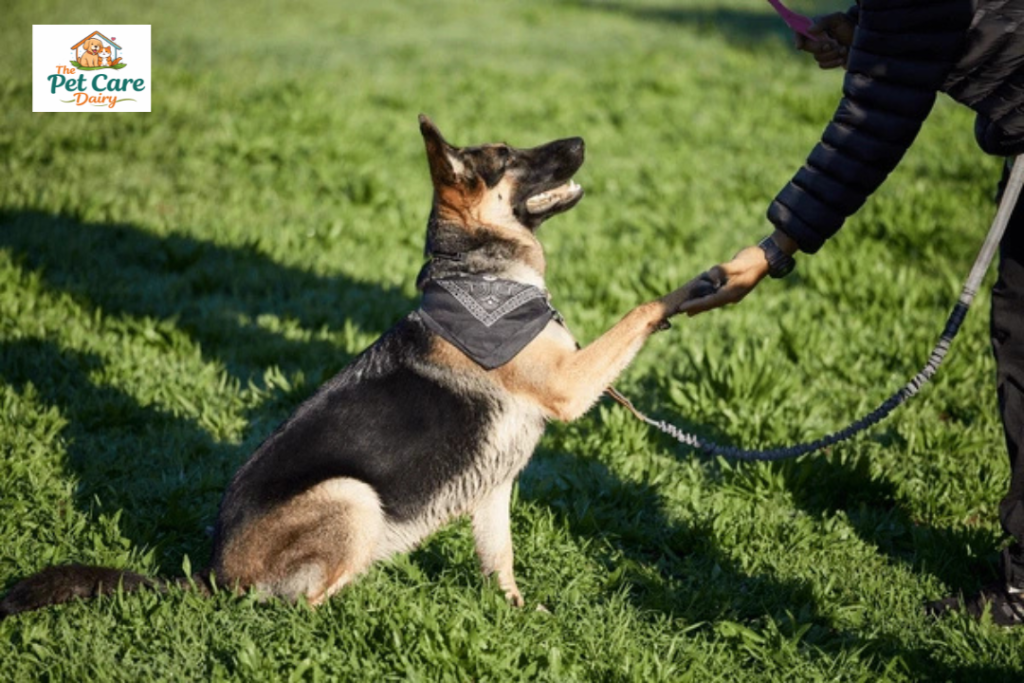
It is important that the dog’s attention does not get distracted during training. Choose a peaceful place and keep short sessions in the beginning. Long training may cause the dog to become bored and lose interest.
Creating a daily routine makes training easier. By feeding, walking and training at the same time, the dog quickly learns discipline. Training is not successful without consistency.
Along with training, socialization is also necessary. Gradually introducing the dog to people, children and other dogs makes it friendly and confident. Social dog is less aggressive.
Keeping a dog mentally active is also a part of training. Puzzle toys and interactive games increase his cognitive power and reduce boredom.
The biggest tip is to be patient during training. Not every dog learns at the same pace. Getting angry too often slows down progress.
After all, it is important that the dog enjoys spending time with the owner. Make training not a duty but a game. When dogs are happier, they learn better.
The Dog Training Tips guide focuses on creating a well-behaved and obedient dog through consistency, patience, and positive reinforcement. Start with basic commands like “sit,” “stay,” “come,” and “no,” using rewards such as treats, praise, or playtime to encourage good behavior. Training sessions should be short, regular, and involving to keep your dog interested and focused. Early socialization is essential, helping your dog become convenient around people, other animals, and different environments. Avoid harsh punishment, as it can create fear and confusion — gentle correction and consistency work much better. Leash training is also important to ensure safe and controlled walks. Additionally, understanding your dog’s behavior and body language helps in effective communications. With regular practice, love, and proper guidance, your dog can become disciplined, confident, and a delightful companion.
Training your dog is one of the most rewarding experiences you can share with your furry best buddy. It builds a strong bond of trust and ensures they can safely and happily navigate the world with you.Whether you have a new puppy or an older dog learning new tricks, here are the core training fundamentals to set you both up for successes
For more such pet care information, connect with us today: https://thepetcaredairy.com