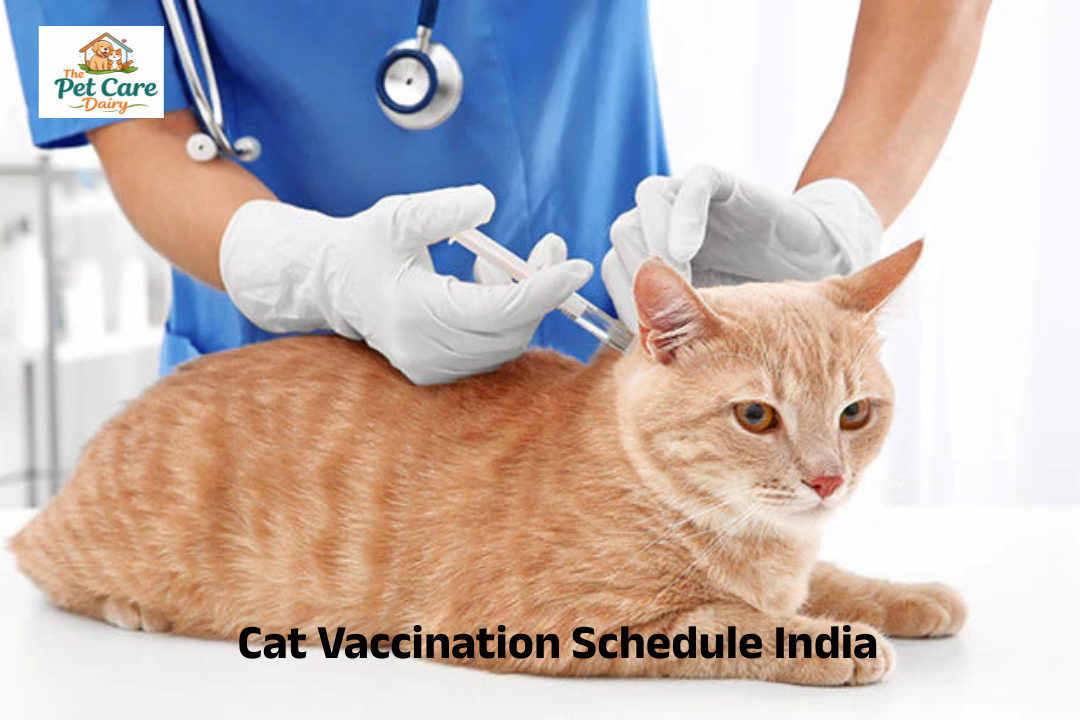
How to Care for Your Cat in the Indian Climate:
Caring for a cat in India’s diverse and frequently extreme climate can present unique challenges. From scorching summers to humid monsoons, each season requires specific considerations to ensure your feminine friend remains healthy and comfortable. Here are some essential tips and tricks for caring for your cat in the Indian climate.
- Provide Plenty of Fresh Water
In India s hot and humid climate, it’s vital to keep your cat well-hydrated. Make sure your cat has access to fresh water at all times. Consider placing multiple water bowls around the house to promote drinking. Adding ice cubes to the water can help keep it cool and more attractive to your cat. - Create a Cool and Comfortable Space
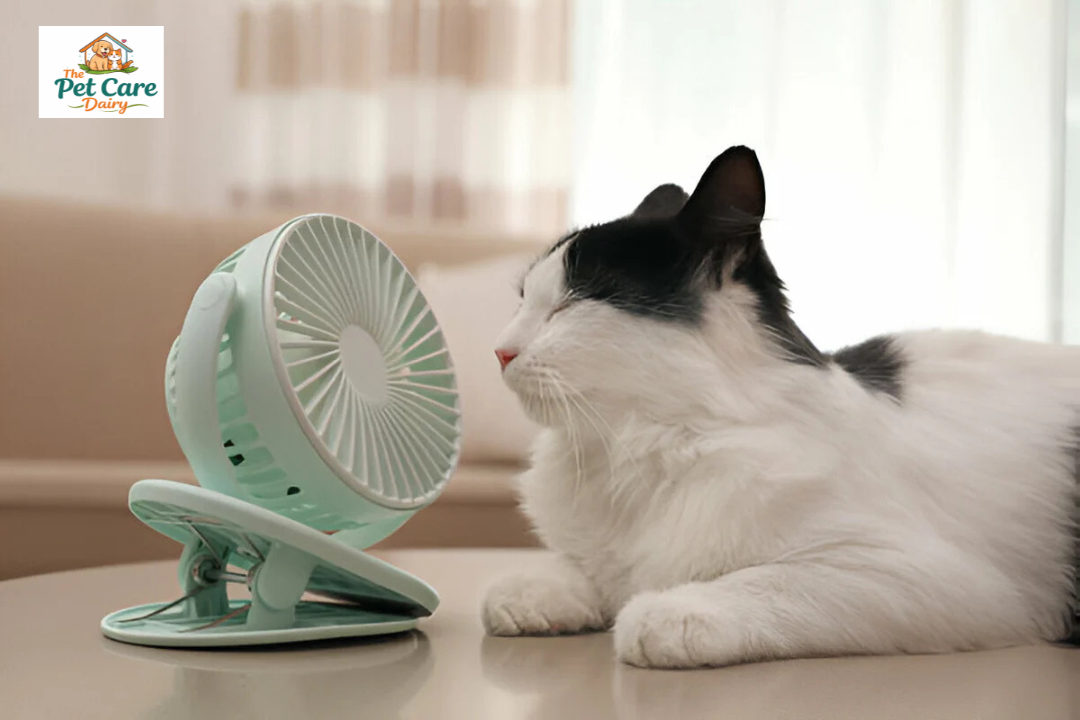
During the sweltering summer months, make sure your cat has a cool and shaded spot to rest. A well-ventilated room or a designated cool area with a fan can help. You can also use cooling mats or attenuated towels for your cat to lie on, which can provide relief from the heat. - Groom Regularly
Regular grooming is important for your cat’s health, especially in the Indian climate. Brush your cat’s coat frequently to remove loose hair and reduce the risk of mats and tangles. This helps in cooling your cat and reduce shedding. For long-haired breeds, more frequent grooming may be necessary. - Protect Against Fleas and Ticks
The humid environment in India can be conducive to fleas and ticks. Use vet-recommended flea and tick prevention treatments to protect your cat from these pests. Regularly check your cat’s fur and skin for signs of infestation and consult your vet if you notice anything unusual.
- Ensure Proper Ventilation
Good ventilation is essential to keep your cat’s living space comfortable. Make sure your home has adequate airflow and avoid closing off rooms where your cat spends a lot of time. If you use air conditioning, make sure it’s not too cold, as sudden temperature changes can also impact your cat. - Monitor Your Cat’s Health
Extreme weather conditions can sometimes lead to health issues in cats. Keep an eye on your cat’s behavior and watch for signs of heatstroke, such as excessive panting, lethargy, or drooling. During the monsoon season, watch out for signs of respiratory infections and consult your veterinarian if needed. - Feed a Balanced Diet
Provide your cat with a well-balanced diet that meets its nutritional needs. In hot weather, your cat might be less active and have a decreased appetite. Make sure that the food you provide is fresh and suitable for the climate, and adjust portions based on your cat’s activity level and appetite. - Keep the Litter Box Clean
In the humid climate, it’s important to keep your cat’s litter box clean and dry. Scoop the litter box daily and change the litter regularly to prevent unpleasant odors and maintain a sanitary environment. This will also help in preventing any potential health issues related to a messy litter box. - Protect Against Sun Exposure
Cats can get sunburned, particularly those with lighter fur. If your cat enjoys lounging in sunny spots, ensure that they have access to shaded areas. Consider using pet-safe sunscreen for cats if your veterinarian recommends it, especially for cats with lighter fur or exposed skin. - Prepare for Monsoon Season
During the monsoon season, your cat’s paws may get wet from the rain. Make sure that your cat’s living space is dry and free from dampness to avoid fungal infections. Keep an eye on your cat’s health and clean their claws if they get dirty or wet.
By following these tips and tricks,
you can help ensure that your cat remains healthy and comfortable throughout the year in India’s diverse climate. If you’re looking for a comfortable and climate-appropriate cat house, visit Tommy Casa. We offer a variety of options to suit your needs and keep your feline friend happy and secure.
India’s climate can be quite challenging for pets, especially cats that are sensitive to extreme weather conditions. From the scorching summer heat to the humid monsoon season and cooler winter months in some regions, cat owners need to adjust their care routines to ensure their feline companions stay healthy and comfortable throughout the year. Understanding how climate affects your cat’s behaviour, health, and daily needs is essential for responsible pet ownership.
During the summer season, temperatures in many parts of India can rise above 40°C, which can be harmful for cats. Although cats are naturally adaptable animals, excessive heat can lead to dehydration and heat stress. To keep your cat safe during hot climate, make sure your home remains well ventilated and cool. Provide shaded resting areas, avoid direct sunlight, and ensure fresh drinking water is available at all times. Some cat owners also use cooling mats or place a damp towel in the cat’s resting area to help reduce body temperature. Feeding wet food during summer can also support hydration because it contains higher humidity content.
The monsoon season presents different challenges for cat care.
High moisture levels can lead to skin infections, fungal problems, and an increase in parasites such as fleas and ticks. It is important to keep your cat dry and clean during rainy months. Regular grooming helps remove dirt and excess moisture from the coat. If your cat goes outside, gently wipe its paws and fur when it returns inside. Maintaining a clean litter box is also essential because moisture can cause unpleasant odors and bacterial growth more quickly.
Another important aspect of cat care in I ndia is proper nutrition tailored to the climate. During hot weather, cats may eat less than usual, which is normal. However, it is still important to provide balanced foods with high-quality protein and essential nutrients. Many veterinarians recommend mixing wet and dry food to maintain hydration and energy levels. Fresh water should always be available, and water bowls should be cleaned daily to prevent bacterial contamination.
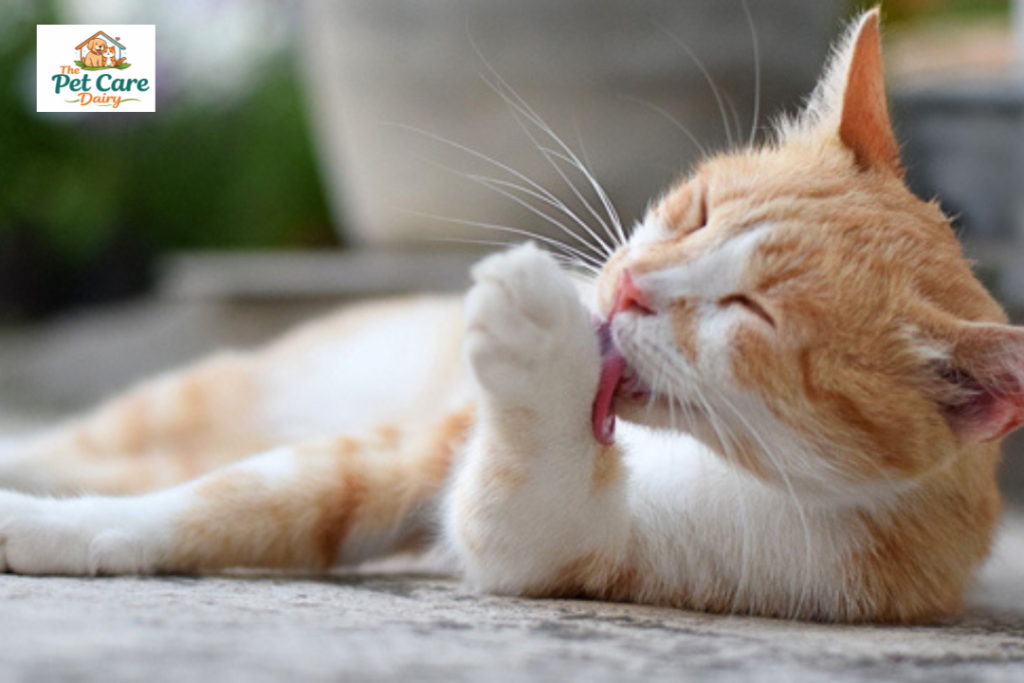
Cats in India also benefit from indoor enrichment and safe living spaces. In many cities, outdoor environments may pose risks such as traffic, stray animals, or environmental contamination. Keeping cats indoors or allowing supervised outside time can protect them from injuries and diseases. Indoor activities such as climbing trees, scratching positions, puzzle toys, and interactive play sessions help maintain both physical fitness and mental stimulation.
Regular veterinary checkups are crucial for cats living in warm and tropical climates.
Preventative treatments for fleas, ticks, and worms should be part of your cat’s health routine. Vaccinations protect cats from common diseases, while routine health checks help detect problems early. Paying attention to changes in hunger, energy levels, or grooming habits can help identify health issues before they become serious.
Finally, providing comfort and emotional care is just as important as physical care. Cats flourish in calm environments with predictable routines. Consistent feeding times, quiet sleeping areas, and daily interaction with their owners help minimize stress and promote overall well-being.
In conclusion, caring for a cat in the Indian climate requires awareness of seasonal changes and adapting daily routines respectively. By ensuring proper hydration, balanced nutrition, regular grooming, veterinary care, and a safe indoor environment, cat owners can help their feline companions remain healthy and comfortable throughout the year. With attentive care and love, cats can flourish even in India’s diverse and sometimes challenging climate conditions.
India’s diverse climate presents unique challenges for cat owners.
From scorching summers and humid monsoons to cooler winter months in certain areas, cats need special care throughout the year to remain healthy and comfortable. Understanding how seasonal changes affect your feline companion can help prevent health issues and improve their overall quality of life. In 2026, modern cat care in India focuses on climate-appropriate nutrition, hydration, sanitation, preventive healthcare, and environmental comfort.
One of the biggest challenges for cats in India is the intense summer heat. High temperatures can increase the risk of dehydration, heat stress, and reduced hunger. To help your cat stay cool, always provide fresh, clean drinking water in multiple locations around the home. Many cat owners use pet water fountains, which encourages cats to drink more frequently. Keeping your home well-ventilated, using fans or air conditioning when necessary, and providing cool resting spots can help your cat remain comfortable during hot climate.
Nutrition plays an important role in helping cats cope with India’s climate. During summer, some cats may eat less than normal, making it important to provide high-quality, nutrient-rich food. Wet food can be particularly beneficial because it increases moisture intake and supports hydration. In all seasons, a balanced diet rich in protein, vitamins, and minerals helps maintain a healthy immune system and general wellness.
The monsoon season brings its own set of challenges.
Enhanced humidity can encourage bacterial growth, fungal infections, and parasite infestations. Keeping your cat’s bedding, litter area, and living spaces clean and dry is essential. Litter boxes should be cleaned frequently because humidity and humidity can cause odors and bacterial buildup more quickly. Regular grooming during monsoon also helps maintain skin and coat health while reducing the risk of infections.
Parasite prevention is especially important in India due to the prevalence of fleas, ticks, mosquitoes, and other pests. These parasites can transmit diseases and cause inconvenience. Routine veterinary-approved preventive treatments help protect cats throughout the year. Owners should regularly inspect their cat’s skin and coat for signs of irritation, scratching, or infestation.
Although many parts of India experience warm temperatures year-round, some areas can become surprisingly cool during winter. Cats generally enjoy warm environments and may seek comfortable sleeping areas when temperatures drop. Providing soft bedding, blankets, and draft-free resting spaces helps maintain comfort during cooler months. Senior cats and kittens may require extra warmth because they are often more sensitive to temperature changes.
Indoor living is highly recommended for cats in India. Keeping cats indoors reduces exposure to traffic accidents, stray animal conflicts, contagious diseases, environmental toxins, and extreme weather conditions. Indoor cats typically live longer and healthy lives when provided with adequate enrichment and stimulation. Cat trees, scratching posts, interactive toys, puzzle feeders, and climbing shelves help satisfy natural instincts while keeping indoor cats active and involved.
Hydration remains one of the most important aspects of cat care in India’s climate. Cats naturally have a low thirst drive, which can increase the risk of urinary and kidney problems, especially in hot weather. Promoting water consumption through fountains, multiple water stations, and wet food can significantly improve hydration levels and support long-term health.
For more such pet care information, connect with us today: https://thepetcarediary.com