Obedience Training for Dogs: Dog Training Basics for Beginners
It doesn’t matter if you’ve got a new puppy or a new-to-you adult rescue: Obedience training for dogs is the best way to cement your bond with your fluffy friend. Read on for tips, tricks, and best practices as you start your dog training journey together.
Dog Training Basics
The best training methodology is science-supported, dog-friendly positive reinforcement training.
Dogs respond best to training that rewards them when they do something right rather than punishing them when they misstep. That means not using aversive collars, like choking, prong, or shock, which use pain to train. You shouldn’t worry about establishing yourself as a drill sergeant or “alpha” either.
Successful dog training puts a focus on fun, and allows the canine student to be creative during the process. The most effective training requires plenty of dog treats, an upbeat attitude, and gentle consistency as you teach.
Dog Potty Training
Potty training is an essential part of dog ownership. Dogs aren’t prewired to understand that they need to do their business outside, so it’s up to pet parents to teach them where it’s acceptable to eliminate.
Potty training should begin the moment your puppy or adult dog arrives home. You can set yourself up for success by always accompanying your pup outside to oversee during the training phase, even if you have a fenced yard.
Remember to keep treats in your pocket so you can reward your dog the moment they finish eliminating in a pet parent-approved location.
Learn to read your dog’s body language so you can predict when to take them for a pottie break. One easy indicator: If your dog keeps leaving the room where everyone is gathered or seems distracted, they probably need a bathroom break.
Crate Training
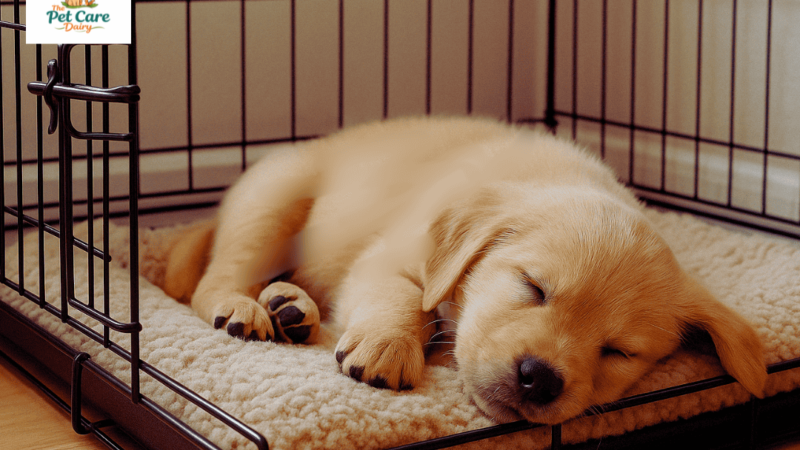
Most dogs can benefit from a spot of their own where they feel cozy and safe. For many dogs, a dog crate is that space.
Used properly, dog crates can protect your pup from dangerous items around your house and keep them from chewing on unsuitable things. Crates can also help speed the potty-training process, as well as provide a safe haven if your dog needs a place to recover after surgery.
To crate train a dog, choose the right-sized crate and take your time introducing it, using treats and favorite toys to make the space feel welcoming and positive. This is key to your dog considering the crate a palace and not a prison.
Leash Training
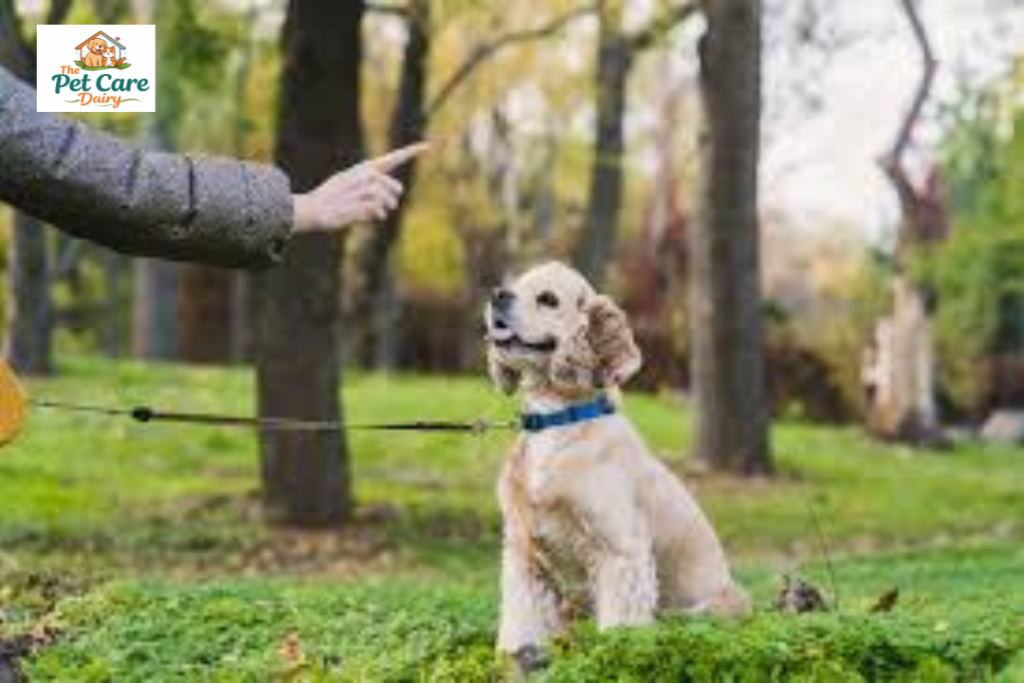
Teaching dogs leash manners is important for both you and your dog. You do not want them to pull you around on the leash; pulling can also put pressure on your dog’s neck and lead to injury.
Like all dog training, leash training requires a pocket full of treats, a positive attitude, and lots of patience. Teaching your dog to walk on a leash is a marathon, not a sprint. There are many distractions your dog may encounter during a walk, and they have to learn how to behavior in the face of each of them.
Choosing a leash that’s a safe length for your dog and comfortable for you both to use can make this process easier.
Puppy Socialization
Socialization is the process of exposing your puppy to new scenarios, places, and people at their own pace, which helps them learn to navigate the world with confidence.
Whereas it’s critical that new puppies experience thorough socialization before their socialization period ends at approximately 16 weeks, it’s important to keep it up throughout your dog’s life. Every dog can benefit from gently expanding their horizons at their own pace.
Clicker Training
Clicker training is a science-based positive reinforcement technique that turns the sound of a plastic toy clicker into a marker sound that tells your dog they demonstrated a behavior you like—and often, that that behavior earned them a treat.
Clicker training is a powerful, force-free methodology. It can be used for everything from basic training and tricks to more complicated behaviors like leash reactivity.
Basic Training Cues
Your dog can learn all varieties of cool tricks, but there’s a core group of basic training cues that should be required learning for all pups, including:
Sit: The most basic (and frequently easiest) cue to teach, this is the go-to first lesson.
Down: Often confused with an “off” cue, “down” means “put your belly on the ground.” It’s a great way to keep your dog conveniently anchored in place.
Come: This cue can be a literal lifesaver. Teaching your dog to come when called is simple at first, but where most pet parents slip up is not practicing it in unique locations (which can ensure a dog will reliably “com” when called no matter where they are or what else is happening) and maintaining the behavior throughout the dog’s life.
Stay: This behavior is almost as important as “coming” in that it also helps keep your dog safe. Worried that she might slip out the front door when you get a package? Teach a solid “stay” and worry no more!
Hiring a Dog Trainer
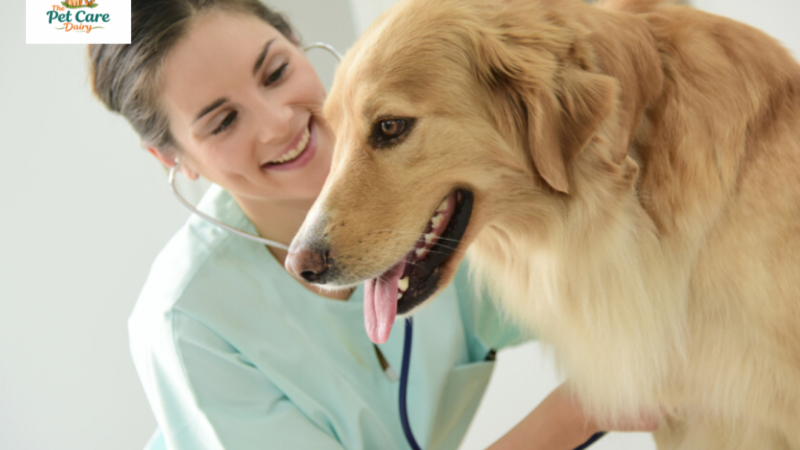
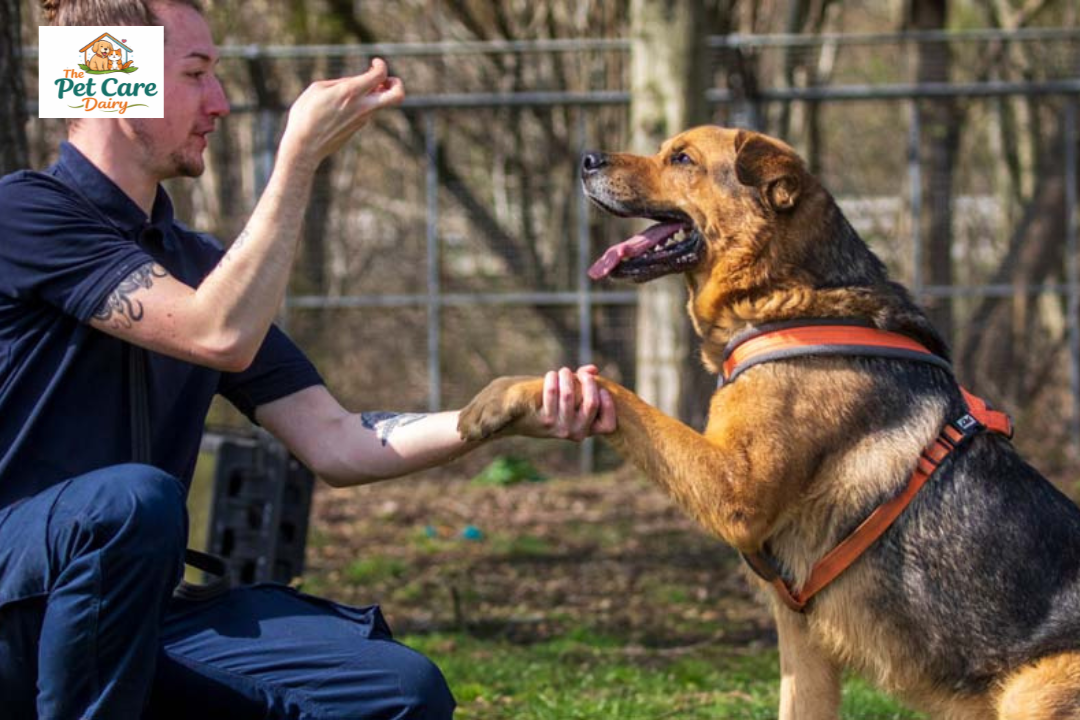
Sometimes you need support as you educate your pup, which is where a professional dog trainer comes in. A coach can help troubleshoot challenges and answer questions.
Dog training classes range from private in-home sessions customized to your needs, to group classes filled with other students.
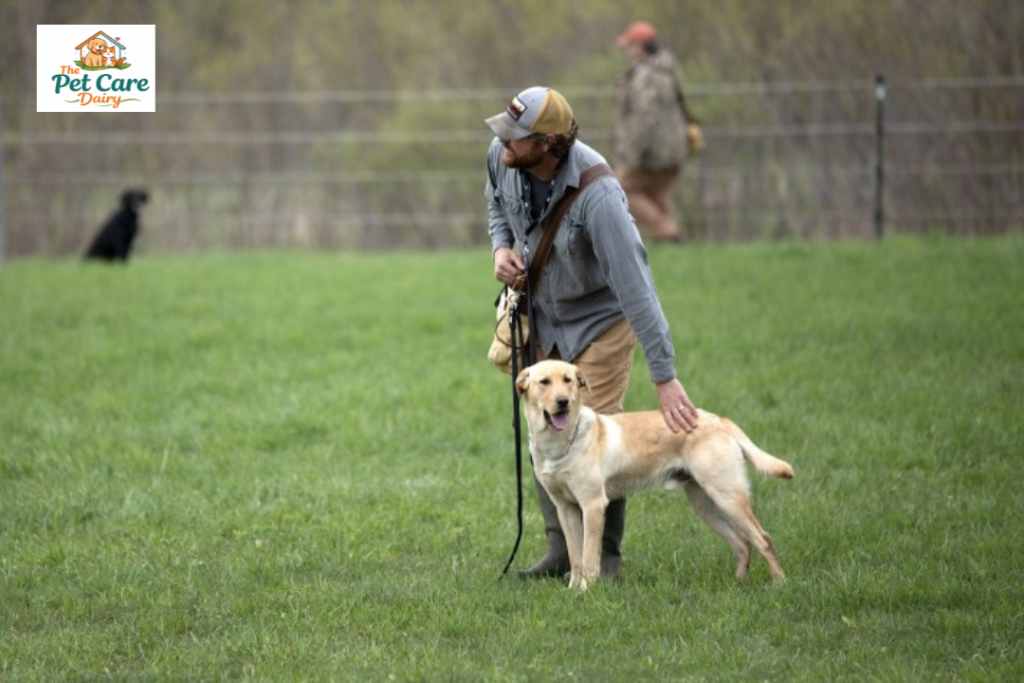
The most important part about choosing a dog trainer is ensuring that they use the most up-to-date, science-based positive reinforcement training. Anyone who suggests that you need to be the “alpha” or a “pack leader,” or recommends punishment tools like a choke or prong collar, should be avoided.
focuses on teaching your dog essential teams and good behavior through consistency, patience, and positive reinforcement. Training should begin early, especially during puppyhood, with basic commands like “sit,” “stay,” “come,” and “down.” Using rewards such as treats, praise, or toys helps your dog understand what behavior is expected and encourages stronger learning. Short, regular training sessions are more effective than long ones, as they keep the dog focused and engaged.
Consistency is the key to successful obedience training—use the same commands and rules each time to avoid confusion. Leash training is also important to ensure your dog walks peacefully without pulling, making outdoor walks safe and enjoyable. Socialization plays a vital role, helping your dog become comfortable around people, other animals, and various environments. Avoid harsh punishment, as it can create fear and damage trust; Instead, gently correct mistakes and reward positive behaviour.
Obedience training is one of the most important aspects of responsible dog ownership.
It helps dogs understand what is expected of them, improves communications between pets and owners, and creates a safer, happier environment for everyone. In 2026, modern dog training focuses on positive reinforcement, consistency, patience, and building trust rather than punishment. Whether you have a young pup or an adult dog, obedience training can strengthen your bond while teaching valuable life skills that improve everyday behavior.
Training should begin with a clear understanding of how dogs learn. Dogs respond best when good behavior is rewarded promptly. Positive reinforcement uses treats, praise, toys, or affection to encourage desired actions. When a dog associates a behavior with a positive consequence, it becomes more likely to repeat that behavior in the future. This approach not only improves learning but also builds trust and trust between the dog and owner.
One of the first commands every dog should learn is “sit.” This simple command teaches self-controlled and provides the foundation for more advanced training. To teach “sit,” hold a treat above your dog’s nose and slowly move it backwards. As the dog’s head follows the treat, its rear natural lowers to the ground. Once the dog sits, immediately reward and praise it. Repetition and consistency help reinforce the behavior.
The “stay” command is another essential obedience skill. It teaches patience, impulsive control, and safety. Begin by asking your dog to sit, then hold out your hand and say “stay.” Take a small step backward and reward the dog if it remains in position. Slowly increase the distance and duration as your dog becomes more comfortable. This command can help prevent accidents and improve behavior in public settings.
Teaching a reliable recall command such as “come” is one of the most valuable skills a dog can learn. Begin training in a quiet area with minimal distractions. Call your dog’s name followed by the command “come” in an excited tone. Reward immediately when your dog approaches. Consistent recall training can help keep your dog safe during walks, outdoor activities, and unpredictable situations.
Leash manners are another important part of obedience training.
Dogs that pull excessively on the leash can make walks stressful and difficult. Loose-leash training teaches dogs to walk peacefully beside their owners. Reward your dog when it walks without pulling and stop moving anytime tension develops on the leash. Over time, your dog learns that calm walking leads to rewards and forward movement.
The commands “down,” “leave it,” and “drop it” are also highly useful. “Down” encourages calm behavior and relaxation, while “leave it” helps prevent dogs from picking up dangerous items. “Drop it” teaches dogs to release items safely when requested. These commands improve safety and provide greater control in everyday circumstances.
For more such pet care information, connect with us today: https://thepetcarediary.com