Keeping your cat healthy this monsoon: Rainy day feline care for cat parents
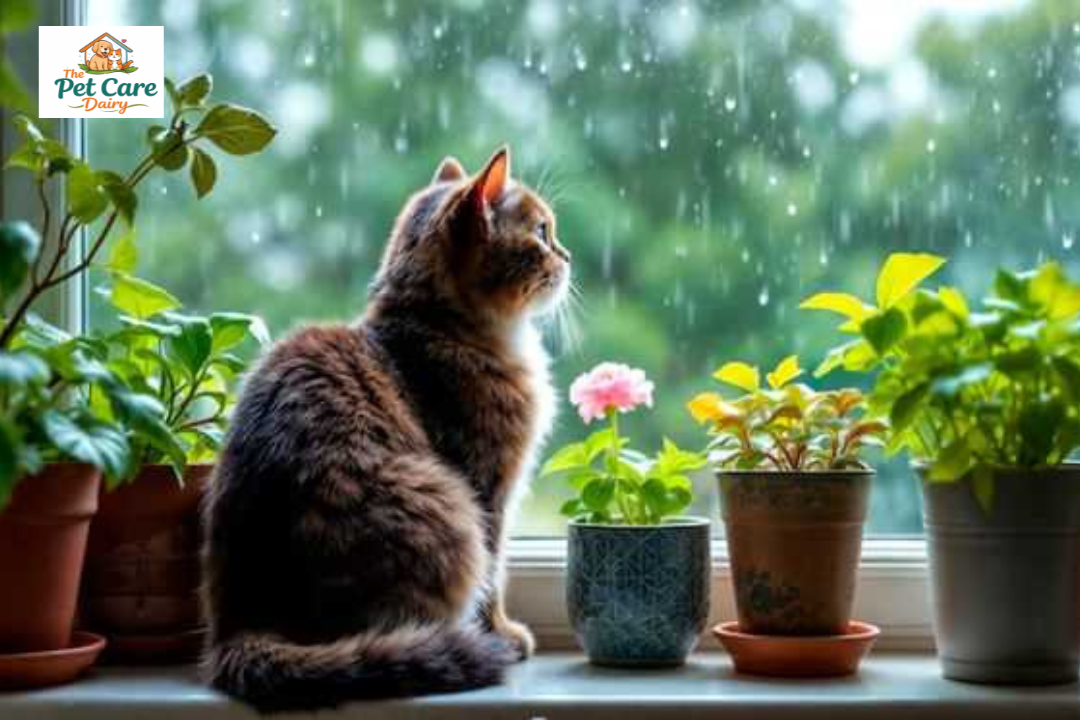
Monsoon time brings coolness and freshness, but also the risk of moisture, bacteria and infection. increases. It is very important to take proper care of cats especially during the rainy season. If not properly taken care of, they can suffer from problems like fungal infections, fleas, digestion problems and respiratory issues.
If you are a cat parent, follow the steps given below to keep your pet cat healthy and safe during monsoon. The care given will be very helpful.
Keep your cat in a dry and comfortable environment
Humidity increases in the rainy season, which causes cats to Can be harmful to health.
put the cat to rest in a dry and warm place
wash his bed or blanket regularly
Good ventilation in the house keep
Staying in humid places increases the chances of fungal infections and skin problems.
2. Pay special attention to hygiene and grooming
Germs and bacteria grow rapidly on the body of cats during monsoon. છે.
brush the cat regularly
keep paws clean
If you have come from outside, clean your paws and body with a dry towel.
Therefore from infections and allergies Can be saved.
3. Protect from Fleas and Parasites
Fleas, ticks and mites are more prevalent in the rainy season.
use anti-flea products recommended by your vet
Keep cat beds and toys clean
keep pest control in the house
If fleas increase then itching and skin infection in the cat It is possible.
4. Provide proper and fresh food
Digestion related problems may increase during monsoon.
Feed the cat fresh and balanced food
Do not leave food out for long
clean water always available keep
Due to this the cat’s immune system remains strong.
5. Keep an eye on symptoms of illness
Some common problems seen in cats in the rainy season છે.
Features to keep in mind:
constant sneezing
watery eyes or nose
lack of interest in eating
more be lazy
If such symptoms are seen, immediately contact the veterinary doctor.
6. Increase Indoor Activity
Cats cannot go outside to play due to rain.
give them interactive toys
Ramado with laser toy or ball
keep scratching post
This keeps the cat mentally active and happy.
Keep the litter box clean
Bacteria can grow rapidly in the litter box due to humidity during monsoon.
clean litter box daily
use dry and odor-free litter
keep the litter box in a dry place
Due to this, the risk of infections in the cat is less.
The rainy season (Monsoon season) brings natural coolness and greenery, but this time there are some problems for pet cats. Can also bring health problems. Due to increased humidity, water logging, bacteria and parasites, the chances of fungal infections, respiratory problems, digestive issues and skin allergies increase in cats. Jaaye છે.
Therefore during monsoon it is important for cat parents to keep their pet cats safe, healthy and Pay special attention to keeping it comfortable. The detailed guide below will help you take proper care of your cat during the rainy season.
Take special care of paws
Cat’s paws often get wet during the rainy season. Due to humidity and dirt the chances of getting bacterial infections increases.
To care:
Dry your paws with a soft towel after coming out.
If there is dirt from paws, clean them with clean water. do it
do regular paw inspection
This can avoid infections.
Grooming and Fur Care is Important
If the cat‘s fur remains wet for a long time during monsoon, fungal growth can occur.
brush the cat regularly
If the fur gets wet, immediately dry it with a dry towel.
If necessary, use pet-friendly shampoo as recommended by your vet.
hence The cat’s fur remains clean and healthy.
Prevent Fungal Infection and Skin Problems
The most common problem in rainy season is fungal infection.
Features:
itching
red spots on skin
to shed fur
skin dryness
If such symptoms appear, contact a veterinary doctor immediately.
Protection against Fleas, Ticks and Parasites
Parasites increase very fast during monsoon.
For security:
apply anti-flea treatment as recommended by your vet
Keep the cat’s bed and toys clean
clean the house regularly
Due to cat itching and infection Can be saved from.
Provide balanced and fresh food
Food can spoil quickly during the rainy season.
Caution:
give fresh food to the cat
Do not keep leftover food for a long time
give protein rich diet
Always keep clean drinking water available for your cat.
hence The immune system of the cat remains strong.
Focus on Respiratory Problems
Some cats may suffer from cold or respiratory infection during the rainy season.
Features:
constant sneezing
runny nose
watery eyes
lethargy
If such symptoms appear, consult a vet immediately.
Indoor Exercise and Mental Stimulation
Cats cannot go out to play in the rain, due to which they may get bored.
Therefore:
give interactive toys
keep scratching post
laser toy to ramado
keep climbing tower
This keeps the cat physically and mentally active.
Litter Box Hygiene Very Important
During monsoon, bacteria and odor can increase rapidly due to moisture in the litter box.
clean the litter box every day
use dry litter
Keep litter tray in dry area
A clean litter box is essential for a cat’s health.
Get regular Vet check-up done
Cats may often develop hidden infections during monsoon.
Take regular vet consultation
keep vaccination updated
get parasite control treatment
This protects the health of the cat in the long run.
Rainy Day Feline Care for Cat Parents focuses on protecting your cat from seasonal health issues and maintaining cleanliness during wet and humid conditions. During the monsoon, increased humidity can lead to skin infections, fungal issues, and parasites like fleas and ticks, so regular grooming and keeping your cat dry and clean is essential. Always ensure your cat stays indoors or in a safe, dry environment to avoid exposure to unclean water, infections, and accidents.
Provide a warm and cozy resting area, as damp weather can make cats feel cold and stressed. Clean the litter box more frequently, as moisture can cause odor and bacterial growth. Fresh, high-quality food and clean drinking water are important to maintain immunity, as dietary issues can also increase during this season. Regular vet checkups and timely vaccinations help prevent common monsoon-related illnesses.
The monsoon season brings cooler temperatures, refreshing rainfall, and a welcome break from summer heat. However, it also introduces several health and hygiene challenges for cats. Increased humidity, damp environments, decreased sunlight, and a higher risk of infections can affect your cat’s overall well-being. As a responsible cat parent in 2026, understanding how to adapt your pet’s care routine during the rainy season is essential. With the right precautions, you can help your feline companion stay healthy, cozy, and happy throughout the monsoon months.
One of the most important aspects of monsoon cat care is maintaining a clean and dry environment. Damp conditions can encourage the growth of bacteria, mold, and molds, which may contribute to skin infections and respiratory issues. Ensure that your cat’s sleeping area, bedding, blankets, and favorite resting spots remain dry at all times. Regularly washing and drying bedding helps create a healthier living space and reduces the risk of undesirable odors and germs.
Litter box hygiene becomes even more important during the rainy season.
Enhanced humidity can cause litter to retain moisture and unpleasant smells more quickly than usual. Clean the litter box daily, replace litter regularly, and keep the area well-ventilated. A clean litter box not only prevents bacterial growth but also encourages healthy toilet habits.
Nutrition plays a vital role in supporting your cat‘s immune system during monsoon. Feeding a high-quality, balanced diet rich in protein, vitamins, and essential nutrients helps reinforce natural defenses against seasonal illnesses. Fresh food should not be left out for long periods, as humid climate can cause spoilage more quickly. Always provide clean drinking water and wash food and water bowls regularly to prevent contamination.
Hydration remains important even when temperatures are cooler. Some cats may drink less water during rainy weather, which can impact urinary and kidney health. Encourage dehydration by providing fresh water in multiple locations or using a pet water fountain. Wet food can also help increase moisture intake and support overall health.
Monsoon season often leads to a rise in parasites such as fleas, ticks, and mosquitoes. These pests can carry diseases and cause discomfort for cats. Routine parasite prevention treatments recommended by your veterinarian can help protect your pet throughout the season. Inspect your cat’s coat frequently and seek veterinary advice if you notice excessive scratching, skin irritation, or signs of infestation.
Indoor exercise and mental stimulation become increasingly important when outdoor activities are restricted due to rain. Cats may spend more time indoors during monsoon, increasing the risk of boredom and inactivation. Interactive toys, puzzle feeders, cat trees, scratching positions, and play sessions help keep your cat physically active and mentally engaged. Regular enrichment activities can prevent behavioral problems and support emotional well-being.
Grooming should remain a priority during rainy months. Humid weather can occasionally contribute to skin issues and matting, particularly in long-haired cats. Regular brushing helps remove loose hair, improve air circulation through the coat, and maintain healthy skin. Grooming sessions also provide an opportunity to check for skin irritations, parasites, or uncommon changes that may require attention.
For more such pet care information, connect with us today: https://thepetcarediary.com