Summer Pet Safety Tips: Keeping Dogs and Cats Safe in Hot Weather
Enjoying a beautiful summer day with your pet is great, but the heat can also be dangerous or even lethal for dogs and cats. Fortunately, with just a few precautions, you can keep pets safe and cool in hot weather.
Heatstroke in dogs and cats
Heat stroke in dogs and cats can occur when the animal’s body temperature rises to a critical level. Normal body temperatures for dogs and cats range from 100 to 102.5 degrees Fahrenheit. When a dog’s temperature rises to 108 degrees, or a cat’s to 106 degrees, they can suffer irreparable organ damage and even die. Pets displaying signs of heatstroke might be distressed, weak, panting and breathing heavily, and have a dark red to purple-colored tongue, and they might throw up.
Move a pet suffering from heatstroke out of the heat immediately. Cool the animal’s ears, tummy, and paw pads with cool (but not freezing or icy) water. Do not place an animal in cold water or cover them with a cold, wet blanket. Once the pet is stabilized, take them to the veterinarian as soon as possible. The animal may be experiencing issues internally that are not visible to you.
A variety of situations – such as leaving a dog in a hot car, going for an afternoon walk with your dog, or simply leaving a pet in the yard with no shade – can contribute to an animal overheating.
Watch this video to see how quickly a car can heat up on a 95-degree day.
Hot weather pet safety tips
Best Friends Animal Society recommends taking a few simple precautions to keep dogs and cats healthy and cozy as the temperature rises. Here are some hot weather pet safety tips:
Keep pets indoors during the day. It might sound obvious, but it’s hottest outside when the sun is up. Quick walks and bathroom breaks are okay, but try to keep your pets in the shade.
If pets do spend time outside during the day, make sure they have access to shade at all hours of the day. Dogs on tethers are especially vulnerable because they could become tangled in the tether outside of reach of shade or water. Grass and greenery help keep the yard cooler, too.
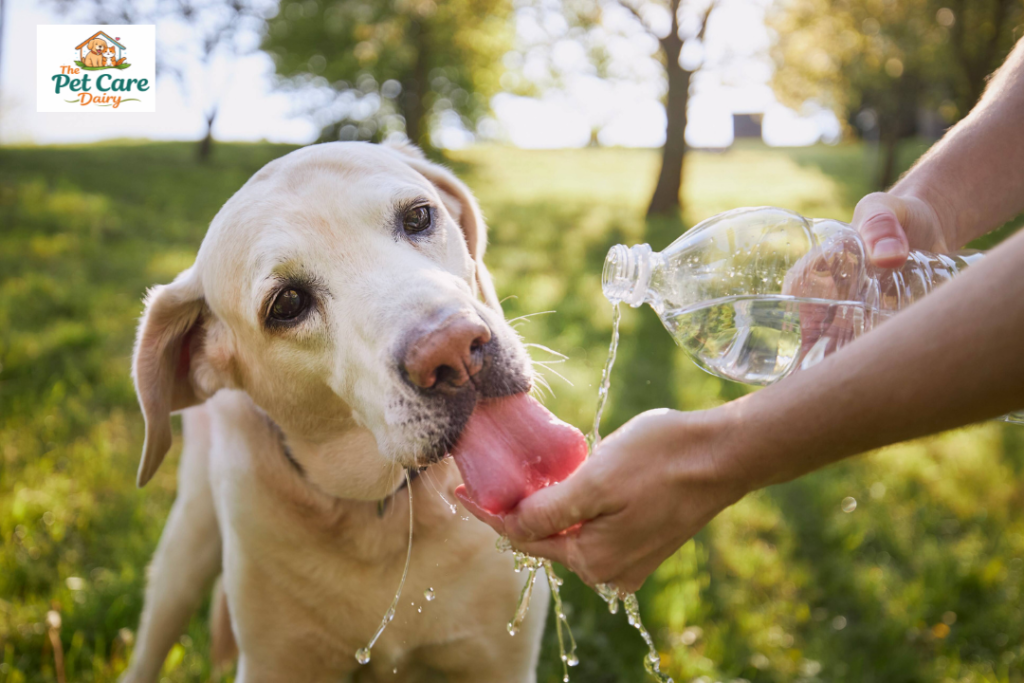
Provide pets with fresh, cool water at all times. During the summer heat, water should be dumped and refilled frequently. Most dogs will not drink hot water, no matter how thirsty they are.
Exercise dogs during the cooler morning or evening hours, not in the intense afternoon heat. Dogs who are seniors, obese, have thick fur, or a pushed-in nose (such as boxers, pugs, and Pekingese) are even more at risk of overheating. Bring water for both you and your pet, or a collapsible bowl if there is a water source on your route.
Be aware of the temperature of the sidewalk, asphalt, sand, or even packed dirt. The heat can cause burns to your pet’s paw pads if they get too warm.
Consult a veterinarian regarding whether your pet needs a pet-approved sunscreen on exposed areas. Dogs with bald spots or minimal coats might need sunscreen, as well as Nordic breeds of dogs, who are prone to autoimmune-related sun diseases.
Never leave your pet in a parked car when the outside temperature is above 70 degrees Fahrenheit — not even with the windows partway down, not even in the shade, not even for a quick error. Dogs and cats cannot sweat like humans, so they pant to lower their body temperature. If they’re inside a car recycling very hot air, panting gives no relief, and heatstroke can happen quickly.
A little empathy goes a long way in protecting our pets from extreme weather. If it’s too hot for us to remain comfortable in the car, in the yard, or on a walk, it’s even hotter for our furry friends.
As the temperature increases in summer, the risk to humans as well as to pets (Dogs and Cats) also increases. Due to excessive heat, they may suffer from problems like dehydration, heatstroke, and skin problems. Therefore, it is very important to take special care of pets during the summer.
Always provide adequate water
Pets can quickly become dehydrated in the heat.
Always have fresh and cold water available
Change water multiple times a day
If you are outside, keep a portable water bowl
Water If you get enough, body temperature remains under control.
2. Avoid direct sunlight
It is dangerous to remain in direct sunlight for a long time in summer.
Keep pets in a shady place
Don’t take me out in the afternoon
take a morning or evening walk to go
This way, the risk of heatstroke is reduced.
3. Avoid walking on hot roads
Roads and pavements become very hot in summer.
Walking on hot roads can cause injury to the paws of the pet.
Check the ground by hand before taking it out
is possible So take a walk in the grassy area
4. Make arrangements for cooling
Pets are comfortable in summer. It is necessary to provide an environment.
Room with fan or AC
cooling mat or cold floor
Sometimes wet your paws with cold water
That’s why heat relief is available.
5. Never leave the car unattended
In summer, the temperature of the car increases very quickly.
Do not leave pets alone in the car, even for a few minutes
The temperature inside the car can reach up to 50°C
This often a life-threatening situation.
6. Give sweet and hydrating foods
Heavy food should be avoided in summer.
pet-safe fruits like watermelon, cucumber
Sweet and easy-to-digest food
feed in small portions throughout the day
Summer Pet Safety Tips are essential to keep your pets safe, comfortable, and healthy in a hot climate. High temperatures can be dangerous for pets, so always ensure they have access to fresh, clean drinking water and a cool, shaded spot to rest. Avoid taking dogs outside during peak heat hours (12 PM to 4 PM), as hot surfaces can burn their paws; early morning or evening walks are safer.
Keep your home well-ventilated or use fans/ AC to prevent overheating, and never leave pets inside parked cars, even for a short time, as temperatures can rise quickly and become life-threatening. Grooming is important, but avoid shaving coats entirely, as fur also protects against sunburn. You can use cooling mats, damp towels, or provide a shallow water area for pets to relax.
Summer can be a fun and exciting season for pets and their owners, but rising temperatures can also create serious health risks if appropriate precautions are not taken. Dogs, cats, and other companion animals are vulnerable to dehydration, heat depletion, sunburn, and heatstroke during hot weather. As temperatures continue to rise in many regions during 2026, pet owners must take extra steps to ensure their furry companions remain safe, comfortable, and healthy throughout the summer months.
One of the most important summer safety measures is providing permanent access to fresh, clean water. Pets can become dehydrated quickly during hot weather, especially after exercise or spending time outside. Water bowls should be checked and refilled regularly throughout the day. Many pet owners place multiple water stations around the home and yard to promote hydration. Pet water fountains can also help keep water cool and appealing while encouraging pets to drink more frequently.
Providing shade and cool resting areas is equally important.
Pets should never be forced to stay in direct sunlight for extended periods, especially during the hottest hours of the day. Trees, covered patios, cooling mats, fans, and air-conditioned rooms can help pets stay comfortable. Indoor environments frequently provide the safest refuge during extreme heat, especially for senior pets, young animals, and breeds that are sensitive to high temperatures.
Exercise routines may need to be adjusted during the summer. Walking dogs during afternoon heat can expose them to dangerously high temperatures and increase the risk of overheating. Early morning and late evening are usually the safest times for outdoor activities because temperatures are lower. Owners should monitor their pets closely during exercise and provide regular breaks in shaded areas with access to fresh water.
Hot pavement is another hidden danger during summer. Roads, walkways, sand, and artificial turf can become extremely hot and may burn sensitive paw pads. Before taking pets outdoors, owners should test the surface temperature by touching it with their hands for several seconds. If it feels too hot for your hand, it is likely too hot for your pet’s paws. Walking on grass or using protective paw equipment can help prevent injuries.
Recognizing the signs of heat-related illness is essential. Symptoms of overheating may include excess panting, drooling, weakness, rapid heartbeat, vomiting, confusion, bright red gums, or difficulty breathing. If a pet shows signs of heat stress, move them to a cool area immediately, offer fresh water, and contact a veterinarian as soon as possible. Heatstroke is a medical emergency that requires immediate care.
Pets should never be left unattended inside a parked vehicle. Even with windows partially open, temperatures inside a car can rise to hazardous levels within minutes. Heatstroke can develop rapidly and become life-threatening. During summer outings, pets should either escort their owners into pet-friendly indoor locations or remain safely at home.
Grooming also plays an important role in summer pet care. Regular brushing helps remove excess fur and improves air circulation through the coat. However, owners should avoid trimming double-coated breeds unless advised by a veterinarian or professional groomer, as their coats help regulate body temperature and protect against sun exposure. Maintaining a healthy coat can improve comfort and reduce overheating risks.
Cats also need special attention during hot weather. Many cats naturally seek cool places to rest, but owners can provide additional comfort by offering cooling mats, ceramic relaxing surfaces, and shaded indoor areas. Wet food can help increase moisture intake and support hydration during warmer months.
Summer is also peak season for parasites such as fleas, ticks, and mosquitoes. These pests can carry diseases and cause inconvenience. Regular parasite prevention treatments, regular inspections, and maintaining a clean environment help protect pets from seasonal infestations and related health problems.
For more such pet care information, connect with us today: Pet Care