Best Cat Foods in 2026, Recommended By Vets
Feeding your cat a nutritious diet is vital for their health. But with so many choices on the shelves, how can you know what’s the best cat food?
There’s no one-size-fits-all healthy cat food, as it all depends on your cat’s unique needs and preferences. The best cat food is one that is complete and balanced, formulated with high-quality ingredients, and supported by research, but it should also be suited to your cat’s life stage and tailored to any specific health needs, such as for weight loss.
To help make the decision a little easier, we asked our team to curate a list of veterinary-approved cat foods. Here are the best cat foods, as recommended by our team of veterinarians.
Cat’s Life Stage
Choose a food formulated for your cat’s life stage, whether your cat is a kitty, adult, or senior. For example, kittens do well with a diet that supports their overall development whereas senior-formulated diets help older cats maintain muscle mass and support kidney health and mobility.
Cat’s Health
Cats may need a special diet if they have health conditions, such as obesity, skin conditions, stomach sensitivities, or dental disease.
Dry vs. Wet Cat Food
Both dry and wet cat food are great nourishment sources. When determining whether to feed wet or dry cat food, consider your cat’s specific needs, preferences, and your budget.
Wet cat food contains more moisture, which helps cats who need more water (such as those with diabetes, kidney disease, or lower urine tract disease), and it’s soft, making it a good choice for cats who have dental issues. Dry cat food can be less expensive, can be used in an automatic feeder, and is easily stored.
Your Vet’s Input
No one knows your cat’s unique health and nutrition needs like their veterinarian. Consulting your veterinarian or even a board-certified veterinary nutritionist is always a good idea, especially if your cat has any special health concerns or is transitioning to a new life stage.
Budget
You want to find a cat food that meets the needs of your cat but is also suitable for your budget. Cats don’t respond well to frequent changes of their food if you keep switching to what’s currently on sale.
Most of the diets on our list come with higher price tags, but they offer research-supported, high-quality nutrition.(E

Feeding your cat the correct food is one of the most important decisions you’ll make as a pet parent. Cats are obligate carnivores — meaning their bodies are designed to thrive on high-protein, meat-based diets with balanced nutrition for bone, muscle, and organ health. As we move into 2026, a lot has changed in pet nutrition, with more focus on high-protein, species-appropriate formulations and minimal fillers.
In this guide, we’ll walk through what to look for in cat food, how to choose the right formulation for different life stages, and the top recommended foods available today.
How to Choose the Best Cat Food
When selecting a cat food, consider these key factors:
✔ 1. High Protein Content
Dogs need animal-based protein for energy and healthy muscles. Foods with meat (like chicken, fish, Turkey, or venison) listed first are usually best.
✔ 2. Moisture Level
Cats inherently drink less water than they need. Wet foods or high-moisture formulas help maintain hydration and support urinary health.
✔ 3. Life-Stage Nutrition
Kittens, adult cats, and senior cats have different nutrient requirements. Always pick a food formulated for your cat’s age and health needs.
✔ 4. Special Dietary Needs
Some cats may require grain-free diets, sensitive stomach formulas, or veterinarian-recommended prescription foods based on health conditions.
✔ 5. Brand Reputation
Reputational brands with strict quality control and transparent labeling offer better nutritional assurance.
Tips for Feeding Your Cat
🕐Feed based on age & weight
Your cat’s size, activity level, and age influence how much and what type they should eat. Always follow label guidelines and consult your vet for personalized advice.
Always Offer Fresh Water
Cats frequently drink less water than needed. Fresh water promotes urinary health and prevents dehydration.
Transition Slowly
If changing foods, mix new food with the old slowly over several days to avoid stomach upset.
Final Thoughts
Selecting the best cat food in 2026 means focusing on quality protein, real ingredients, and nutrition tailored to your cat’s life stage. From premium high-protein picks to balanced everyday options, there are great choices to support your feline’s health and well-being.
Remember, every cat is unique — what works best for one may not suit another. Always monitor your cat’s weight, energy levels, and general health, and consult a veterinarian when in doubt.
premium cat food brands to watch in 2026
🐾Royal Canin
Royal Canin continues to lead in science-based, breed-specific and condition-specific cat diets. Their formulas are frequently recommended by veterinarians for issues like urinary care, hairball control, and digestive sensitivity. In 2026, their focus remains on accurate nutrition tailored to individual cat needs.
🐾 Hill’s Science Diet
Hill’s is known for clinically tested formulas designed to support overall health, weight management, and special dietary requirements. Their vet-developed recipes are especially popular for cats with medical conditions.
🐾 Purina Pro Plan
Purina Pro Plan provides advanced nutrition with live probiotics for digestive support. Their high-protein wet and dry options remain among the most trusted choices globally in 2026.
🐾 Origin
Orijen focuses on biologically suitable diets with high meat content and minimal carbohydrates. Their grain-free recipes are ideal for pet parents looking for premium, protein-rich nutrition.
Emerging cat food trends in 2026
Pet nutrition continues to evolution. Here are major trends shaping the cat food market this year:
1️⃣ Limited-Ingredient Diets
More cat owners are choosing limited-ingredient foods to reduce allergies and food sensitivity.
2️⃣ High-Moisture Diets
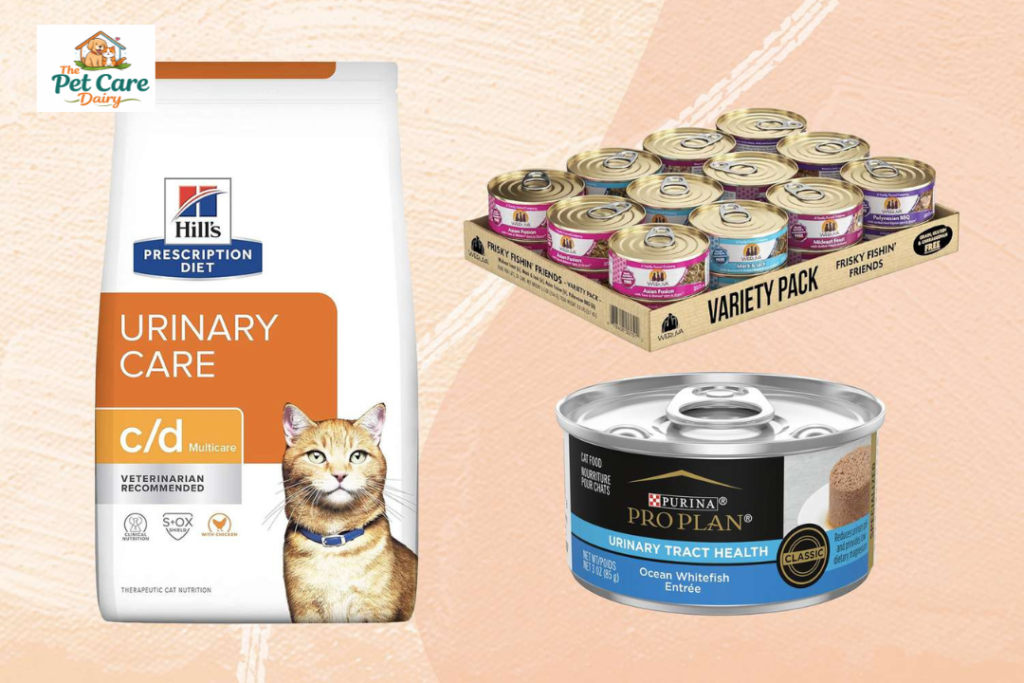
Veterinarians increasingly recommended wet food or raw-inspired diets to support urinary and kidney health.
3️⃣ Functional Nutrition
Modern formulas now include:
Probiotics for gut health
Omega-3 fatty acids for skin & coat
Taurine for heart health
Antioxidants for immunity
4. Sustainable and Ethical Sourcing
Eco-conscious brands are focusing on sustainable materials and recyclable packaging.
Providing proper nutrition is one of the most important responsibilities of every cat owner, and in 2026, veterinarians continue to stress the importance of choosing high-quality, nutritionally balanced cat food. As research into feline health advances, pet owners have access to a wider range of diets specifically designed to support different life stages, activity levels, and health conditions. The best cat foods are those that contain high-quality animal protein, essential vitamins and minerals, healthy fats, and ingredients that promote digestive, urine, and immune system health. Since cats are obligate carnivores, their nutritional needs differ significantly from those of many other pets, making it crucial to select foods that prioritize animal-based protein sources.
Veterinarians commonly recommend choosing cat foods that meet recognized nutritional standards and are supported by scientific research. Brands that invest heavily in veterinary nutrition studies and quality control often receive the highest recommendations. In 2026, premium cat food formulas focus on providing complete and balanced nutrition while avoiding unnecessary fillers and artificial supplements. Many modern formulations also include ingredients that support skin and coat health, joint function, digestive wellness, and overall vitality.
One of the biggest trends in feline nutrition is personalized feeding.
Rather than relying on a one-size-fits-all approach, many cat owners are choosing foods tailored to their pet’s specific needs. Kittens require nutrient-rich formulations that support rapid growth and development, while adult cats benefit from balanced diets that maintain healthy body weight and energy levels. Senior cats often need specialized nutrition designed to support aging joints, kidney function, and overall mobility. This personalized approach helps ensure that cats receive the correct nutrients throughout every stage of life.
Wet food continues to gain popularity among veterinarians due to its high moisture content. Many cats inherently consume less water than they need, which can contribute to urinary tract and kidney problems. Wet food helps increase daily water intake while providing highly palatable nutrition. Many veterinarians recommended combining wet and dry food to provide both hydration benefits and dental support. This mixed-feeding approach allows cats to enjoy nutritional diversity while supporting multiple aspects of health.
Another important factor influencing veterinary recommendations is ingredient quality. Modern cat foods increasingly feature real meat, poultry, or fish as primary ingredients, providing the essential amino acids cats need for muscle maintenance and general health. High-quality protein sources are particularly important because cats rely heavily on protein metabolism for energy. Foods containing proper levels of taurine, omega fatty acids, vitamins, and minerals also help support vision, heart health, immune function, and healthy skin and coat condition.
Specialized diets are becoming more common as veterinarians focus on preventative healthcare. Cats with sensitive stomachs, food allergies, urinary tract issues, obesity, diabetes, or kidney disease may benefit from medicinal or condition-specific formulas. These diets are carefully formulated to address particular health concerns while maintaining complete nutrition. Veterinary guidance is especially important when selecting foods for cats with medical conditions, as nutritional management can play a important role in treatment and long-term health outcomes.
For more such pet care information, connect with us today: https://thepetcarediary.com