Caring for cats and kittens
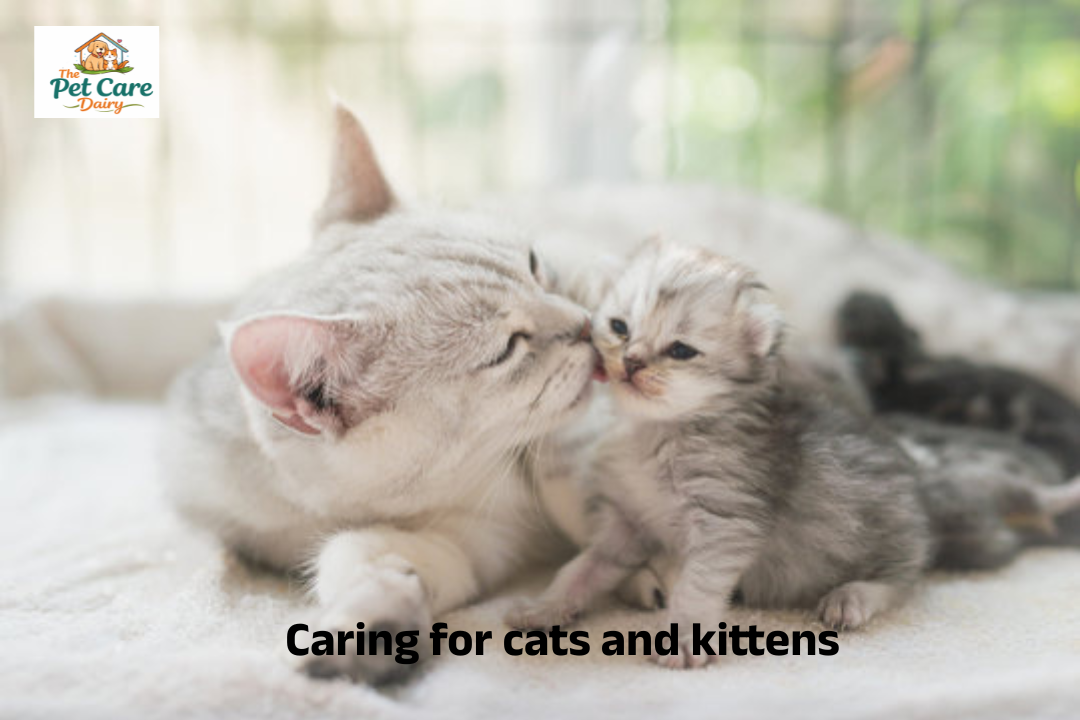
Cats make pets affectionate and playful, but it’s important to have a good understanding of their needs before you welcome one into your home.
On this page, we’ll take you through some top cat facts to help you get to know these incredible animals, and point you in the direction of our expert advice on how to keep your kitten or cat happy and healthy.
cat fact file
No two cats are the same, but understanding their biology and behavior can help you to understand your pet better. Here are our top ten cat facts!
Cats have highly developed senses –
Cats are expert hunters and hunt alone. In the wild, they’ll spend 6-8 hours a day hunting. They can hear the high-pitched frequencies used by small rodents and their whiskers (or ‘vibrissae’) are highly sensitive to vibrations, helping them to detect predators.
Cats are agile –
they have powerful, tightly controlled muscles and quick reflexes that allow them to move quickly and gracefully. They are skilled at running, jumping, climbing and stealthily stalking prey.
Cats have a range of ways to communicate –
including purrs, ‘meows’, trills, chirps, growls, yowls, and hisses. They also communicate visually using different body postures, as well as visual markers such as scratch marks or the deposition of feaces.
Cats are independent –
survival is a solitary affair for cats, and they’re self-reliant for food, shelter, grooming and territorial defense. They can be social, but prefer to choose their own companions.
Cats are territorial –
a cat’s territory is an area it defends, aggressively if necessary, against other cats. They use a range of methods to mark their territory, including scratching, spraying urine, and depositing feces. Help keep your cat safe outside.

Cats are meat eaters –
meat is an important part of a cat’s diet, and they cannot survive without the nutrients found in animal-based food.
Cats love cat naps –
domestic cats sleep for 12-18 hours a day! Sleep allows them to restore their energy resources, so it’s vital for a predator that needs to be prepared to hunt whenever it detects prey.
Cats are playful –
they are intelligent and need both mental and physical stimulation. Play is important, as it improves motor skills, provides brain training and encourages social behavior. Keep your cats entertained with fun toys.
Cats are clean animals
tiny abrasive hooks, found in the center of cats’ tongues, helps them to groom themselves. Grooming keeps a cat‘s coat in good condition and also helps to remove fleas and other parasites. Read more about keeping dogs healthy.
Cat care tips and advice
If you’re thinking about getting a cat, remember that they’ll need room to be active and have regular interaction with people and other animals (cats don’t really like to be left alone for long periods during the day).
They will also need access to clean water, meat-based cat food and regular grooming, as well as private access to a litter tray, which should ideally be changed once a week.
We have lots of advice for cat owners, including tips on understanding cat behavior, when and why to neutralize and specific advice on how to look after a kitten during those first few weeks and months. Take a look around to learn more.
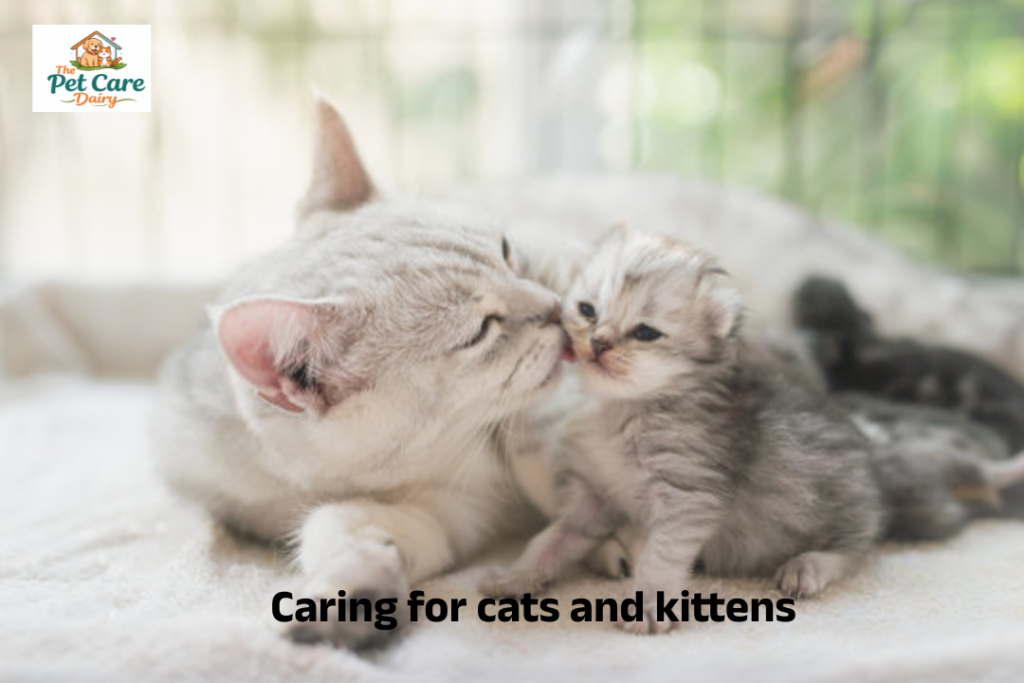
Caring for cats and kittens is not just about feeding them and keeping them indoors — it’s about understanding that they are biologically sensitive, emotionally intelligent animals whose needs change rapidly during their first year of life. Kittens grow incredibly fast; In fact, during the first six months, their bodies develop at a rate equivalent to a human child’s early childhood years, which means nutrition is critical. They require high-protein, taurine-rich diets because taurine deficiency can lead to heart disease and vision problems. Fresh water should always be available, and many cats naturally prefer running water, which is why dehydration is a hidden risk—especially since chronic kidney disease affects almost 1 in 3 cats over the age of 10. Litter hygiene is equally important; Cats are instinctively clean animals, and a dirty litter box can cause stress or even urinary tract problems. Regular veterinary visits for vaccinations, deworming, and early health screenings build the foundation for a long life, as indoor cats can live 12–18 years or more with appropriate preventive care.
Beyond physical health, emotional well-being plays a powerful role. Kittens need daily interactive play — at least 20–30 minutes — to develop coordination, confidence, and healthy hunting instincts. Without stimulation, cats may develop behavioral issues such as aggression, anxiety, or destructive scratching. Scratching posts, climbing trees, and safe hiding spaces help them feel secure because cats are both predators and prey by nature—they need to observe their environment from a height while also having quiet retreats. Socialization during the first 8–12 weeks is crucial; Gentle handling and positive exposure to people and sounds reduces fearfulness later in life. Grooming also matters: even short-haired cats benefit from weekly brushing to reduce hairballs and monitor skin health. Ultimately, caring for a cat or kitten is a long-term commitment constructed on patience, consistency, and observation. When their environment feels safe, stimulating, and loving, cats reward their caregivers with deep loyalty, subtle affection, and companionship that can last well over a decline.
Caring for cats and kittens also means learning to notice the small, quiet changes that often signal something important Cats are masters at hiding pain in the wild, showing weaknesses could make them vulnerable, so even domestic cats instinctively mask discomfort. A slight decrease in appetite, sleeping more than usual, hiding in unusual places, or excessive grooming can all be early warning signs of illness. For example, sudden weight loss in a cat—especially if paired with increased thirst—may point toward conditions such as hyperthyroidism or diabetes. Monitoring body weight monthly and keeping a simple health record can make a major difference in catching problems early. Spaying or neutering at the appropriate age not only prevents unwanted litters but also significantly reduces the risk of certain cancers and behavioral issues.
Environmental safety is another critical part of responsible care.
Many common household items — such as lilies, certain essential oils, chocolate, onions, and even loose strings — can be toxic or dangerous if ingested. Because kittens explore the world with curiosity and speed, kitten-proofing your home is just as important as baby-proofing. Providing vertical space like cat trees or shelves meets their natural climbing instincts and reduces stress, especially in multi-cat households. In households with more than one cat, resources should be multiplied—ideally one litter box per cat plus one extra—to prevent territorial stress and urinary problems.
Most importantly, bonding time strengthens trust. Slow flashing, gentle voice tones, and respecting a cat’s personal space build a secure relationship. Cats may not always show affection loudly, but a gentle purr, a head bump, or choosing to sit near you are powerful signs of attachment. When their physical, emotional, and environmental needs are consistently met, cats flourish—not just surviving, but living confident, enriched lives that often extend well beyond 15 years.
Cats and kittens bring joy, companionship, and endless entertainment to millions of families around the world. Whether you have recently welcomed a playful kitten into your home or are caring for an adult cat, understanding their needs is essential for ensuring a long, healthy, and happy life. Proper care involves much more than just providing food and water. It includes nutrition, healthcare, grooming, mental stimulation, social interaction, and creating a safe environment where your feline companion can flourish.
Kittens require special attention during their early months because this is the most important stage of development and development. Young kittens need a nutrient-rich diet specifically formulated to support healthy bones, muscles, and immune system development. Feeding high-quality kitten food according to veterinary recommendations helps ensure they receive the essential nutrients necessary for proper growth. Fresh, clean water should always be available, and feeding schedules must remain consistent to establish healthy eating habits from an early age.
As kittens grow into adult cats, their nutritional requirements change.
Adult cats require a balanced diet rich in animal-based proteins, healthy fats, vitamins, and minerals. Because cats are obligate carnivores, animal protein plays a vital role in maintaining muscle mass, energy levels, and overall health. Providing age-appropriate nourishment and monitoring portion sizes can help prevent obesity, which has become one of the most common health concerns among domestic cats.
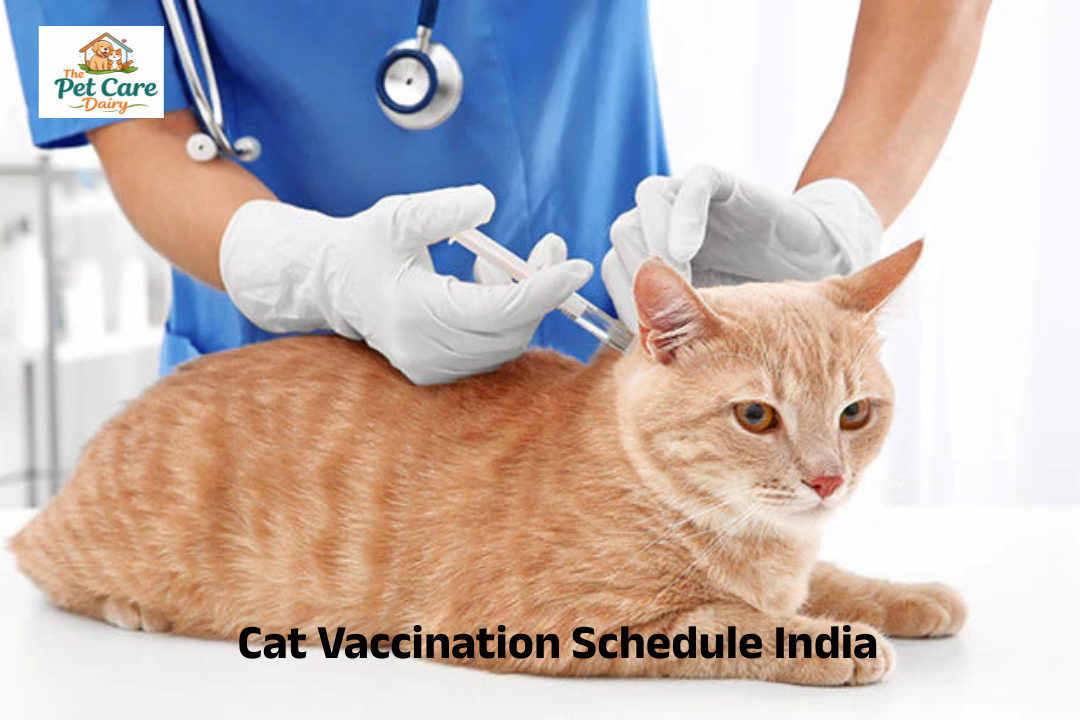
Regular veterinary care is one of the most important aspects of caring for cats and kittens. Kittens require vaccinations, parasite prevention, and routine health exams to build a strong foundation for lifelong health. Adult cats benefit from annual wellness checkups that help detect potential health problems before they become serious. Preventive care can identify conditions such as dental disease, kidney problems, diabetes, thyroid disorders, and other common feminine health concerns at an early stage when treatment is often most effective.
Creating a safe and comfortable living environment is essential for both kittens and adult cats. Curious kittens love to explore their surroundings and may encounter hazards such as electrical cords, poisonous plants, cleaning products, or small objects that can be swallowed. Cat-proofing the home helps reduce the risk of accidents and injuries. Adult cats also benefit from secure indoor environments that protect them from traffic, predators, infectious diseases, and other outdoor threats.
Mental stimulation plays a significant role in feline well-being. Cats are naturally curious animals that enjoy exploring, hunting, climbing, and playing. Providing interactive toys, puzzle feeders, scratching posts, climbing trees, and window perches encourages natural behavior and helps prevent boredom. Kittens particularly need frequent play sessions to develop coordination, confidence, and social skills. Regular playtime also strengthens the bond between cats and their owners while promoting physical fitness.
Litter box maintenance is another important aspect of responsible cat care. Cats are naturally clean animals and prefer a tidy bathroom environment. Litter boxes should be cleaned regularly and placed in quiet, accessible places. Maintaining good litter box sanitation can help prevent inappropriate elimination behaviors and allows owners to monitor changes that may indicate health concerns.
Grooming contributes significantly to a cat’s comfort and health. Although cats groom themselves routinely, brushing helps remove loose fur, reduce shedding, and prevent hairballs. Long-haired breeds may require more frequent grooming to stop tangles and matting. Regular grooming sessions also provide an opportunity to check for skin problems, parasites, lumps, or injuries that may otherwise go unnoticed.
Socialization and emotional care are equally important, particularly during kittenhood. Positive interactions with people, gentle handling, and exposure to various family experiences help kittens develop into confident and friendly adult cats. While cats are often considered independent, they still require affection, companionship, and emotional security. Spending quality time together can strengthen confidence and improve overall well-being.
As cats age, their care needs may change. Senior cats frequently require more frequent veterinary visits, specialized diets, and accommodations for mobility challenges. Monitoring appetite, weight, behavior, and activity levels becomes increasingly important as cats grow older. Providing comfortable resting areas, easy access to resources, and age-appropriate healthcare can significantly enhance a senior cat’s quality of life.
For more such pet care information, connect with us today: https://thepetcaredairy.com