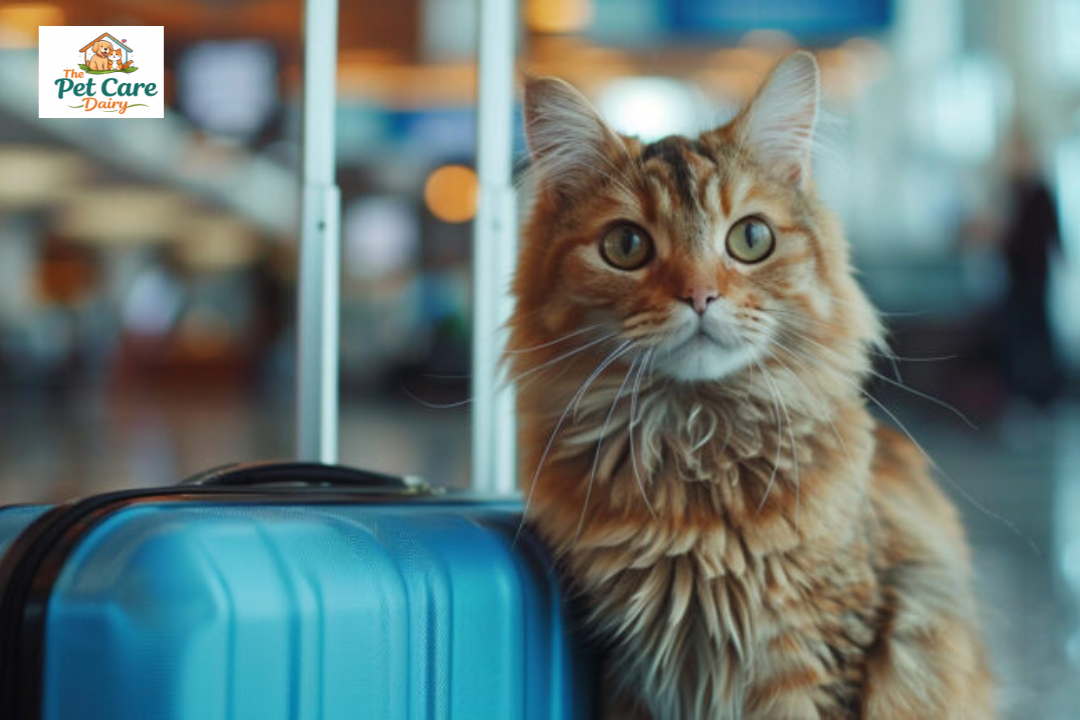
Cat care practices around the world have evolved significantly in recent years, especially in developed nations where pets are treated as beloved family members. Foreign cat owners often focus on creating a lifestyle that supports both the physical and emotional well-being of their feline companions. Instead of simply providing food and shelter, modern cat care abroad stresses enrichment, routine, and environmental comfort to help cats live longer and healthier lives.
One of the most noticeable trends in foreign cat care is the focus on environmental enrichment. Many pet parents design their homes with special features for cats, such as wall-mounted climbing shelves, multi-tier cat trees, and window perches that allow cats to observe the outside world. Cats naturally enjoy high places because they feel safer and can monitor their surroundings. By providing vertical spaces and stimulating environments, owners can reduce boredom and prevent destructive behaviors like scratching furniture or excess meowing.
Another important aspect of cat care abroad is structured playtime.
Veterinarians and pet behaviorists recommended daily interactive play sessions to keep cats physically active and mentally stimulated. Toys such as feather wands, laser pointers, and puzzle feeders imitate hunting behavior and allow cats to release pent-up energy. Regular play also helps maintain healthy body weight and strengthen the bond between the cat and its owner.
Foreign pet owners also pay close attention to nutrition and hydration. High-quality cat food that contains real animal protein is preferred, and many owners combine wet and dry food to ensure balanced nourishment. Wet food helps cats stay hydrated, which is particularly important for preventing urinary tract problems. Some pet parents even use water sprinklers because cats are naturally attracted to running water and may drink more from them.

In many Western countries, preventive veterinary care is considered essential. Regular health checkups, vaccinations, parasite prevention, and dental care are part of regular cat care. Early detection of health issues allows veterinarians to treat conditions before they become serious. As a consequence, many cats in these regions are living longer than ever before.
Technology is also playing a growing role in overseas cat care.
Automated feeders, self-cleaning litter boxes, and smart pet cameras allow owners to monitor and care for their cats even when they are away from home. These innovations offer convenience for busy pet parents while ensuring that cats receive consistent care.
Mental health and emotional comfort are equally important. Cats can become stressed by noisy environments, sudden changes, or lack of stimulation. Foreign pet experts frequently recommend providing quiet resting areas, hiding spots, and consistent daily routines to reduce anxiety. Calm environments help cats feel secure and confident.
Ultimately, cat care abroad reflects a modern understanding of feline needs. By combining proper nutrition, preventative healthcare, environmental enrichment, and emotional bonding, foreign cat owners create lifestyles that support their cats’ happiness and long-term well-being.
Cat care practices in many foreign countries have evolved to focus not only on physical health but also on emotional well-being and lifestyle enrichment. In places like the United States, Japan, and parts of Europe, pet parents treat their cats as full family members and invest significant time in creating environments that support natural feminine behaviors. Modern foreign cat care stresses balanced nutrition, daily mental stimulation, routine health monitoring, and creating safe indoor spaces where cats can explore, play, and relax comfortably.
One important trend in foreign cat care is the emphasis on safe indoor living.
Many veterinarians recommended keeping cats indoors to protect them from traffic, diseases, and predators. However, to prevent boredom, owners create stimulating indoor environments that mimic the natural world. This includes cat trees, climbing walls, scratching positions, tunnels, and window perches that allow cats to observe birds and outdoor activities. These setups provide both physical exercise and mental engagement.
Another important aspect is interactive play and exercise routines. Foreign pet behaviourists recommend at least 15–20 minutes of playtime every day. Toys that mimic prey movements, such as feather wands or robotic mice, activate a cat’s hunting instincts. Regular play not only prevents obesity but also reduces behavioral problems like aggression or excess scratching. Cats that engage in daily play tend to be calmer and more emotionally balanced.
Foreign cat owners also concentrate heavily on hydration and kidney health, which is a major concern for many cats as they age. Cats inherently drink less water, so many pet parents provide water fountains that keep water flowing and fresh. Flowing water attracts cats and encourages them to drink more, which supports kidney function and urinary health.
Another interesting trend is cat-friendly home design. In several countries, particularly Japan and Sweden, homes are designed with pet-friendly architecture. Small cat doors, wall-mounted walkways, and comfortable sleeping pods allow cats to move freely around the house. This design approach supports natural exploration while maintaining a clean and organized living space.
In addition, foreign cat care includes regular grooming and hygiene routines.
While cats groom themselves, owners still brush their pets regularly to minimize shedding and hairballs. Grooming also helps detect skin issues, parasites, or lumps early. Dental hygiene is another important aspect, and many veterinarians recommend brushing a cat’s teeth or using dental treatments to prevent gum disease.
Technology has also become part of modern cat care abroad. Smart feeders, automated litter boxes, and pet cameras help owners monitor their pets even when they are far from home. Some devices can even track activity levels and health patterns, permitting early detection of potential health concerns.
Finally, emotional bonding plays a crucial role in foreign cat care. Cats may appear independent, but they thrive on gentle interaction and attention from their owners. Quiet hug time, soft talking, and daily play strengthen trust and improve the relationship between the cat and its owner.
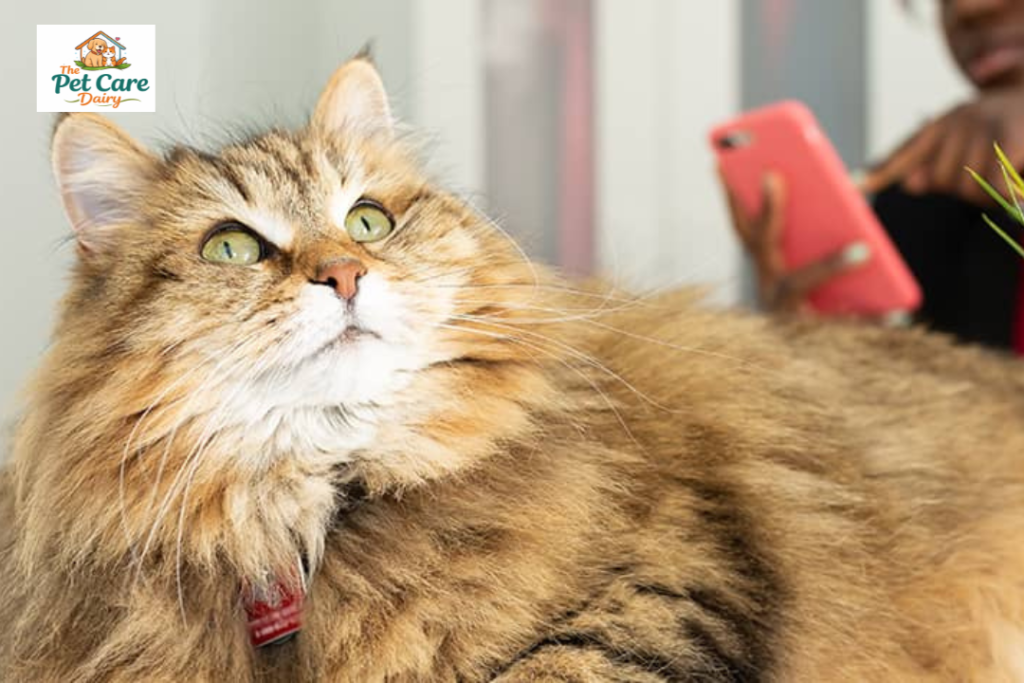
Overall, foreign cat care focuses on creating a balanced lifestyle that includes proper nourishment, safe living spaces, mental stimulation, preventive healthcare, and emotional connection. By adopting some of these modern practices, cat owners everywhere can help their feline companions live longer, healthier, and happier lives.
For more such pet care information, connect with us today: https://thepetcarediary.com