Complete Bengal Cat Care Guide for 2026: Food, Training & Health Tips
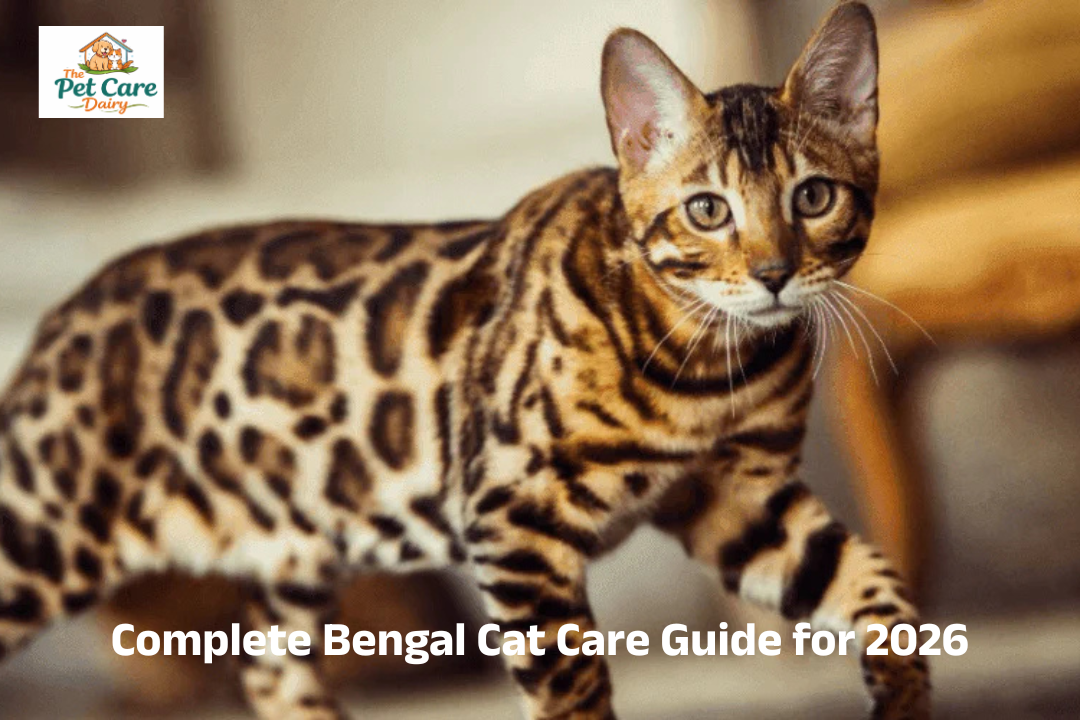
Bringing a Bengal cat into your home is like inviting a miniature leopard to share your couch—it’s an adventure, a privilege, and occasionally, a delightful challenge. This guide, crafted by the Paw Vortex Pet Experts, is designed to walk you through every aspect of caring for these energetic, intelligent, and stunning felines. Whether you’re a first-time Bengal owner or looking to deepen your understanding, we’re here to help you navigate their unique needs with compassion and practical advice.
In this comprehensive 4,000+ word guide, we’ll cover everything from understanding the true Bengal cat personality and managing their high energy levels to choosing the right diet and preventing common Bengal cat health issues. We’ll also explore training techniques, essential supplies, and answer the most common questions about living with these captivating companions.
The Active and Intelligent Bengal Personality
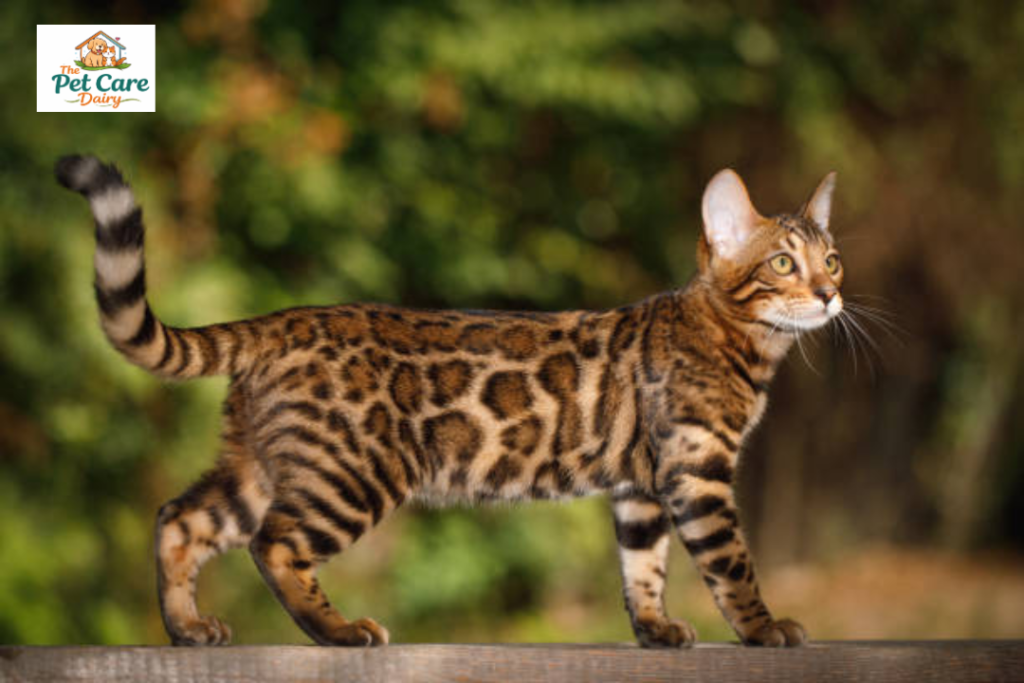
The bengal cat personality is unlike any other domestic breed. Bred from the Asian leopard cat, Bengals maintain a wild spirit wrapped in a friendly, domestic package. They are incredibly intelligent, curious, and athletic. Most Bengal owners will tell you their cat runs the household–not through aggression, but through sheer force of personality and endless energy.
When we talk about bengal cat temperament, words like “confident,” “alert,” and “active” come to mind. They are not lap cats in the traditional sense (though some do enjoy embraces on their own terms). Rather, they want to be involved in everything you do, from checking emails to folding laundry. This need for interaction directly answers the common question, “are bengal cats high maintenance?” Yes, in terms of time and commitment, they require more than the average domestic shorthair.
Why Are Bengal Cats So Active? It’s in their DNA. Their wild ancestry programmed them for hunting, climbing, and exploration. This energy is a gift, but it needs an outlet. Without proper stimulation, that intelligence can turn to misfire.
Decoding Bengal Behavior: Are They Really Aggressive
A common concern is “Are Bengal cats aggressive?” The direct answer is no — they are not inherently aggressive. However, their high energy and intense play style can be misinterpreted. What looks like aggression is frequently over-stimulation or boredom. Their version of play is rougher; they wrestle, pounce, and may nibble.
Understanding bengal cat behavior means acknowledging the difference between play and aggression. Playful behavior includes dilated pupils, a twitching tail, and the classic “play bow.” Aggression, which is rare, involves hissing, growling, flattened ears, and a puffed-up tail. If you’re wondering “how to stop bengal cat biting,” the key is never to use your hands as toys and to redirect that energy immediately.
Do Bengal Cats Need a Lot of Attention? Absolutely. If you’re considering this breed, ask yourself honestly: Do Bengal cats need a lot of attention? The answer is a resounding yes. They flourish on interaction and can become destructive or depressed if left alone for long hours. This is a key factor in why are Bengal cats high maintenance—not in grooming, but in emotional and physical investment. They are the dogs of the cat world, often following you from room to room and “helping” with tasks. Takeaway: A Bengal’s personality is a package deal—intensive, loving, and demanding. Embrace the energy, and you’ll have a faithful, fascinating companion for life.
Nutritional Needs of an Active Breed
A proper Bengal cat diet is the corner stone of their health. Given their high activity levels and lean muscle mass, Bengals require a diet high in animal protein and moderate in fat. They have faster metabolisms than many domestic breeds, meaning how often you should feed a bengal cat is just as important as what do bengal cats eat. Generally, free-feeding is not recommended; Portion-controlled meals two to three times a day work best.
Do Bengal Cats Need a Lot of Attention?
Absolutely. If you’re considering this breed, ask yourself honestly: Do Bengal cats need a lot of attention? The answer is a resounding yes. They flourish on interaction and can become destructive or depressed if left alone for long hours. This is a key factor in why are Bengal cats high maintenance—not in grooming, but in emotional and physical investment. They are the dogs of the cat world, often following you from room to room and “helping” with tasks.
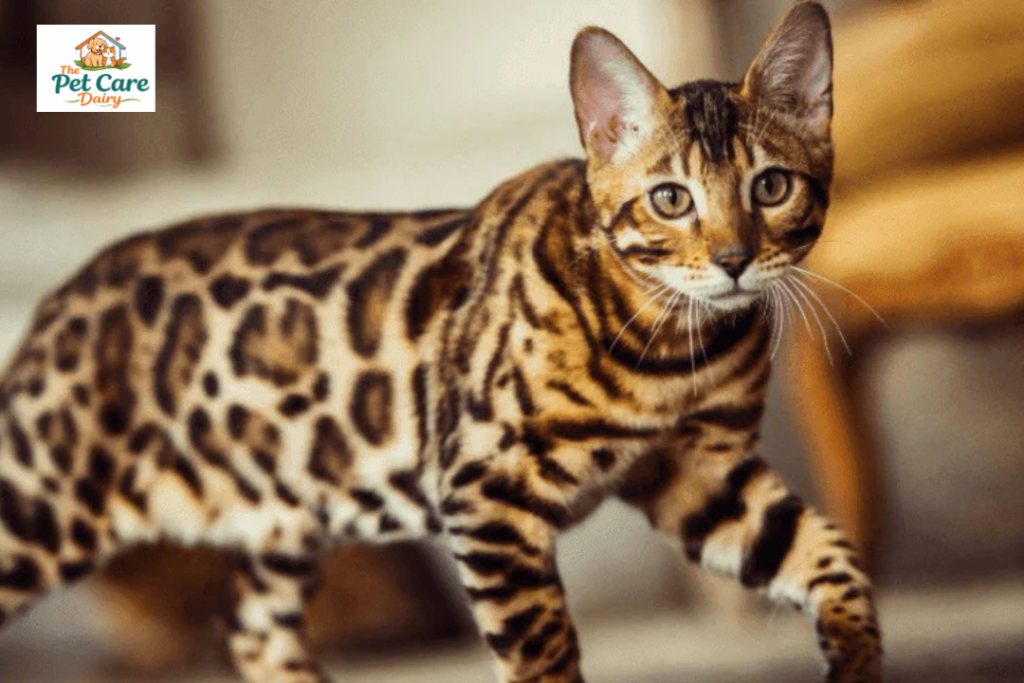
Takeaway: A Bengal’s personality is a package deal—intensive, loving, and demanding. Embrace the energy, and you’ll have a loyal, fascinating companion for life.
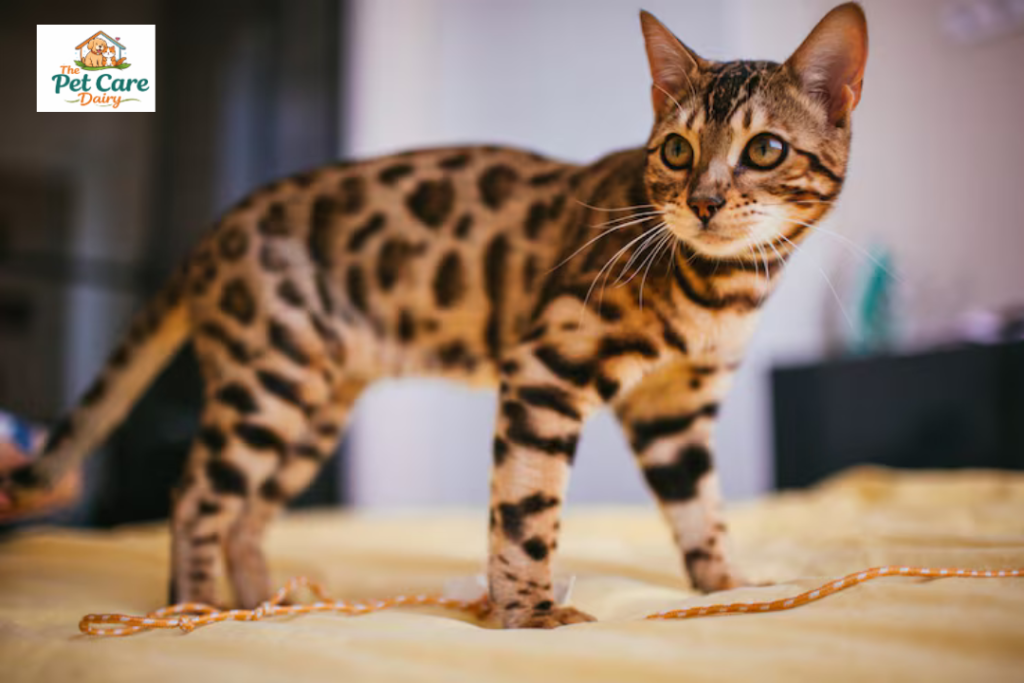
The Bengal cat is one of the most beautiful and energetic domestic cat breeds in the world. With its wild leopard-like spots and athletic body, the Bengal looks exotic — but it is fully domestic. However, caring for a Bengal is very different from caring for a quiet, low-energy cat. They are intellectual, active, and highly curious, which means they need both physical and mental stimulation every day.
1. Personality & Behavior
Bengal cats are extremely intelligent and playful.
- Very active and energetic
- Love climbing and jumping
- Highly curious
- Strong hunting instincts
- Can learn tricks easily
They are not “lap cats.” Rather, they enjoy interactive play and exploring their environment.
2. Diet & Nutrition
Bengals have muscular bodies and high energy levels, so they need a protein-rich diet.
✔ High-quality animal proteins (chicken, turkey, fish)
✔ Balanced wet + dry food
✔ Taurine for heart and eye health
✔ Fresh water available at all times
Avoid low-quality filling foods. Bengals burn a lot of energy and need strong nutritional support.
3. Exercise & Activity Needs
This breed cannot stay bored.
✔ Daily 30–45 minutes interactive play
✔ Climbing towers or cat trees
✔ Puzzle feeders
✔ Fetch games (Many Bengals love playing fetch!)
Without sufficient stimulation, they may become destructive or excessively vocal.
4. Grooming Needs
Bengals have short, silky coats.
✔ Weekly brushing is enough
✔ Trim nails every 2–3 weeks
✔ Regular ear cleaning
✔ Dental care is important
They shed less compared to long-haired rocks.
5. Common Health Concerns
Bengals are generally healthy but may be susceptible to:
- Heart conditions (Hypertrophic Cardiomyopathy)
- Progressive retinal atrophy (eye issue)
- Digestive sensitivity
Regular annual veterinarian checkups are essential.
6. Ideal Living Environment
Bengals flourish in homes that provide space and stimulation. They enjoy:
- High shelves and vertical climbing areas
- Interactive owners
- Multi-level homes
- Safe outdoor enclosures (if possible)
They are not ideal for homeowners who are away from home most of the day.
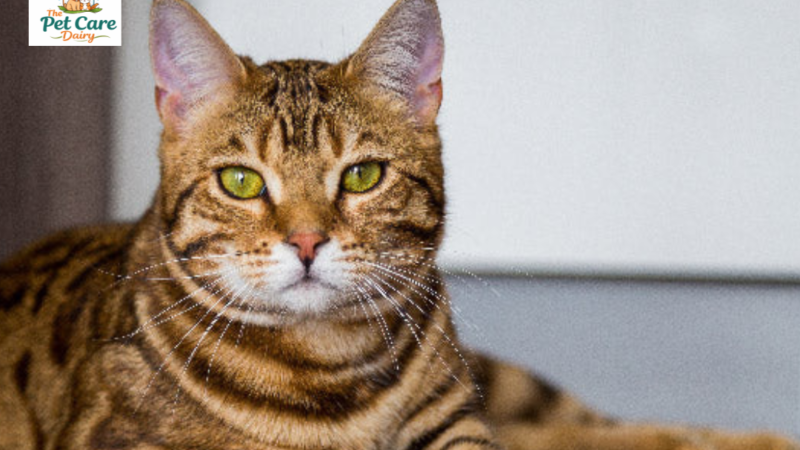
The Bengal cat is one of the most striking and energetic cat breeds in the world. Known for its wild-looking coat, athletic build, intelligence, and playful personality, the Bengal continues to be a favorite among cat enthusiasts in 2026. Originally developed by crossing domestic cats with the Asian Leopard Cat, Bengals possess a unique appearance that resembles a miniature wild cat while retaining the affectionate nature of a domestic companion. However, their high energy levels and active minds mean they require more attention and stimulation than many other cat breeds.
Proper care begins with understanding the Bengal’s unique personality. These cats are highly intelligent, curious, and energetic. Unlike many breeds that are content lounging for most of the day, Bengals enjoy exploring, climbing, jumping, and interactive play. They flourish in environments where they have plenty of opportunities to stay physically active and mentally engaged. Owners who provide enrichment and daily interaction are often rewarded with a confident, affectionate, and amusing companion.
Nutrition plays a crucial role in maintaining a Bengal’s health and energy levels.
Since Bengals are naturally active and muscular, they benefit from high-quality cat food rich in animal protein. Protein helps support muscle development, energy production, and overall health. Premium diets containing real chicken, turkey, fish, or other animal-based proteins are typically recommended. Fresh water should always be available, and many Bengal owners use pet water fountains to promote hydration, which supports kidney and urinary tract health.
Exercise is one of the most important aspects of Bengal cat care. These cats require substantially more activity than many other breeds. Daily play sessions, climbing structures, interactive toys, and puzzle feeders help satisfies their natural instincts. Bengals are excellent climbers and enjoy elevated spaces such as cat trees, shelves, and window perches. Providing opportunities to climb and explore helps prevent boredom and reduces the probability of destructive behaviors.
Mental stimulation is equally important. Bengal cats are highly intelligent and often enjoy learning new activities. Many owners successfully train their Bengals tricks, leash walking, and interactive games. Puzzle toys, treat dispensers, and training exercises help keep their minds active and engaged. Without adequate mental stimulation, Bengals may become bored and develop unwanted behaviors such as excessive vocalization or mischief around the home.
Creating a safe indoor environment is highly recommended for Bengal cats.
While they may enjoy outdoor adventures, indoor living protects them from traffic, predators, diseases, and other environmental dangers. An enriched indoor environment with climbing opportunities, hiding spots, scratching posts, and interactive toys helps satisfy their adventurous nature while keeping them safe.
Grooming a Bengal cat is relatively easy compared to many long-haired breeds. Their short, dense coat requires minimalist maintenance and usually only needs weekly brushing to remove loose hair and maintain a healthy shine. Bengals naturally keep themselves clean, but routine grooming sessions provide an opportunity to check for skin issues, parasites, or unusual changes. Routine nail trimming, ear cleaning, and dental care should also be included in their healthcare routine.
Regular veterinary care remains essential for maintaining long-term health. Annual wellness examinations, vaccinations, parasite prevention, and routine screenings help identify potential health concerns early. While Bengals are generally considered a healthy breed, they can be prone to certain hereditary conditions such as hypertrophic cardiomyopathy (HCM), progressive retinal atrophy (PRA), and some digestive sensitivities. Responsible breeding and preventive healthcare play important roles in supporting a healthy lifespan.
Social interaction is another key component of Bengal care. These cats are known for forming strong bonds with their families and frequently enjoy participating in daily household activities. Many Bengals follow their owners from room to room and seek interaction throughout the day. They usually enjoy companionship and may become lonely if left alone for extended periods. Providing regular attention, playtime, and engagement helps support emotional well-being.
For more such pet care information, connect with us today: https://thepetcarediary.com