Disadvantages and care guidelines for Sphynx cats
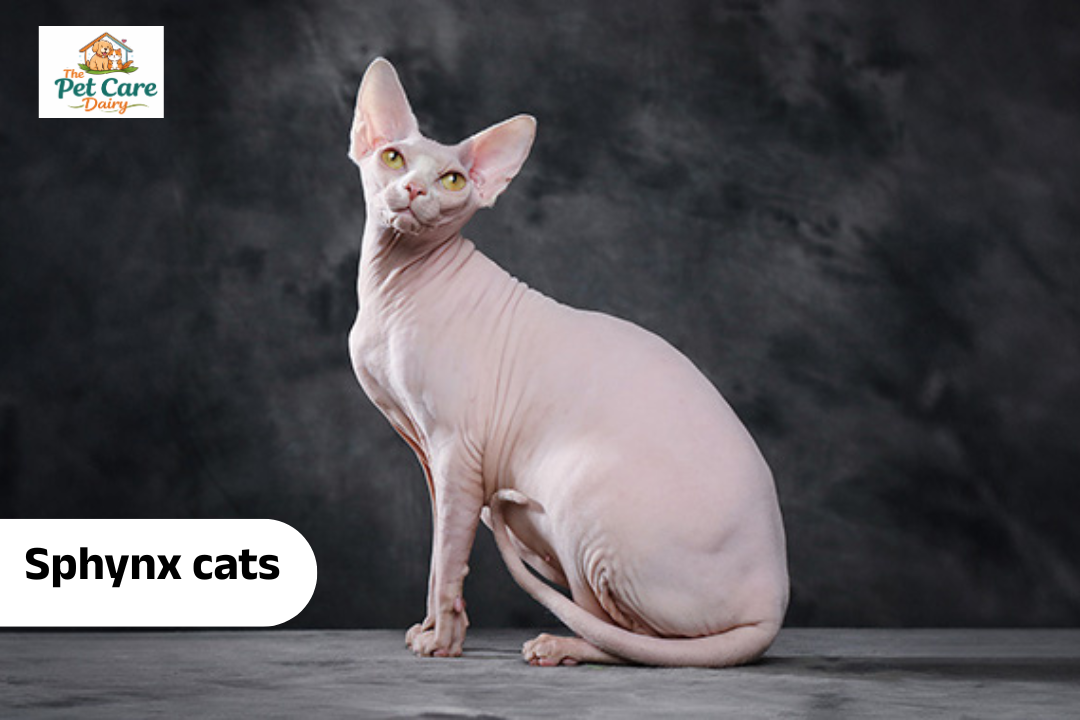
[Hairless Cats | Sphynx Cats | Sphynx Cat Disadvantages Sphynx Genetic Defects | Sphynx Cats]With their “alien‑like” appearance, Sphynx cats—also known as hairless cats—have become increasing popular in Hong Kong in recent years. Despite having no fur, that doesn’t mean they’re low‑maintenance. So, what are the real drawbacks of owning a hairless cat? Do genetic defects in Sphynx cats affect their lifespan? This article offers future cat parents an in-depth look into the history, health concerns, and essential care guidelines of this unique breed.
The history of the Sphynx cat: a miracle from genetic mutation
The Sphynx cat first appeared in Canada in the 1960s, descending from a hairless kitten born from a domestic cat with a naturally occurring genetic mutation. This mutation impacted hair follicle development, preventing their fur from growing normally. This gene is recessive, meaning that hairless kittens can only be born when both parents carry the gene.
Although they appear weak, Sphynx catThey are muscular and physically fit. Males weigh approximately 4.5-7 kg, while females weigh approximately 2.5-4.5 kg.
Sphynx cat’s personality and lifespan
Sphynx cats are not only unique in appearance, but also in personality – hairless cats are extremely affectionate, love to hug, enjoy interacting with people, and will even actively stick to their owners and walk around.
Extremely social: They are extremely dependent on their owners, love to be clingy, and are not suitable to being alone for long periods of time.
Sphynx cats have an average lifetime of 8-16 years, and some can even live to be over 18 years old if cared for properly.
Are Sphinx cats easy to care for? Understanding the shortcomings and health risks of Sphynx cats.
Considering committing toHairless cat loversBefore acknowledging their genetic defects and special care needs, it’s essential to recognize that these are common drawbacks of Sphynx cats.
Genetic defect in hairless cats: hypertrophic cardiomyopathy (HCM)
Sphynx cats are a genetic breed. heart disease This breed is considered high-risk, as a genetic defect in hairless cats can lead to enlarged hearts and even sudden death. Regular echocardiograms are recommended, and genetic testing may be considered to assess the risk.
Skin problems and body temperature management
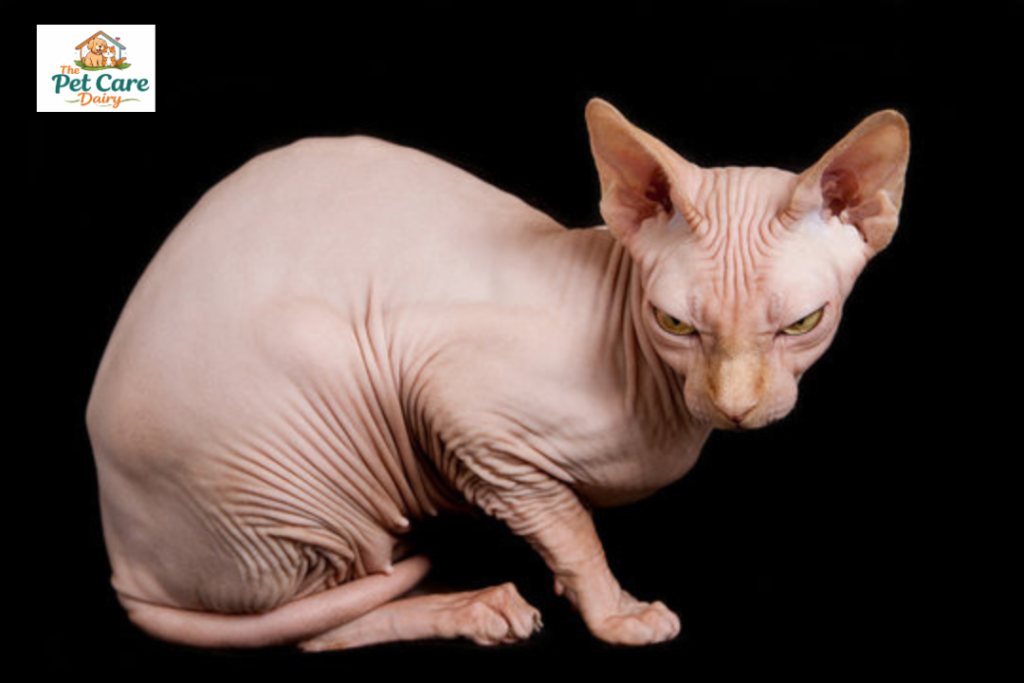
This drawback of hairless cats is the most troublesome for novice owners. Because they lack hair, their skin’s natural oils cannot be absorbed by their fur, easily leading to blocked pores, rashes, or fungal infections. At the same time, without the protection of fur, they are more sensitive to temperature and more prone to sunburn or catching a cold.
Recommendation: Wipe your body with a warm, damp towel weekly, or take a gentle bath regularly.
Earwax and ear mites
Hairless cats have fatty ears that need to be cleaned weekly to prevent infection.
Teeth and oral problems
Sphinx cats are also prone to tartar buildup and gingivitis, so it is recommended to brush their teeth regularly or use dental cleaning products.
Sphynx cat health check suggestions
Owners of Sphynx cats should take their cats for a health check-up yearly. The specific tests required may vary slightly depending on the cat’s age.
1-6 years old (adult cat)
Medical examination schedule: once a year
Physical examination items: blood test, X-ray, echocardiogram(HCM screening), skin and ear examination.
Cats aged 7 and up (older cats)
Medical check-up schedule: once every six months
Physical investigation items: Endocrine testing, SDMA renal function test, and ultrasound contrast imaging were added.
Cats with a family history of hypertrophic cardiomyopathy (HCM) particularly need to have an echocardiogram once a year to monitor changes in their heart.
Sphynx cats are one of the most unique and eye-catching cat breeds in the world. Known for their nearly hairless bodies, large ears, wrinkled skin, and expressive eyes, they stand out immediately from other cats. Despite their uncommon appearance, Sphynx cats are extremely affectionate, social, and attention-loving companions. They are often described as “dog-like” because they follow their owners around the house, welcome people at the door, and enjoy being the center of attention.
Origin & Appearance
The Sphynx breed originated in Canada in the 1960s due to a natural genetic mutation that caused hairiness. Although they appear completely bald, most Sphynx cats actually have a fine layer of peach-fuzz-like hair on their skin. Their bodies are muscular and medium-sized, with conspicuous cheekbones, a wedge-shaped head, and large bat-like ears. Because they lack thick fur, their skin feels warm to the touch and may show noticeable wrinkles, especially around the shoulders and face.
Personality & Temperament
Sphynx cats are incredibly friendly and outgoing. They craving human interaction and do not like being left alone for long periods. They are playful, curious, and intelligent, frequently learning tricks or responding to their names. Unlike independent breeds, the Sphynx flourishes on companionship and may become anxious if ignored. They usually get along well with children and other pets.
Grooming & Skin Care
Many people assume hairless cats require less grooming, but the opposite is true. Because they do not have fur to absorb body oils, Sphynx cats need regular baths — usually once a week — to prevent oil accumulation on their skin. Their ears also require frequent cleaning, and their nails should be trimmed regularly. Additionally, since they lack a protective coat, they are sensitive to extreme temperatures. They may need sweaters in cold climate and protection from direct sun exposure.
Nutrition & Health
Sphynx cats have a fast metabolism and may eat slightly more than other breeds to maintain body warming. A high-quality, protein-rich diet is necessary for their muscle tone and energy. While generally healthy, they may be prone to certain heart conditions such as hypertrophic cardiomyopathy (HCM). Routine veterinary checkups are important for long-term health.
Ideal Living Environment
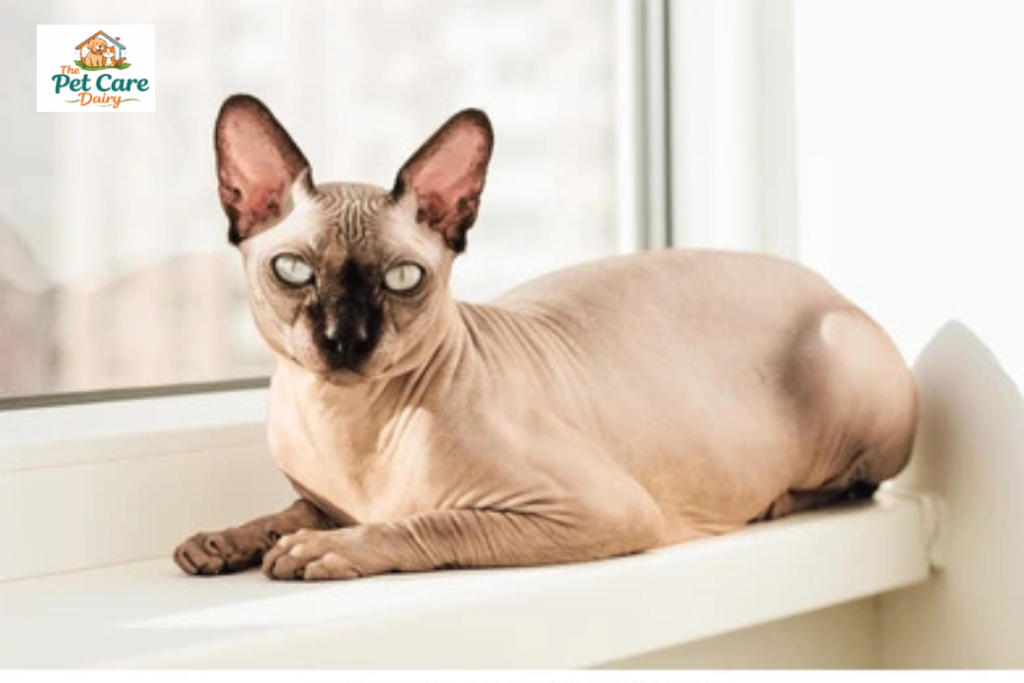
Sphynx cats are strictly indoor pets. They need a warm, cozy environment with soft bedding and lots of interaction. They enjoy climbing trees, interactive toys, and being involved in everyday family activities.
The Sphynx Cat is a unique and affectionate breed, but it comes with specific drawbacks and care requirements that every owner should understand. One of the main shortcomings is its lack of fur, which makes the cat highly sensitive to temperature changes—it can easily feel cold and may require warm clothing or a heated environment. At the same time, its exposed skin produces natural oils that are not absorbed by fur, leading to a oily buildup that requires regular bathing, usually once a week. Without proper cleaning, this can cause skin issues or infections.
Another challenge is their high maintenance compared to other cats. Sphynx cats need frequent ear cleaning due to wax buildup, regular nail clipping, and careful eye care since they lack eyelashes. They are also prone to sunburn, so extended exposure to direct sunlight should be avoided. Health-wise, they may be more susceptible to certain genetic conditions, such as heart-related issues, which makes routine veterinary checkups very important.
The Sphynx cat is one of the most unique and recognizable cat breeds in the world. Famous for its hairless appearance, large ears, wrinkled skin, and affectionate personality, the Sphynx has gained popularity amongst cat lovers who want a distinctive and social companion. While these cats are known for being friendly, intelligent, and highly interactive, they also require specialized care compared to many other breeds. Before bringing a Sphynx cat into your home, it is important to understand both the challenges and the responsibilities that come with owning this exceptional feline.
One of the biggest disadvantages of owning a Sphynx cat is its high-maintenance grooming requirements. Although they lack a conventional fur coat, Sphynx cats still produce natural skin oils. In most cats, these oils are absorbed by the fur, but in Sphynx cats, they accumulate directly on the skin. As a result, regular bathing is necessary to prevent oil accumulation, skin irritation, and unpleasant odors. Most Sphinx cats require gentle baths every one to two weeks using cat-safe products recommended by veterinarians.
Another challenge is their sensitivity to temperature.
Without a protective coat, Sphynx cats can become cold very quickly during cooler months and may also be vulnerable to extreme heat and sun exposure. Owners frequently need to provide warm blankets, heated beds, or cat-safe clothing during colder weather. At the same time, direct sunshine should be limited because their exposed skin can develop sunburn more easily than fur-covered cats.
Skin care is an essential part of daily Sphynx ownership. Their exposed skin can collect dirt, oils, and environmental debris, especially in skin folds and wrinkles. Regular cleaning helps prevent infections and irritation. Owners should pay special attention to areas around the neck, underarms, stomach, and facial wrinkles where oil accumulation is most common.
Ear maintenance is another important consideration. Sphynx cats tended to produce more visible ear wax than many other breeds because they lack fur inside and around the ears. Regular ear cleaning helps prevent wax buildup, infections, and discomfort. Veterinary-approved ear-cleaning solutions should be used carefully as part of a regular grooming routine.
Sphynx cats may also require more frequent cleaning of bedding and furniture. The oils produced by their skin can left marks on blankets, cushions, and other surfaces where they rest. Washing their bedding regularly helps maintain cleanliness and supports healthy skin.
From a health perspective, Sphynx cats can be prone to certain genetic conditions, including hypertrophic cardiomyopathy (HCM), a heart disease that impacts many cat breeds. Responsible breeders often screen for this condition, but regular veterinary examinations remain essential throughout the cat’s life. Regular checkups allow veterinarians to monitor heart health and identify any concerns early.
For more such pet care information, connect with us today: https://thepetcarediary.com