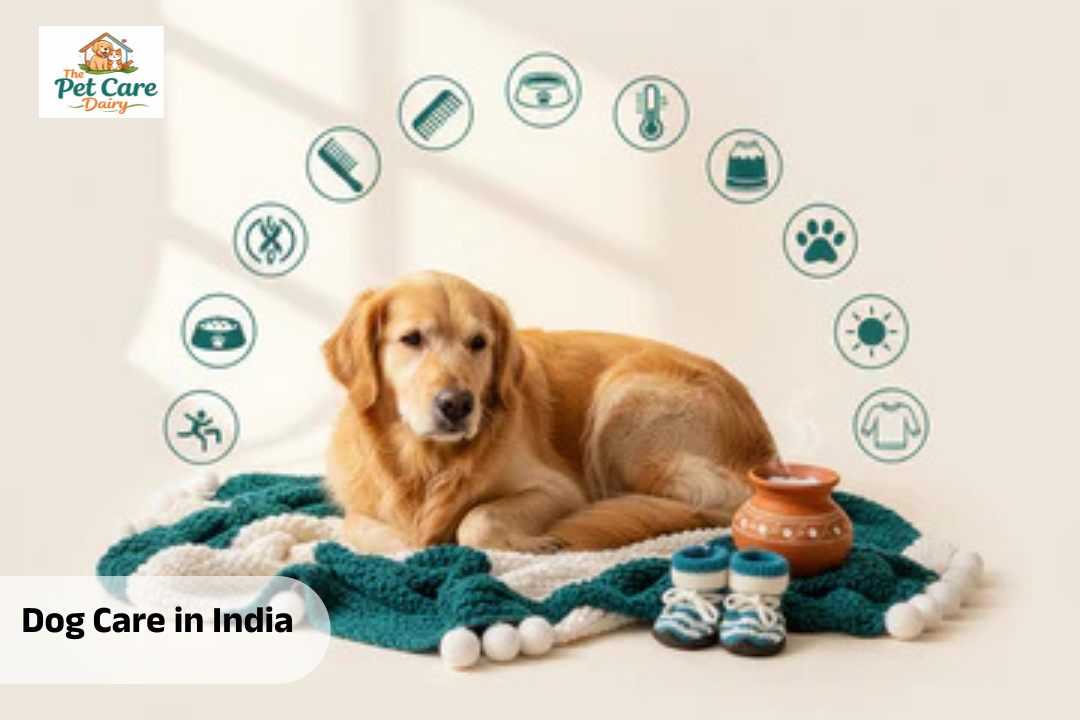
Dog care in India requires a mindful approach that considers nutrition, health, climate, lifestyle, and behavior. As dogs become loved members of Indian households, especially in urban areas like Mumbai, Delhi, Bangalore, and Ahmedabad, pet parents are increasingly investing time and resources in understanding the best practices for canine well-being. Unlike a few decades ago, dog care today emphasizes preventive health, balanced nutrition, grooming, exercise, and emotional bonding — ensuring dogs live longer, healthier, and more fulfilling lives.
Nutrition & Feeding
One of the most crucial aspects of dog care in India is proper nutrition. Dogs require a diet that balances proteins, healthy fats, carbohydrates, vitamins, and minerals. Since Indian homes vary from rural to metropolitan lifestyles, diet plans can differ widely. Many urban pet parents opt for commercial dog foods that carry the AAFCO nutritional suitability statement, ensuring they meet daily dietary needs. For puppies, high-protein formulas support muscle and brain development. Adult dogs need balanced diets to maintain energy and weight, while senior dogs frequently benefit from diets with joint support and easily digestible nutrients.
Some Indian dog owners also complement commercial food with home-cooked meals such as boiled chicken, rice, egg, and vegetables like carrots and peas. When mixing homemade food with commercial diets, it’s important to avoid ingredients poisonous to dogs — such as chocolate, onions, garlic, grapes, and artificial sweeteners like xylitol. Always consult a trusted veterinarian before introducing new foods to your dog’s diet.
Climate-Specific Care
India’s weather patterns—ranging from scorching heat in summer to cold winters in the north—significantly influence dog care schedule. During the hot summer months, heat stress and dehydration are major concerns.Dogs cool themselves primarily through panting, so keeping them indoors with good airflow, providing cool water, and avoiding long walks during afternoon heat is essential. Pavement and sand can become dangerously warm and burn paw pads; a quick “hand test” (press your palm on the surface for a few seconds) helps decide whether outdoor time is safe.
During monsoon season, moisture increases the risk of skin infections, fungal issues, and parasites like ticks and fleas. Regular grooming, wiping paws after outdoor walks, and parasite control become particularly important. In colder regions or winter months, short-haired dogs may need sweaters or warm bedding to remain comfortable.
Preventive Health & Vet Care
Preventive veterinary care forms the backbone of responsible dog parenting in India. Annual health checkups help identify early issues such as dental disease, joint problems, heartworms, and skin conditions. Vaccinations are vital to protect against diseases like rabies, parvovirus, distemper, and leptospirosis, especially in areas where stray animal populations are high.
Parasite prevention—which includes flea, tick, and deworming medications—should be administered year-round, as monsoon and post-monsoon seasons increase parasite activity. Senior dogs, typically above seven years, may benefit from biannual checkups and tests to monitor body function, dental health, and mobility changes. Dog insurance is also becoming more common in India, helping owners manage unexpected medical costs.
Exercise & Physical Wellness
Regular physical activity is essential for a dog’s physical and mental well-being. Daily walks not only burn surplus energy but also strengthen digestion and cardiovascular health. The length and intensity of exercise depends on the dog’s breed, age, and health status. Active breeds like Labrador Retrievers, German Shepherds, and Border Collies require longer, stimulating activities — often 45 minutes to 1 hour daily. Smaller or less active breeds may do well with shorter, frequent walks and indoor play.
Indoor activities such as retrieve, tug-of-war, and obstacle courses help maintain fitness on rainy days or when outdoor time is limited. Physical exercise is also an excellent way to reduce behavioral issues such as excessive barking, chewing, or pacing.
Grooming & Hygiene
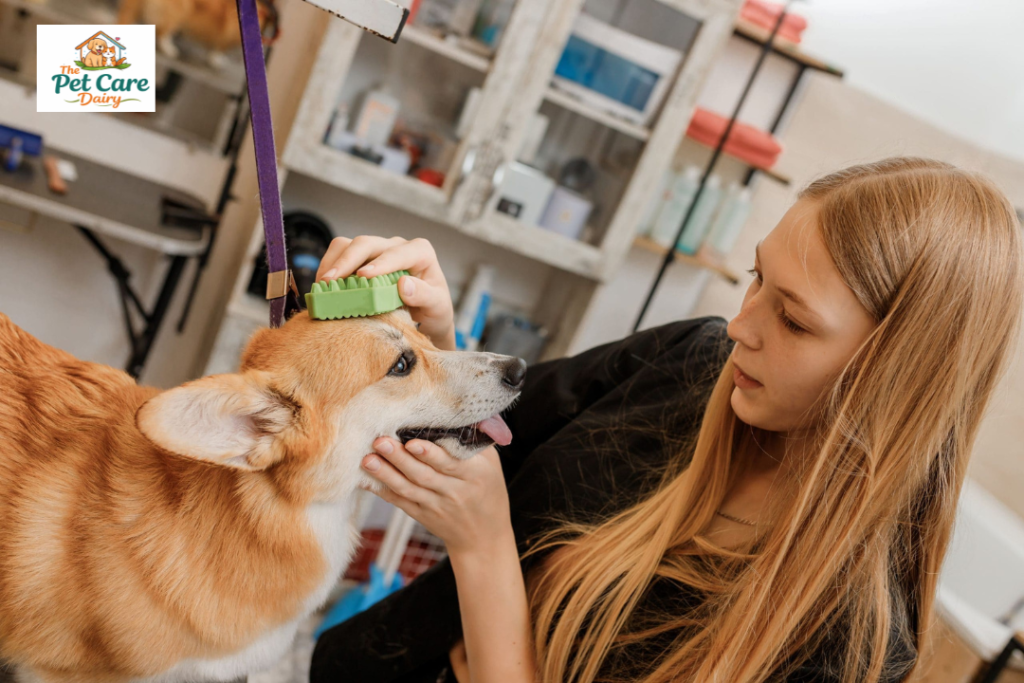
Dog grooming in India isn’t just about looks — it’s a part of hygiene and health. Regular brushing removes loose fur and prevents matted, especially in long-haired breeds. Bathing should be done using dog-specific shampoos to avoid skin irritation, and frequency depending on the dog’s lifestyle and coat type.
Clipping nails every few weeks prevents overgrowth, discomfort, or joint strain, and ear cleaning helps prevent infections — especially in breeds with floppy ears. Dental hygiene is often overlooked but vital; brushing your dog’s teeth or offering dental treats reduces plaque build-up and supports overall health.

Behavior, Training & Socialization
Training is a key part of dog care that directly affects safety and harmony at home. Positive reinforcement methods—rewarding good behavior with treats and praise—are recommended by trainers and behaviorists in India. Basic obedience commands such as “sit,” “stay,” “come,” and “down” help improve communication and reduce frustration for both dog and owner.
Early socialization is particularly important for puppies, helping them adapt to different people, animals, and environments. Structured playdates, leash walks, and exposure to new sounds and environments build confidence and reduce anxiety.
Mental Enrichment & Emotional Well-Being
Dogs need mental stimulation just as much as physical exercise. Puzzle toys, treat dispensers, and interactive games keep their minds active and stop boredom. Regular play sessions strengthen the emotional bond between you and your dog and reduce undesirable behaviors like destructive chewing or digging.
In Indian cities, where indoor living is common, enrichment becomes even more significant. Window perches, safe indoor toys, and short training sessions help dogs remain engaged and happy.
Safety & Shelter Essentials
Every dog needs a safe and comfortable living space. In apartments, dogs should have a designated area with clean litter, shade, and access to water. For homes with gardens, secure fencing prevents escapes and protects dogs from traffic or neighborhood dangers.
Heatwave seasons call for additional precautions such as shade canopies, cool floor surfaces, and avoiding outdoor walks during peak sun hours. During winter, cozy bedding and draft-free resting spots help dogs stay warm.
Final Thoughts
Dog care in India today goes beyond the basics—it’s a lifestyle of commitment, awareness, and love. From balanced nutrition and preventive healthcare to emotional enrichment and climate-conscious routines, modern pet parenting ensures that dogs live long, healthy, and joyful lives. Awareness of local weather patterns, veterinarian accessibility, and breed-specific needs helps owners make informed decisions that improve quality of life for their canine companions.
For more such pet care information, connect with us today: https://thepetcarediary.com