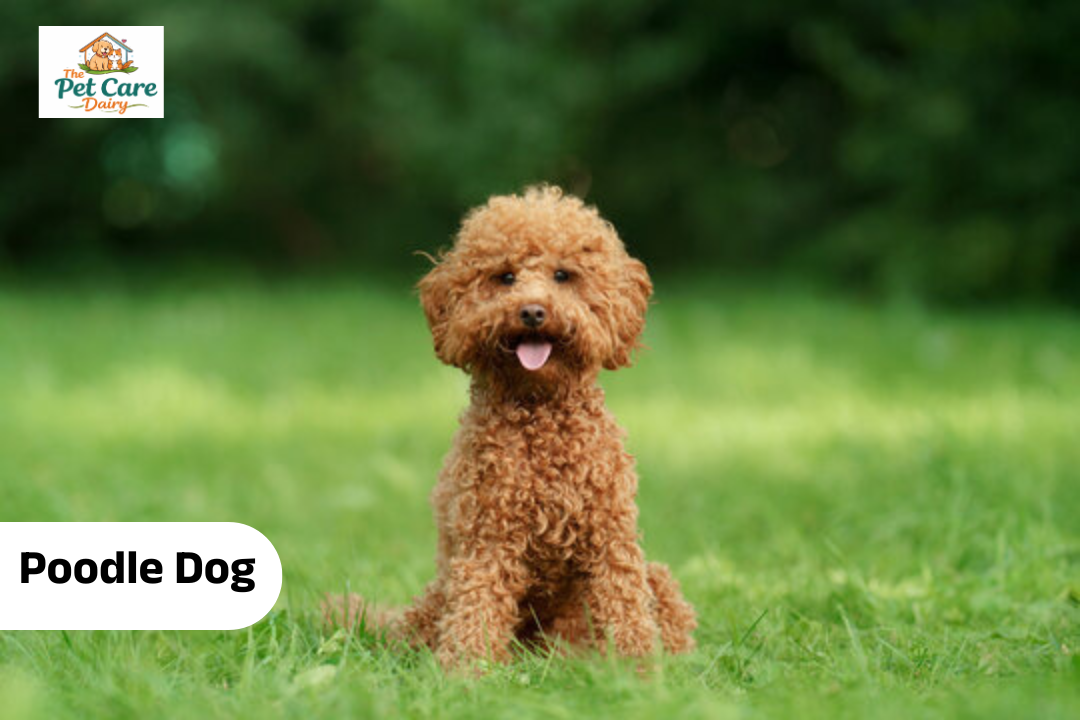
The Poodle dog is one of the most intelligent, versatile, and misunderstandable dog breeds in the world. Often stereotyped as a glamorous show dog, the Poodle is, in reality, a highly capable working breed with deep historical roots, strong athletic ability, and exceptional problem-solving abilities. This combination of brains, beauty, and adaptability is what has kept the Poodle consistently popular throughout families, competitors, and professionals alike.
Although widely associated with France, the Poodle’s true origins trace back to Germany, where the breed was developed as a water retriever. The name itself comes from the German word “Pudel,” meaning “to splash,” which reflects the dog’s original role retrieving waterfowl from lakes and marshes. French hunters later refined the breed, popularized its distinctive grooming styles, and raised it to national-dog status—hence the common confusion about its country of origin.
This working background explains many modernPoodle traits that surprised first-time owners. Poodles were bred to think independently in challenging environments, follow complex hand cues, and work closely with humans for long periods. As a result, today’s Poodles are not just quick learners but also emotionally perceptive, highly alert, and deeply bonded to their people. These make them outstanding companions—but they also mean the breed does traits poorly when under-stimulated or treated as purely ornamental.
Modern Poodles are recognized in three size varieties: Standard, Miniature, and Toy. Importantly, these are not separate breeds but variations of the same dog, sharing the same intelligence, temperament trends, and coat type. The primary lie differences in physical size, energy output, and suitability for certain living environments. Standard Poodles retain the strongest connection to the breed’s working roots, while Miniature and Toy Poodles were later developed to suit urban life and companionship without sacrificing intelligence.
Understanding the Poodle’s origin is essential to understanding the dog itself. This is a breed that thrives when given purpose, structure, and mental commitment. Whether living in an apartment or a house with a yard, the Poodle is not happy being a passive pet. Its history as a working retriever still lives on — in its movement, its focus, and its need to interact meaningfully with the world around it.
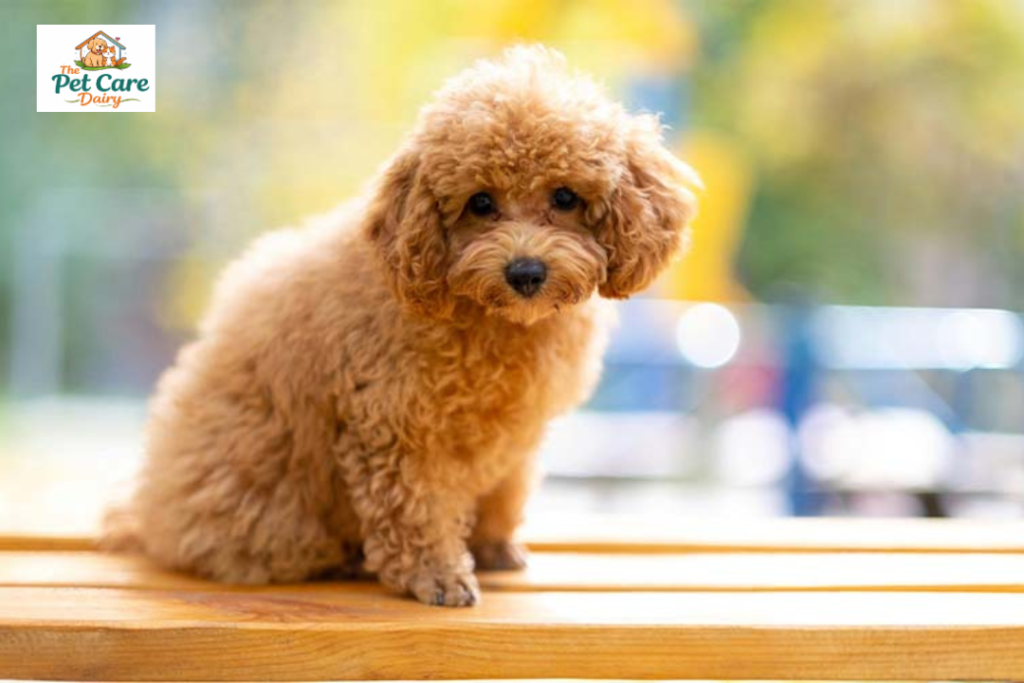
Poodle Dog Size, Appearance, and Coat Type
Poodles come in different sizes, but all of them share the same elegant look and intelligent expression. Knowing the size, body shape, and coat type helps people pick the right Poodle for their home and lifestyle.
Poodle Sizes at a Glance
There are three Poodle sizes, and the difference is mainly height and weight—not personality.
Poodle Size Height Range Weight Range Best Living Setup
Standard Poodle Above 15 inches 40–70 pounds Houses, active homes
Miniature Poodle 10–15 inches 10–15 pounds Apartments or houses
Toy Poodle Under 10 inches 4–7 pounds Apartments, small houses
Standard Poodles are the biggest and most athletic. Miniature and Toy Poodles are smaller but still energetic and intelligent.
Body Shape and Movement
Poodles have a lean, athletic body. They are not heavy or bulky dogs. Their legs are long, their chest is deep, and their posture appears proud and balanced. When a Poodle walks or runs, its movement is smooth and light, not clumsy.
This body form comes from their history as water dogs. They were constructed to swim, jump, and move quickly.
Coat Type and Texture
The Poodle’s coat is one of its most famous characteristics.
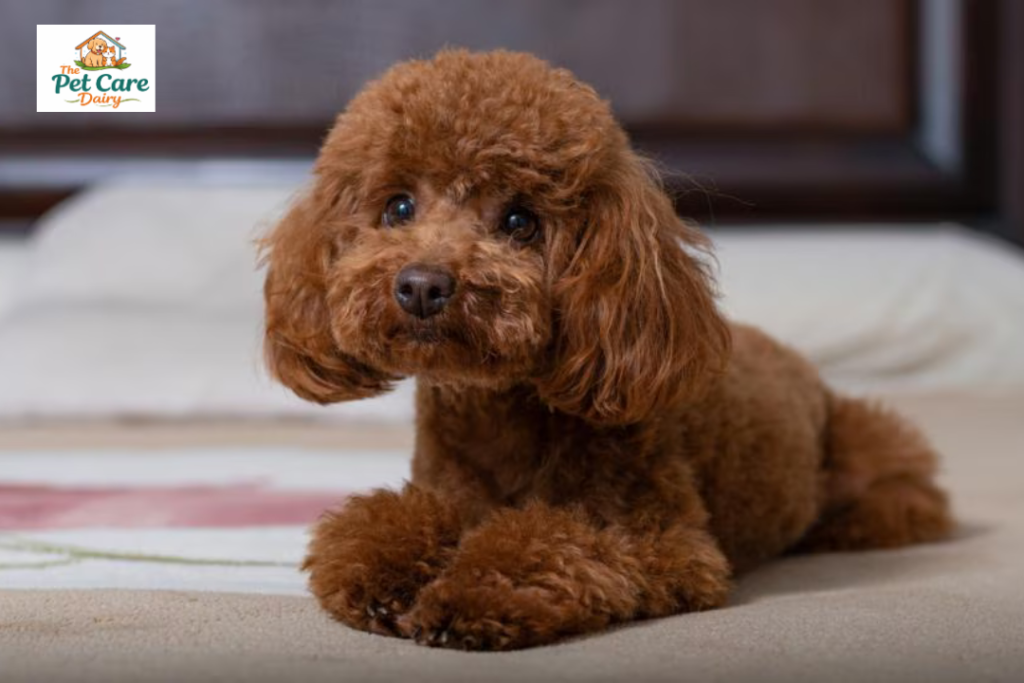
The coat is curly and dense
Some Poodles have a roped coat, where curls form rope-like strands
Hair keeps growing and does not fall out the same way like other breeds
Because of this, Poodles are often called low-shedded, but this does not mean zero care.
Do Poodles Shed or Cause Allergies?
Poodles shed very few, which is why many people think they are hypoallergenic. While no dog is 100% allergy-free, Poodles are generally a better choice for people with mild allergies because:
Loose hair stays trapped in the curls
Less dangerous spreads around the home
Regular grooming is important to keep your coat clean and healthy.
The Poodle is one of the most intelligent and versatile dog breeds in the world, known for its elegant appearance, curly coat, and outstanding trainability. Originally bred in Germany as a water retriever and later popularized in France, the Poodle has become a favorite companion dog worldwide. This breed comes in three sizes—Standard, Miniature, and Toy—making it suitable for different lifestyles and living spaces. The Standard Poodle is athletic and energetic, ideal for active families, while the Miniature and Toy variety adapt well to apartment living. Despite their stylish look, Poodles are highly athletic, alert, and eager to please.
In terms of temperament, Poodles are friendly, loyal, and extremely intelligent.
They rank among the top breeds for obedience and problem-solving abilities. Because of their intelligence, they require mental stimulation and consistent training to prevent boredom. They form strong bonds with their owners and are generally good with children and other pets when adequately socialized. Poodles are delicate dogs, responding best to positive reinforcement rather than harsh discipline. Their playfulness and social personality make them excellent family companions.
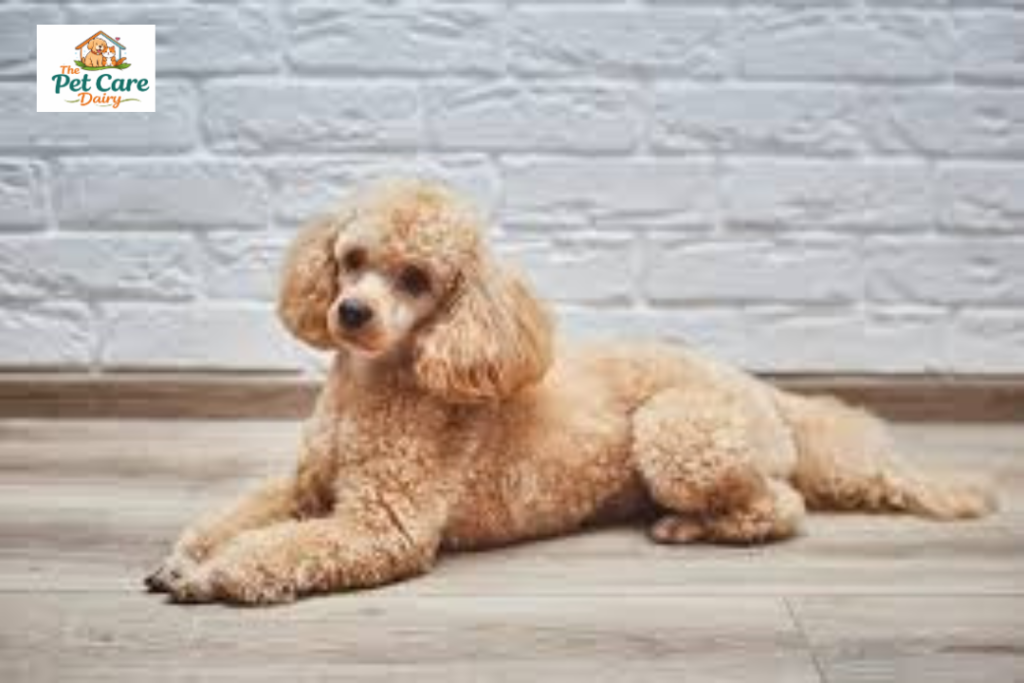
Size varies significantly among the three types. Standard Poodles typically stand over 15 inches tall and are sturdy, active dogs. Miniature Poodles stand between 10–15 inches, while Toy Poodles are under 10 inches taller and are more delicate. Regardless of size, all Poodles share the same curly, low-shedding coating, which makes them a popular choice for people with allergies. However, their coat requires regular grooming, blow-drying several times a week, and professional trimming every few weeks to prevent matting.
Caring for a Poodle includes balanced nutrition, regular exercise, grooming maintenance, and routine veterinary care. They thrive on daily walks, play sessions, and interactive activities. Because of their active minds, puzzle toys and obedience training are highly recommended. Poodles are generally healthy but can be susceptible to conditions such as hip dysplasia, eye disorders, and certain genetic issues depending on the size. With proper care, Poodles can live between 12 to 15 years or longer, offering companionship, intelligence, and affection throughout their lives.
For more such pet care information, connect with us today: https://thepetcarediary.com