
Revolutionizing Care: Top Pet Industry Innovations to Watch in 2026
The global pet-care industry is in the midst of a exciting transformation. What was once a predictable market of food, treats, and basic supplies has grown into a dynamic ecosystem of technology, nutrition science, preventative care, and sustainability solutions — all propelled by rising pet ownership and expanding consumer expectations.
Industry forecasts illustrate that pet care isn’t just growing — it’s accelerating. The market is projected to reach a staggering $300 billion globally by 2030, drawing from patterns in consumer behavior, premiumization trends, and rapid technology adoption.
Increasing disposable income and increasing pet adoption are fueling market expansion, particularly in emerging markets. As more families welcome pets, the demand for premium pet products and services continues to rise.
The global market for pet technology and pet food is also expanding rapidly: the global pet technology market is expected to grow from $19.1 billion in 2026 to $52.9 billion in 2035, at a CAGR of 12%. Meanwhile, innovations in the global pet food market are fueling predicted growth at a CAGR of 4.7% through 2030.
A key driver fueling this expansion is pet humanization. Increasingly, pet parents treat their animals as full members of the family, aligning their caregiving expectations with those they have for human family members. Most households now have at least one pet, which drives rising demand for innovative products and services.
the humanization of pets is also driving consumer spending on luxury pet products and services. This shift has a powerful impact on what buyers are willing to invest in — from advanced nutrition to wellness tracking, prevention, and digital health management.
These broader forces aren’t just moving the needle—they’re shaking up entire categories. In a crowded market, pet brands must find ways to reach a global audience to stand out and capture the attention of pet parents worldwide. In this post, we’ll unpack the major forces reshaping pet care through pet health and wellness, insurance and preventative care, sustainable products, nutrition innovation, and emerging trends driving industry growth in 2026.
Pet Health Technology: A Data-Driven Care Revolution
Smart pet technology has expanded beyond playful gadgets into serious health care tools that elevate wellness outcomes and business opportunities alike. Technological advancements such as AI, IoT, and data analytics are transforming pet health tracking, enabling automated tasks, personalized insights, and improved pet ownership experiences.
At the famed Consumer Electronics Show (CES 2026), pet tech was more prominent than ever — not because it’s cute, but because it’s meaningful. Leading innovators showcased products that mix data, automation, and predictive care into everyday pet routines.
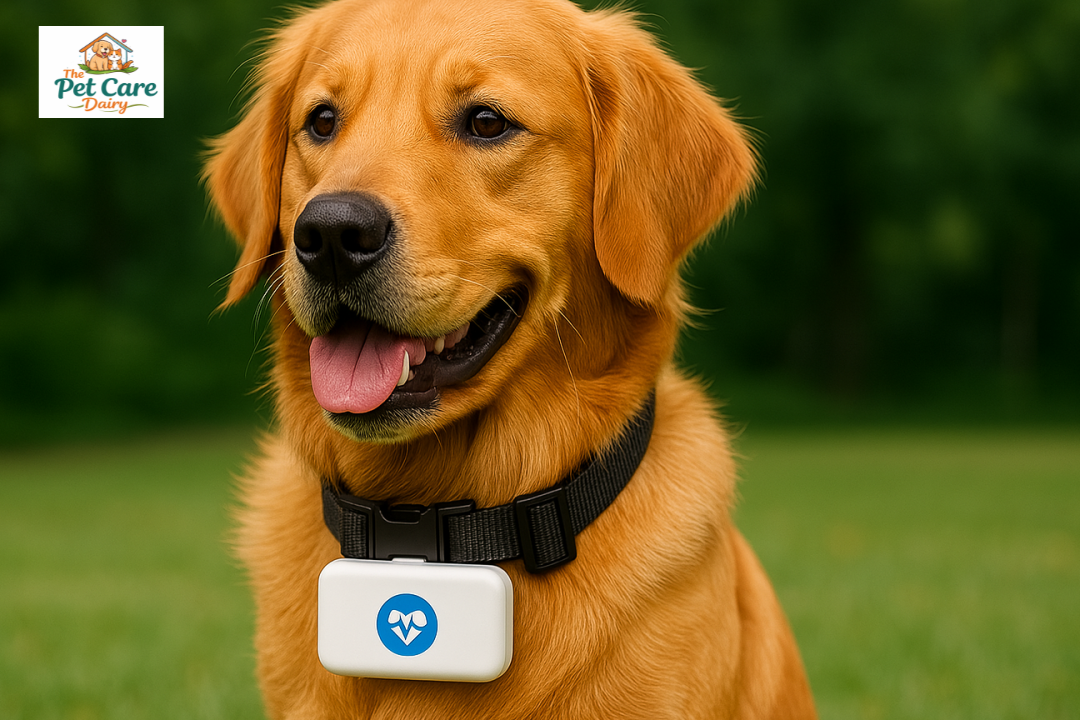
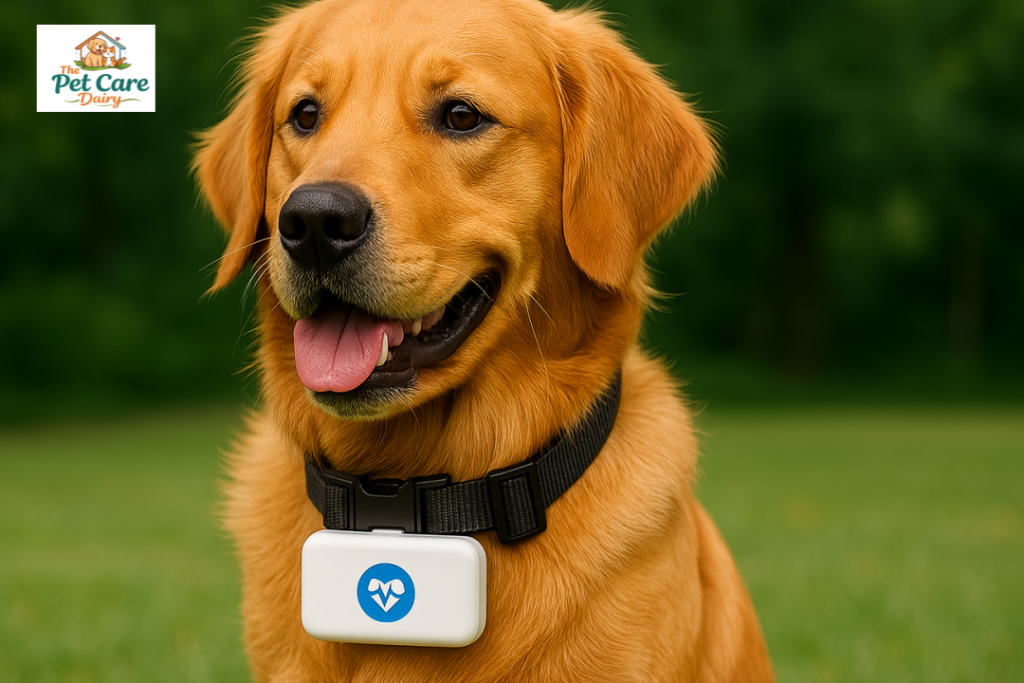
Pet wearables, such as smart collars and activity trackers, now play a central role in 24/7 health monitoring, sharing data with veterinarians, and supporting early detection of health issues. The PetPace Health Collar, for example, provides continuous monitoring and data sharing, while the PetPace Health 2.0 collar tracks vital signs like heart rate, breathing, and temperature to detect diseases early.

AI-powered devices now include:
Smart toys and GPS trackers that increase pet safety through interactive engagement and virtual fencing.
Pet tracking devices with location tracking features, such as GPS-enabled collars, for real-time tracking and improved safety.
Predictive wearables like the Satellai Collar Go, which use ‘Petsense AI’ to detect micro-shifts in behaviour, indicating potential health issues.
These devices monitor vital signs such as heart rate, activity levels, and sleep patterns, enabling early identification and intervention. Data-driven care now delivers actionable health insights, allowing for personalized and preventative healthcare recommendations. Remote monitoring platforms connect wearable devices with veterinary professionals for constant health tracking and early intervention.
The pet wearables segment accounted for a significant market share of 45.3% in 2025, driven by the adoption of smart collars and advanced health monitoring devices.
Breakthroughs in AI-powered smart devices for pets
Several breakout products unveiled in 2026 spotlight how AI and smart sensors are reshaping care:
AI-enabled automated wet food feeders that track consumption behavior and sanitize leftover food — helping brands and physicians better understand feeding habits.
Intelligent water fountains with cameras and analytics to monitor individual drinking routines to flag early signs of urinary or kidney issues.
Interactive toys that use technology to engage pets, monitor their activity, and enhance security, providing both entertainment and valuable behavioral data.
Integrated ecosystems of devices that combine hydration, feeding, litter box data, and even track pattern sleeps as part of a continuous health snapshot for each pet.
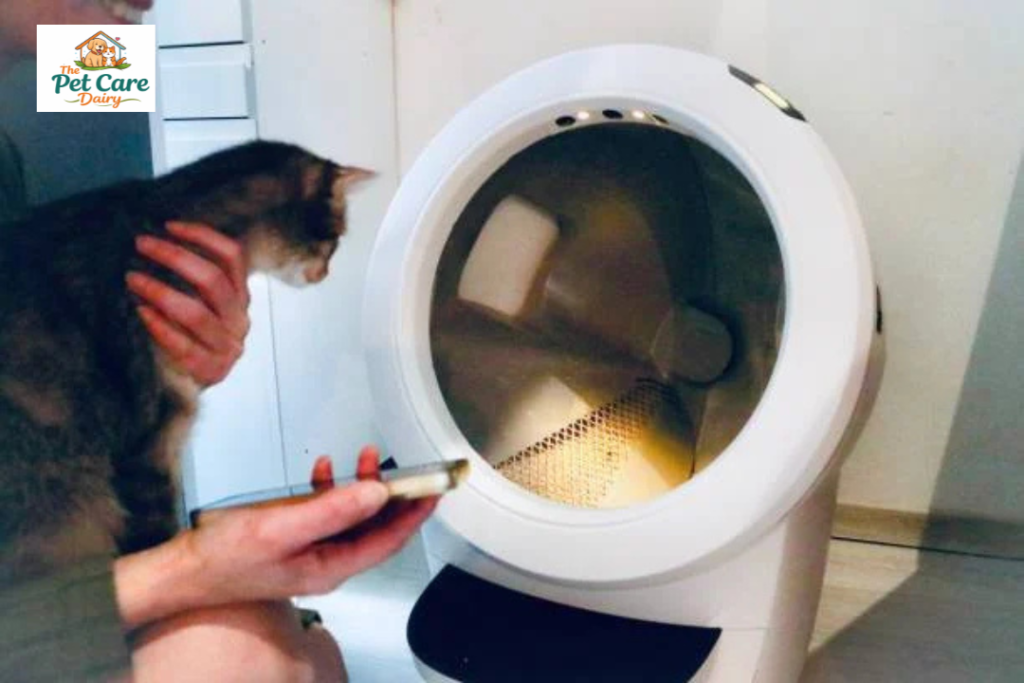
The Litter-Robot, a Wi-Fi-connected, self-cleaning litter box, automatically cleans waste and provides real-time updates to owners.
Smart home technology is being adapted for pet safety and enrichment, with products like the WoofWoof Lux robotic dog washing machine offering automated, stress-free cleaning for pets.
These innovations signal a critical trend: Technology is preventive care. Through real-time data collection and insight tools, owners can detect subtle changes long before acute health issues emerge.
From a business perspective, this opens a range of new value streams: subscription analytics dashboards, AI-powered wellness alerts, and tiered service offerings tied to ongoing health insights.
Wearables & Predictive Monitoring
Beyond feeding and hydration, wearables are becoming real vet partners. Advanced collars and sensors now track activity, sleep cycles, and wellness metrics — making it easier to anticipate joint problems, lethargy, or stress responses before they develop into expensive medical events. Even niche innovations like collars offering GPS and virtual fencing capabilities are gaining traction, showcasing how closely tech and safety interlock in modern offerings.
Early Disease Detection & Preventive Care
At the heart of these technologies is a focus on prevention. By combining sensor data with machine learning, pet technology products are now capable of:
Notifying owners when behavior deviates from the normal.
Providing early warning signals to veterinarians.
Supporting remote monitoring for multi-pet households.
For pet retailers and tech service companies, this trend represents a shift toward care-as-a-service models, where data and managed results become core parts of the value proposition.
Pet Insurance and Preventive Healthcare
As pet health technology becomes more advanced, it naturally interlocks with another rapidly growing area of pet care: insurance and preventive health coverage. Many providers now offer specialized insurance plans for senior pets, addressing their unique health needs and making it simpler for owners to manage healthcare costs.
Pet insurance not only makes care more affordable, allowing more clients to comply with the best treatment options, but it also leads to higher patient revenue per visit as more clients can access valuable therapies that are not strictly necessary. Additionally, the demand for luxury pet services is rising as pet parents seek to ensure their animals live comfortable, enjoyable lives.
Growing Demand for Preventive Care Plans
Pet insurance is not new, but its market penetration and coverage ambitions have expanded significantly. Today’s pet parents are more willing than ever to invest in comprehensive plans that include preventative screenings, spay and neuter, early disease detection tests, dental care, and annual wellness checkups.
Search data trends reflect this demand: terms like “accident-only pet insurance” have seen massive year-over-year increases — signaling that consumers are actively researching both budget-friendly and comprehensive coverage solutions.
From a business perspective, this translates into fertile ground for:
Insurance integrations with wellness technology tools, combining real-time wearable data with coverage incentives.
Tiered subscription “services + insurance” bundles, where software tools, telehealth access, and discounted clinic visits co-exist under a unified offering.
The pet care industry is experiencing one of its most transformative periods in history. As pets become increasingly integrated into family life, innovation is reshape how owners care for their dogs, cats, and other companion animals. In 2026, advancements in technology, healthcare, nutrition, and wellness are creating smarter, safer, and more customized solutions for pet parents around the world. From AI-powered health monitoring to customized nutrition plans, the future of pet care is focused on improving quality of life while strengthening the bond between humans and their pets.
One of the most significant innovations driving the industry is the rise of smart pet technology.
Wearable devices, GPS-enabled collars, health trackers, and activity monitors are helping pet owners gain deeper insights into their animals’ everyday lives. These devices can track exercise levels, sleep patterns, heart rate, location, and behavioral changes, providing valuable information that may help detect possible health concerns before symptoms become visible. Many pet owners are now using connected technology as part of their regular wellness routines, making proactive healthcare more accessible than ever.
Artificial intelligence is also transforming pet care. AI-powered pet cameras and monitoring systems can identify unusual behaviors, monitor activity levels, and even alert owners when a pet may need attention. Some advanced systems analyze feeding habits, movement patterns, and emotional indicators, helping owners better understand their pet’s needs. Veterinary professionals are increasingly exploring AI-assisted diagnostics that may improve early disease detection and support more precise treatment decisions.
Personalized nutrition has become another major innovation in 2026.
Instead of relying on generic feeding recommendations, pet owners now have access to customized meal plans based on factors such as breed, age, weight, activity level, and medical history. Fresh food delivery services, DNA-informed nutrition programs, and veterinary-formulated diets are helping pets receive more targeted nutritional support. This personalized approach aims to improve overall health, support healthy aging, and reduce nutrition-related ailments.
Telemedicine and virtual veterinary services continue to gain popularity. Pet owners can now consult veterinarians remotely for minor health concerns, follow-up appointments, behavior guidance, and wellness advice. These digital services improve accessibility, reduce travel-related stress for pets, and allow owners to seek professional guidance more comfortably. Telehealth is becoming an important complement to traditional in-person veterinary care.
Advancements in preventive healthcare are helping pets live longer and healthier lives. Modern screening tools, genetic testing, and advanced diagnostic technologies allow veterinarians to identify health risks sooner than ever before. Preventive medicine is increasingly focused on sensing disease before symptoms appear, enabling more effective treatment and improving long-term outcomes.
For more such pet care information, connect with us today: https://thepetcarediary.com