Siamese Cat Care Guide for Daily Needs and Healthy Living
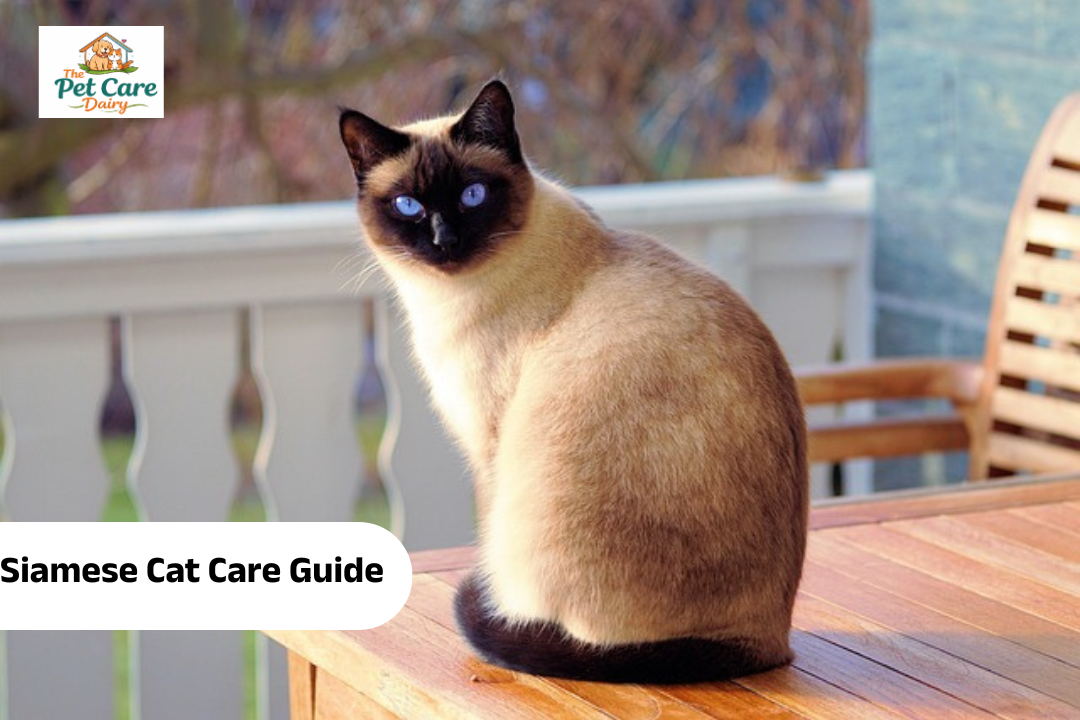
Siamese cat care is very different from caring for a calm, independent house cat. If you are considering bringing a Siamese into your home, you need to understand one important thing first: this breed wants to be involved in your life every single day. They are intelligent, emotional, vocal, and deeply attached to their people. This is not a cat that hides all day and just comes out for food.
Siamese cats are known for their loud sounds. Many owners are amazed by how much they “talk.” They will meow to greet you, to ask for food, to demand playtime, and sometimes just to have a conversation. This vocal character is normal for the breed. It doesn’t mean something is wrong. However, it means you must respond. Ignoring Siamese for long periods can lead to stress, frustration, and behavioral problems.
They are also very intelligent. A Siamese cat can learn routines quickly. Many can learn tricks, answer to their names, and even enjoy leash training. Because of this intelligence, they get easily bored. A bored Siamese may knock things over, scratch furniture, or cry out loud. Mental stimulation is not optional for this breed. It is a daily need.
Another important characteristic is their strong attachment to people. Siamese cats often bond closely with one or two family members. They can follow you from room to room and sleep near you at night. They do not like being alone for long hours. If you work long shifts or travel frequently, you should plan for enrichment or even consider adopting two cats so they can keep each other company.
Many people ask, “Are Siamese cats high maintenance?” The answer is yes — but mostly emotionally, not physically. Their short jacket is easy to care for. The real effort comes from giving them attention, play, and social time. If you want a calm, independent pet, this may not be the right breed. But if you want a loyal, interactive companion, a Siamese can be an incredible choice.
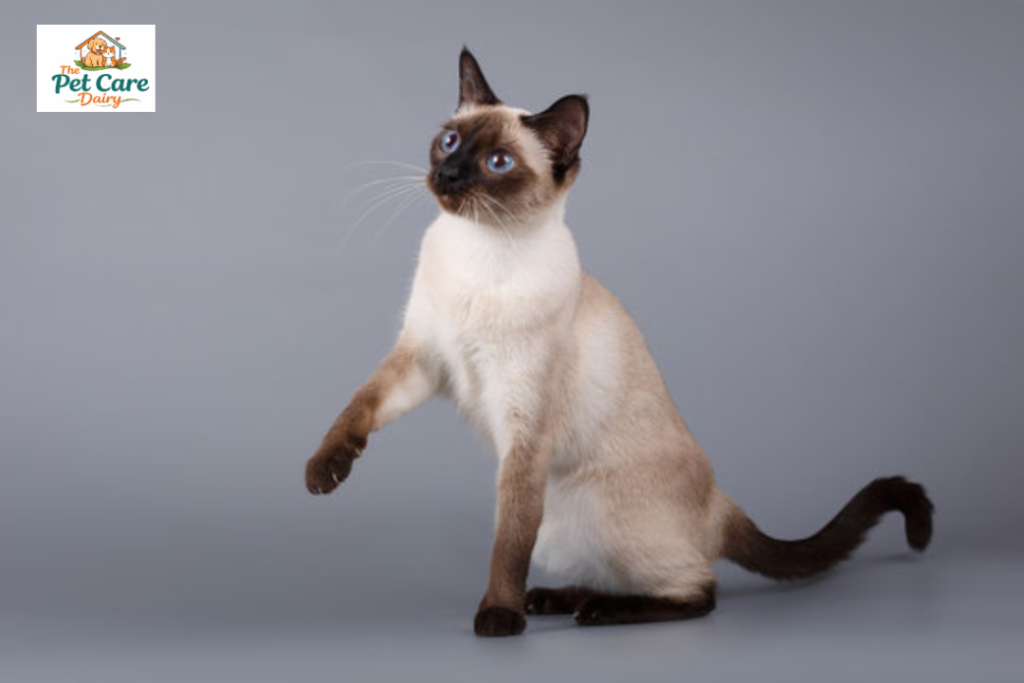
Daily & Weekly Siamese Cat Care Routine
A healthy Siamese cat needs structure. A simple everyday routine helps prevent stress and bad behavior. Feeding, playtime, and interaction should occur around the same time each day. Cats feel safer when they know what to expect.
Interactive play is one of the most important daily tasks. Plan at least two or three short play sessions each day. Each session can be 10 to 15 minutes. Use wand toys, feather toys, or toys that move like pretend. Siamese cats love to pursue and jump. Playtime helps burn energy and reduces loud, attention-seeking mewling.
Feeding should also be structured. Most adult Siamese cats do well with two or three measured foods per day. Avoid free-feeding large bowls of food all day. This strain can gain weight if they are bored. Puzzle feeders are a great choice because they make your cat work for food and keep their brain active.
Grooming needs are simple but still important. Their short coat should be blown once a week to remove loose hair. Nails should be trimmed every two to three weeks. Ears should be checked weekly for dirt or redness. Dental care is very important because Siamese cats can be susceptible to dental disease. Brushing your teeth several times a week can make a big difference.
Common Siamese Cat Behavior Problems and Prevention
Because Siamese cats are so intelligent and emotional, behavior issues often occur when their needs are not met. The good news is that most problems can be avoided with the right care.
Excessive meowing is the most common complaint. Siamese cats are naturally vocal, but nonstop crying can mean boring, hunger, or loneliness. If your cat cries often, increase structured playtime first. Many owners notice a big improvement after adding more everyday interaction.
Separation anxiety is another issue. This breed does not enjoy being left alone for long periods. Signs include loud crying, destructive scratching, or constantly following you. Leaving puzzle toys, rotating new toys weekly, and providing window hangers can help. In some cases, adopting a second cat can reduce loneliness.
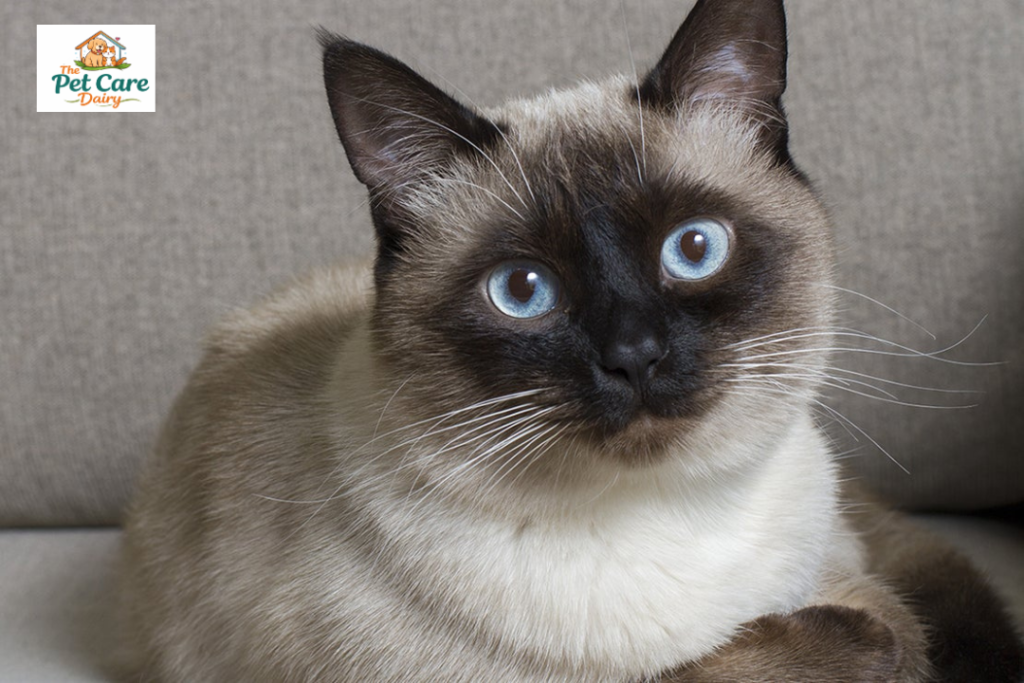
Destructive behavior like scratching furniture usually means your cat does not have sufficient scratching options. Place tall scratching posts in rooms where your cat spends the most time. Vertical space, like cat trees and shelves, also helps because Siamese cats like climbing.
Siamese Cat Health Care & Livespan Support
Siamese cats are generally healthy, but like all pure bred cats, they can have certain genetic risks. Understanding these risks helps you act early.
Some Siamese cats may develop tooth disease. Regular tooth brushing and yearly dental exams are important. They can also be prone to progressive retinal atrophy (PRA), which impacts vision. Regular veterinary exams help detect changes early.
Amyloidosis, a liver condition, has been reported in some Siamese lines. While not common, it shows why routine bloodwork during annual vet visits is helpful. Respiratory sensitivity can also appear in some cats, particularly in dusty environments. Keeping litter boxes clean and using low-dust litter can help.
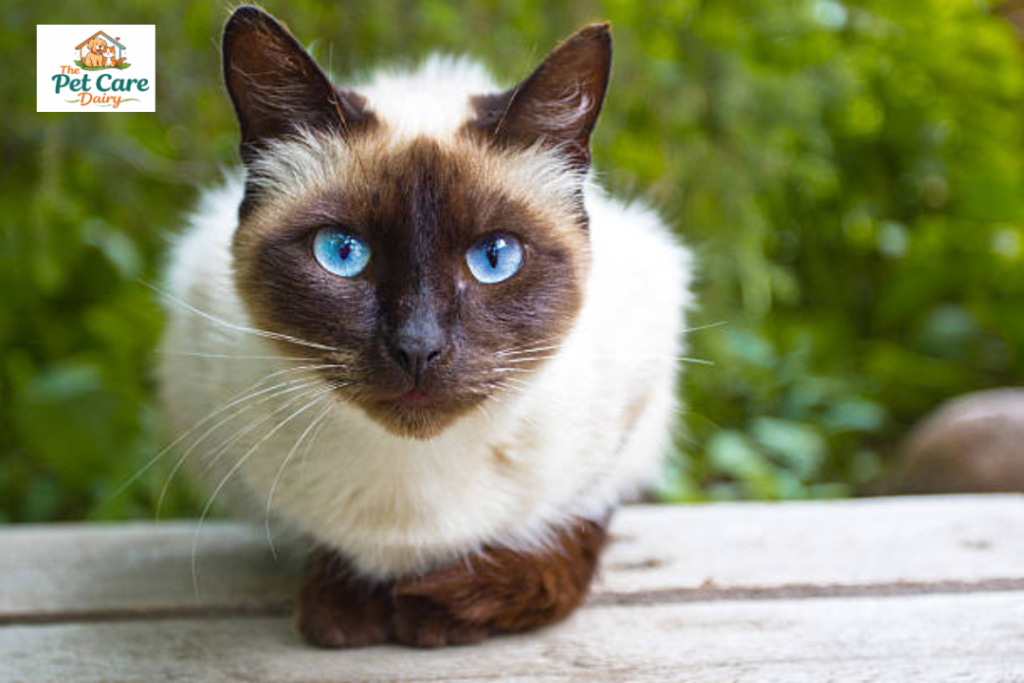
The Siamese cat is one of the most intellectual, vocal, and affectionate cat breeds in the world. Known for their striking blue eyes, sleek body, and color-pointed coat pattern, Siamese cats form very strong bonds with their owners. They are not just pets — they are companions who demand attention, interaction, and emotional connection.
Personality & Behavior
Siamese cats are highly social and hate being ignored.
- Very talkative (they “chat” with their owners)
•Highly intelligent - Playful even in adulthood
- Can separation anxiety develop if left alone too long
They are best suitable for families or owners who spend good time at home.
Diet & Nutrition
Siamese cats have thin, muscular bodies and fast metabolism.
✔High-protein diet (real meat as first ingredient)
✔ Taurine-rich food (important for heart and eye health)
✔ Mix of wet+dry food for hydration balance
✔ Fresh water always available
Avoid overfeeding — they remain naturally slim but can gain weight if inactive.
The Siamese cat is one of the oldest and most recognizable cat breeds in the world. Famous for its striking blue eyes, elegant body, short coat, and vocal personality, the Siamese has remaining a favorite among cat lovers for generations. In 2026, the breed continues to be highly sought after due to its intelligence, affectionate nature, and strong bond with human companions. Unlike many independent cat breeds, Siamese cats thrive on interaction and companionship, making them ideal pets for families and individuals who can devote time and attention to their feline friends.
One of the most distinctive characteristics of the Siamese cat is its social personality. Siamese cats are known for being extremely people-oriented and often form deep emotional relationships with their owners. They enjoy following family members around the house, participating in daily activities, and communicating through their famous vocalizations. Because of their affectionate nature, Siamese cats do not enjoy being left alone for long periods and may become boring or lonely without regular interaction.
Proper nutrition is essential for maintaining a Siamese cat’s health and energy levels. These cats are naturally active and athletic, demanding high-quality food rich in animal-based protein. A balanced diet helps support lean muscle mass, healthy skin, a shiny coat, and overall wellness. In 2026, many veterinarians recommended feeding premium cat food formulated according to age, activity level, and specific health needs. Fresh drinking water should always be available, and many owners choose pet water fountains to promote hydration and support kidney and urinary tract health.
Exercise and mental stimulation play a major role in Siamese cat care.
These intelligent cats require everyday opportunities to play, explore, and engage their minds. Interactive toys, puzzle feeders, climbing trees, scratching positions, and training exercises help prevent boredom and behavioral problems. Siamese cats are frequently capable of learning tricks, responding to commands, and even walking on a leash when trained using positive reinforcement techniques.
Creating a stimulating indoor environment is highly recommended for Siamese cats. Their curious and adventurous nature means they enjoy climbing, observing their environments, and exploring new spaces. Cat trees, window perches, wall shelves, and interactive play areas provide excellent opportunities for enrichment. Indoor living also protects them from traffic, predators, diseases, and environmental dangers while allowing owners to better monitor their health and safety.
Grooming a Siamese cat is relatively simple compared to long-haired breeds. Their short, fine coat requires minimal maintenance and usually benefits from weekly brushing to remove loose hair and maintain a healthy shine. Regular grooming sessions also provide an opportunity to inspect the skin, ears, and overall condition of the cat. Regular nail trimming, ear cleaning, and dental care should be included in a comprehensive healthcare routine.
Preventive veterinary care remains one of the most important aspects of responsible Siamese cat ownership. Annual wellness exams, vaccinations, parasite prevention, and routine health screenings help identify potential issues early. Although Siamese cats are generally healthy, they can be prone to certain hereditary conditions such as dental disease, respiratory sensitivities, progressive retinal atrophy, and some heart conditions. Regular veterinary monitoring can significantly improve long-term health outcomes.
Dental health deserves special attention in Siamese cats. This breed may be more prone to dental problems than some other breeds. Regular tooth brushing, dental treatments, and professional cleanings help reduce plaque buildup and maintain healthy gums and teeth. Good oral sanitation contributes not only to comfort but also to overall health and longevity.
For more such pet care information, connect with us today: https://thepetcarediary.com