Enjoying a beautiful summer day with your pet is great, but the heat can also be dangerous or even lethal for dogs and cats. Fortunately, with just a few precautions, you can keep pets safe and cool in hot weather.
Heatstroke in dogs and cats
Heat stroke in dogs and cats can occur when the animal’s body temperature rises to a critical level. Normal body temperatures for dogs and cats range from 100 to 102.5 degrees Fahrenheit. When a dog’s temperature rises to 108 degrees, or a cat’s to 106 degrees, they can suffer irreparable organ damage and even die. Pets displaying signs of heatstroke might be distressed, weak, panting and breathing heavily, and have a dark red to purple-colored tongue, and they might throw up.
Move a pet suffering from heatstroke out of the heat immediately. Cool the animal’s ears, tummy, and paw pads with cool (but not freezing or icy) water. Do not place an animal in cold water or cover them with a cold, wet blanket. Once the pet is stabilized, take them to the veterinarian as soon as possible. The animal may be experiencing issues internally that are not visible to you.
A variety of situations — such as leaving a dog in a hot car, going for a afternoon walk with your dog, or simply leaving a pet in the yard with no shade — can contribute to an animal overheating.
Watch this video to see how quickly a car can heat up on a 95 degree day.
Hot weather pet safety tips
Best Friends Animal Society recommends taking a few simple precautions to keep dogs and cats healthy and cozy as the temperature rises. Here are some hot weather pet safety tips:
Keep pets indoors during the day. It might sound obvious, but it’s hottest outside when the sun is up. Quick walks and bathroom breaks are okay, but try to keep your pets in the shade.
If pets do spend time outside during the day, make sure they have access to shade at all hours of the day. Dogs on tethers are especially vulnerable because they could become tangled in the tether outside of reach of shade or water. Grass and greenery help keep the yard cooler, too.
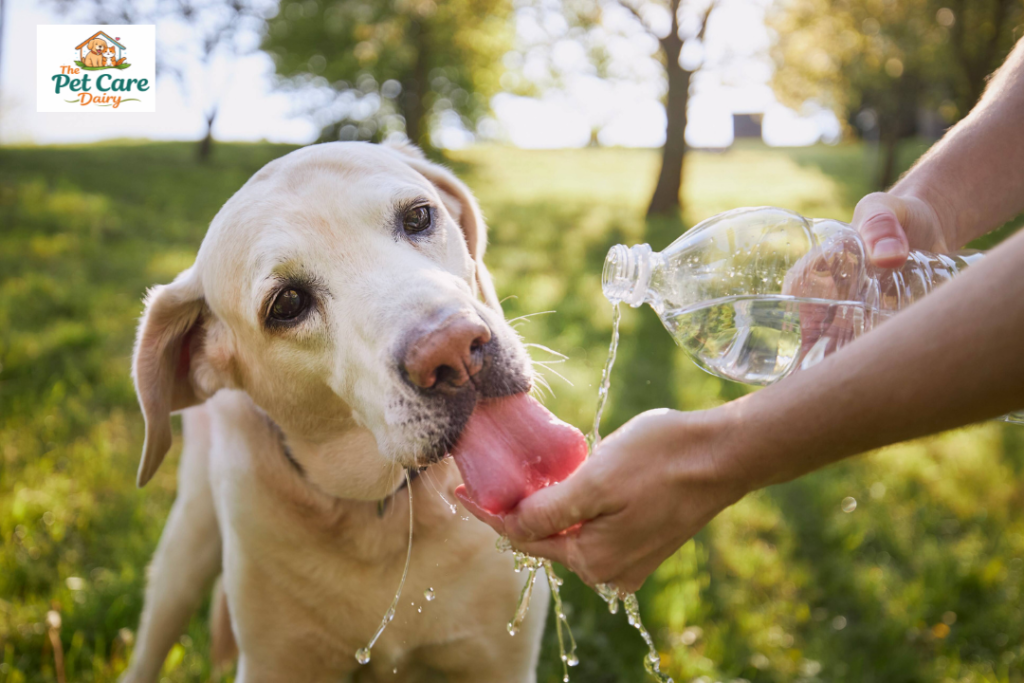
Provide pets with fresh, cool water at all times. During the summer heat, water should be dumped and refilled frequently. Most dogs will not drink hot water no matter how thirsty they are.
Exercise dogs during the cooler morning or evening hours, not in the intense afternoon heat. Dogs who are seniors, obese, have thick fur, or a pushed-in nose (such as boxers, pugs, and Pekingese) are even more at risk of overheating. Bring water for both you and your pet or a collapsible bowl if there is a water source on your route.
Be aware of the temperature of the sidewalk, asphalt, sand, or even packed dirt. The heat can cause burns to your pet’s paw pads if they get too warm.
Consult a veterinarian regarding whether your pet needs a pet-approved sunscreen on exposed areas. Dogs with bald spots or minimal coats might need sunscreen, as well as Nordic breeds of dogs, who are prone to autoimmune-related sun diseases.
Never leave your pet in a parked car when the outside temperature is above 70 degrees Fahrenheit — not even with the windows partway down, not even in the shade, not even for a quick error. Dogs and cats cannot sweat like humans, so they pant to lower their body temperature. If they’re inside a car recycling very hot air, panting gives no relief, and heatstroke can happen quickly.
A little empathy goes a long way in protecting our pets from extreme weather. If it’s too hot for us to remain comfortable in the car, in the yard, or on a walk, it’s even hotter for our furry friends.
As the temperature increases in summer, the risk to humans as well as to pets (Dogs and Cats) also increases. Due to excessive heat they may suffer from problems like dehydration, heatstroke and skin problems. Therefore, it is very important to take special care of pets during summer.
Always provide adequate water
Pets can quickly become dehydrated in the heat.
Always have fresh and cold water available
change water multiple times a day
If you are outside, keep a portable water bowl
water If you get enough, body temperature remains under control.
2. Avoid direct sunlight
It is dangerous to remain in direct sunlight for a long time in summer.
keep pets in a shady place
Don’t take me out in the afternoon
take for a morning or evening walk to go
This way the risk of heatstroke is reduced.
3. Avoid walking on hot roads
Roads and pavements become very hot in summer.
Walking on hot roads can cause injury to the paws of the pet.
Check the ground by hand before taking it out
is possible So take a walk in the grassy area
4. Make arrangements for cooling
Pets comfortable in summer It is necessary to provide environment.
Room with fan or AC
cooling mat or cold floor
sometimes wet your paws with cold water
That’s why they got heat Relief is available.
5. Never leave the car unattended
In summer, the temperature of the car increases very quickly.
Do not leave pets alone in the car even for a few minutes
The temperature inside the car can reach up to 50°C
this Often a life threatening situation can occur.
6. Give sweet and hydrating foods
Heavy food should be avoided in summer.
pet-safe fruits like watermelon, cucumber
Sweet and easy to digest food
feed in small portions throughout the day
For more such pet care information, connect with us today: https://thepetcarediary.com