
Cane Corso Breed Guide: Characteristics, History & Care

The Cane Corso is a large Italian breed with a muscular appearance. It is very loyal and protective but can often be difficult to handle due to its predominant nature. These powerful, athletic, and intelligent mastiff-type dogs are fairly demanding and are best suited to experienced owners who have large fenced yards.
Cane Corso breed history
The Cane Corso was developed in Italy and is believed to descend from Roman war dogs. This mastiff-type dog was originally bred to hunt game, be a farmer, and guard property.
The breed’s name is derived from the Italian word cane, which means dog, and the Latin word cohors, which means protector or protector.
The breed declined and was nearly extinct as farming became more mechanized, but was revived during the 1970s. The first Cane Corsos arrived in the States in 1988 and the breed was fully recognized by the American Kennel Club (AKC) in 2010.
Cane Corso characteristics
physical appearance
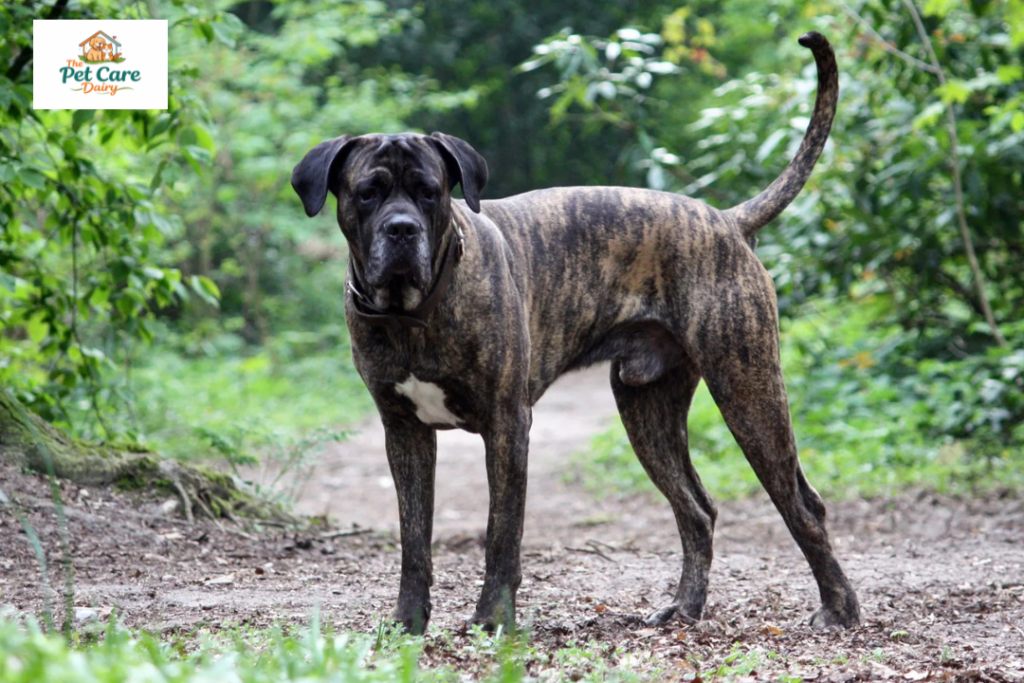
Cane Corso are large dogs that stand between 23 to 27 inches in height. The average weight of a Cane Corso is around 110 pounds for males and 99 lbs for females.
These big, beautiful dogs have a wide chest, wide skull, wrinkly forehead, and floppy ears. Some owners decide to have the ears trimmed, but this practice is purely for cosmetic reasons and doesn’t have any health benefits for the dog.
The Cane Corso has a short, thick, double coat that comes in several different colors:
Black
Black Brindle
gray
Gray Brindle
fawn
red
Chestnut Brindle
Their eyes are almond-shaped and can also vary in color, varying from shades of brown to blue and yellow.
Temperament and personality
The Cane Corso temperament is serious and sensitive. These working dogs are quite independent and if not properly trained, they will assert themselves as being dominant. Because of their size and build, Cane Corsos can easily overpowered some animals or even people. However, despite their appearance, they are very kind. According to the American Temperament Test Society (ATTS), 88.1% of the Cane Corso dogs passed the Temperature Test.
These big dogs need something to keep them active or they will become bored and easily stirred. On the other hand, Cane Corso are not very social and tend to be comfortable only around their family. Early socialization is vital to make them understand that not everyone is a threat.
While some members of the breed can get along well with other pets, Cane Corsos have a strong prey drive and will often chase other animals down. With children, early introduction when the dog is young is a must. Be sure to oversee your Cane Corso when they interact with children or other pets.
Because of their size and strength, Cane Corsos are a very popular choice for watching over their owners and property, but may not be a great choice for a young family.
Average lifespan
The average life expectancy for Cane Corsos is 10 to 11 years. Like other large breed dogs, this breed has a shorter lifetime than their smaller counterparts because they age faster and tend to develop some health problems.
However, you can extend the overall life expectation of your Cane Corso if you provide them with a healthy lifestyle, proper diet, exercise, and regular veterinary visits for preventive care.
Cane Corso care tips
Training and exercise
Cane Corsos are intelligent, obedient, and anxious to please, so they are generally easy to train. Early socialization and training are recommended for all dogs, but in the case of Cane Corsos, they are an absolute must. Socialization will help them grow into well-mannered and well-adjusted adults, while obedience training will help keep them from becoming dominant in the family. Cane Corsos respond best to positive training and rewards.
This athletic and muscular breed requires a great deal of exercise. Mile-long runs twice a day should be sufficient to keep them fit and healthy. Cane Corsos are working dogs and are happier when they have a job to do.
They need both physical and intellectual stimulation in order to avoid harmful behavior. Consider providing enrichment toys, like treat puzzles, to keep your Cane mental Corso kept entertained, especially if they are left alone for longer periods of time. Many Cane Corsos love participating in canine sports like obedience, agility, tracking events, and dock diving.
Diet and nutrition
Cane Corsos require large quantities of food. The exact amount per feeding will vary by the brand of food, but the best way to maintain a healthy weight is through meal-feeding, where a measured amount of food is given at regular intervals, most frequently twice a day. Having a regular feeding regimen can also help to reduce the risk of stomach torsion or bloat. When choosing a dog food, consider your pet’s age, current weight, lifestyle, and other health conditions.
If you notice weight gain or have questions about the type and amount of food and feeding schedule, contact your veterinarian.
Grooming requirements
Cane Corso has a short, double-layered coat. The undercoat sheds throughout the entire year, especially during the spring. They require weekly brushing (daily during the shedding season), as well as occasional baths and nail trims.
Living with a Cane Corso
The members of this breed prefer spending time with their owners and do not like being left alone for too long. The ideal owner for a Cane Corso would be an active person who is at home most of the day and who doesn’t clear up the drool. These large dogs are also quite expensive to feed.
As mentioned previously, the Cane Corso is an active and intelligent breed that thrives on activity and loves to have a job to do. Like any large breed, Cane Corsos will be happiest in a large, securely fenced yard, and having someone to walk them regularly. If they don’t get enough mental and physical stimulation, Cane Corso can become destructive.

Common Cane Corso health problems
Some health problems in dogs are more common in certain breeds than others. Specifically for the Cane Corso, the most common health issues include:
Hip dysplasia, an inherited condition that can cause pain, lameness, and arthritis.
Gastric dilation-volvulus, or bloat, which is a potentially life-threatening condition where the dog’s stomach fills with air and flips, cutting off blood flow. Emergency surgery is required in these cases.
Eyelid abnormalities, like ectropion which causes the lower eyelashes to roll out or droop.
Idiopathic epilepsy, one of the leading causes of seizures in dogs. This is an hereditary disorder but its exact cause is unknown.
Pro Tip: Whether you are getting a puppy or adopting an older dog, it’s important to consider some of the breed-specific health issues you may encounter when looking for Cane Corso pet insurance. These health risks increase as your pet gets older, which is why it is important to sign up for insurance as early as possible and save yourself from nasty surprises.
The Cane Corso is a powerful, intelligent, and loyal working dog breed that originated in Italy. Known for its muscular build, protective instincts, and strong dedication to family, the Cane Corso has become one of the most respected guardian breeds in the world. Despite its imposing appearance, a well-trained and properly socialized Cane Corso can be a calm, affectionate, and dependable companion. In 2026, the breed continues to gain popularity among experienced dog owners who appreciate its combination of strength, intelligence, and fidelity.
The history of the Cane Corso dates back to ancient Rome, where its ancestors were used as war dogs and guardians. Over time, these dogs evolved into versatile farm and property guardians throughout the Italian countryside. They were responsible for guarding livestock, protecting houses, and assisting with hunting large game. The breed nearly vanished during the twentieth century but was successfully revived through dedicated breeding programs in Italy. Today, the Cane Corso is recognized worldwide as both a working dog and a family companion.
One of the most striking characteristics of the Cane Corso is its physical presence.
Adult males typically weigh between 45 and 55 kilograms (99–121 lbs) and stand 64 to 70 centimeters (25–27.5 inches) tall at the shoulder. Females are slightly smaller, usually weighing 40 to 50 kilograms (88–110 lbs). Their athletic build, broad chest, and powerful muscles give them extraordinary strength and agility. Despite their size, Cane Corsos are known for being surprisingly graceful and agile.
Temperament is one of the breed’s defining features. Cane Corso are naturally protective and highly alert, making them excellent watchdogs. They are deeply loyal to their families and often form strong bonds with their owners. Unlike some guard breeds that bark excessively, Cane Corsos are generally calm and observant, preferring to assess situations before reacting. However, because of their protective instincts, early socialization is essential to ensure they develop into confident and well-mannered adults.
Training should begin as early as possible. Cane Corsos are highly intelligent and eager to learn, but they can also be strong-willed and independent. Positive reinforcement methods work best, combining continuity, patience, and clear leadership. Obedience training, socialization, and exposure to different environments help prevent behavior issues and build confidence. Due to their size and strength, proper training is especially important to ensure they remain managed and well-behaved companions.
Exercise is a crucial part of Cane Corso care.
This breed has moderate to high energy levels and flourishes when given regular physical and mental stimulation. Daily walks, obedience training, interactive games, and structured activities help keep them physical fit and mentally engaged. While they enjoy outdoor activities, they are also known for being comparatively calm indoors when their exercise needs are met.
Nutrition plays a major role in maintaining the health of a cane corso. Large-breed puppies require carefully balanced diets to support controlled growth and minimize stress on developing joints. Adult dogs benefit from high-quality food rich in protein and essential nutrients. Owners should monitor weight carefully because obesity can increase the risk of joint problems and other health issues.
For more such pet care information, connect with us today: https://thepetcarediary.com