Dog Vaccination Schedule India 2026 – Complete Guide for Puppies
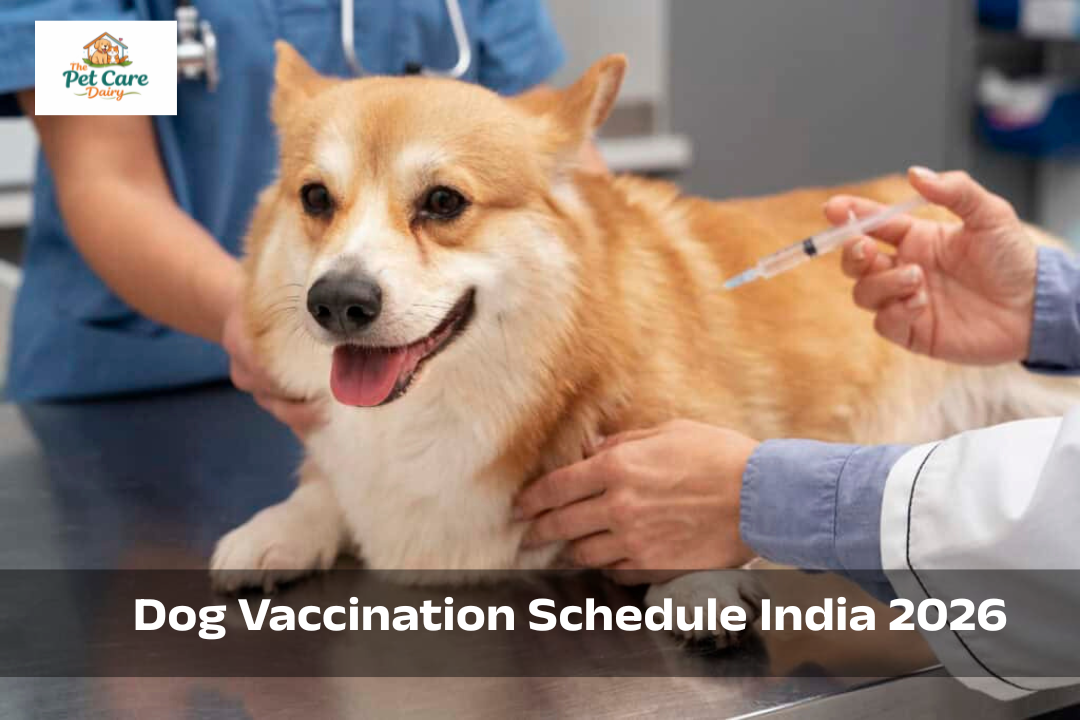
Vaccination is one of the most important aspects of responsible pet ownership, as it protects dogs from severe and life-threatening diseases. In India, where environmental exposure and infectious diseases are common, following a appropriate dog vaccination schedule in 2026 is essential to ensure your pet’s long-term health and safety. Vaccines help build immunity against dangerous viruses and bacteria such as rabies, parvovirus, dystemper, hepatitis, and leptospirosis, many of which can be fatal if not prevented in time.
Why Vaccination is Important for Dogs
Vaccines work by stimulating your dog‘s immune system to recognize and fight dangerous pathogens. Without vaccination, puppies are particularly vulnerable because their immune systems are still developing. In India, diseases like rabies and parvovirus are still widely present, making timely vaccination crucial not just for your dog but also for public health.
Vaccination is one of the most critical aspects of preventive care for dogs. Just like we get shots to protect against diseases, dogs need vaccines to build strong immunity against life-threatening diseases. In India, where certain infections (like rabies) are prevalent and can affect both pets and humans, a structured vaccination plan is essential for every dog parent.
Why Vaccination Matters
Vaccinations help prepare your dog’s immune system to combat infections before they become serious illnesses. Without vaccines, even common pathogens can lead to serious illness, long hospital stays, or worse. Here’s what vaccines do for your dog:
Protect against deadly diseases such as rabies, distemper, parvovirus, and hepatitis.
Reduces the spread of infections between pets and communities.
Build long-term immunity with a combination of early-life shots and enhancers.
Support your vet’s preventative health plan for a lifetime of wellness.
Core Vaccinations: What Each Dog Needs
Puppy Vaccination Schedule in India(2026)
Puppy vaccination usually begins at 6–8 weeks of age, when maternal antibodies begin to decrease. A series of vaccines is given at regular intervals to build strong immunity.
6–8 Weeks
First vaccine: DP (Destemper + Parvovirus)
This is the initial protection against two fatal diseases.
9–10 Weeks
Second vaccine: DHPPiL
(Destemper, Hepatitis, Parvovirus, Parainfluenza + Leptospirosis)
12–14 Weeks
Third booster dose: DHPPiL
Rabies vaccination (mandatory in India)
16 Weeks
Final booster dose (if required by veterinarian)
6 Months
Optional vaccines depending on lifestyle (like kennel cough)
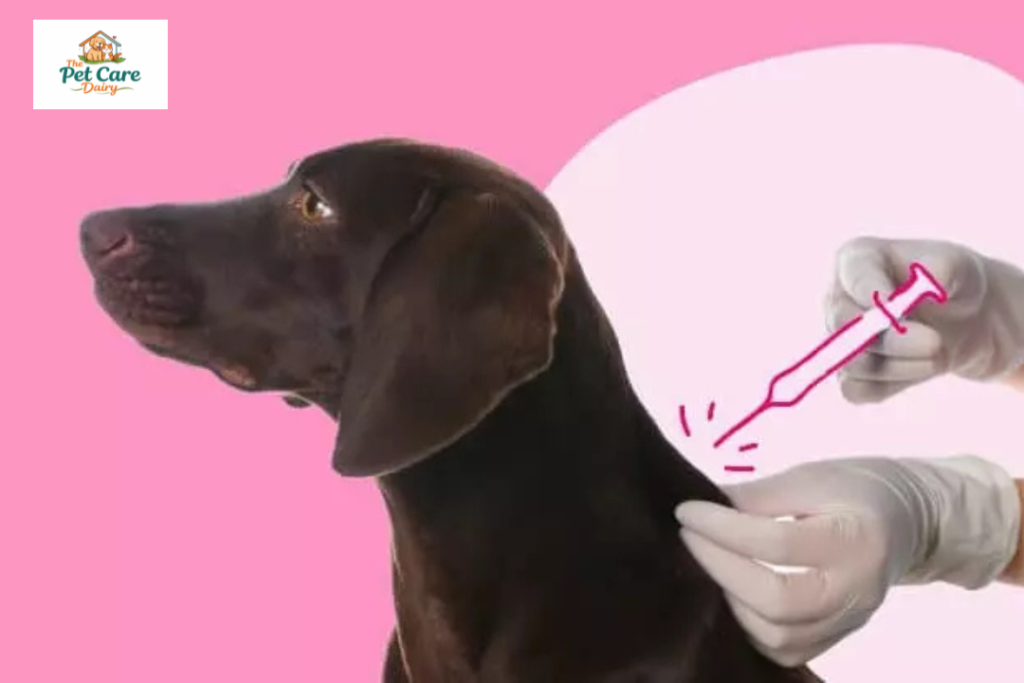
Dog Vaccination Schedule
Once your dog completes the puppy vaccine series, it is important to continue with regular booster doses to maintain immunity.
1 Year: Full booster (DHPPiL + Rabies)
Every Year: Annual booster for core vaccines
Rabies: Every 1–3 years (as per veterinary advice and local rules)
Optional vaccines may be recommended based on your dog’s lifestyle, travel, or exposure to other animals.
How Much Does Vaccination Cost (India)?
Costs vary per city, clinic, and vaccine brand. Many clinics also offer package plans bundled all shots and boosters for the year, making preventive care more convenient.
Common Misconceptions
“One vaccine is enough for life.”
Vaccines train immunity but don’t last forever – boosters are essential.
“Only puppies need vaccines.”
Adult dogs still require regular boosters to stay protected.
“Vaccines cause sickness in healthy dogs.”
Most dogs tolerate vaccines well; Vets vaccinate only when the dog is healthy and injured.
Your veterinary surgeon is your best partner to adjust schedules, especially if you miss a dose or start late.
Tips for Pet Owners in India
Always consult a registered veterinary surgeon
Follow the schedule strictly without delay
Avoid road exposure for unvaccinated puppies
Keep your dog’s living area clean
Combine vaccination with adequate nutrition and care
Why Vaccination is Crucial in 2026
With increasing pet adoption and urban living in India, the risk of disease spread is also rising. Vaccination not only protects your dog but also contributes to a safer environment for other pets and humans. In 2026, veterinary care has improved, making vaccines more effective and affordable, so there is no reason to skip this essential step.
The dog vaccination schedule in India (2026) is a vital part of ensuring your pet lives a long, healthy, and illness-free life. Starting vaccinations at the right age, following booster schedules, and consulting a veterinary surgeon regularly are key to maintaining strong immunity. Whether you have a small puppy or an adult dog, regularly vaccination acts as a protective shield against deadly diseases.
pet owners should also understand that timely vaccination is directly linked to their dog’s overall immunity and lifespan. Missing or delaying even a single dose can leave your dog susceptible to infections, especially in India where environmental exposure to viruses and bacteria is relatively high. Puppies, in particular, should be kept away from public places, stray animals, and infected areas until their full vaccination course is completed, as their immune system is still developing.
It is also important to note that vaccination is not a one-time process but a continuing responsibility. Booster doses play a critical role in maintaining long-term protection, and skipping them can reduce the effectiveness of earlier vaccines. Along with vaccination, maintaining appropriate nutrition, hygiene, and regular vet visits ensures your dog remains strong and disease-resistant.
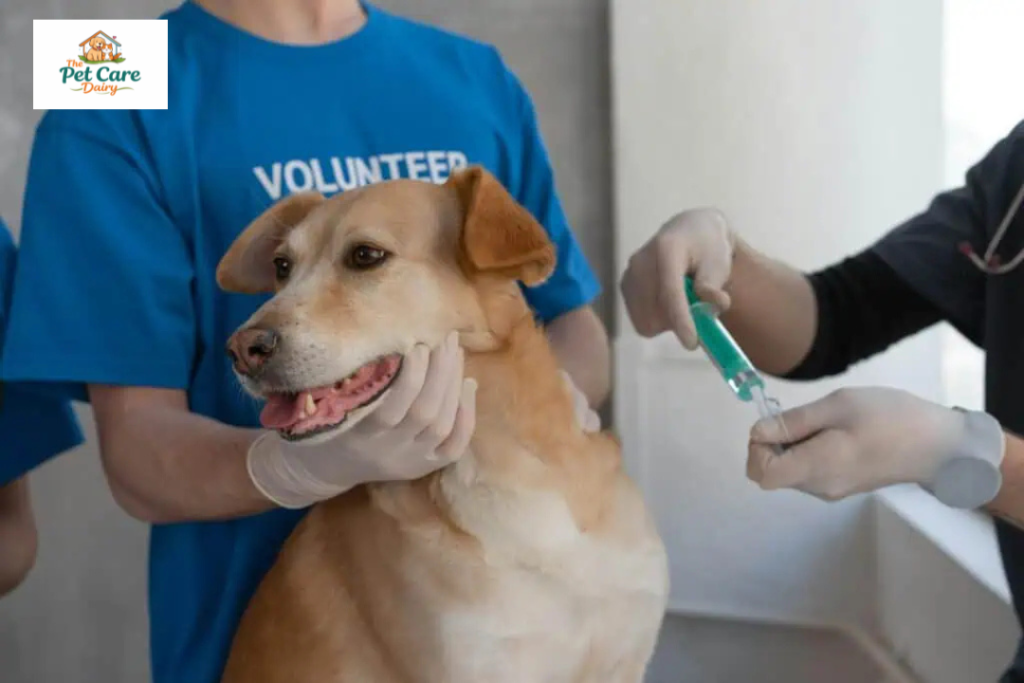
Modern veterinary care in 2026 also offers combination vaccines,
which protect against multiple diseases in a single shot, making the process more convenient and less stressful for pets. Pet owners are encouraged to stay updated with vaccination schedules, consult their veterinarians regularly, and maintain proper records. By taking these preventive steps seriously, you not only safeguard your dog’s health but also contribute to a safer and healthy environment for all animals and humans around you.
Another important aspect of the dog vaccination schedule in India (2026) is understanding that every dog may have slightly different needs based on factors such as breed, age, lifestyle, and environment. For example, dogs that travel frequently, stay in boarding facilities, or interact with other animals may require additional non-core vaccines for better protection. Similarly, dogs living in rural or high-risk areas may need extra care against infections like leptospirosis. This is why consulting a veterinarian for a personalized vaccination plan is always recommended rather than depending on a fixed schedule alone.
Pet owners should also focus on building a strong immune system besides vaccination. A nourishing diet, clean drinking water, regular exercise, and a stress-free environment all play a major role in helping vaccines work effectively. Vaccination works best when your dog is healthy, so maintenance overall wellness is equally important.
Vaccination is one of the most important steps in protecting your puppy from serious and potentially fatal diseases. In India, veterinarians recommend starting vaccinations as early as 6–8 weeks of age because puppies are highly vulnerable to infections such as Parvovirus, Distemper, Hepatitis, Parainfluence, Leptospirosis, and Rabies. A proper immunization schedule helps build immunity during the critical early months of life and significantly reduces the risk of disease. Rabies vaccination is particularly important in India, where rabies remains a major public health concern and regular vaccination is strongly recommended.
Most Indian veterinarians follow a structured puppy vaccination schedule beginning with the first DHPP or DHPpiL vaccine (often called the 7-in-1 or 9-in-1 vaccine) at 6–8 weeks of age. This vaccine protects against Distemper, Hepatitis, Parvovirus, and Parainfluence, with some versions also covering Leptospirosis. Booster doses are then administered every 3–4 weeks until the puppy reaches around 16 weeks of age. Rabies immunization is typically given between 12 and 16 weeks.
Apart from core vaccines,
some puppies may benefit from non-core vaccines depending on their environment and lifestyle. Dogs that visit boarding facilities, dog parks, grooming centres, or frequently interact with other dogs may be advised to receive protection against Bordetella (Kennel Cough), Canine Influenza, or additional Leptospirosis coverage. Your veterinarian can determine whether these vaccines are necessary based on your puppy’s risk factors.
Vaccination works best when combined with proper deworming, balanced nutrition, regular veterinary checkups, and a clean environment. Puppies should avoid public parks, unidentified dogs, and potentially contaminated areas until they have completed their primary vaccination series. This precaution helps minimize exposure to dangerous diseases during the period when immunity is still developing.
It is normal for some puppies to experience mild tiredness or soreness after vaccination, but serious reactions are unusual. If your pup develops severe swelling, difficulty breathing, persistent vomiting, or unusual symptoms after vaccination, contact your veterinarian immediately.
Vaccination is one of the most important investments you can make in your puppy’s health and well-being. Puppies are born with some protection from their mother’s milk, but this immunity slowly decreases within the first few weeks of life. As this natural protection fades, puppies become vulnerable to dangerous diseases such as Canine Parvovirus, Distemper, Infectious hepatitis, Parainfluenza, Leptospirosis, and Rabies. Many of these diseases can spread rapidly, are difficult to treat, and may even be fatal. Following a proper immunization schedule helps build strong immunity and provides long-term protection against these serious health threats.
In India, most veterinarians recommend starting puppy vaccinations between six and eight weeks of age. The first vaccination is usually a combination vaccine that protects against multiple diseases. Additional booster doses are then administered every few weeks because a puppy’s immune system is still developing and requires repeated stimulation to build stronger protection. Rabies vaccination is usually given between twelve and sixteen weeks of age and remains one of the most important vaccines due to the continued presence of rabies in many parts of India.
The first year of a puppy’s life is considered the most critical period for disease prevention.
During this stage, pet owners should closely follow veterinary recommendations regarding vaccination schedules, deworming programs, nutrition, and regular health checkups. Puppies should avoid contact with unidentified dogs, public parks, and potentially contaminated environments until their primary vaccination series is complete. This precaution significantly reduces the risk of exposure to contagious diseases while immunity is still developing.
Regular deworming is often performed sideways vaccinations because intestinal parasites can weaken the immune system and affect overall health. A healthy puppy responds better to vaccines and develops stronger immunity. Appropriate nutrition also plays an important role in supporting the immune system during this period. High-quality puppy food rich in protein, vitamins, and minerals helps support growth, development, and vaccine efficacy.
For more such pet care information, connect with us today: https://thepetcarediary.com