Shar-Pei Breed Growth & Weight Chart
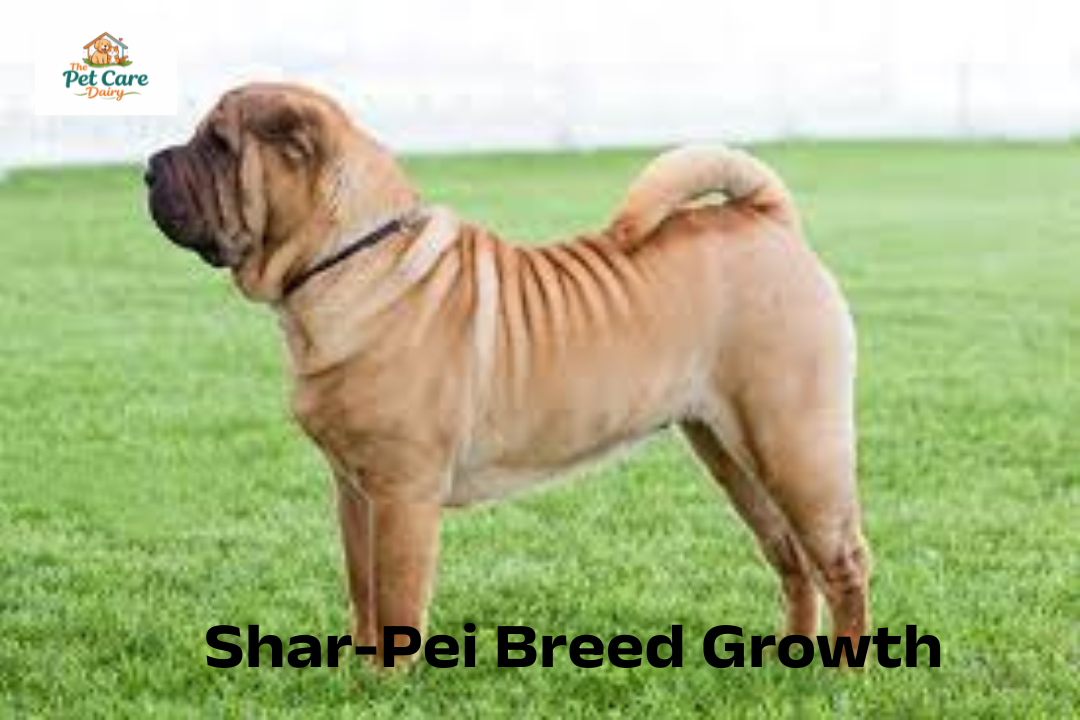
The Shar-Pei is a distinctive dog breed known for its deeply wrinkled skin and “hippopotamus face.” This dog breed originated in China and was used as a guard dog, and today, its faithful and independent nature makes it a beloved family pet. Besides their striking appearance, Shar-Peis are calm, confident, and dedicated, often forming deep bonds with their families. These qualities and their moderate size make them a popular choice for dog lovers.
However, like all dog breeds, Shar-Peis go through specific growth stages that owners must be aware of to ensure their proper development. Understanding Shar-Pei growth patterns, from puppyhood to adolescence, helps you monitor their health and size effectively. This article will dig deeper into these stages and cover common questions, such as how much to feed a puppy.
Male Shar-Pei Height and Weight Chart
Here is a chart for the average size of a Shar-Pei male from birth till three years.
Age (months)
Weight(lbs.)
Height (inches)
0
2-4
4-5
1
8-12
6-8
2
15-20
8-10
3
20-30
10-12
4
25-35
11-14
5
30-40
12-16
6
35-50
14-18
7
40-55
15-19
8
45-60
16-20
9
48-65
17-21
10
50-68
18-22
11
52-70
18-23
12
55-75
19-24
2 years
58-80
19-25
3 years
58-82
19-25
Female Shar-Pei Height and Weight Chart
Here is a chart for the average female Shar-Pai weight and height by age.
Age (Months)
Weight(lbs.)
Height (inches)
0
1.5-3.5
3.5-4.5
1
7-11
5-7
2
13-18
7-9
3
18-27
8-11
4
23-32
10-13
5
27-37
11-15
6
32-42
12-17
7
35-4 7
13-18
8
38-52
14-19
9
40-55
15-20
10
42-57
15-21
11
44-60
16-22
12
46-62
17-23
24
48-65
17-23.5
36
48-67
17-24
When does a Shar-Pei stop growing?
Whereas this may vary depending on the dog’s nutrition, exercise, and genetics, most Shar-Peis experience rapid growth within their first year. Their height stabilizes by the age of 12-18 months. You may notice some growth as your dog fills out and gains muscles until it is 2 or 3 years old. This growth stage is more about building strength rather than getting taller.
Some Shar-Peis may take slightly longer to reach their full adult size. Generally, by the age of 3 years, a Shar-Pei is completely grown in both height and muscle, with any further physical changes being minimal. Regular vet check-ups during this time can ensure healthy growth and catch any issues early.
How much bigger will my Shar-Pei get?
The answer to this question depends on your dog’s current age. If your Shar Pei is still under six months, expect significant growth over the next several months. Your furry friend will rapidly gain both height and weight during this time. The pace of growth slows between six and twelve months, but they’ll continue to develop, especially in muscle mass and body structure.
To gauge future growth, compare your dog’s present size to the average for its age. Remember that your dog’s weight is an important determinant of its health. So, always keep track of its growth regarding height, weight, and general body condition. If you notice anything unusual, consult a vet immediately.
What is the size of a full-grown Shar-Pei?
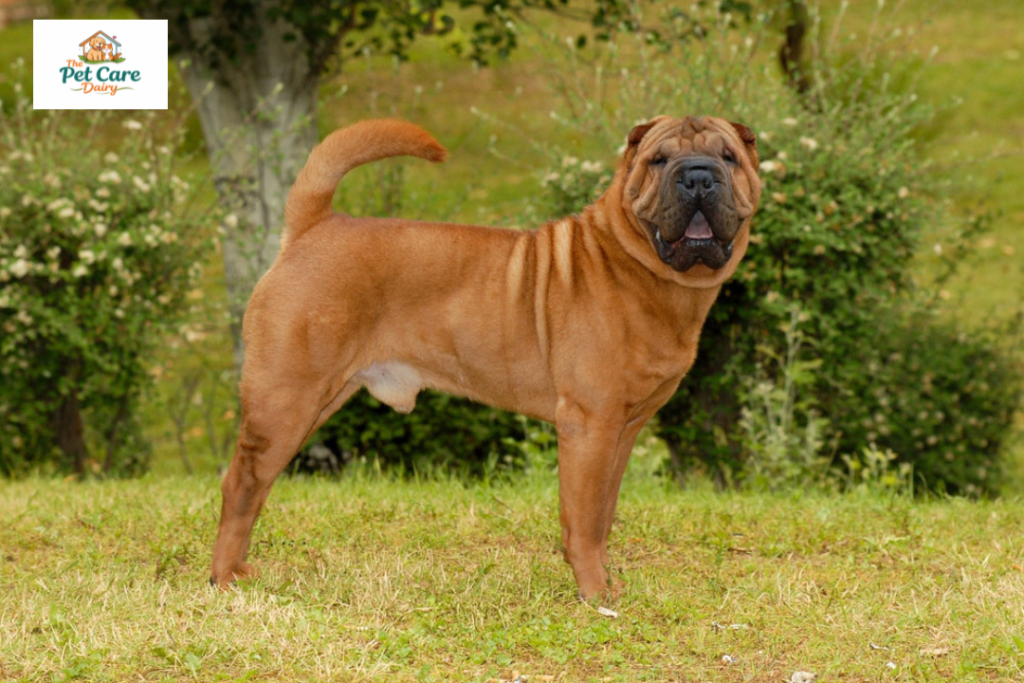
The average weight for a medium Shar-Pei is 40 to 60 pounds. Shar-Peis stand around 18 to 20 inches at the shoulder, giving them a solid but not excessively tall frame. A full-grown Shar-Pei is a medium-sized dog known for its sturdy and muscular build. Males and females share a compact, square-like body shape, but the exact size can differ slightly. Despite their moderate height, their broad chest, thick neck, and muscular legs give them a robust appearance.
One of the distinguishing features of a full-grown Shar-Pei is its skin. The loose, wrinkles that cover their body, especially on the face and neck, remain a defining characteristic throughout their adult life. Their coats, which come in various colors, are short and bristly.
How do I make sure my Shar-Pei is healthy?
While every dog grows differently, your responsibility as a Shar-Pei owner is to ensure it stays healthy. Here is how:
diet
Nutrition and wellness go hand in hand, so you must be eager on what you feed your dog. Invest in high-quality foods rich in all essential nutrients. Protein is a critical component for supporting muscle growth. Also, check if the foods contain fats for energy.
Note that as much as you may want your Shar-Pei to grow fast, do not overfeed it; be cautious, especially with carbohydrate intake, to reduce the risk of obesity. On the other hand, underfeed your Shar-Pei will increase the chances of heart disease.
exercise
Originally, Shar-Peis were bred for hunting and guarding livestock, so there is no doubt that these dogs are active and energized. But they still require regular walks and playtime to maintain their health. Regular exercise helps avoid obesity, which can lead to joint problems later in life.
skin care
Due to their wrinkles, Share-Peis are prone to skin, ear, and eye infections. Regularly clean and dry their skin folds to prevent moisture accumulation, which can lead to infections. The step can be done using delicate wipes designed for dogs or simply with a soft cloth and water.
veterinary visits
Regular check-ups with a vet are vital to monitoring your dog’s growth and overall health. Vaccinations, dental care, and flea/tick prevention should also be part of your dog’s healthcare routine. Your veterinarian will monitor your dog’s weight and check for signs of unhealthy weight gain, such as joint problems. The expert will then recommend adjustments to restore your dog’s health.
Ahead of your vet visits, we recommend investing in pet insurance for financial protection against unpredictable health issues in dogs, such as accidents and surgeries. Additionally, consider securing a wellness plan to help cover vet visit costs for essential services, such as vaccinations, vet examinations, microchips, and more.
Key Takeaways
The Shar-Pei is a unique and fascinating breed with distinctive growth patterns and care requirements. Understanding their growth stages, proper nutrition, and exercise needs will help ensure your Share-Pei develops into a healthy adult. Males and females reach full size between 18 months and 3 years, so it’s important to monitor their progress and provide the required care, especially for their skin.
The Chinese Shar-Pei is a unique and ancient dog breed renowned for its deep wrinkles, blue-black tongue, and loyal personality. Originally bred in China as a guard and working dog, the Shar-Pei is known for being intelligent, independent, and devoted to its family. Understanding your Shar-Pei’s growth stages can help ensure proper nutrition, exercise, and healthcare throughout puppyhood and adolescence.
Shar-Pei puppies grow rapidly during their first year. During the first few months, they develop stronger bones, muscles, and immune systems. Proper puppy nutrition is essential because this breed can be prone to certain health conditions, including skin issues and joint problems. Most Shar-Pei puppies reach their full height between 10 and 14 months, though they may continue gaining muscle and body mass until they are approximately 18 to 24 months old.
During the 2 to 4-month stage, Shar-Pai puppies experience fast growth and require high-quality puppy food rich in protein, calcium, and essential nutrients. Their wrinkles are often more noticeable during puppyhood and require gentle cleaning to prevent skin irritation. Early socialization is extremely important because Shar-Pesi can naturally be reserved around strangers.
Between 4 and 8 months, puppies become more active, confident, and curious.
This is an excellent time to concentrate on obedience training, leash manners, and positive social experiences. Consistent training helps prevent stubborn behavior later in life. Because Share-Peis are intelligent but independent thinkers, patience and positive reinforcement work best.
From 8 to 18 months, growth begins to slow as the dog approaches adult size. Muscle development continues, and the dog’s defensive instincts become more noticeable. Regular exercise, daily walks, and mental stimulation are important, but extreme high-impact activity should be avoided during periods of rapid growth to protect developing joints.
The Chinese Shar-Pei is one of the most recognizable dog breeds in the world, famous for its loose wrinkled skin, broad muzzle, and faithful personality. Originating in China over 2,000 years ago, the Shar-Pai was traditionally used as a guard dog, hunting dog, and farm companion. Today, it is admired for its unique appearance and strong bond with family members. While Shar-Peis may appear serious and reserved, they are deeply devoted to their owners and can be affectionate, calm, and protective companions when appropriately trained and socialized.
Shar-Pei puppies grow rapidly during their first year of life.
At birth, they are small and heavily wrinkled, but as they mature, some of the wrinkles slowly reduce while maintaining the breed’s signature appearance. During the first three months, puppies experience significant growth in bone density, muscle development, and immune system strength. Proper nutrition is especially important during this stage because growing puppies need high-quality protein, healthy fats, vitamins, and minerals to support healthy growth. Most veterinarians recommend feeding a premium puppy formula designed for medium-sized breeds.
Between three and six months of age, Shar-Pei puppies become increasingly active and curious. Their personalities begin to emerge, and owners may notice their natural independence and intellect. This is one of the most important socialization periods. Puppies should be introduced to different people, sounds, pets, and environments in a positive manner. Early socialization helps prevent timidity and encourages confidence as the dog matures. Consistent obedience training should also commence during this period because Shar-Peis can sometimes be stubborn if not properly guided.
As the puppy reaches six to twelve months of age, growth remains stable but begins to slow compared to earlier months. Most Shar-Peis reach their adult height by around one year of age, though they may continue gaining muscle mass and body weight until 18 to 24 months. During adolescence, owners should focus on maintaining a healthy weight because excessive weight gain can put additional stress on developing joints. Daily walks, modest exercise, and mental stimulation help support both physical and emotional well-being.
For more such pet care information, connect with us today: https://thepetcarediary.com