Dog Pooping Blood: Common Causes and What To Do
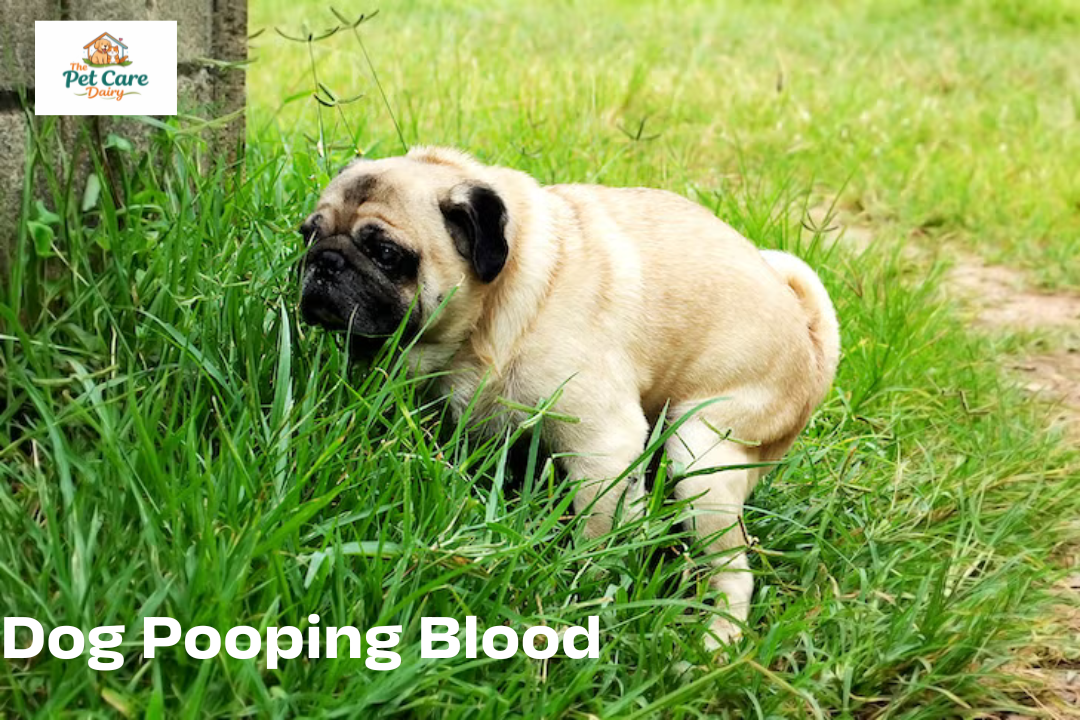
As a pet parent, it’s important to create a habit of checking your dog’s poop. Dog poop (or “stool”) can tell us a lot about a dog’s health. In fact, changes in colour, consistency, and frequency of your dog’s poop can be one of the first signs of illness.
One of the most worrying changes you may notice in your dog’s poop is the presence of blood. If your dog is pooping blood, it’s useful to know what to do and when to seek treatment.
The first thing your veterinarian will ask are questions aimed at figuring out what may have caused it.
Seeing blood in your dog’s poop is alarming, and it can be caused by several factors.
Eating Something Bad or a Switching to a New Food
Bloody poop in dogs can be a result of something affecting your pup’s digestive tract (this can occur anywhere in the stomach, small intestine, colon, or anal region).
Common conditions affecting the digestive tract (GI tract) include inflammation that’s called gastroenteritis, or acute hemorrhagic diarrhea syndrome (ADHS) when blood is also present.
Either of these can occur when your dog has eaten something they shouldn’t have, termed dietary indiscriminate. This can include non-food items, such as
Dog pooping blood is a serious health concern that should never be ignored, as it can indicate a range of underlying issues—from mild digestive upset to life-threatening diseases. Blood in a dog’s feces can appear as bright red (fresh blood, often from the lower digestive tract) or dark, tar-like stool (digested blood from the upper digestive tract). Common causes include intestinal infections, parasites (like worms), sudden dietary changes, food allergies, or ingestion of poisonous substances. However, more serious conditions such as Parvovirus, gastrointestinal ulcers, or internal injuries can also lead to bloody stool, especially in puppies or unvaccinated dogs.
Dogs suffering from this condition may show additional symptoms such as vomiting, diarrhea, weakness, loss of hunger, dehydration, or lethargy. In such cases, immediate veterinary attention is crucial, as delaying treatment can deteriorate the condition rapidly. Diagnosis may involve stool tests, blood tests, or imaging to identify the precise cause. Treatment depending on the underlying issue and may include medications, deworming, antibiotics, fluid therapy, or dietary adjustments.
Pet owners should never endeavor to treat this condition at home without professional advice. Keeping your dog hydrated, avoiding sudden food changes, maintaining proper sanitation, and following a regular vaccination and deworming schedule can help prevent such issues. Ultimately, early detection and timely veterinary care are key to ensuring your dog recovers quickly and remains healthy.
Dog Pooping Blood (bloody stool in dogs) is a serious and sometimes life-threatening condition that requires immediate attention, especially if it occurs repeatedly or is accompanied by other symptoms. Blood in a dog’s stool can appear in two main forms: bright red blood (hematochezia), which usually indicates bleeding in the lower intestines or rectum, and black, tarry stool (melena), which suggests bleeding in the upper digestive tract such as the stomach or small intestine. Understanding this difference helps veterinarians identify the possible cause more quickly.
There are many possible reasons why a dog may pass blood in its stool. Common causes include
intestinal infections, parasites (worms, protozoa), sudden diet changes, food intolerance, or eating spoiled or poisonous substances. Dogs that scavenge or eat garbage are especially at risk. However, more serious causes include Parvovirus, bacterial infections, hemorrhagic gastroenteritis (HGE), intestinal obstructions, tumors, or internal injuries. Puppies and unvaccinated dogs are at a much higher risk, especially from parvovirus, which can rapidly become fatal if not treated early.
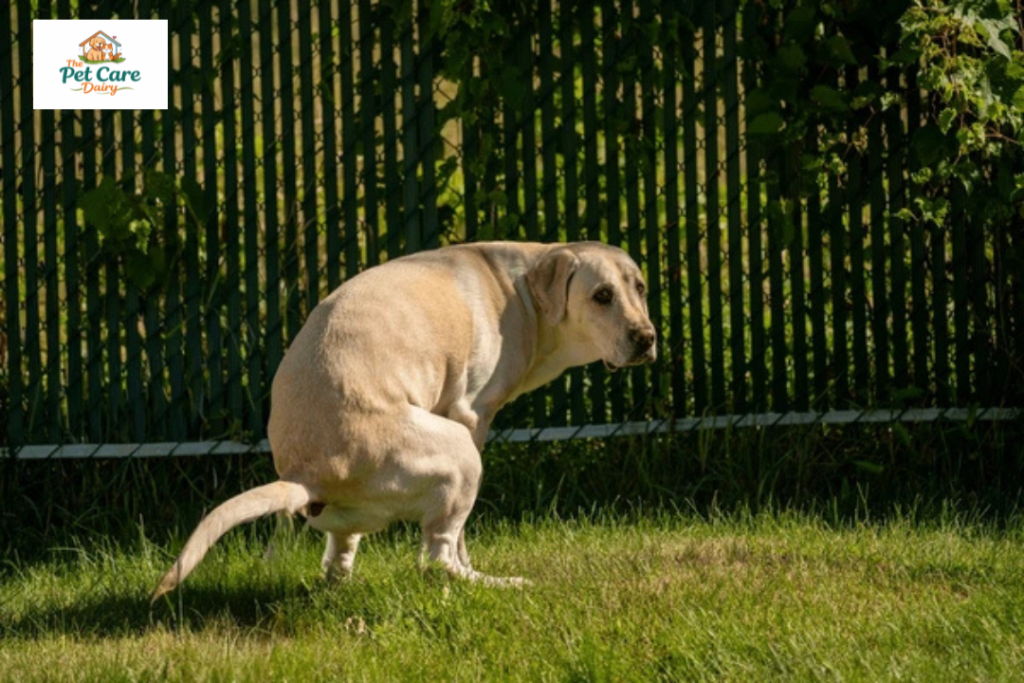
Symptoms that may accompany bloody stool include severe diarrhea, vomiting, weakness, dehydration, fever, abdominal pain, and loss of hunger. In serious cases, dogs may become lethargic, collapse, or show signs of shock due to fluid loss. If you notice these symptoms, it is a medical emergency and you should take your dog to a vet immediately. Early diagnosis can save your pet’s life.
Veterinarians typically perform diagnostic tests such as stool examination, blood tests, Treatment depends on the condition but may include IV fluids to treat dehydration, antibiotics for infections, deworming medication, anti-vomiting medications, probiotics, and special diets. In severe cases like parvovirus or intestinal obstruction, hospitalization and intensive care may be required.
At home, pet owners should never attempt self-medication, as giving the wrong treatment can aggravate the condition. Instead, concentrate on keeping your dog calm and hydrated until veterinary care is available. After treatment, a bland diet (like boiled chicken and rice) is frequently recommended to help the digestive system recover. Gradually reintroducing regular food is important to avoid further irritation.
Prevention plays a major role in avoiding this condition.
Always ensure your dog is completely vaccinated, regularly dewormed, and fed a consistent, high-quality diet. Avoid sudden food changes and keep harmful substances, garbage, and poisonous foods out of reach. Maintaining cleanliness in your dog’s living area and ensuring clean drinking water also reduces the risk of infections.
In conclusion ,dog pooping blood is not a normal condition and should never be overlooked. It can range from mild digestive upset to severe diseases that require immediate care. Quick action, proper veterinary treatment, and preventative care are the keys to protecting your dog’s health. Being alert to early warning signs can make a life-saving difference and ensure your furry companion stays safe, healthy, and happy.
Dog Pooping Blood is a condition that should always be treated as urgent, because it can quickly turn dangerous if neglected. Even if the amount of blood appears small, it may be an early warning sign of a deeper internal problem. In many cases, pet owners first notice soft stool mixed with streaks of blood or entirely watery diarrhea with a red or dark color. This can be particularly alarming in puppies, where dehydration and weakness can develop very fast within just a few hours.
One important thing to understand is that digestive issues in dogs can escalate rapidly. For example, something as simple as eating spoiled food or a sudden dietary change can irritate the intestines and cause bleeding. But at the same time, serious conditions like Parvovirus, severe bacterial infections, or intestinal damage can present with similar symptoms in the onset. This is why it is risky to assume it is a “minor problem” without proper diagnosis.
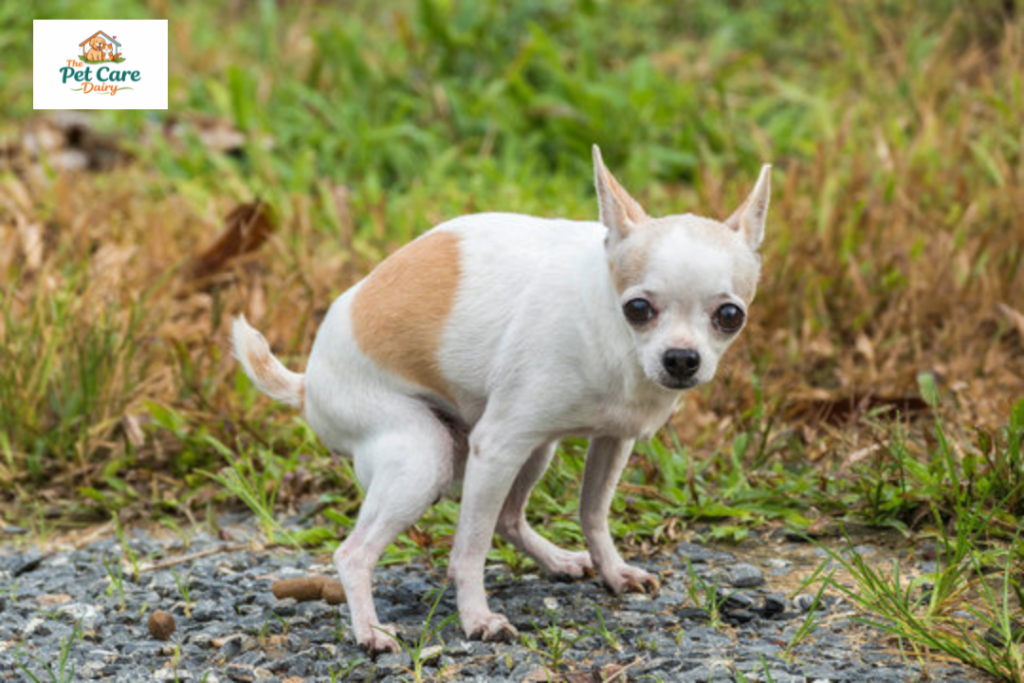
In emergency situations, vets often focus first on stabilizing the dog—this includes preventing dehydration through IV fluids, controlling vomiting, and preventing further infection. Dogs that receive early treatment usually recover quicker, while delayed treatment can lead to complications like organ failure or severe weakness. Recovery may take a few days to a few weeks depending on the cause and severity. During this time, giving appropriate rest, prescribed medication, and a light diet is very important.
After recovery, pet owners should be extra careful for a few weeks.
Avoid giving heavy, oily, or outdoor food. Stick to easily digestible meals and gradually return to the normal diet. Keep monitoring stool condition, energy level, and appetite. If symptoms return, immediate re-check with a veterinarian is necessary.
Seeing blood in your dog’s stool can be alarming for any pet owner. While some causes may be comparatively minor, others can indicate serious health problems that require immediate veterinary attention. Blood in a dog’s stool can appear as bright red streaks, known as hematochezia, or as dark, black, tar-like stool, known as melena. The color and appearance of the blood can help veterinarians determine where the bleeding is occurring within the digestive system. Understanding the potential causes and knowing when to seek professional help can make a significant difference in your dog’s health and recovery.
One of the most common causes of bloody stool in dogs is gastrointestinal irritation. This may occur if a dog eats spoiled food, garbage, foreign objects, poisonous substances, or foods that do not agree with its digestive system. Sudden dietary changes can also upset the stomach and intestines, leading to swelling and bloody diarrhea. Mild cases may resolve quickly, but persistent symptoms should always be assessed by a veterinarian.
Intestinal parasites are another frequent cause of blood in a dog’s stool.
Worms such as hookworms, whipworms, and roundworms can harm the intestinal lining, causing bleeding and digestive upset. Puppies are especially vulnerable to parasite infections, making routine deworming and veterinary checkups essential for preventive care.
Bacterial and viral infections can also lead to bloody stools. Conditions such as Parvovirus, Salmonella, Campylobacter, and other gastrointestinal infections can cause severe diarrhea, vomiting, dehydration, and blood loss. Parvovirus is particularly dangerous in puppies and unvaccinated dogs and requires immediate veterinary treatment.
Food allergies and food intolerances may contribute to chronic digestive inflammation that results in blood in the feces. Some dogs develop sensitivities to specific proteins, cereals, or ingredients, leading to recurring gastrointestinal symptoms. Identifying and eliminating the trigger often helps resolve the problem.
Stress can sometimes affect a dog‘s digestive system as well. Major changes such as travel, boarding, moving to a new home, or changes in routine may contribute to stress-related colitis, which can cause mucus and small quantities of bright red blood in the stool. While often temporary, persistent symptoms should still be discussed with a veterinarian.
More serious causes include inflammatory bowel disease (IBD), stomach ulcers, intestinal obstructions, bleeding disorders, tumors, and certain cancers affecting the digestive tract. These conditions often require advanced diagnostic testing and long-term medical management. Older dogs may be at higher risk for some of these more serious underlying diseases.
For more such pet care information, connect with us today: https://thepetcarediary.com