Pet Lifestyle Trends 2026: How Modern Pet Products Are Designed to With Us
Pet care is expanding beyond wellness.
Pet lifestyle trends in 2026 reflect a shift toward modern pet accessories, elevated homeware, and design-led products that seamlessly integrate into everyday life. From dog walking equipment to feeding accessories, pet parents are choosing pieces that align with how they live and style their homes.
The same care and intention shaping how we feed, support, and look after our pets is now shaping how they live with us – at home, on walks, and in daily life.
In 2026, pet lifestyle is becoming calmer, more considered, and more integrated into how we already live. Here are the shifts shaping modern pet living.
Cloud Dancer Sets the Tone\
Pantone’s Color of the Year for 2026, Cloud Dancer, marks a cultural shift towards calm, softness, and clarity.
That influence is showing up in pet accessories too – with collars, leads, beds, and bowls moving into soft off-whites, warm neutrals, and mutated palettes that feel like a blank canvas rather than a statement.
Pet products are increasingly chosen the same way interiors and clothing are: for how they make a spatial feel.
Hands-Free Walking Becomes the Default
Dog walking gear is no longer just functional – it’s wearable.
Crossbody and adjustable leads are becoming daily essentials, designed to move with you and sit comfortably as part of what you’re already wearing. Practical, yes – but also effortless and considered.
Walking accessories are now designed with both ends of the lead in mind.

Home-Worthy Bowls and Feeding Accessories
Feeding accessories are no more tucked away between meals.
Ceramic bowls, sculptural shapes, and calm finishes are designed to live out in the home – sitting comfortably in kitchens and living spaces rather than being hidden away.
Meals have become part of the home aesthetic.
Pets That Fit Your Aesthetic
Pet accessories are increasing chosen to align with an owner’s personal style.
Matching leads and collars, coordinated colourways, and thoughtfully designed sets make it easier for pets to visually feel part of everyday life – rather than a separate category altogether.
Pet style is becoming an extension of how we already dress and design our houses.
Natural Materials, Elevated
Material selection is becoming a key quality signal.
Wool, organic cotton, leather, and other natural fabrics are taking precedent – valued for their texture, durability, and tactility. These materials feel warmer, more considered, and designed to age well over time.
The focus is shifting toward pieces that feel good to live with, not just good to purchase.

A Wider Expression of Care
These lifestyle changes aren’t about trends for their own sake.
They reflect a broader mindset change – where pet care is integrated into how we live, design our spaces, and move through daily life.
That’s the lens we heal through at Reva: calm, considered pieces chosen with intention, and always with the best for your pets in mind.
In 2026, pet ownership is no longer just about care and companionship—it has evolved into a completely integrated lifestyle. Modern pet products are now carefully designed to blend seamlessly into human living spaces, reflecting how deeply pets have become part of the family. From designer pet furniture to intelligent feeding systems, today’s pet industry focuses on functionality, aesthetics, sustainability, and technology. The shift is clear: pet products are no longer hidden in corners; they are intentionally created to complement modern houses.
One of the most noticeable trends this year is the rise of multi-functional pet furniture. Pet beds now resemble stylish home décor pieces, matching couches and interior color palettes. Cat trees are designed as minimalist wooden shelves that double as wall art. Dog crates are crafted to look like stylish side tables. This reflects a greater change in consumer demand—pet parents want products that enhance their home’s appearance rather than disrupt it. The concept of “pet-friendly interior design” has become mainstream.
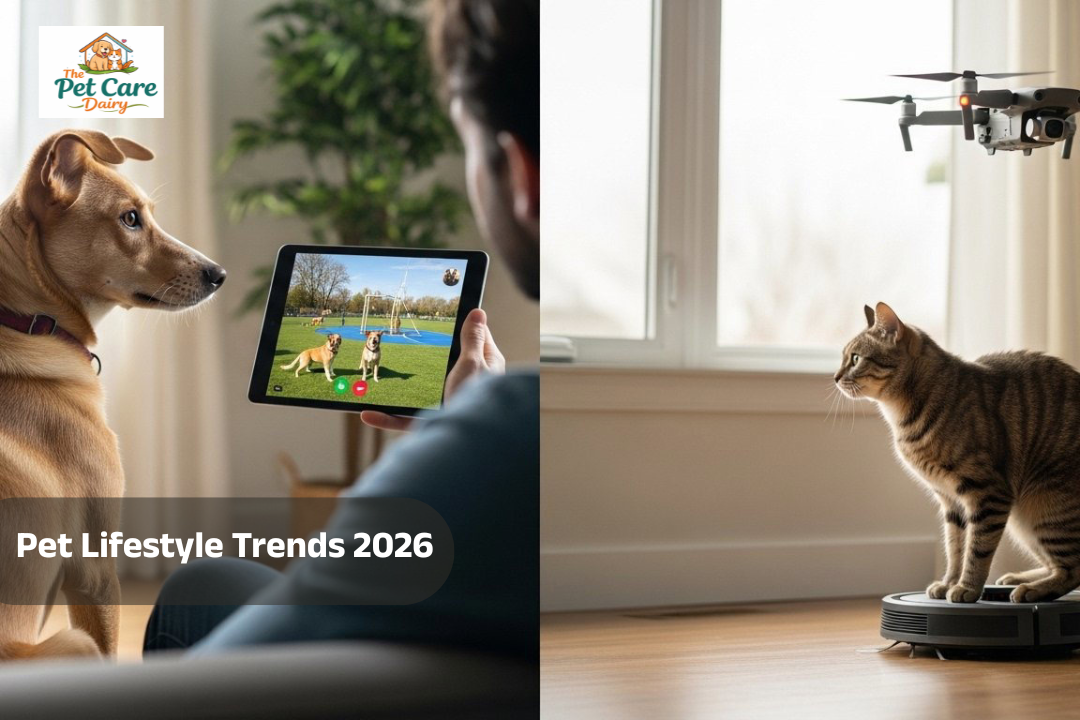
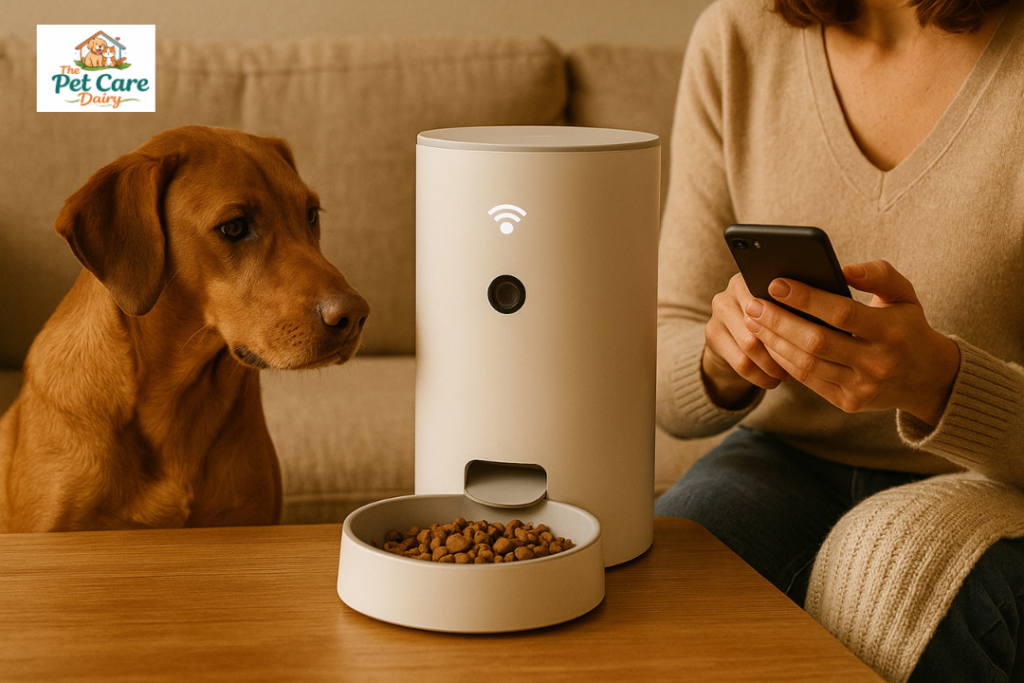
Technology integration is another defining feature of 2026 pet lifestyle trends. Smart feeders with app controls, automatic litter boxes, GPS tracking collars, and health-monitoring wearables are now common in urban homes. These products not only provide convenience but also offer real-time insights into pets’ health and activity levels. Many devices sync with smartphones, enabling owners to track feeding schedules, sleep patterns, and exercise routines even while away from home. Technology is transforming pet care into a data-driven experience.
Sustainability has also become a strong priority. Modern pet brands are increasingly offering eco-friendly toys made from recycled materials, biodegradable trash bags, organic grooming products, and sustainable packaging. Pet parents are more environmentally aware than ever and prefer products that align with green living values. In 2026, responsible sourcing and ethical manufacturing are influencing buying decisions just as much as price and brand reputation.
Another significant shift is the humanization of pets. Customizable accessories, premium fashion items, orthopedic mattresses, and spa-grade grooming kits reflect how pets are treated like lifestyle companions. Subscription boxes tailored to breed size and nutritional needs are also gaining popularity. Pet products are now designed with both comfort and customization in mind, ensuring each pet’s unique needs are met.
Urban living has influenced design innovation as well. With smaller apartments becoming more popular, compact and space-saving pet products are in demand. Foldable feeding stations, collapsible travel carriers, and modular play structures help maximize limited space without compromising pet convenience. Designers are carefully balancing practicality with style.
Ultimately, the emotional bond between humans and pets continues to shape product development. Calming diffusers, anxiety-reducing beds, enrichment toys, and interactive play systems emphasize the growing focus on mental wellness. Modern pet care goes beyond physical health—it prioritizes emotional stability and enrichment as well.
In 2026, pet lifestyle trends show a clear message:
pets are not just living in our homes—they are living with us, as integrated members of our everyday routines and design choices. The future of pet products lies in smart innovation, sustainability, comfort, and seamless home integration, reflecting the profound and evolving bond between people and their pets.
The way people care for and live with their pets is changing dramatically in 2026. Pets are no longer viewed merely as animals living in the home—they are increasingly considered full family members whose health, comfort, happiness, and emotional well-being are top priorities. This shift has created a new generation of pet parents who are investing more time, money, and attention into creating enriched lifestyles for their dogs, cats, and other companion animals. As technology, wellness culture, sustainability, and individualization continue to grow, pet lifestyle trends are reshaping the global pet industry and redefining what responsible pet ownership looks like.
One of the biggest lifestyle trends in 2026 is the continued rise of pet humanization. More owners are treating pets similarly to family members, influencing everything from nutrition and healthcare to traveling and home design. Premium food, luxury bedding, wellness products, personalized accessories, and pet-friendly living spaces are becoming increasingly common. Pet owners are focused not only on survival and basic care but also on quality of life, comfort, and emotional fulfillment. Industry reports show that spending on wellness-related pet products continues to increase as owners prioritize long-term health and happiness.
Personalized nutrition has become a major part of modern pet lifestyles.
Instead of purchasing generic food, many owners now choose customized diets based on breed, age, activity level, allergies, and health conditions. Advances in pet nutrition allow customized meal plans designed to improve digestion, support immune health, maintain ideal weight, and increase longevity. Wellness-focused pet foods featuring functional ingredients, probiotics, and targeted supplements are becoming increasing popular among health-conscious pet parents.
Technology is playing an increasingly important role in everyday pet life. Smart collars, GPS trackers, activity monitors, health-tracking wearables, automatic feeders, and pet cameras are helping owners remain connected with their pets even when away from home. Artificial intelligence is also being integrated into pet care products, allowing owners to monitor behavior, activity patterns, sleep quality, and health indicators in real time. These innovations are making pet care more personalized, active, and data-driven than ever before.
Mental wellness and richness have become central priorities in 2026. Pet owners are increasingly aware that emotional health plays a major role in overall well-being. Enrichment-focused products such as puzzle feeders, interactive toys, scent games, snuffle mats, and training activities are helping pets remain mentally stimulated and emotionally balanced. Many specialists now consider enrichment an essential part of daily pet care rather than an optional luxury. This trend is particularly strong among dog owners who want to reduce boredom, anxiety, and behavioral issues.
Pet-friendly travel is another growing lifestyle trend.
More families are planning holidays, road trips, and weekend getaways that include their pets. Hotels, airlines, restaurants, and travel services are increasingly adapting to meet the needs of pet owners. In countries such as India, travel decisions are increasing being influenced by pet-friendly accommodations and experiences, reflecting the stronger emotional bond between pets and their families.
Sustainability continues to influence purchasing decisions throughout the pet industry. Environmentally aware consumers are looking for eco-friendly products such as biodegradable waste bags, sustainable toys, recyclable packaging, responsibly sourced ingredients, and alternative protein sources. Many pet brands are responding by developing products designed to reduce environmental impact while maintaining quality and safety. Sustainability is rapidly becoming an expectation rather than a niche preference among modern pet owners.
The concept of wellness is also expanding beyond conventional veterinary care. Pet wellness now includes supplements, gut health support, dental care, skin and coat treatments, fitness programs, behavioral support, and preventative healthcare. Many owners are investing in proactive wellness routines designed to improve longevity and reduce the risk of future health problems. Industry reports indicate that health and fitness remain some of the largest areas of pet-related spending worldwide.
For more such pet care information, connect with us today: https://thepetcarediary.com