Pets are replacing children! These are the reasons why Indians are turning to pet parenting
The pet care industry is booming in India, the biggest reason for which is the changing priorities of affluent Indians living in cities. Smaller families and loneliness are driving the rise of the pet care economy.
Now in India, many people do not see pets as mere house guards but they are being seen as family members. Especially in the case of…
In recent years, India has witnessed a noticeable shift in family structures and lifestyle choices. Many young couples and individuals are choosing to become “pet parents” rather than traditional parents. Whereas pets were once considered companions or household guards, they are now increasingly treated as full family members. This cultural change reflects developing social values, economic realities, and emotional needs in modern Indian society.
One major reason behind the rise of pet parenting is the high cost of raising children.
Education, healthcare, housing, and everyday expenses have become significantly more costly in India’s urban areas. For some couples, raising a child requires a long-term financial commitment that can be difficult to manage. Pets, on the other hand, provide companionship and emotional fulfillment while typically requiring fewer financial resources compared to raising a child.
Another important factor is changing lifestyle priorities among younger generations, especially Millennials and Gen Z. Many young professionals today focus on career growth, personal freedom, travel, and flexible lifestyles. Having a child frequently requires major lifestyle adjustments, while caring for a pet can provide emotional satisfaction with more flexibility. This trend reflects wider social changes where parenthood is increasingly seen as a choice rather than an expectation.

Urbanization and the rise of nuclear families have also contributed to the popularity of dog parenting. In many Indian cities, people live away from extended family members and may experience isolation or stress due to busy work schedules. Pets can help fill this emotional gap by offering companionship, affection, and comfort. Studies and surveys have shown that interacting with pets can reduce stress, improve mental well-being, and even promote healthier daily routines.
Another reason is the growing concept of “pet humanization.”
Today, pets are often treated similarly to children—celebrating birthdays, purchasing special food, toys, and clothing, and even taking them on vacations. This change in perception has turned pet ownership into pet parenting, where animals are viewed as emotional family members rather than simply pets. As a result, India’s pet population and pet care industry have grown rapidly over the past decade.
Environmental concerns and awareness about overpopulation also influence some couples’ decisions. Some young Indians believe that having fewer children can help reduce environmental pressure and resource consumption. Instead, they choose to adopt pets, especially saved animals, and provide them with loving homes.
However, experts stress that while pets can bring immense joy and emotional support, they do not fully replace children. The responsibilities and relationships are different. Pet parenting simply reflects a wider cultural transformation where people redefine family and companionship in ways that suit their lifestyle and values.
The rise of pet parenting in India highlights how society is evolving. Changing economic conditions, shifting priorities, and a stronger focus on emotional well-being are encouraging many people to form deeper relationships with animals. Whether as companions, emotional support partners, or beloved family members, pets are becoming an important part of modern Indian families.
Another important factor behind the increasing trend of pet parenting in India is the emotional comfort pets provide in stressful modern lifestyles. Urban life often brings long working hours, heavy traffic, and increasing work pressure. Many people return home feeling tired and mentally drained. Pets provide unconditional love and companionship that can significantly improve mental well-being. Studies have shown that spending time with animals can reduce stress, lower blood pressure, and increase emotions of happiness. For many young professionals, a pet becomes a source of emotional stability and daily joy.
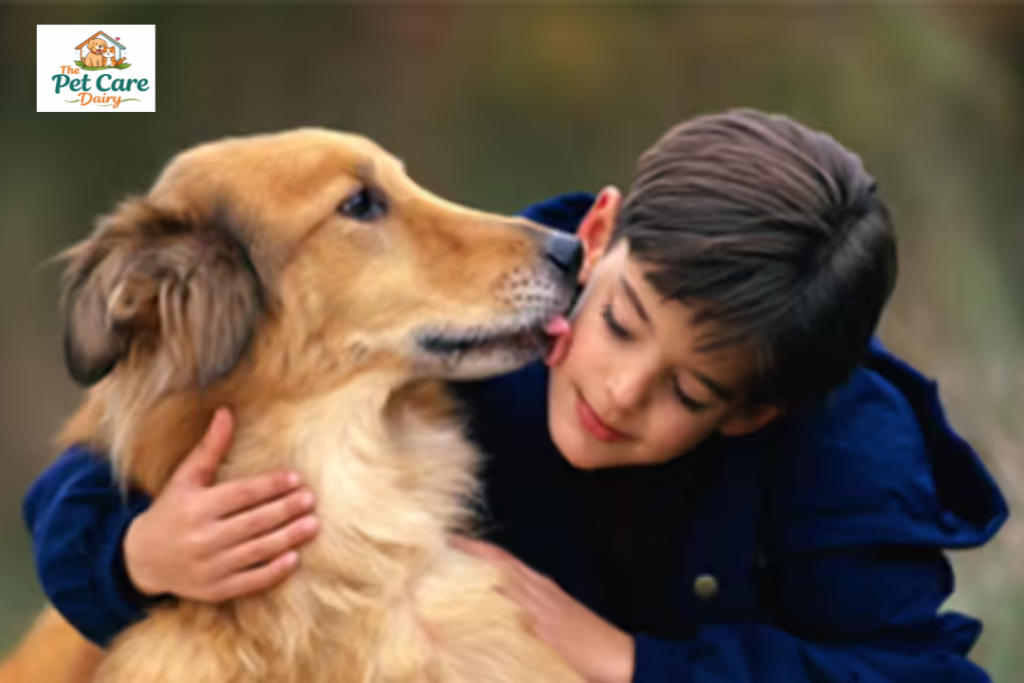
The rise of pet-friendly culture in Indian cities has also contributed to this shift.
Many cafes, parks, housing societies, and even workplaces are becoming pet-friendly, letting people to integrate pets into their everyday lives more easily. Pet grooming salons, veterinarian clinics, pet daycare centers, and pet boarding services have become more common in urban areas. This expanding ecosystem makes it easier for pet parents to provide proper care while managing their hectic schedules.
Social media has also played a significant role in promoting pet parenting. Platforms like Instagram and YouTube are filled with accounts dedicated to pets, showcasing their personalities, activities, and daily regimens. Many pets have even become internet celebrities with thousands of fans. This digital exposure encourages people to see pets not just as animals but as lovable companions that bring joy and entertainment into their lives.
Another reason behind this trend is the increasing awareness of animal adoption and rescue programs. Many animal welfare organizations in India encourage people to adopt stray dogs and cats rather than buying expensive breeds. As awareness grows, more individuals and couples are choosing to adopt rescued animals and provide them with loving homes. This not only improves the lives of abandoned animals but also creates meaningful emotional bonds between humans and pets.
Moreover, pet parenting offers a sense of responsibility and nurturing without the long-term
commitments associated with raising children. Taking care of a pet involves feeding, grooming, training, and providing medical care. These responsibilities allow people to experience nurturing and comradeship while maintaining flexibility in their personal and professional lives.
India’s pet care industry is growing rapidly as a result of this trend. Pet food brands, veterinary services, pet insurance, and specialized pet products are expanding throughout the country. Many companies now design products specifically for pet comfort, health, and lifestyle, reflecting the increasing significance of pets in modern households.

In conclusion, the rise of pet parenting in India reflects changing social dynamics and lifestyle priorities. While pets cannot replace the role of children, they provide companionship, emotional support, and happiness that many people value deeply. As urban living continues to evolution, pets are likely to remain an important part of family life for many Indians.
In recent years, a notable social trend has emerged across many parts of the world: more people are choosing to have pets instead of children or are delaying parenthood while investing heavily in their animal companions. By 2026, this phenomenon will become a significant topic of discussion among sociologists, economists, pet industry experts, and family researchers. While pets can never literally replace children, many individuals and couples are increasingly treating their dogs, cats, and other companion animals as central members of the family, often dedicating substantial time, attention, and financial resources to their care and well-being.
Several factors are contributing to this trend.
One of the most common reasons is the rising cost of living. Housing expenses, education costs, healthcare, and childcare expenses have increased significantly in many countries, making parenthood a more complex financial decision. For some individuals and couples, caring for a pet provides companionship and emotional accomplishment without the long-term financial commitments associated with raising children.
Lifestyle preferences are also playing a major role. Many young adults prioritize career development, travel, personal independence, and flexible living arrangements. Pets often fit more easily into these lifestyles than the responsibilities of parenthood. While pet ownership requires commitment, it generally offers greater flexibility than raising children, allowing people to maintain certain lifestyle choices while still enjoying companionship and emotional connection.
Another important factor is changing social attitudes toward family structures. Modern families come in many forms, and society is increasing accepting diverse lifestyle choices. Some people choose to remain child-free by preference, while others delay having children until later in life. In many cases, pets become an important source of attachment, companionship, and daily routine during these periods.
The emotional bond between humans and pets has also strengthened significantly. Advancements in veterinary care, pet nutrition, training, and animal behavior research have helped owners better understand and connect with their pets. Many dogs and cats are now viewed not simply as animals but as beloved family members. This shift has fueled the growth of premium pet products, pet insurance, luxury pet services, specialty healthcare, and even pet-friendly travel experiences.
Social media has further amplified the trend. Pet-focused content attracts millions of audiences worldwide, and many pets have become internet celebrities with large followings. Owners frequently share photos, videos, and daily experiences involving their pets, reinforcing the perception of animals as important family companions. The increasing visibility of pet-centered lifestyles has helped normalize and popularize this way of living.
However, experts emphasize that pets and children fulfill different roles in people’s lives.
While pets can provide companionship, emotional support, and unconditional attachment, the experience of raising a child involves different responsibilities, relationships, and life experiences. The decision to have children, pets, both, or neither is deeply personal and influenced by personal goals, values, financial circumstances, and lifestyle preferences.
The economic impact of this trend is substantial. The global pet industry continues to expand rapidly, with increasing demand for premium food, wellness products, healthcare services, technology, training, and luxury experiences. Businesses are responding by offering more personalized products and services designed to meet the evolving expectations of modern pet owners.
For more such pet care information, connect with us today: https://thepetcarediary.com