Military Dog Care in 2026: Complete Guide to Caring for Working Dogs
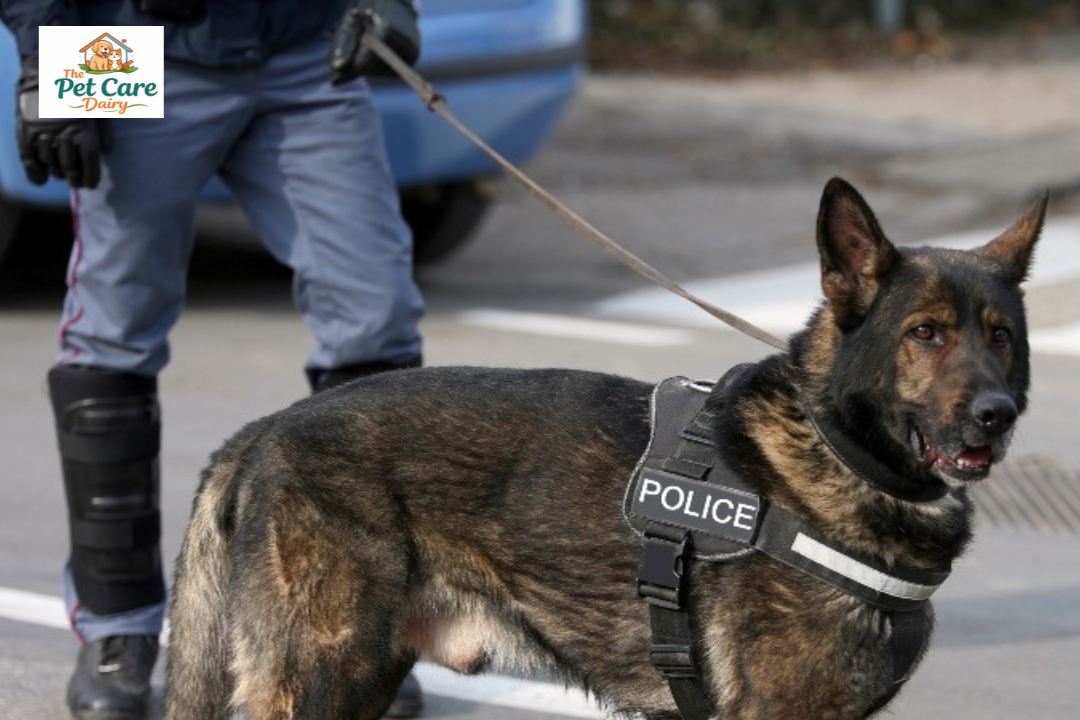
Military dogs, also known as working dogs or K9 units, play a crucial role in defense and security operations around the world. These highly trained dogs assist in tasks such as explosive detection, patrol duties, search and rescue, and tracking. Because of their demanding roles, military dog care in 2026 has become highly advanced, focusing on physical fitness, mental well-being, proper nutrition, and strong bonding with handlers.
Understanding Military Dogs
Military dogs are not ordinary pets—they are specially trained professionals. Breeds like German Shepherds, Belgian Malinois, and Labrador Retrievers are commonly used because of their intellect, strength, and strong work drive. Each dog is carefully selected and trained based on its disposition, energy level, and ability to handle stress.
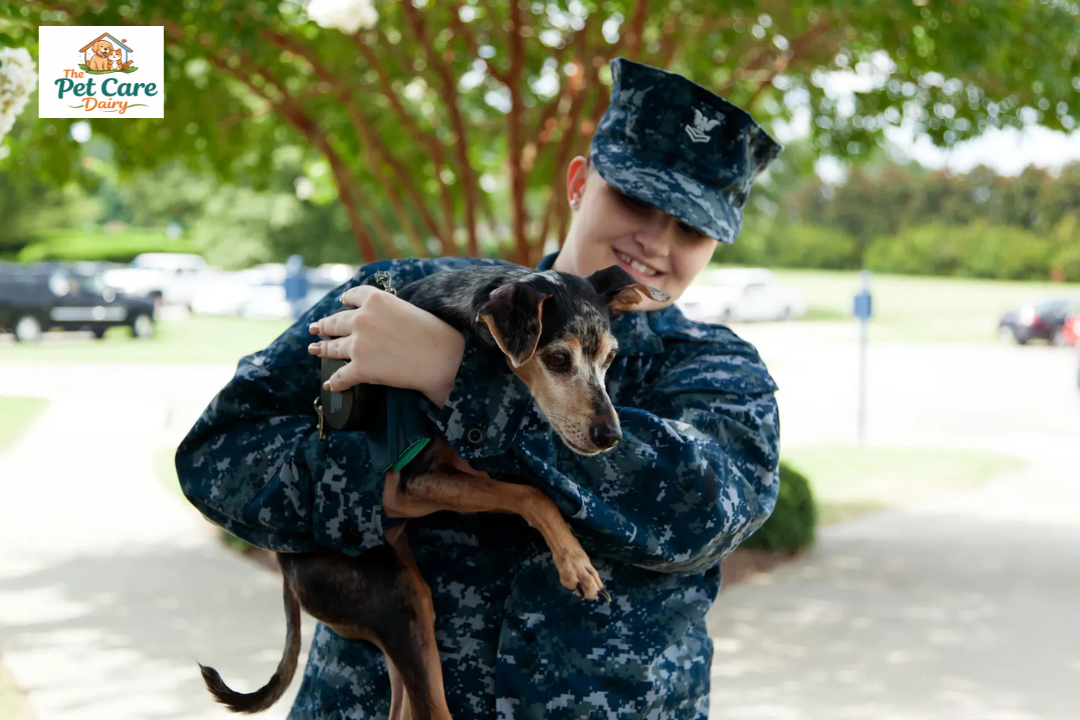
These dogs form deep bonds with their handlers, who are responsible not only for training but also for daily care. This relationship is essential for trust, communication, and effective performance in high-pressure circumstances.
Nutrition and Diet
Proper nutrition is important for maintaining the strength and stamina of military dogs. In 2026, their diets are carefully planned by veterinary experts and frequently include high-protein food to support muscle development and energy levels. Meals typically consist of premium commercial dog food combined with supplements that support joint health, digestion, and immune.
Hydration is equally important, especially during intensive physical activities or operations in hot climates. Military units ensure that dogs have access to clean water at all times to prevent dehydrated.
Physical Fitness and Training
Military dogs undertake strict physical conditioning programs to maintain peak performance. Daily routines include running, obstacle courses, agility drills, and strength training exercises. These activities improve stamina, flexibility, and speed, allowing dogs to perform tasks efficiently in various environments.
Training is continuous, even after dogs are completely qualified. Regular practice ensures that their skills remain sharp and up to date. This includes aroma detection exercises, tracking drills, and controlled simulations of real-life missions.
Mental Stimulation and Emotional Health
Mental health is just as important as physical health for military dogs. They are exposed to stressful and high-risk environments, so maintaining emotional balance is necessary. Trainers use interactive exercises, aroma games, and problem-solving tasks to keep their minds active.
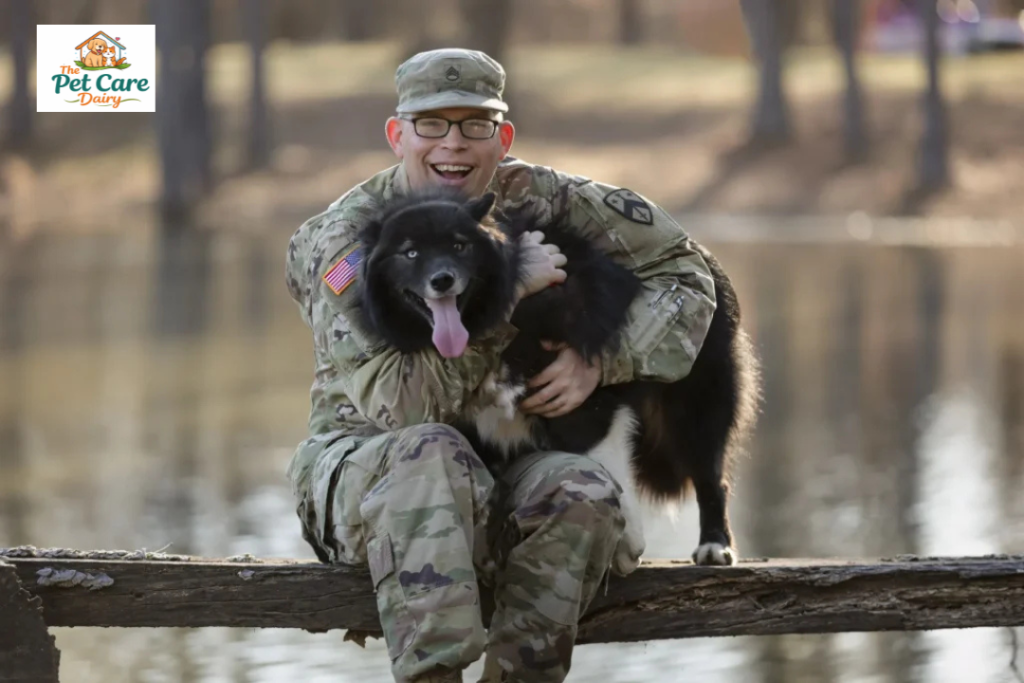
Handlers also spend quality time with their dogs outside of training sessions. Playtime, relaxation, and bonding activities help reduce stress and strengthen the dog–handler relationship.
Veterinary Care and Medical Support
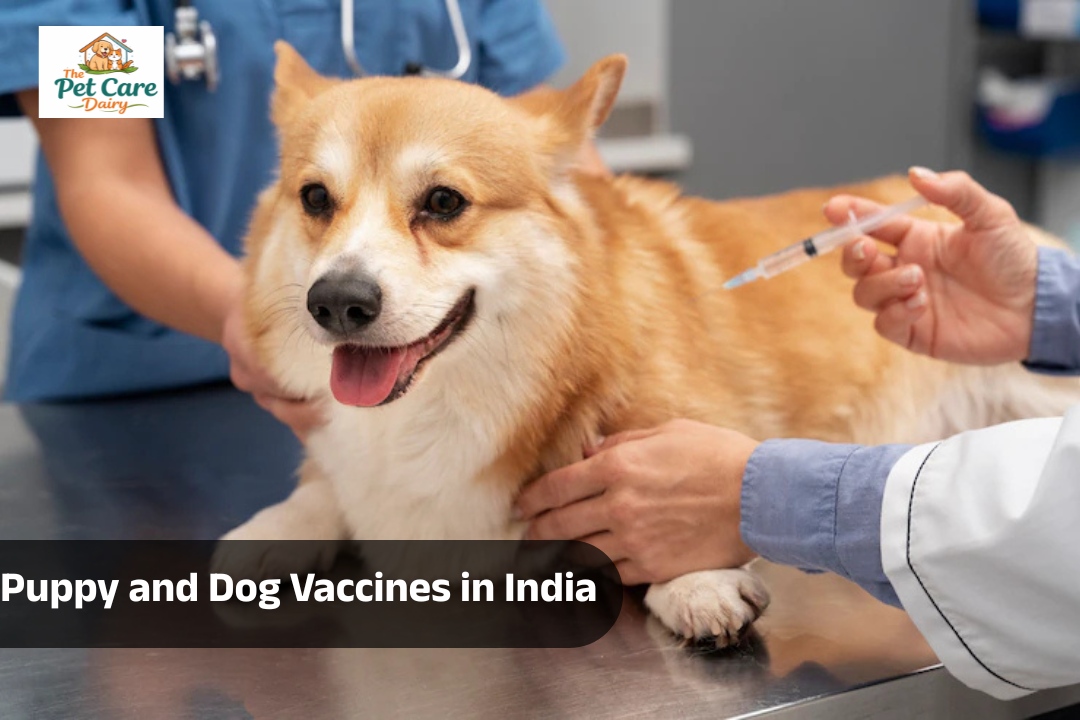
Military dogs receive top-level veterinary care. Routine health checkups, vaccinations, dental care, and parasite prevention are all part of their routine. Advanced medical facilities are frequently available to treat injuries or health conditions quickly.
In 2026, many military units also use psychotherapy and rehabilitation programs, including hydrotherapy, to help dogs recover from injuries and maintain mobility.
Climate and Environmental Care
Military dogs frequently work in extreme conditions, including hot deserts, cold mountains, and humid regions. Special care is taken to protect them from environmental stress. Cooling vests, protective shoes, and insulated shelters are used to ensure their comfort and safety.
Handlers are trained to monitor signs of heat stress, fatigue, or discomfort, allowing them to react quickly and protect the dog’s health.
Safety Equipment and Technology
Modern military dog care includes the use of advanced equipment such as protective vests, GPS tracking collars, and communication systems. These tools enhance the safety and efficiency of dogs during operations.
Some units also use wearing technology to monitor vital signs such as heart rate, activity level, and stress indicators. This data helps handlers make informed decisions about the dog’s workload and health.
Continuous Development and Discipline
Military dogs are trained to follow commands with precision and discipline. Constant training ensures they remain obedient, focused, and responsive even in dangerous situations. Positive reinforcement techniques are widely used to maintain motivation and confidence.
Retirement and Aftercare
After years of committed service, military dogs are retired and given proper aftercare. In 2026, there is increased awareness regarding the welfare of retired working dogs. Many are adopted by their handlers or loving families, where they can live a peaceful and cozy life.
Retired dogs frequently receive continued medical care, proper nutrition, and emotional support to ensure they enjoy their post-service years.
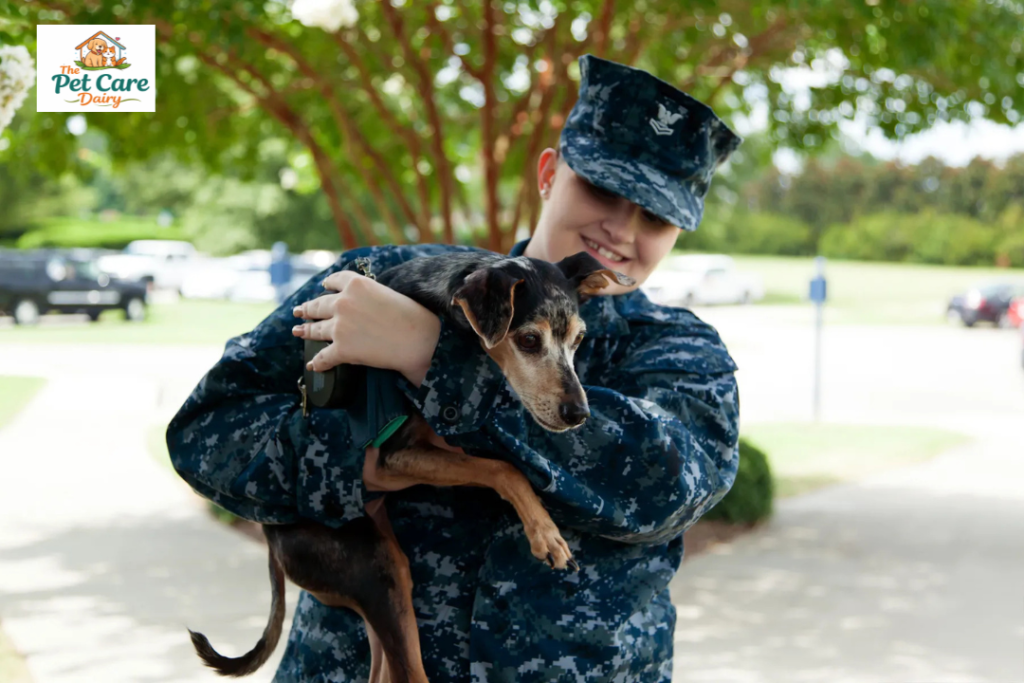
dvanced bonding between handler and dog
One of the most important aspects of military dog care is the strong bond between the dog and its handler. In 2026, this relationship is treated as a partnership based on trust, communication, and daily interaction. Handlers spend most of their time with their assigned dogs—not only during training and missions but also during rest periods. This constant interaction helps the dog understand teams more clearly and respond quickly in critical situations. A well-bonded dog-handler team performs more effectively because the dog feels safe and confident while working.
Selection and Early Training Process
Military dogs are carefully selected from a young age based on their disposition, intelligence, and physical ability. Puppies go through early assessment programs where trainers observe their behavior, curiosity, confidence, and response to stimuli. Only dogs that show strong working potential move forward into advanced training. Early training focuses on socialisation, obedience, and exposure to different environments such as loud noises, crowds, and unfamiliar terrains. This prepares them for the challenges they will face in real operations.
Living Conditions and Daily Care
Military dogs are provided with clean, safe, and comfortable living environments. Kennels are designed to maintain proper sanitation, ventilation, and temperature control. Dogs are given specified rest periods to recover after training or missions. Daily routines include feeding, grooming, exercise, and bonding time with handlers. Clean bedding, proper hygiene, and regular cleaning of living spaces help prevent infections and maintain overall health.
Injury Prevention and Recovery
Due to the physically demanding nature of their work, military dogs are at risk of injuries such as muscle tension, joint issues, or paw damage. In 2026, special attention is given to injury prevention through proper warm-up exercises, protective equipment, and controlled training intensity. If a dog gets hurt, rehabilitation programs including physiotherapy, massage therapy, and hydrotherapy are used to speed up recovery. Early treatment helps prevent long-term health issues and allows dogs to return to duty safely.
International Standards and Welfare
Globally, military dog care has improved with stricter welfare standards. Many countries now follow guidelines that ensure humane treatment, appropriate training methods, and retirement support for working dogs. International cooperation among military units allows sharing of best practices, improving both training and care standards worldwide.
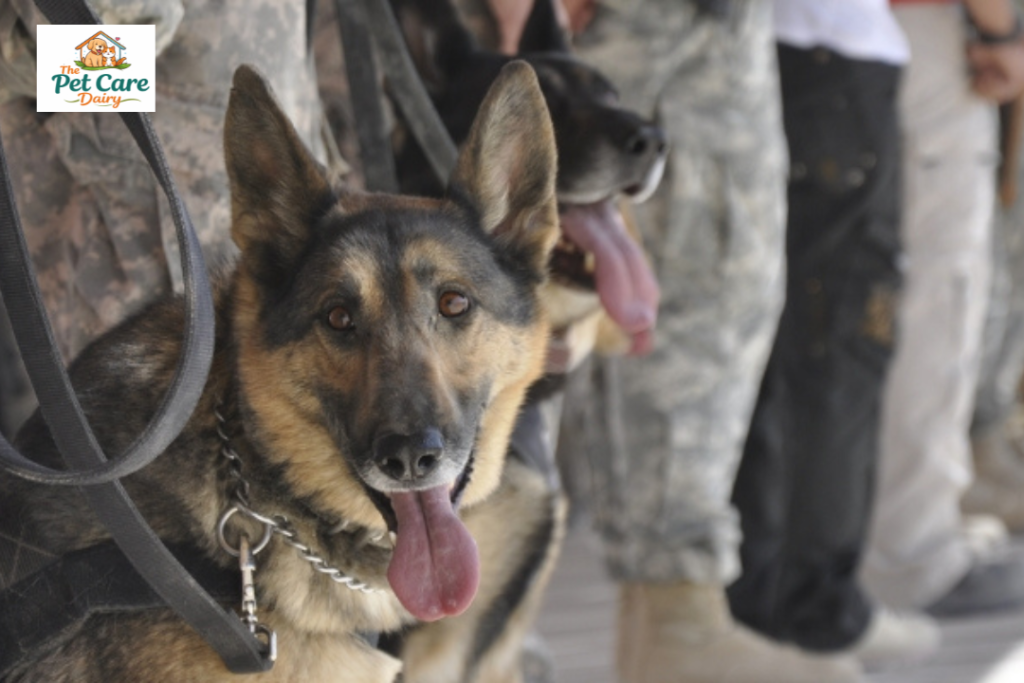
Emotional Support After Missions
Military dogs frequently work in stressful and high-risk environments. After missions, handlers provide calm and relaxed environments to help dogs recover mentally. Simple activities like gentle play, rest time, and positive interactions help reduce stress and maintain emotional balance. Identifying and managing emotional stress is now a key part of modern military dog care.
For more such pet care information, connect with us today: https://thepetcarediary.com