Obedience Training for Dogs: Dog Training Basics for Beginners
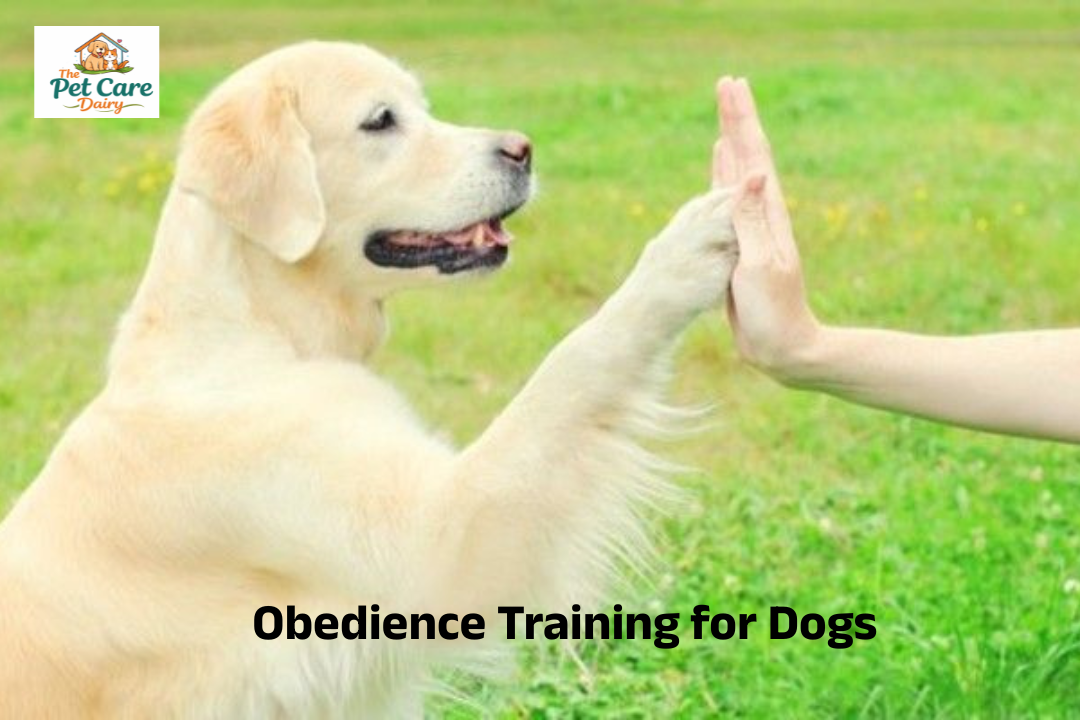
It doesn’t matter if you’ve got a new puppy or a new-to-you adult rescue: Obedience training for dogs is the best way to cement your bond with your fluffy friend. Read on for tips, tricks, and best practices as you begin your dog training journey together.
Dog Training Basics
The best training methodology is science-supported, dog-friendly positive reinforcement training.
Dogs respond best to training that rewards them when they do something right rather than punishing them when they misstep. That means not using aversive collars, like choke, prong, or shock, which use pain to train. You shouldn’t worry about establishing yourself as a drill sergeant or “alpha” either.
Successful dog training puts a focus on fun, and allows the canine student to be creative during the process. The most effective training requires lots of dog treats, an upbeat attitude, and gentle consistency as you teach.
Dog Potty Training
potty training is an essential part of dog ownership. Dogs aren’t prewired to understand that they need to do their business outside, so it’s up to pet parents to teach them where it’s acceptable to eliminate.
Potty training should commence the moment your puppy or adult dog arrives home. You can set yourself up for success by always accompanying your pup outside to oversee during the training phase, even if you have a fenced yard.
Remember to keep treats in your pocket so you can reward your dog the moment they finish eliminating in a pet parent-approved location.
Learn to read your dog’s body language so you can predict when to take them for a pottie break. One easy indicator: If your dog keeps leaving the room where everyone is gathered or appears distracted, they probably need a bathroom break.
Crate Training
Most dogs can benefit from a spot of their own where they feel cozy and safe. For many dogs, a dog crate is that space.
Used properly, dog crates can protect your pup from dangerous items around your house and keep them from chewing on inappropriate things. Crates can also help speed the potty-training process, as well as provide a secure haven if your dog needs a place to recover after surgery.
To crate train a dog, choose the right-sized crate and take your time introducing it, using treats and favorite toys to make the space feel welcoming and positive. This is key to your dog considering the crate a palace and not a prison.
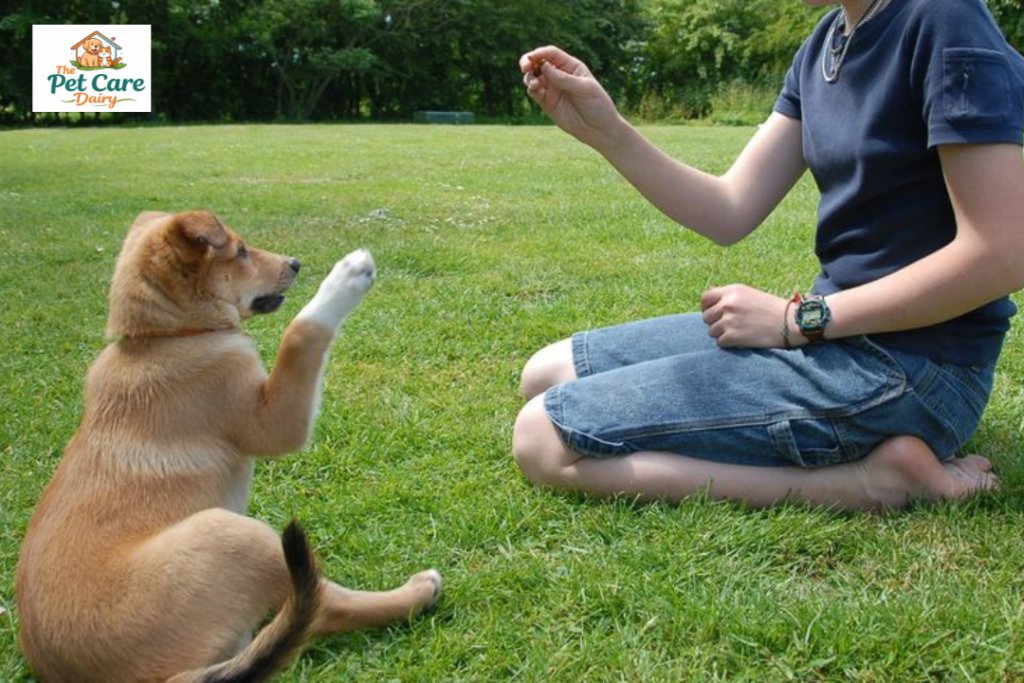
Leash Training
Teaching dogs leash etiquette is important for both you and your dog. You do not want them to pull you around on the leash; pulling can also put pressure on your dog’s neck and lead to injury.
Like all dog training, leash training requires a pocket full of treats, a positive attitude, and lots of patience. Teaching your dog to walk on a leash is a marathon, not a sprint. There are many distractions your dog may encounter during a walk, and they have to learn how to behavior in the face of each of them.
Choosing a leash that’s a safe length for your dog and comfortable for you both to use can make this process easier.
Puppy Socialization
Socialization is the process of exposing your puppy to new scenarios, places, and people at their own pace, which helps them learn to navigate the world with confidence.
Whereas it’s critical that new puppies experience thorough socialization before their socialization period ends at approximately 16 weeks, it’s important to keep it up throughout your dog’s life. Every dog can benefit from gently expanding their horizons at their own pace.
Clicker Training
Clicker training is a science-based positive reinforcement technique that turns the sound of a plastic toy clicker into a marker sound that tells your dog they demonstrated a behavior you like—and often, that that behavior earned them a treat.
Clicker training is a powerful, force-free methodology. It can be used for everything from basic training and tricks to more complicated behaviors like leash reactivity.
Basic Training Cues
Your dog can learn all varieties of cool tricks, but there’s a core group of basic training cues that should be required learning for all pups, including:
Sit: The most basic (and frequently easiest) cue to teach, this is the go-to first lesson.
Down: Often confused with an “off” cue, “down” means “put your belly on the ground.” It’s a great way to keep your dog comfortably anchored in place.
Come: This cue can be a literal lifesaver. Teaching your dog to come when called is simple at first, but where most pet parents slip up is not practicing it in unique locations (which can ensure a dog will reliably “com” when called no matter where they are or what else is happening) and maintaining the behavior throughout the dog’s life.
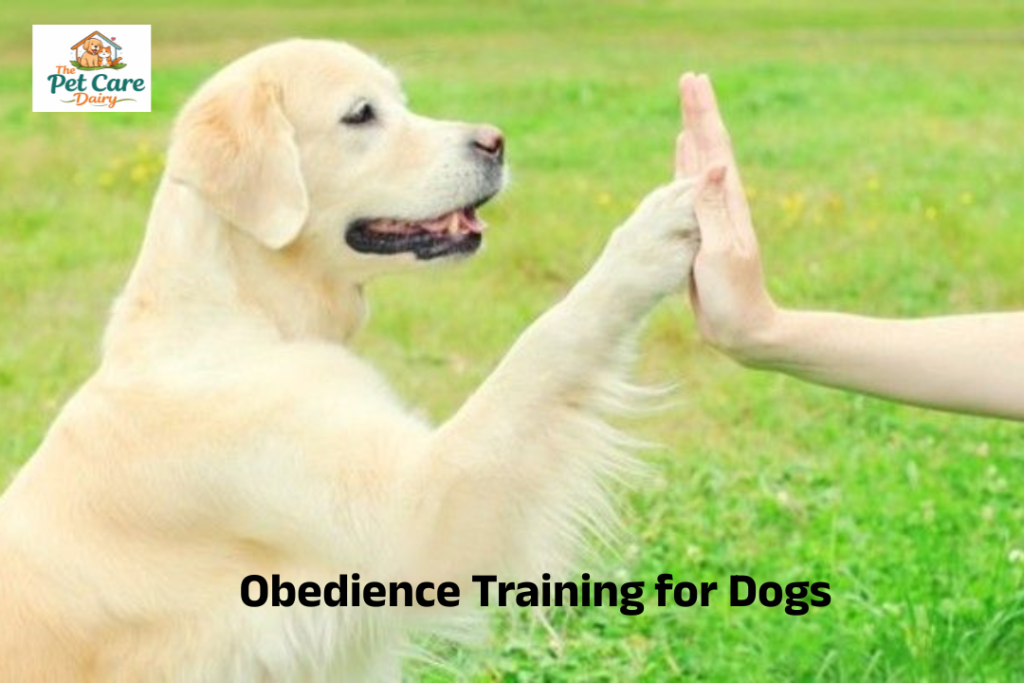
Stay: This behavior is almost as important as “coming” in that it also helps keep your dog safe. Worried that she might slip out the front door when you receive a package? Teach a solid “stay” and worry no more!
Hiring a Dog Trainer
Sometimes you need support as you educate your pup, which is where a professional dog trainer comes in. A trainer can help troubleshoot challenges and answer questions.
Dog training classes range from private in-home sessions customized to your needs, to group classes filled with other students.
The most important part about picking a dog trainer is ensuring that they use the most up-to-date, science-based positive reinforcement training. Anyone who suggests that you need to be the “alpha” or a “pack leader,” or recommends punishment tools like a choke or prong collar, should be avoided.

The best time to start puppy training is right now. Puppies are anxious learners who love learning new skills, which means you can get to work using dog-safe training techniques as soon as they settle into their new home.
Just remember that you’re not teaching your new best buddy to be obedient; You’re giving your pup the skills to understand how to navigate our world.
Training a dog is one of the most rewarding parts of pet ownership. Obedience training not only teaches your dog how to behave appropriately but also strengthens the bond between you and your fluffy companion. In 2026, modern dog training focuses on positive reinforcement, consistency, patience, and understanding canine behaviour. Whether you have a young puppy or an adult dog, teaching basic obedience skills can create a safer, happier, and more enjoyable relationship for both pet and owner.
Obedience training is the process of teaching a dog to respond reliably to commands and follow household rules. Well-trained dogs are generally more confident, easier to manage, and better equipped to handle new situations. Basic obedience also helps prevent common behavioral issues such as excessive barking, jumping on people, leash pulling, and ignoring teams. More significantly, training provides mental stimulation and helps dogs understand what is expected of them in everyday life.
For beginners, the first step is creating a positive learning environment.
Dogs learn best when training sessions are quiet, encouraging, and rewarding. Positive reinforcement involves rewarding desired behaviors with treats, praise, toys, or affection. When a dog associates good behavior with positive results, they are more likely to repeat that behavior in the future. Unlike punishment-based methods, positive reinforcement builds trust and encourages a stronger connection between dogs and their owners.
Consistency is one of the most important factors in successful obedience training. Dogs learn through repetition, so using the same commands, hand signals, and rewards every time helps avoid confusion. Family members should also use the same training methods to ensure the dog receives clear and consistent guidance. Short, regular training sessions are often more effective than long, infrequent lessons because dogs tend to maintain focus better when learning in small increments.
One of the first commands every dog should learn is “sit.” This simple behavior serves as the basis for many other training exercises. Teaching a dog to sit helps promote calm behavior and can be used in various situations, such as greeting visitors or waiting before meals. Once a dog has mastered “sit,” owners can gradually introduce additional commands such as “stay,” “come,” “down,” and “leave it.” These basic commands improve communication and contribute significantly to a dog’s safety and self-controlled.
The “stay” command teaches patience and impulse control. It helps dogs remain in one place until released, which can be useful in busy environments or potentially dangerous circumstances. The “come” command is one of the most important safety skills a dog can learn because it encourages reliable recall when called. A strong recall can help prevent accidents and keep dogs safe when outdoors. Likewise, the “leave it” command teaches dogs to avoid potentially harmful objects, foods, or distractions.
Leash training is another essential part of obedience training for beginners. Many dogs naturally pull on the leash due to excitation or curiosity. Teaching proper leash manners helps create pleasant walks and improves control in public spaces. Rewarding dogs for walking quietly beside their owners encourages desirable behavior and makes daily exercise more pleasant for both parties.
Socialization plays a critical role in successful dog training. Exposed dogs to different people, animals, sounds, and environments helps build confidence and reduces fear-based behaviors. Positive social experiences during puppyhood are particularly beneficial, but adult dogs can also benefit from gradual and controlled exposure to new circumstances. Well-socialized dogs tend to be more adapted, friendly, and comfortable in a variety of settings.
Patience is essential throughout the training process. Every dog learns at a different pace depending on factors such as age, breed, personality, and previous experiences. Mistakes and setbacks are a normal part of learning. Rather than becoming disappointed, owners should remain calm, celebrate small successes, and focus on gradual progress. Building trust and understanding often leads to better long-term results than expecting immediate perfection.
For more such pet care information, connect with us today: https://thepetcarediary.com