Police Dog Training in 2026: Advanced Techniques, Technology, and Modern Methods
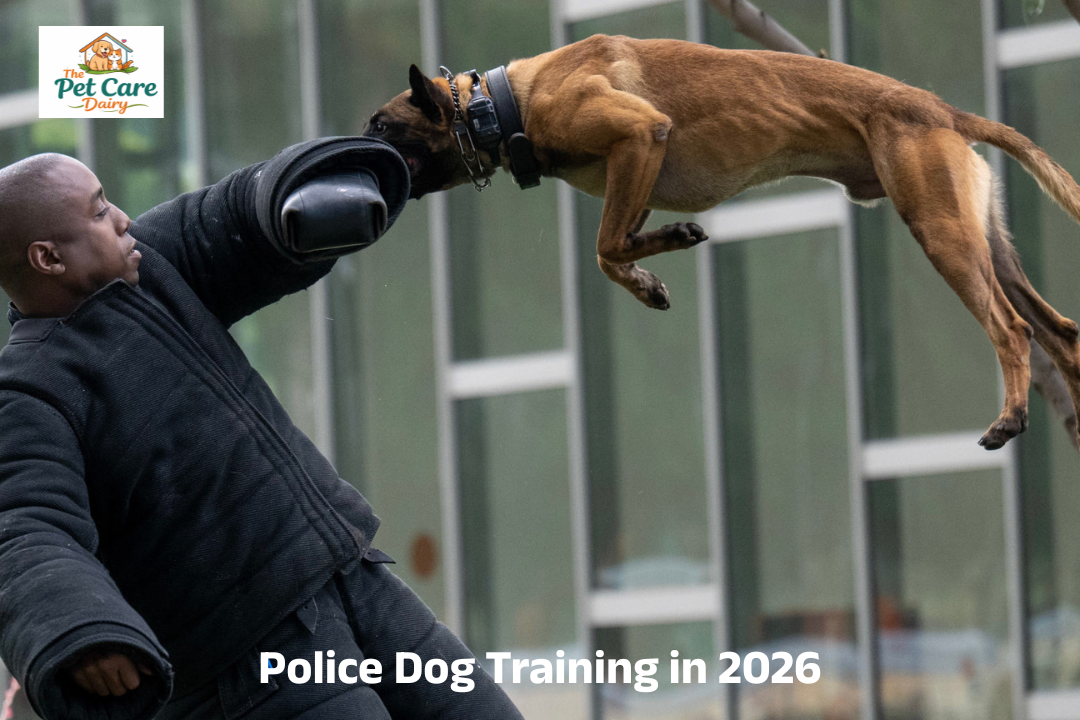
Police dog training in 2026 have become more advanced, scientific, and humane than ever before. Around the world, law enforcement agencies are using highly trained dogs—commonly known as K9 units—to aid in tasks such as search and rescue, drug detection, explosive detection, tracking suspects, and crowd control. These dogs are not only powerful working animals but also intelligent companions trained with precision, care, and modern techniques.
Modern Training Philosophy
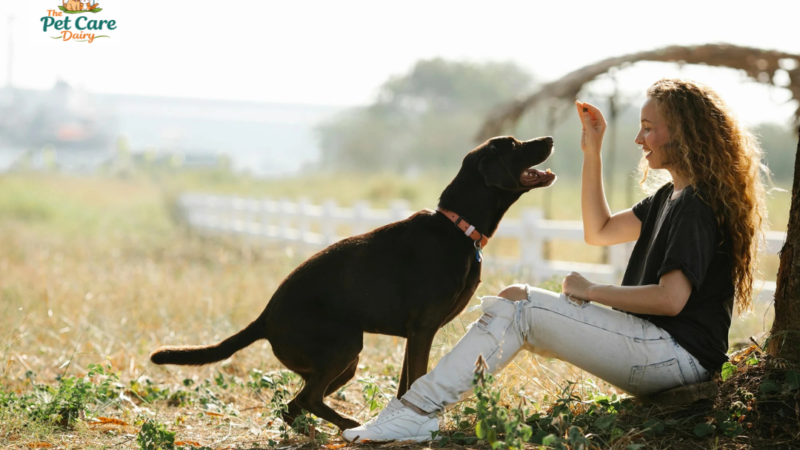
In 2026, police dog training focuses heavily on positive reinforcement and behavior science. Unlike earlier training methods that relied on force or punishment, modern trainers use reward-based systems to encourage desired behaviors. Dogs are trained using treats, toys, and praise, which makes learning faster and decreases stress. This approach improves both performance and the emotional well-being of the dog.
Training programs are now customized based upon each dog’s personality, breed, and strengths. For example, German Shepherds and Belgian Malinois are commonly used because of their intellect, agility, and strong work drive. Trainers assess each dog’s temperament before assigning specialized roles.
Basic Training Foundation
Every police dog begins with basic obedience training. Commands such as “sit,” “stay,” “come,” “heel,” and “down” form the foundation of all advanced training. Dogs must respond instantly and reliably, even in high-pressure situations.
Socialization is also an important early step. Dogs are exposed to different environments, sounds, people, and circumstances so they can remain calm and focused while working in public spaces.
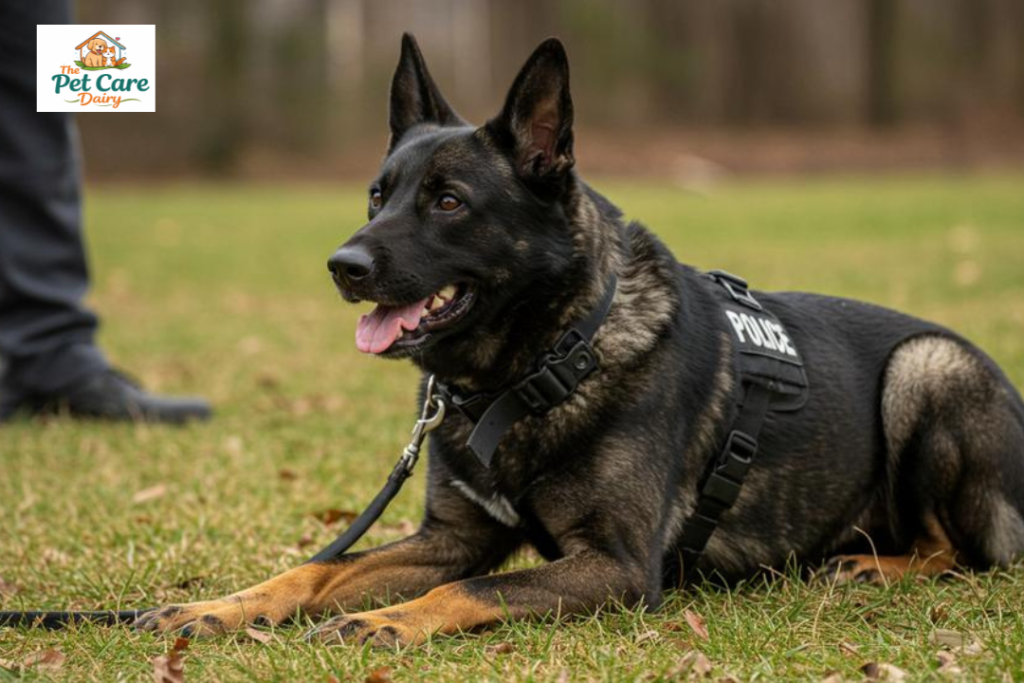
Specialized Training Roles
After basic training, dogs move into specialized roles based on their abilities:
Detection Dogs: Trained to identify specific odors such as drugs, explosives, or missing persons.
Tracking Dogs: Follow scent trails to locate suspects or lost individuals
Patrol Dogs: Aid officers in searching buildings, controlling suspects, and maintaining public safety.
Search and Rescue Dogs: Help find people in disasters like earthquakes or floods
Every role requires months of intensive training and regular practice to maintain accuracy.
Role of Technology in 2026
Technology plays an important role in police dog training today. Trainers use GPS monitoring collars, wearable devices, and training apps to monitor a dog’s performance, activity levels, and health. These tools provide real-time data that helps improve training efficiency.
Some advanced programs also use virtual simulations to train dogs in controlled environments that mimic real-life circumstances. This allows dogs to practice complicated scenarios safely before facing them in the field.
Health and Fitness Management
Maintaining the physical health of police dogs is a top priority. These dogs undergo routine veterinary checkups, balanced diets, and strict fitness routines. High-protein diets support muscle strength, while regular exercise ensures stamina and agility.
In 2026, many police units also use chemotherapy and recovery techniques such as hydrotherapy to keep dogs in peak condition. Appropriate rest and mental relaxation are also included in their schedules to prevent burnout.
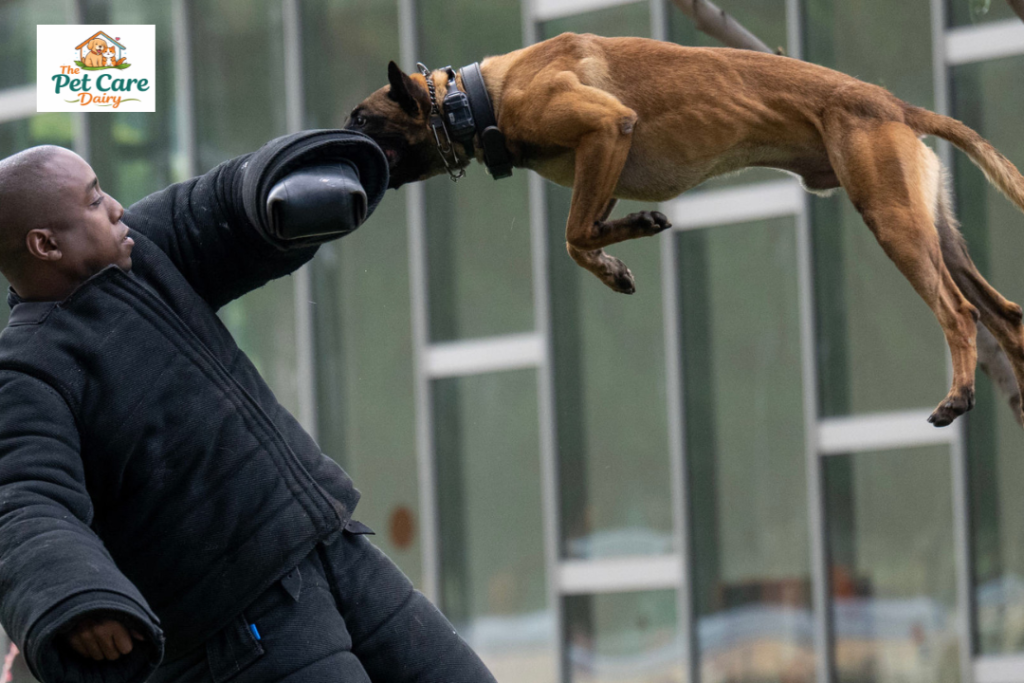
Mental Stimulation and Emotional Care
Police dogs require not only physical strength but also strong mental focus. Training sessions include puzzle tasks, smell games, and problem-solving exercises to keep their minds sharp.
Handlers build strong emotional bonds with their dogs, which is necessary for trust and teamwork. A well-bonded dog-handler pair performs more effectively in real-life operations.
Role of the Handler
The handler plays a crucial role in a police dog’s training and performance. In most cases, a handler is assigned to a dog, and they work together daily. Handlers are trained to understand canine behavior, communication signs, and health needs.
This partnership creates a deep level of trust, allowing the dog to react quickly and confidently during missions.
Global Trends in Police Dog Training
Globally, police dog training is becoming more standardized and professional. Nations are sharing techniques and research to improve training quality. Humane treatment, moral training practices, and welfare standards are now strictly followed in most modern programs.
Conclusion
Police dog training in 2026 represents a combination of science, technology, and compassionate. These highly trained dogs play a crucial role in maintaining public safety and assisting law enforcement agencies worldwide. Through advanced training methods, strong handler relationships, and continuous care, police dogs are becoming more efficient, reliable, and respected than ever before.
Advanced Scent Detection Techniques
One of the most impressive developments in police dog training in 2026 is the improvement in odor detection training. Dogs today are trained using highly controlled aroma environments where they learn to identify even the smallest traces of substances. Trainers use multiple scent samples and gradually increase difficulty levels so that dogs can distinguish between similar smells. For example, detection dogs are trained to identify specific chemicals used in explosives or drugs, even in crowded or polluted environments. This level of precision makes them extremely valuable in airports, public events, and border security operations.
Scientific Training Methods
Modern police dog training now depends heavily on scientific research and data analysis. Trainers study canine learning patterns, behavioral psychology, and reaction timing to create more effective training programs. Positive reinforcement is combined with structured repetition and reward timing to ensure that dogs understand precisely which behavior is expected. This scientific approach reduces training time and increases accuracy in real-world tasks.
Real-Life Scenario Training
In 2026,police dogs are trained using real-life scenario simulations. Rather than only practicing commands in controlled environments, dogs are exposed to situations that closely resemble actual operations. This includes crowded public places, noisy environments, night operations, and emergency circumstances. Training in realistic conditions helps dogs remain calm, focused, and reactive during real missions.
Breed Selection and Specialization
Various dog breeds are selected based on their strengths and natural instincts. For example:
German Shepherds are known for intelligence and versatility.
Belgian Malinos are valued for speed and high energy
Labrador Retriever are often used for detection due to their strong sense of smell and friendly nature
In 2026, selection processes are more advanced, using behavioral tests and genetic screening to choose dogs best suitable for specific roles.
Physical Conditioning and Endurance Training
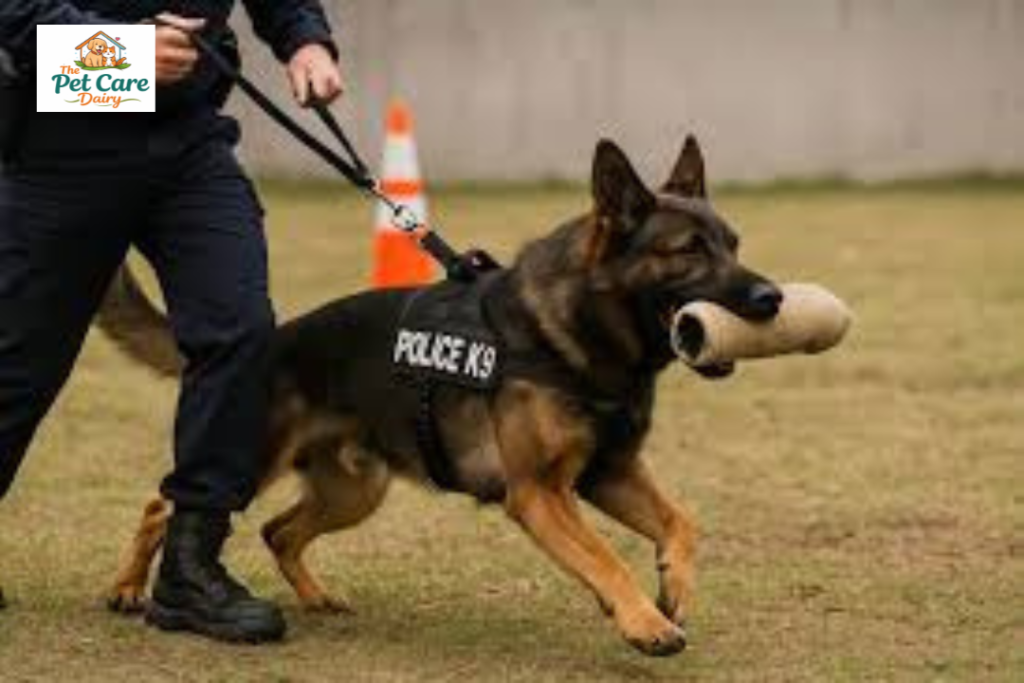
Police dogs undertake strict fitness programs to maintain peak performance. Daily routines include running, hurdle training, agility exercises, and strength-building activities. These exercises improve endurance, flexibility, and speed. Appropriate physical conditioning ensures that dogs can perform demanding tasks such as chasing suspects or searching large areas without fatigue.
For more such pet care information, connect with us today: https://thepetcarediary.com