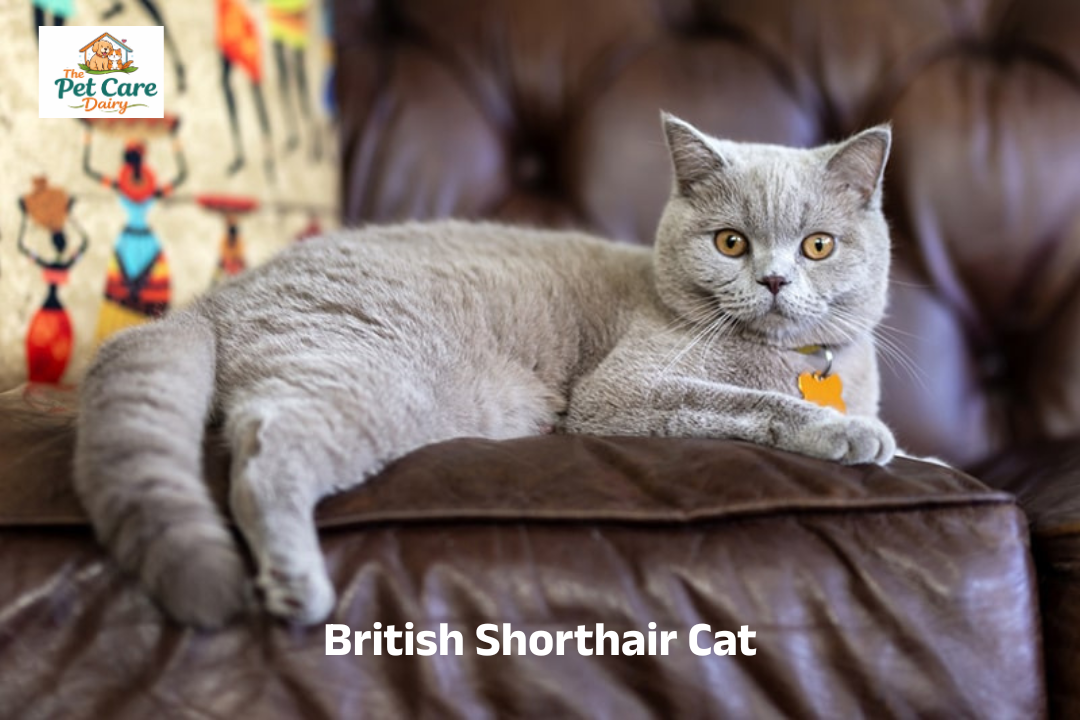
The British Shorthair Cat was once described by the renowned cat fancier Harrison Weir as “ordinary garden cats”, but he did so with great attachment for this breed. These cute felines rarely have met a lap that they did not like. These docile cats, with their noteworthy physical strength, are the offspring of farm cats that are known for their hunting prowess. If you are considering this cat to make your feminine friend, than you must read this article. In this article, you’ll know about all important information of this cute feline.
General Information
Breed Name British Shorthaired Cat
Origin United Kingdom
Lifespan 14-20 years
Length Large
Weight Weight: 12 – 18 lbs (3.6- 5.4 kg)
Indoor-only, ideal human companion
What to Feed Nutrient food three times in small quantity, as these cats are prone to gain weight
Shedding Moderate
Eye Color Blue, Copper, Gold, Odd-eyed
Coat Type Short
Coat Color
Health Concerns Tendency to become overweight, gum disease (gingivitis), hypertrophic cardiomyopathy (a disease that affects the heart muscle)
Hypoallergenic Breed No
Space Requirements Ok with apartment
Trainability
Energy Level Low
Trademark Traits Round looks, Shy demeanor, Lap seekers, Hardy breed, Welcomes other pets,Wary around young children
Compatible with kids or other pets: Yes
Living Conditions
Exercise Needs Very few time, as these cats are not so active
Do you know?
The British Longhair and British Shorthaired are the same except, of course, for their coats.
These cats first gained popularity as the ‘Cheshire Cat’ which appeared in Lewis Carroll’s ‘Alice in Wonderland’ in the year 1865.
These cats can be bred in more than 30 different shades, although some colors are not readily available.
The British Shorthair cats are considered as the oldest English breed of cats.
Blue is the most popular color for the British Shorthairs cats, so that the “British Blue” almost seems as if it is his own breed.
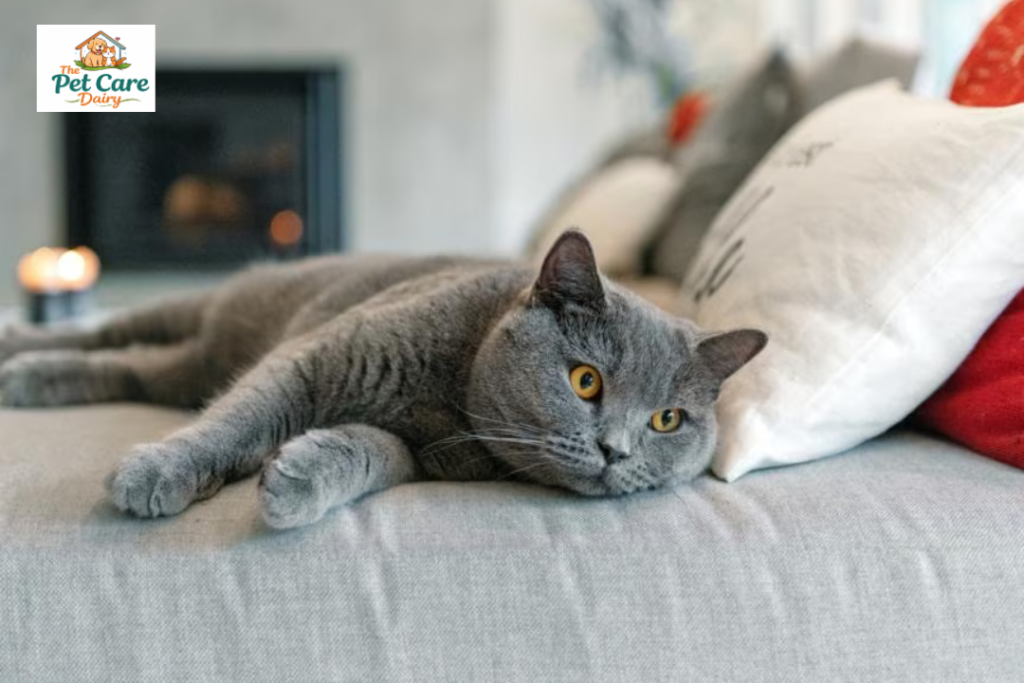
The British Shorthair Cat is one of the oldest and most beloved cat breeds in the world, known for its round face, chubby cheeks, thick plush coat, and calm personality. Originally developed in the United Kingdom, this breed is especially famous for its “British Blue” variety—a solid grey-blue coat paired with striking copper or golden eyes. Unlike highly energetic breeds, the British Shorthair has a relaxed and easygoing temperament. They are affectionate but not overly demanding, making them perfect companions for families, working professionals, and even seniors.
British Shorthairs are independent yet loyal. They enjoy being near their owners but usually prefer sitting beside you rather than continuously climbing onto your lap. Their quiet and gentle nature makes them excellent indoor pets. They are not very vocal and rarely cause chaos around the house. Because of their sturdy build, they may gain weight easy, so portion control and moderate daily playtime are important to maintain a healthy lifestyle.
Grooming is simple due to their short, dense coat. Weekly brushing is usually sufficient to remove loose hair and keep their fur smooth. Regular dental care, nail trimming, and annual veterinary checkups are essential for long-term health. While generally healthy, British Shorthairs can be prone to obesity and certain heart conditions, so regular monitoring is recommended.
With proper care, a British Shorthair Cat can live 12 to 20 years, offering stable companionship and a calm presence in the home. Their teddy-bear appearance combined with a balanced disposition makes them one of the most sought-after cat breeds worldwide.
The British Shorthair is often described as a “teddy bear cat” because of its round head, full cheeks, large round eyes, and thick luxurious coat. This breed has a powerful, muscular body with a broad chest and short sturdy legs, giving it a strong yet adorable appearance. Though the classic blue-grey coat is the most famous, British Shorthairs actually come in many colors and patterns, including white, black, cream, golden, silver tabby, and bi-color varieties.
Personality & Temperament
British Shorthair Cat are calm, patient, and emotionally balanced. They are not hyperactive or excessively clingy. Instead, they prefer peaceful companionship. They bond strongly with their family but usually show attachment in a gentle and subtle way. They are ideal for households that prefer a quiet, low-drama pet. Because of their stable temperament, they adapt well to children and other pets when properly introduced.
Living Environment
This breed is perfect for indoor living. They do not demand continuous entertainment but still enjoy interactive play sessions. Providing scratching posts, comfortable beds, and safe climbing areas keeps them mentally satisfied. They are not very destructive and are known for their well-mannered behavior.
Nutrition & Weight Management
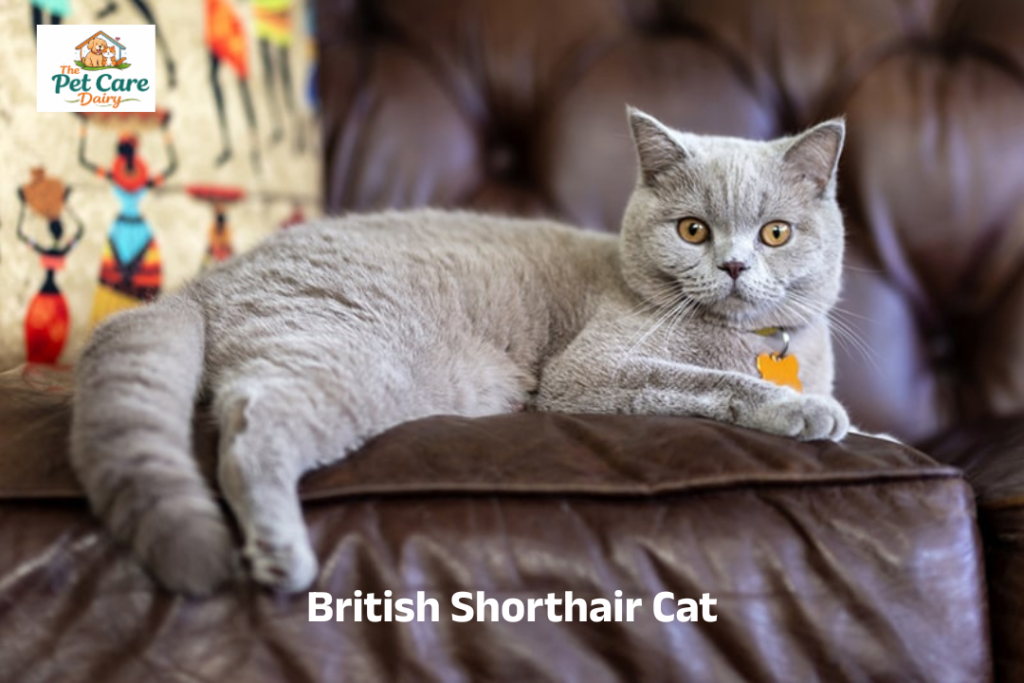
One of the most important care aspects is weight control. British Shorthair Cat have a naturally stocky body and may gain weight easily if overfed. A balanced, protein-rich diet with controlled portions is recommend. Regular playtime—even 15–20 minutes daily—helps maintain healthy muscle tone and prevents obesity.
Health & Lifespan
British Shorthairs are generally healthy and robust, frequently living between 12 to 20 years. However, they may be prone to:
Hypertrophic Cardiomyopathy (heart condition)
- Obesity-related issues
- Dental problems
Routine veterinary checkups and dental hygiene are very important for long-term health.
Grooming
Their dense coat feels luxurious but is relatively easy to maintain. Weekly brushing removes loose fur and reduces shedding. During seasonal changes, brushing twice a week may be useful.
Final Thoughts
The British Shorthair Cat is an excellent choice for people seeking a calm, affectionate, and low-maintenance cat. They are dignified yet loving, independent yet loyal. Their quiet charm and sweet expression make them one of the most treasured cat breeds worldwide.
For more such pet care information, connect with us today: https://thepetcarediary.com