Top 5 Considerations for Caring for Police Dogs
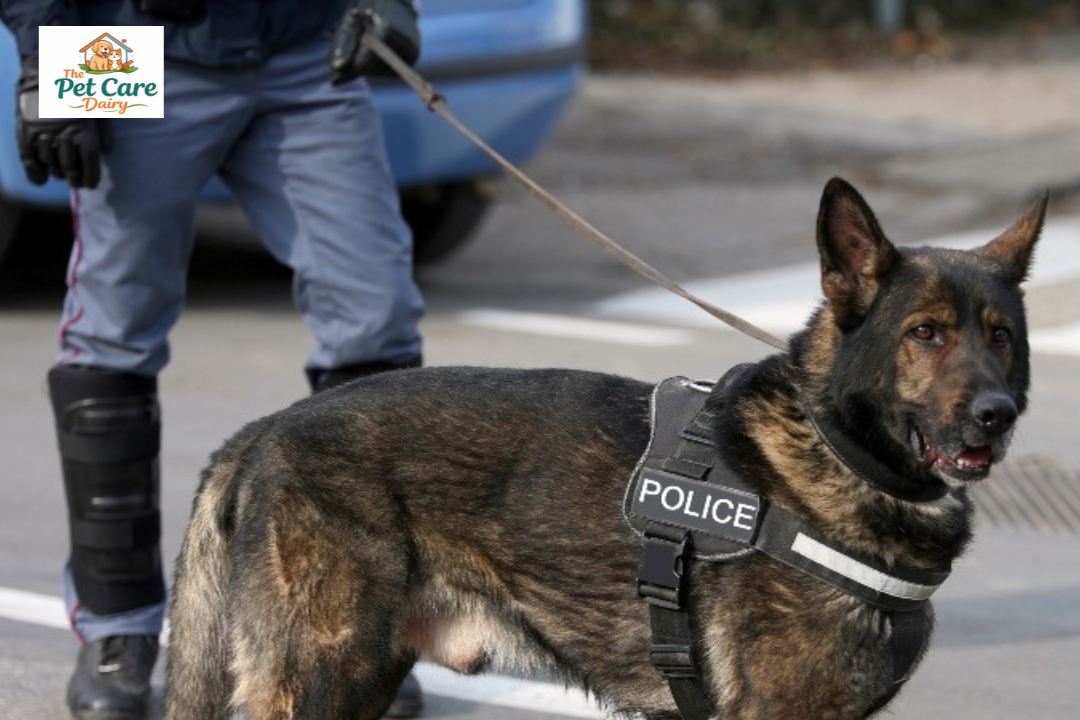
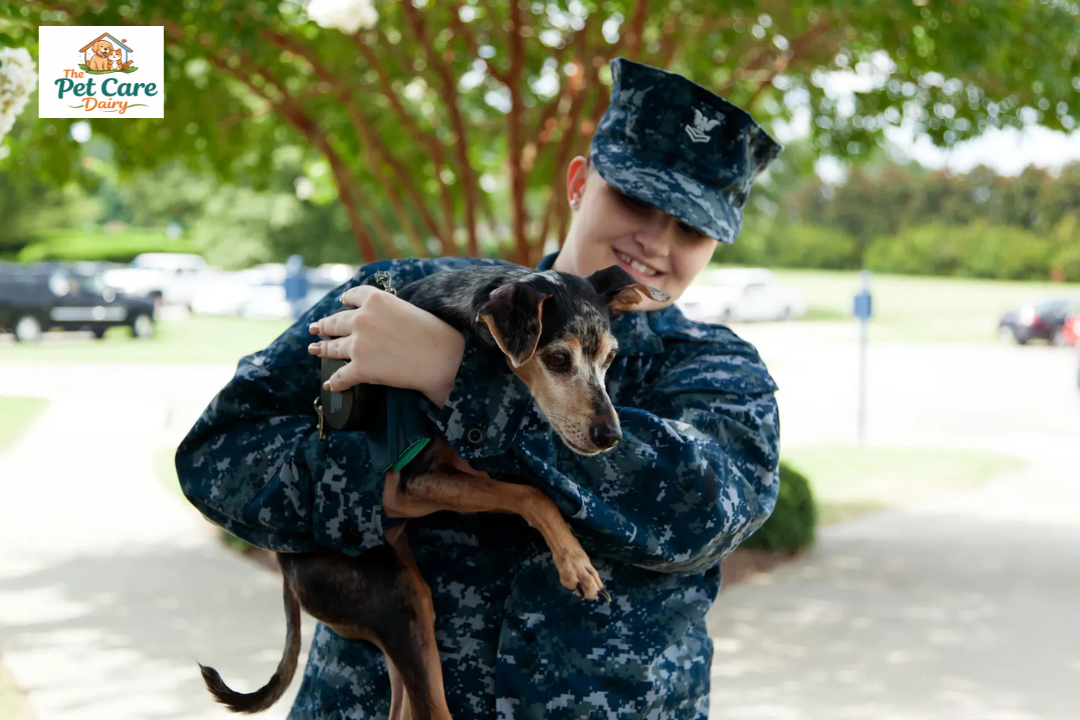
Police dogs are an essential part of law enforcement. They are trained to help with tasks such as search and rescue, tracking criminals, and sensing drugs and explosives. When police dogs retire, they often go to live with their handlers or other family members. Here are the top five consideration for caring for police dogs.
exercise
Just like any other dog,police dogs need daily exercise to stay healthy. This not only keeps their weight down but also helps them remain mentally sharp.
Exercise police dogs is important for a number of reasons. First, it helps keep them physically fit and capable of doing their job. Second, it helps reduce stress and anxiety. And finally, it helps them bond with their handler.
There are a few things to keep in mind when practicing k-9 police dogs. First, they should always be on a collar when around people or other animals. Second, they should never be left unnoticed. And ultimately, they should only be exercised in safe areas.
Proper Nutrition
Police dogs need to be properly nutritious in order to maintain their health and energy levels. A healthy diet is essential to keep your police dog happy and healthy.
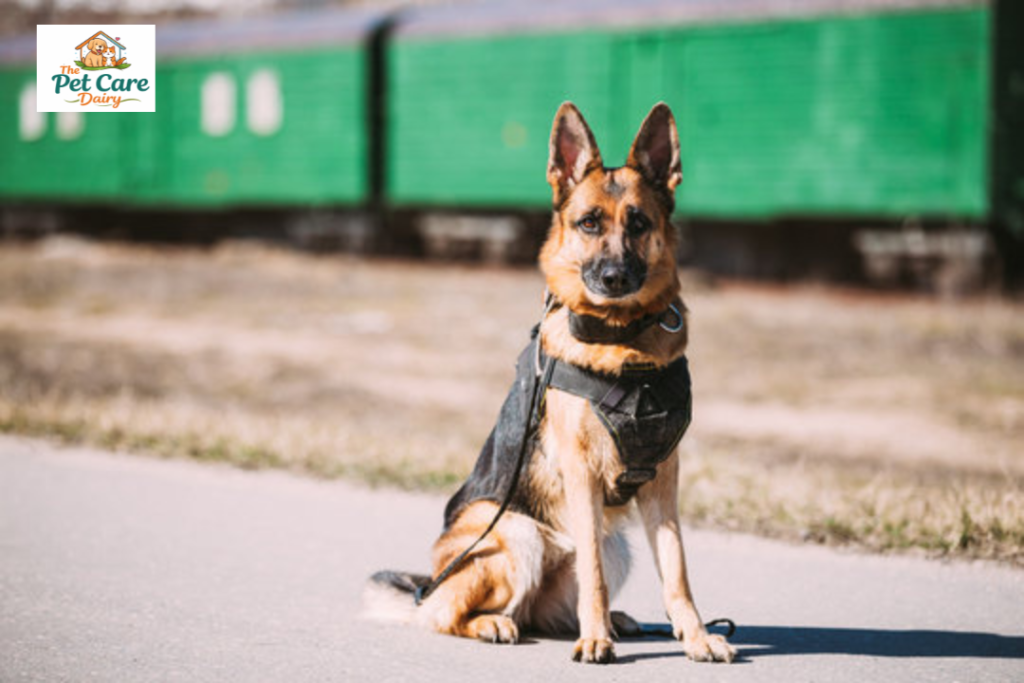
The kind of food your police dog eats depends on their age, activity level, and health condition. Puppies and young adult dogs need more calories than older dogs. Police dogs that are working or training require more calories than those that are retired. Dogs with health conditions may need a special diet.
Your vet can help you determine how many calories your police dog needs and what type of food is best for them. Feeding your police dog a nourishing diet will help them stay healthy and have the energy they need to do their job.
Housing
Housing is an important concern for those who work with police dogs. The dogs must have a comfortable place to live and sleep that meets their specific needs, away from the noise and turmoil of the street. It is also important that the dog has access to plenty of fresh water and food.
Police dogs typically live with their handlers. This arrangement allows the dog and handler to form a strong bond and provides the dog with a consistent regimen. It also allows the handler to monitor the dog’s health and behavior better.
Some police departments have kennels where their dogs are housed. These kennels provide a clean, safe environment for the dogs and allow for more control over the dogs’ diet and exercise regimen. However, keneling can also be stressful for some dogs and may limit their socialization opportunities.
The dog must have enough room to move around comfortably, without being crowded. Police dogs are frequently required to stay in their kennels for long periods of time, so it is important that they have enough space to move around and stretch their legs.
Grooming
Police dogs have a few different grooming requirements in order to stay healthy and clean. They need to be brushed regularly, bathed as needed, and have their nails trimmed. Police dogs have a few different grooming requirements than other dogs. They need to be brushed more frequently, and their baths must be done with a special dog shampoo designed to remove all the dirt and grime they come into contact with on the job. In addition, their nails should be trimmed regularly to prevent them from getting too long and becoming uncomfortable or dangerous.
Maintaining up with police dog grooming needs is essential for the animal’s health and well-being, as well as for their work. Their ears should be checked and cleaned regularly, and their teeth should be brushed often. They are prone to ear infections due to their long ears, so it is important to check them regularly and clean them if necessary. Their teeth also need to be brushed frequently, as they can develop plaque and tartar just like human teeth. Regular grooming will help keep your police dog healthy and happy and enable them to do their job appropriately.
training
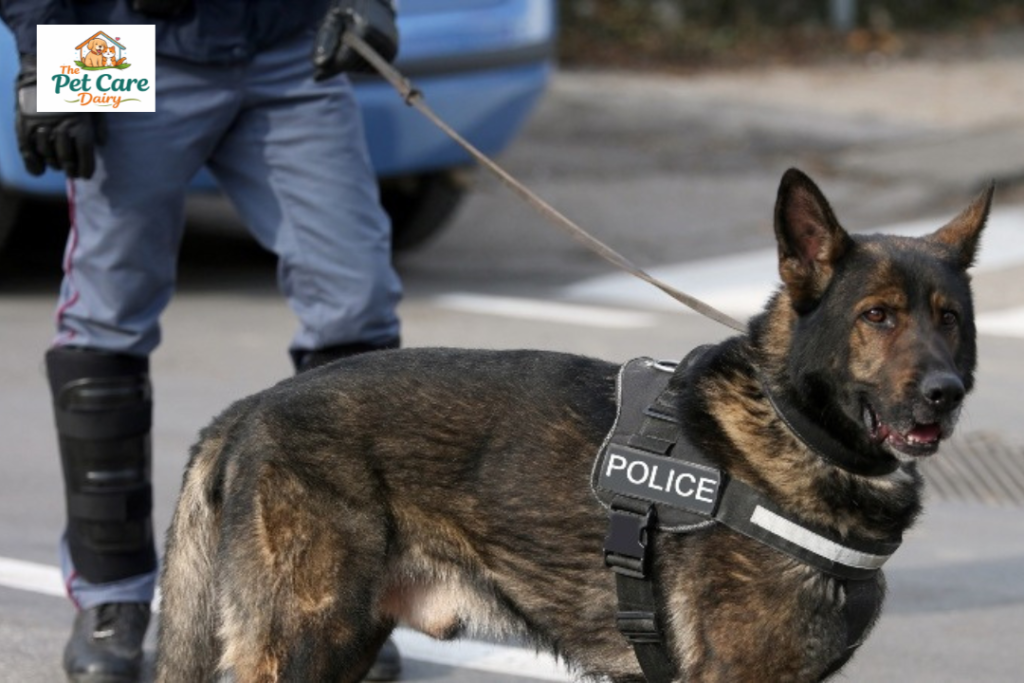
Police dogs and their handlers go through extensive training in order to be capable of working together effectively. The training starts with obedience. The handler must learn how to give teams and the dog must learn how to respond. This communication is vital because it sets the foundation for everything else they will do together.
After obedience, the team moves on to more advanced skills such as tracking, searching, and apprehending suspects. These skills are taught through a variety of methods including simulations, role-playing, and actual fieldwork. It is important for the handler and the dog to be comfortable with these techniques to be used effectively in real-world situations.
As any dog owner knows, reading your dog’s body language is key to understanding what they’re trying to tell you. The handlers must learn how to read their dog’s body language and cues so that they can better understand what the dog is trying to convey. This way, they know when the dog alerts them to danger or needs a break. This training is essential in order for the team to be capable of working together effectively and keep both the dog and the handler safe while on the job.
Conclusion
As a police dog handler, you have a special bond with your canine partner. You trust each other to keep the community safe. But did you know that there are steps you can take to assure your dog is happy and healthy?
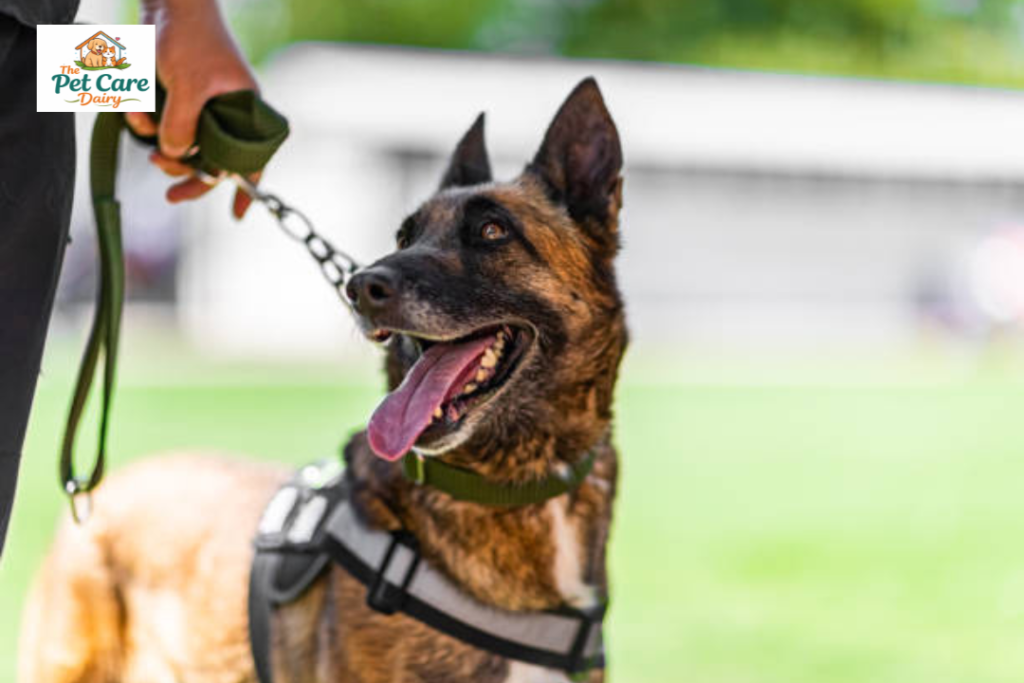
A appropriately trained police dog can be a valuable asset to any law enforcement agency. It is important to know how to properly care for your partner. Download our guide on How to ensure your dog is happy and healthy for tips on everything from feeding to exercise. By following the tips in this guide, you can help your dog live a longer and happy life.
For more such pet care information, connect with us today: https://thepetcarediary.com