Gaddi Dog: Fearless Herding Companion of Himalayan Mountain Shepherds
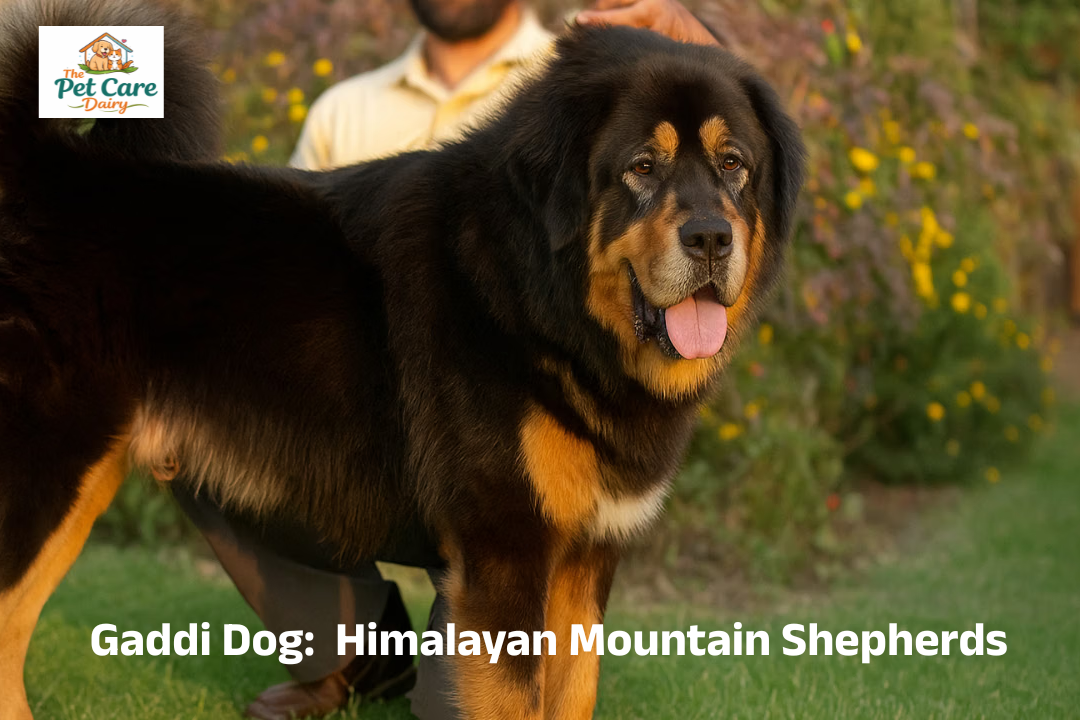
The Gaddi dog, native to the Himalayas, is a strong, intelligent, and protective breed used by shepherds. Recently recognized by ICAR-NBAGR, this acknowledgment highlights its cultural value and supports vital conservation efforts for this noteworthy working dog.
India is home to an astounding variety of indigenous animals, but when it comes to dogs, public fascination often leans towards foreign breeds. Sadly, this oversight has caused many Indian dog breeds to vanish or fall into decline. One such ignored gem is the Gaddi dog, a majestic and powerful guardian native to the Himalayan regions. Commonly known as the Himalayan Sheepdog or Indian Panther Hound, this breed has not only helped herders manage livestock in difficult mountain conditions but also stood strong against predators like snow leopards.
A Heritage Breed from the Mountains
The Gaddi dog owes its name and origin to the Gaddi Shepherds, a semi-nomadic community of Himachal Pradesh. Although its precise lineage is not well-documented, the breed is believed to be developed from the Tibetan Mastiff, evident in their physical similarity. Unlike the bulky Tibetan Mastiff, Gaddi dogs are slightly leaner but sport a striking mane, giving them a lion-like appearance.
In Nepal, they are referred to as Bhote Kukkur or Bhotiya, reflecting their widespread presence throughout the Himalayan belt, including Jammu & Kashmir, Uttarakhand, Sikkim, and Arunachal Pradesh.
In 2005, the Indian government paid tribute to the breed by featuring it on a postage stamp, acknowledging it as a symbol of India’s canine heritage.
Appearance and Physical Characteristics
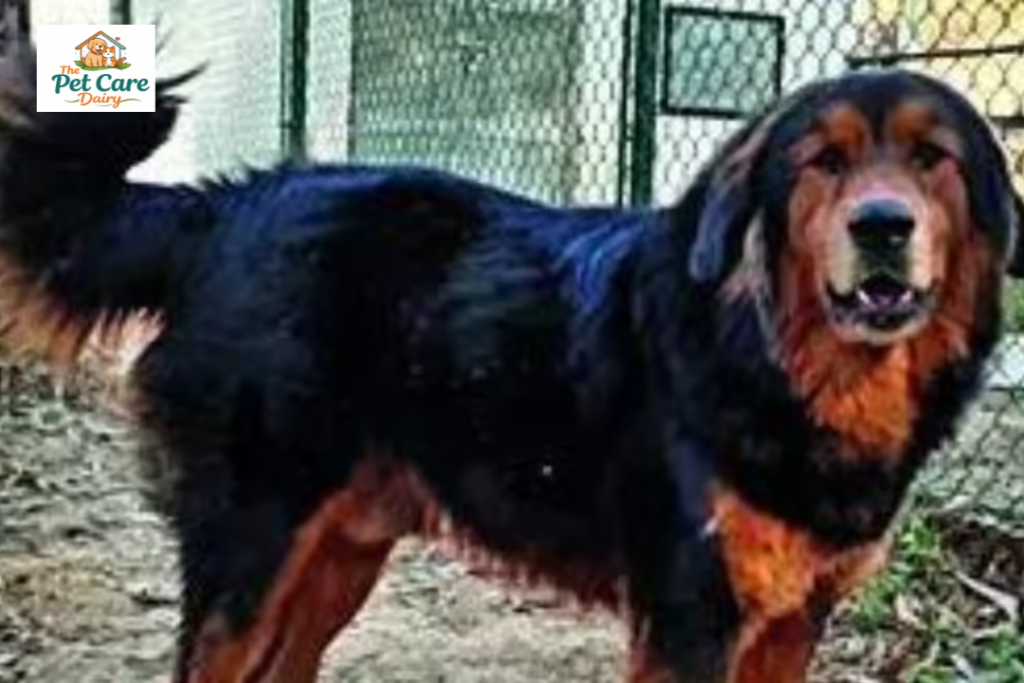
Gaddi dogs are large, muscular, and well-adapted to the cold mountainous climate. They have a double coat, the inner coat is short and dense for insulation, while the outer coat is long and lush, providing protection from snow and rain. Their tails curl over their backs in a distinctive plume, and their ears are small, pendulous, and drop low like a swinging pendulum.
Color-wise, they mostly appear in solid shades such as black and tan, dark fawn, reddish-brown, or shady white, often with markings on the chest, toes, or neck. Adult males can grow up to 71 cm tall and weigh between 25 to 45 kg, whereas females usually weigh 20 to 35 kg. Their average lifespan ranges from 9 to 14 years.
An especially noteworthy variety, the Chamba Gaddi dog, stands out for its long, pointed muzzle and commanding bark, which echoes through the valleys much like its close cousin, the Tibetan Mastiff.
Fearless and Loyal: The Ideal Working Dog
The Gaddi dog is not for the faint-hearted. Bred for utility rather than appearance, these dogs were developed specifically to guard livestock, especially yaks, sheep, and goats, from formidable predators such as snow leopards and wolves. Their agility, confidence, and resistance make them ideal for the mountainous terrain, where they can walk as much as 20 to 25 kilometers a day.
Despite their tough demeanor on the field ,Gaddi dogs are known for their dedication and loyalty to their owners. They are extremely protective, naturally inclined to guard territory and livestock. However, their territorial instincts mean they can be cautious of strangers and require socialization and training to adapt well to domestic life. They can also assist in hunting, further showcasing their versatility.
Temperament and Behavior
This breed exemplifies the perfect blend of aggression and affection. While they are friendly and affectionate with their human family, their instinct to guard makes them aggressive toward perceived dangers. They are intelligent and learn quickly, frequently requiring minimal instruction to herd animals or patrol boundaries.
However, their strength and independence also mean they are not suitable for experienced dog owners. They require space, physical activity, and mental stimulation. Urban settings can be challenging unless they are provided ample exercise and a secure environment.
A Breed in Crisis
Despite their usefulness and remarkable traits,Gaddi dogs face a bleak future. They are not recognized by major kennel clubs, and formal breed preservation programs are practically non-existent. With the decline in nomadic lifestyles and traditional herding practices, the demand for such working dogs has drastically fallen. As a result, purebred Gaddi dogs are becoming increasingly rare.
Estimates suggest their population may have dipped below 1,000. Without a systematic breeding programme, the gene pool is rapidly shrinking. Crossbreeding with other dogs has also led to the dilution of original traits, making it difficult to identify thoroughlybred Gaddi dogs today.
The Gaddi Dog, also known as the Gaddi Kutta or Indian Sheepdog, is a powerful and ancient working breed native to the Himalayan regions of India, especially Himachal Pradesh and surrounding areas. Traditional raised by the Gaddi shepherd community, this dog has been used for centuries to guard and herd livestock across harsh mountainous terrains. It is known for its strong, muscular build, thick double coat, and exceptional stamina, which helps it survive extreme cold and challenging environments.
Need for Conservation and Awareness
The Gaddi dog is not just a pet; it’s a cultural and ecological asset. As a breed that evolved to fit the harsh terrain and specific needs of Himalayan communities, it embodies the co-evolution of human and animal livelihoods in one of the toughest environments on Earth.
Recognizing this importance, the Indian Council of Agricultural Research – National Bureau of Animal Genetic Resources (ICAR-NBAGR) has officially registered the Gaddi dog as an indigenous breed. This makes it the fourth Indian dog breed to receive such recognition, following the Rajapalayam and Chippiparai breed of Tamil Nadu and the Mudhol Hound of Karnataka. This official registration is a crucial step toward preserving the breed, bringing national attention to its importance and paving the way for structured breeding programs and preservation initiatives.
Experts have long stressed the need for national-level documentation, awareness campaigns, and promotion through dog shows, research, and kennel clubs. With formal recognition now in place, there is renewed hope that the Gaddi dog will receive the attention and care it deserves. Dedicated breeding centres, supported by both government and private stakeholders, can play a vital role in preserving the breed’s genetic purity and expanding its presence beyond its native habitat.
In an era dominated by foreign dog breeds, the Gaddi dog’s recognition by ICAR-NBAGR marks a crucial step in preserving India’s native canine heritage. Celebrated for its strength, intelligence, and role in Himalayan pastoralism, this recognition boosts conservation, validates its significance, and paves the way for breeding, research, and greater awareness.
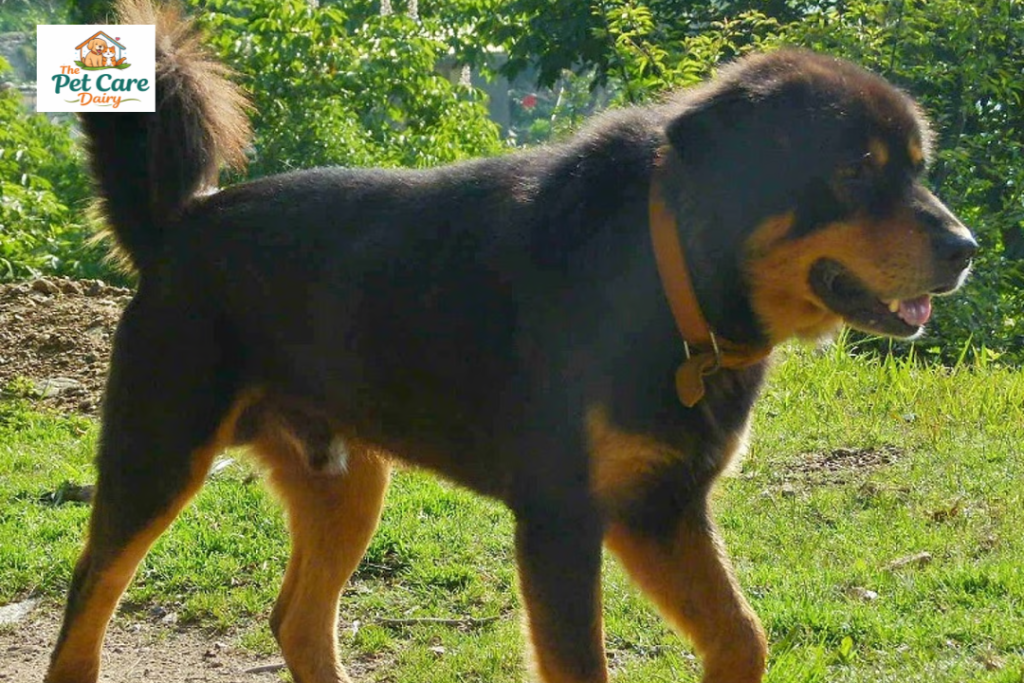
The Gaddi Dog, also known as the Gaddi Kutta, is one of India’s most revered native working breeds. Originating from the Himalayan regions of Himachal Pradesh, this powerful and intelligent dog has served shepherds and mountain communities for centuries. Traditionally used to guard sheep and goats against predators such as wolves, leopards, and bears, the Gaddi Dog is renowned for its courage, loyalty, stamina, and protective nature. Even today, it remains an important livestock guardian and a symbol of India’s rich canine heritage.
The Gaddi Dog is a large, muscular breed built for life in rugged mountain terrain. Adult males typically stand between 24 and 30 inches tall and weigh between 35 and 45 kilograms, whereas females are slightly smaller. Their thick double coat protects them from cold temperatures, rain, and snow, making them ideally adapted to the harsh Himalayan climate. Coat colors commonly include black, tan, brown, cream, grey, and mixed patterns. Their strong body, broad chest, and powerful legs allow them to travel long distances while guarding cattle.
One of the most admired qualities of the Gaddi Dog is its unwavering loyalty.
These dogs form deep relationships with their families and are naturally protective of both people and animals under their care. They are highly alert and make excellent watchdogs due to their strong territorial instincts. While they can be reserved around strangers, they are typically gentle, affectionate, and dependent with family members. Early socialization helps them become confident and well-balanced companions.
As a working breed, the Gaddi Dog requires regular physical activity and mental stimulation. They flourish in environments where they have room to move freely and perform meaningful tasks. Large yards, farms, and rural properties are ideal for this breed. Daily walks, outdoor play, training sessions, and richness activities help keep them physically fit and mentally engaged. Due to their size and energy levels, they are generally not well-suited to apartment living.
Training should begin at an early age using positive reinforcement methods. Gaddi Dogs are intelligent and capable learners but may demonstrate an independent streak due to their guardian heritage. Consistency, patience, and reward-based training help establish trust and encourage good behavior. Harsh training methods should be avoided, as they can harm the bond between owner and dog.
Grooming requirements are moderate. Their thick coat should be brushed routinely to remove loose fur and maintain coat health, especially during seasonal shedding periods. Routine nail trimming, ear cleaning, and dental care are also important for overall wellness. Appropriate grooming not only keeps the dog comfortable but also provides opportunities to detect potential health issues early.
The Gaddi Dog is generally considered a tough and healthy breed thanks to generations of natural selection in demanding environments. However, like many large breeds, they may be inclined to hip dysplasia, joint problems, and age-related mobility issues. A nutritious diet, regular exercise, and routine veterinary care help support long-term health and well-being.
For more such pet care information, connect with us today: https://thepetcarediary.com