How to Crate Train a Puppy
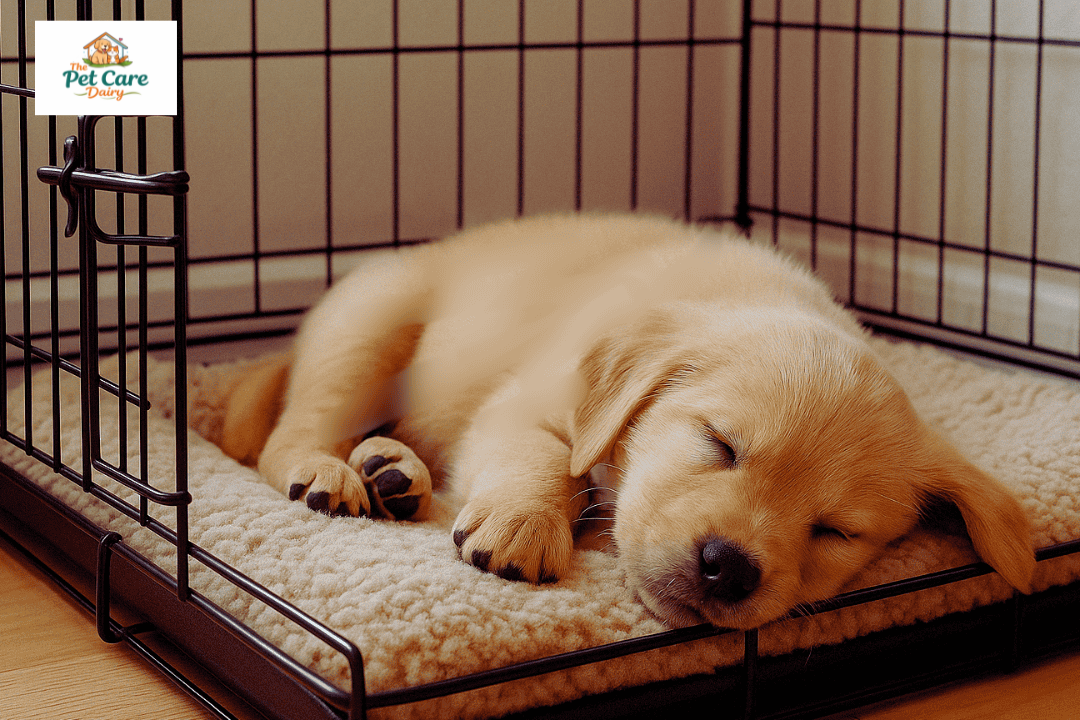
Learn effective crate training tips for your dog. Explore how crate training helps potty training for a happy, well-behaved dog.
Your dog’s crate can help them relax, especially during highly stressful moments, and relieve any separation anxiety they may have. A crate can also give you peace of mind when you aren’t around since you’ll know your pup is safe and secure.
With some patience, positive reinforcement, and a little practice, you and your newest family member will be crate-training professionals in no time.
The Benefits of Crate Training Your Puppy
Crate training is recommended for puppies for many reasons. Puppies are inherently curious and will inevitably get into trouble if left alone. If you allow your puppy free rein of your home, they will likely end up chewing the couch cushions or getting into the trash. Your pup (and your home) will be much safer if you use a crate when you are not around.
Crate training is also a positive way to teach your puppy how to be alone and building their self-confidence. A confident puppy who learns how to adapt to various circumstances is more likely to grow into a well-rounded, secure adult dog without behavioral problems.
Crate Training Tips & Tricks
Crate training can take anywhere from a few days to a few weeks, depending on your puppy’s personality, age, and past experiences. You can start training your puppy when they are 8 weeks old, since they are adaptable to new routines at this age. The key is to take things slowly and keep the experience positive so your dog makes pleasant and relaxing associations with their crate.
Remember, training your pup, whether for sleeping in their crate or potty training, takes time, patience, and commitment.
Introduce your puppy to the crate
The first step in crate training is presenting your pup to the crate in a positive way.
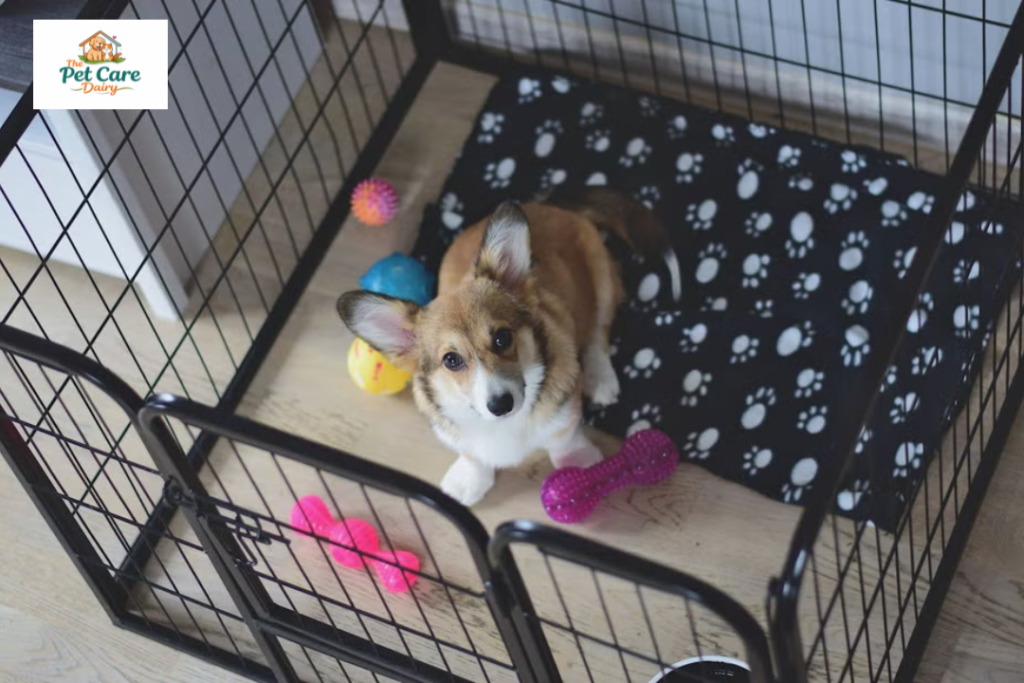
Place the crate where your family spends most of their time. Keep the door open to permit your dog to explore the crate at their leisure. Place comfortable bedding and a few toys inside the crate to make it appealing.
Curious puppies may naturally vent into the crate and begin to sleep in it on their own. If your dog doesn’t seem to notice the crate, here’s how to introduce them:
Bring your puppy close to the crate and speak to them in a happy tone. Keep the door securely open so it doesn’t swing closed and scare your puppy.
Place treats near the door and inside the crate to entice your dog in.
If treatments fail, toss your pup’s favorite toys into the crate. Stay close to your puppy throughout this process so they feel safe.
Remember that you want your pup to form positive associations with their crate, so never use the crate as a form of punishment.
Feed your puppy in the crate
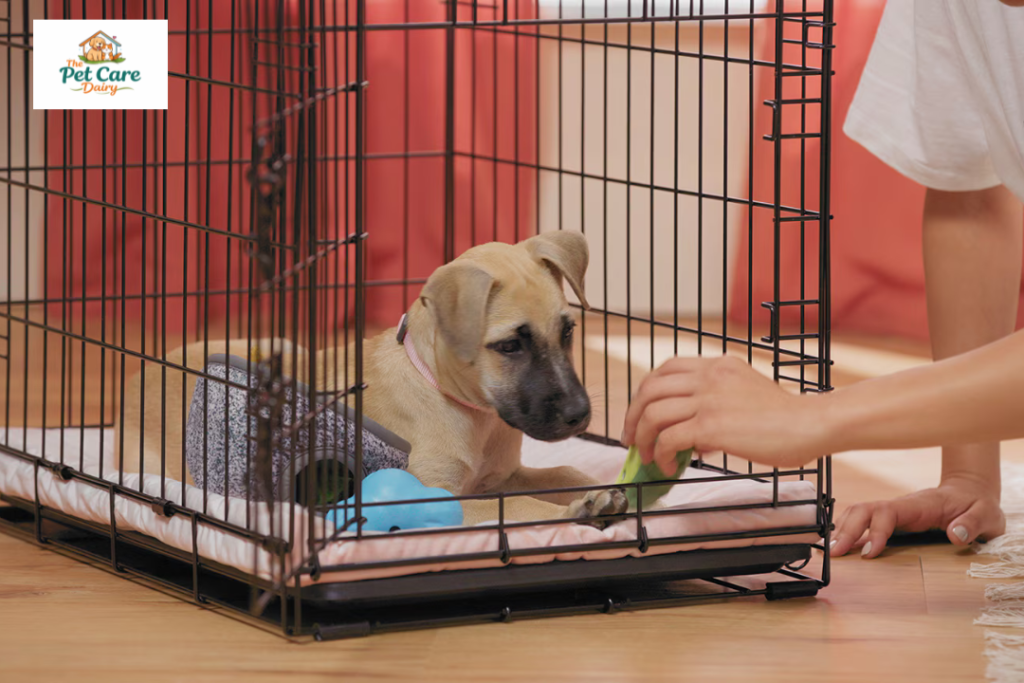
After your pup begins to become familiar with their crate, start feeding your dog in the crate to create additional positive associations with it.
If your dog gladly enters the crate for their food, try placing the bowl deeper inside to encourage them to go further. If your puppy is hesitant, place the plate only as far as they are comfortable going.
As your dog becomes more comfortable with the crate, gradually place the dish a little further inside. Once they’re more comfortable, try shutting the door for short periods while they eat.
On the first attempt, open the door right after your dog finishes their meal to let them out, and praise them for staying inside the crate. Gradually leave the door closed a little longer each time, allowing your dog to stay in the crate after eating.
If your dog starts whining, try decreasing the time the door is closed until they feel more comfortable. Gradually increase the time as they become more comfortable.
Increase the time your puppy is in the crate
Eventually, your dog will eat in their crate without fear or anxiety. Once this happens, start confining them for short periods while you are home. Create a routine or set of directions to direct them into their crate.
Here are some ideas:
Call your pup to the crate and give them a treat.
Give a voice cue for entering the crate. Mention the term “crate” while pointing inside with a treat in your hand.
Once your dog enters the crate, praise them and reward them with a treat, and then close the door.
Stay near the crate for a few minutes, and then walk away for a short time. When you return, sit again near the crate for a few minutes before letting your dog out.
Crate your puppy when you leave
Once your pup can rest peacefully in their crate for 30 minutes, they are ready to be left alone. At first, only leave your house for short periods. Use your regular routine to get your puppy into the crate. Reward them with a treat and praise for entering the crate peacefully. You can also place toys inside the crate to entertaining your puppy while you are away.
It’s a good idea to place your puppy in their crate for a short time (five to 20 minutes) before you leave, so they don’t immediately associate the crate with your absence. Crating your dog for short periods while you’re home also helps stop them from associating the crate with being left alone. However, avoid crating your pup for too long before you leave the house.
When you leave, do so calmly and quietly. When you return, keep your congratulations calm and low-key. Avoid running to your dog’s crate to let them out, talking aloud, or getting your puppy excited. Remaining calm during departures and returns can help stop your dog from becoming anxious.
Keeping your puppy in their crate at night
Having your puppy sleep in their crate is a good way to ensure they remain safe and out of trouble while you sleep. Use your regular routine to get your pup into their crate at bedtime. While you are potty-training your pup, keep the crate in your bedroom so you can quickly let them out if they need to go during the night. Sleeping near you will also help your puppy feel safe at night. Once your dog is comfortable asleep in their crate, you can move the crate to another room.
Crate training is one of the most effective ways to help a puppy feel safe, learn good habits, and adjust to life in a new home. When done correctly, a crate becomes a comfortable personal space where your puppy can relax, sleep, and feel safe. Contrary to common misconceptions, crate training is not about confinement or punishment. Instead, it teaches puppies to view their crate as a safe den-like environment that supports house training, prevents destructive behavior, and provides a feeling of routine. In 2026, professional dog trainers continue to recommend crate training as an important part of early puppy development because it encourages independence, builds confidence, and helps puppies adjust to daily life more smoothly.
The first step in crate training is choosing the right crate.
The crate should be large enough for the puppy to stand, turn around, and lay down comfortably, but not so large that it can be used as both a sleeping area and a bathroom. Place the crate in a quiet but active part of the home where the puppy can still feel connected to family members. Adding a soft bed, a safe chew toy, and a cozy blanket can help make the crate more inviting.
Introducing the crate should be a gradual and positive experience. Leave the crate door open and allow the puppy to explore it at his own pace. Place treats, toys, or foods inside the crate to encourage curiosity and create positive associations. Never force a puppy into the crate, as this may create fear or anxiety. Instead, reward voluntary entrance with praise and treats so the puppy learns that the crate is a pleasant place.
Once the puppy begins entering the crate willingly, begin closing the door for short periods while remaining nearby. Gradually increase the amount of time the puppy spends inside. Providing a favorite toy or chew can help keep them busy and relaxed. If the puppy remains calm, reward its behavior with praise and treats. Building duration slowly helps prevent stress and allows the puppy to develop confidence.
Crate training is especially useful for house training.
Most puppies naturally avoid soiling their sleeping area, making the crate a useful tool for teaching bladder control. Puppies should be taken outside routinely, especially after eating, drinking, playing, waking up, or spending time in the crate. Consistent bathroom routines help reinforce good habits and reduce accidents inside the house.
It is important to remember that the crate should never be used as punishment. The goal is to create positive emotions towards the space. If a puppy is placed in the crate after being scolded, they may begin to associate it with negative experiences. The crate should always remain a place of comfort, safety, and relaxation.
Some puppies may initially whine or bark when introduced to crate training. This behavior is frequently part of the adjustment process. Owners must ensure the puppy’s needs have been met, including bathroom breaks, exercise, food, and companionship. Remaining calm and consistent helps puppies learn that quiet behavior is rewarded. Responding to every vocalization immediately may inadvertently reinforce attention-seeking behaviors.
For more such pet care information, connect with us today: https://thepetcarediary.com